Your digging level

For this genre
0/8
🏆
Sign in, then listen to this genre to level up

Description

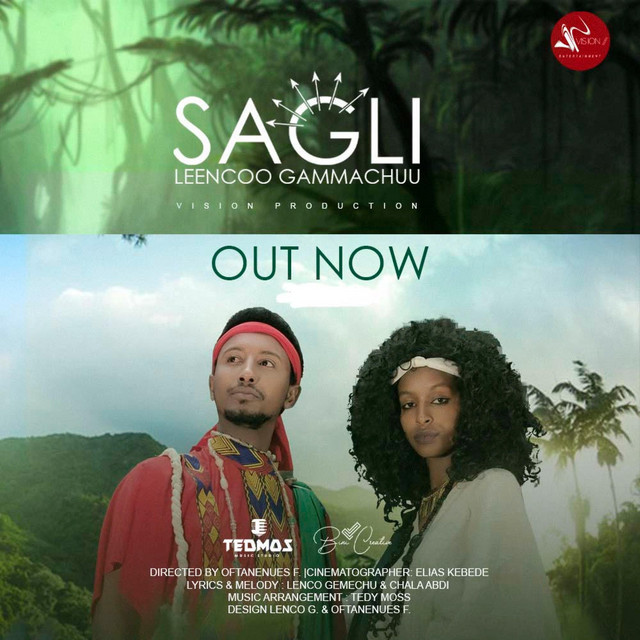
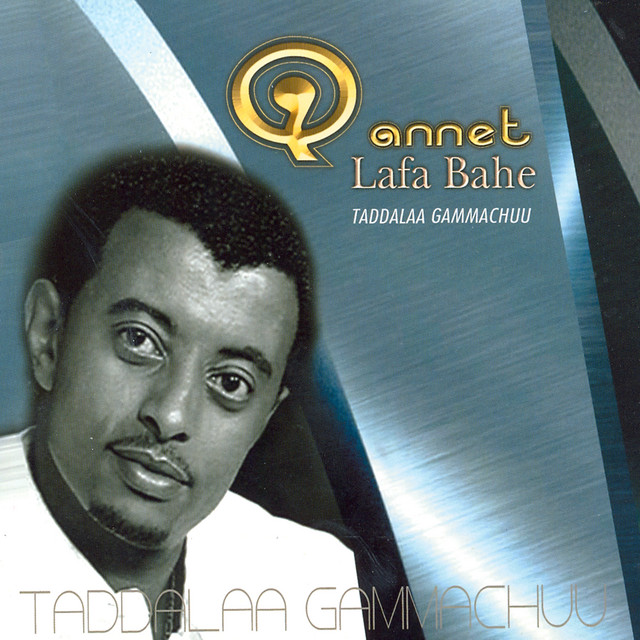
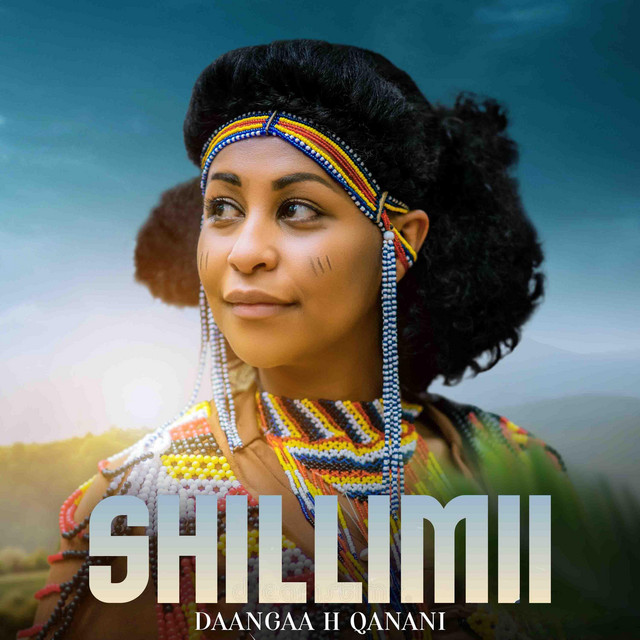
Oromo pop is contemporary popular music sung primarily in Afaan Oromo, blending Ethiopia’s pentatonic modal heritage with modern East African pop, R&B, and dance production.

The style is characterized by catchy, verse–chorus songwriting; bright keyboards and guitar riffs; programmed drums with a 4/4 or lilting 6/8 feel; and ornamented vocal lines that draw on Oromo and broader Ethiopian vocal aesthetics. Lyrics often move between love and everyday life and, at times, themes of identity, dignity, and social justice, reflecting the culture and experiences of Oromo communities within Ethiopia and across the diaspora.


Sources: Spotify, Wikipedia, Discogs, RYM, MB, user feedback and other online sources

History

Roots (1960s–1980s)

The roots of Oromo pop lie in Oromo folk song traditions and the wider Ethiopian popular music ecosystem. Early modern Oromo recording artists helped bring Oromo language songs into urban concert halls and radio, laying the groundwork for a later, fully modernized pop approach. Ethio‑jazz and Addis’s band culture also provided a template for blending local modes with modern rhythm sections and electric instruments.

Emergence and Recognition (1990s)

After the political changes of the early 1990s in Ethiopia, Oromo artists gained broader access to performance circuits, local labels, and cassette/CD distribution. A distinct "Oromo pop" identity coalesced in this decade as singers and bands embraced contemporary pop/R&B arrangements while centering Oromo language, melodies, and dance rhythms.

Consolidation and Message (2000s–2010s)

With satellite TV and the internet, Oromo pop spread rapidly across Ethiopia and the Oromo diaspora. Production values rose—slicker keyboards, tighter programmed drums, and music videos amplified the genre’s reach. Alongside love songs, many artists used pop’s accessibility to articulate Oromo cultural pride and, at times, civic concerns, giving the style a recognized role in social commentary and community cohesion.

Global Era (late 2010s–present)

Streaming platforms and social media have expanded the audience for Oromo pop well beyond Ethiopia. Cross‑regional collaborations and remixes with East African and global Afropop producers have diversified the sound, while the core signatures—Afaan Oromo lyrics, pentatonic hooks, and dance‑ready grooves—remain central.


How to make a track in this genre

Core Musical Language
•   Scales and melody: Favor Ethiopian pentatonic modal colors (e.g., tizita/bati/ambassel families), phrased with ornamental slides, turns, and occasional melisma. Keep melodies singable and hook‑forward for the chorus. •   Rhythm and groove: Alternate between straight 4/4 pop/R&B feels and lilting 6/8/12/8 patterns common in Oromo dance. Use syncopated kick–snare patterns, handclaps, and shaker/hi‑hat textures to propel dancing.
Instrumentation and Production
•   Rhythm section: Programmed drums or a hybrid kit; warm electric bass with octave jumps and simple runs. •   Harmony/keys: Bright polysynths, electric piano, and organ pads outlining I–V–vi–IV or minor‑mode loops adapted to pentatonic lines. •   Guitars: Clean or lightly overdriven rhythm guitars for skank‑like offbeats or arpeggiated hooks; occasional highlife‑style single‑note lines. •   Traditional colors: Where possible, add timbral touches (krar, masinko, ululations, hand percussion) to root the track locally without crowding the mix.
Songwriting and Themes
•   Structure: Intro → verse → pre‑chorus → chorus (big hook) → verse → chorus → bridge/break → final double chorus. Keep sections concise and dance‑oriented. •   Lyrics: Write in Afaan Oromo; balance love, everyday life, celebration, and community pride. If addressing social themes, keep lines plain‑spoken, metaphor‑aware, and chorus‑friendly.
Arrangement and Mix Tips
•   Let the vocal sit forward with gentle saturation and plate/short room reverbs; support with call‑and‑response backing vocals in choruses. •   Side‑chain bass/synth pads subtly to the kick to retain club translation; carve 200–400 Hz to reduce mud and keep percussion crisp. •   Use short fills (tom/percussion rolls, vocal ad‑libs) to bridge sections and energize dance floors.

Top tracks

Locked
Share your favorite track to unlock other users’ top tracks

Upcoming concerts

in this genre
Influenced by
Has influenced
No genres found

Download our mobile app

Get the Melodigging app and start digging for new genres on the go
© 2026 Melodigging
Melodding was created as a tribute to Every Noise at Once, which inspired us to help curious minds keep digging into music's ever-evolving genres.
Buy me a coffee for Melodigging