Genres
Artists
Albums
Make Music
Sign in
Sign in
Artists
Big Band
Artists
Big Band
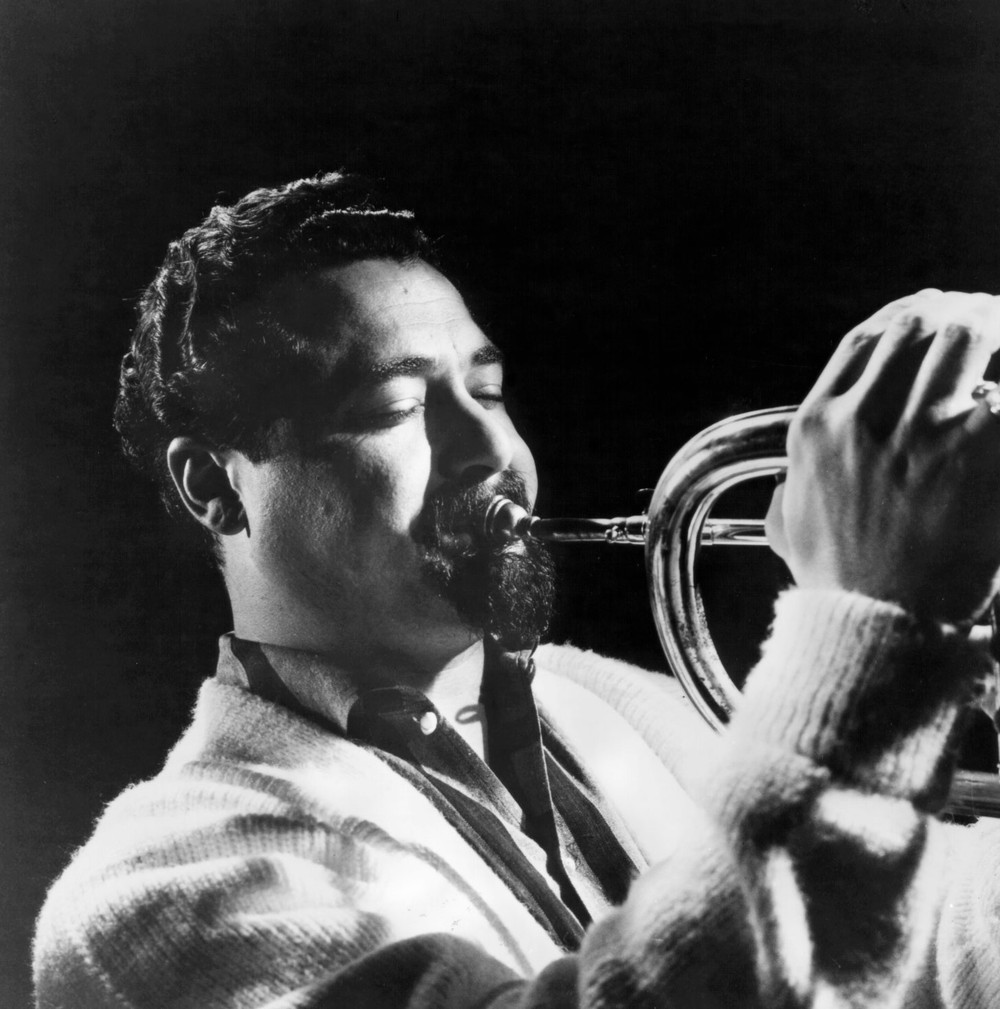
Shorty Rogers
2019
·
1 album
Listen
1
/5
Genres
Exotica
Exotica is a mid‑century style of mood music that blends jazz harmony, easy‑listening orchestration, and a collage of global percussion and timbral signifiers meant to evoke imaginary tropical, Polynesian, Asian, African, and Latin locales. Characterized by vibraphone and marimba leads, lush strings, woodwinds, wordless vocals, bird calls, gongs, and abundant reverberation, it creates a cinematic “armchair travel” experience. Rather than documenting specific traditions, exotica assembles stylized sound cues—Afro‑Cuban grooves, Polynesian drum patterns, pentatonic and whole‑tone colors—into atmospheric mini‑dramas. The genre flourished alongside postwar tiki culture and hi‑fi/stereo demonstrations, prioritizing vivid spatial staging and evocative orchestration over virtuoso soloing.
Discover
Listen
Hard Bop
Hard bop is a mid‑1950s subgenre of jazz that extends bebop’s virtuosic improvisation while bringing back a more explicitly African‑American groove. It incorporates pronounced influences from blues, rhythm & blues, and gospel—especially evident in riff‑based heads, church‑like harmonic movements on piano, and earthy saxophone phrasing. Compared with bebop, hard bop favors stronger backbeat accents, more grounded bass lines, and memorable, soulful melodies, all while retaining fast, harmonically rich improvisation when desired. Typical ensembles are small groups (often quintets) with trumpet, tenor sax, piano, bass, and drums. The style’s hallmark is the blend of bop harmony and lines with blues/gospel feeling and a driving swing feel.
Discover
Listen
Cool Jazz
Cool jazz is a modern jazz style marked by relaxed tempos, lighter tone, and a focus on arrangement, counterpoint, and timbral clarity. It favors understatement over virtuoso display and uses dynamics, space, and balance to create an airy, "cool" ambience. Emerging in the late 1940s, the style drew on bebop’s harmonic sophistication while smoothing its angular edges, often incorporating classical techniques such as linear writing and orchestral color. Hallmarks include brushed drums, lyrical improvisation, careful voice-leading, and unusual instrumentation (for jazz) like French horn and tuba alongside trumpet, saxophones, trombone, piano, bass, and drums. Although associated with the U.S. West Coast in the 1950s, cool jazz originated in New York through sessions led by Miles Davis and arranged by Gil Evans and others. It went on to influence bossa nova, third stream, modal jazz, and later smooth jazz and lounge aesthetics.
Discover
Listen
Afro-Cuban Jazz
Afro-Cuban jazz (often historically called Cubop) is a fusion of Afro-Cuban rhythmic traditions and North American jazz harmony, melody, and improvisation. It sets jazz writing and soloing inside the matrix of the clave, combining straight-eighth Afro-Cuban grooves (mambo, rumba, son montuno, danzón) with big-band and bebop vocabulary. Hallmarks include piano montunos (guajeos), tumbao bass lines, horn mambos and moñas (syncopated riffs), and a percussion section of congas, bongos, timbales, cowbell, and claves. The result is music that is harmonically sophisticated yet dance-driven, balancing arranged horn passages with open sections for improvisation, and emphasizing call-and-response and layered polyrhythms.
Discover
Listen
Mambo
Mambo is a Cuban dance music style that crystallized in the late 1930s from danzón and son montuno, then exploded internationally in the 1940s and 1950s. It is characterized by layered syncopations under the Afro‑Cuban clave, driving bass tumbaos, piano montunos, and powerful antiphonal horn riffs known as moñas or "mambo" sections. In its classic big‑band form, mambo blends Cuban rhythmic vocabulary with jazz and swing arranging, featuring trumpets, trombones, and saxophones over a rhythm section of congas, bongos, timbales, cowbell, bass, and piano. The result is high‑energy, riff‑driven music built for social dancing and floor‑filling excitement.
Discover
Listen
Big Band
Big band is a large-ensemble style of jazz and popular dance music built around brass, reed, and rhythm sections playing arranged parts. Typical instrumentation includes five saxophones (often doubling clarinet/flute), four trombones, four trumpets, and a rhythm section of piano, guitar, upright bass, and drum set. The music emphasizes swing rhythms, call-and-response between sections, riff-based writing, and dramatic shout choruses, while leaving space for improvised solos. Born in American ballrooms and theaters, big band became the sound of the Swing Era, providing both music for dancing and a platform for sophisticated arranging and orchestration that shaped much of 20th‑century jazz and popular music.
Discover
Listen
Jazz
Jazz is an improvisation-centered music tradition that emerged from African American communities in the early 20th century. It blends blues feeling, ragtime syncopation, European harmonic practice, and brass band instrumentation into a flexible, conversational art. Defining features include swing rhythm (a triplet-based pulse), call-and-response phrasing, blue notes, and extended harmonies built on 7ths, 9ths, 11ths, and 13ths. Jazz is as much a way of making music—spontaneous interaction, variation, and personal sound—as it is a set of forms and tunes. Across its history, jazz has continually hybridized, from New Orleans ensembles and big-band swing to bebop, cool and hard bop, modal and free jazz, fusion, and contemporary cross-genre experiments. Its influence permeates global popular and art music.
Discover
Listen
Cuban Music
Cuban music is the rich, syncretic musical tradition of Cuba, shaped by the meeting of Spanish/European song forms and West/Central African rhythms. Its heartbeat is the clave—a two-measure rhythmic cell (3–2 or 2–3) that organizes percussion, melody, and harmony across styles. From the contradanza and habanera of the 19th century to danzón, rumba, and son cubano in the early 20th century—and later mambo, cha-cha-chá, nueva trova, songo, and timba—Cuban music has continually reinvented itself while retaining its core Afro‑Cuban rhythmic language. Typical instruments include the tres (Cuban guitar), bongó, congas, timbales, güiro, maracas, cowbell, bass, piano (playing guajeos/montunos), and bright horn sections. Beyond the island, Cuban music has profoundly influenced global popular music—fueling the rise of salsa and Latin jazz and reshaping dance music worldwide—while continuing to honor deep connections to Yoruba/Lukumí religious drumming and Spanish lyrical traditions.
Discover
Listen
Show all 8 genres
Albums
2019
1
/5
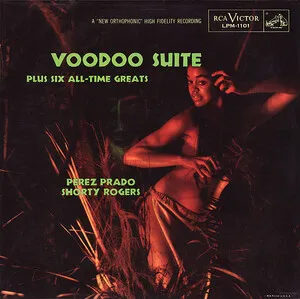
Voodoo Suite (Plus Six All-Time Greats)
Pérez Prado & Shorty Rogers
Mambo
Afro-Cuban Jazz
Cuban Music
Similar artists
4
/5
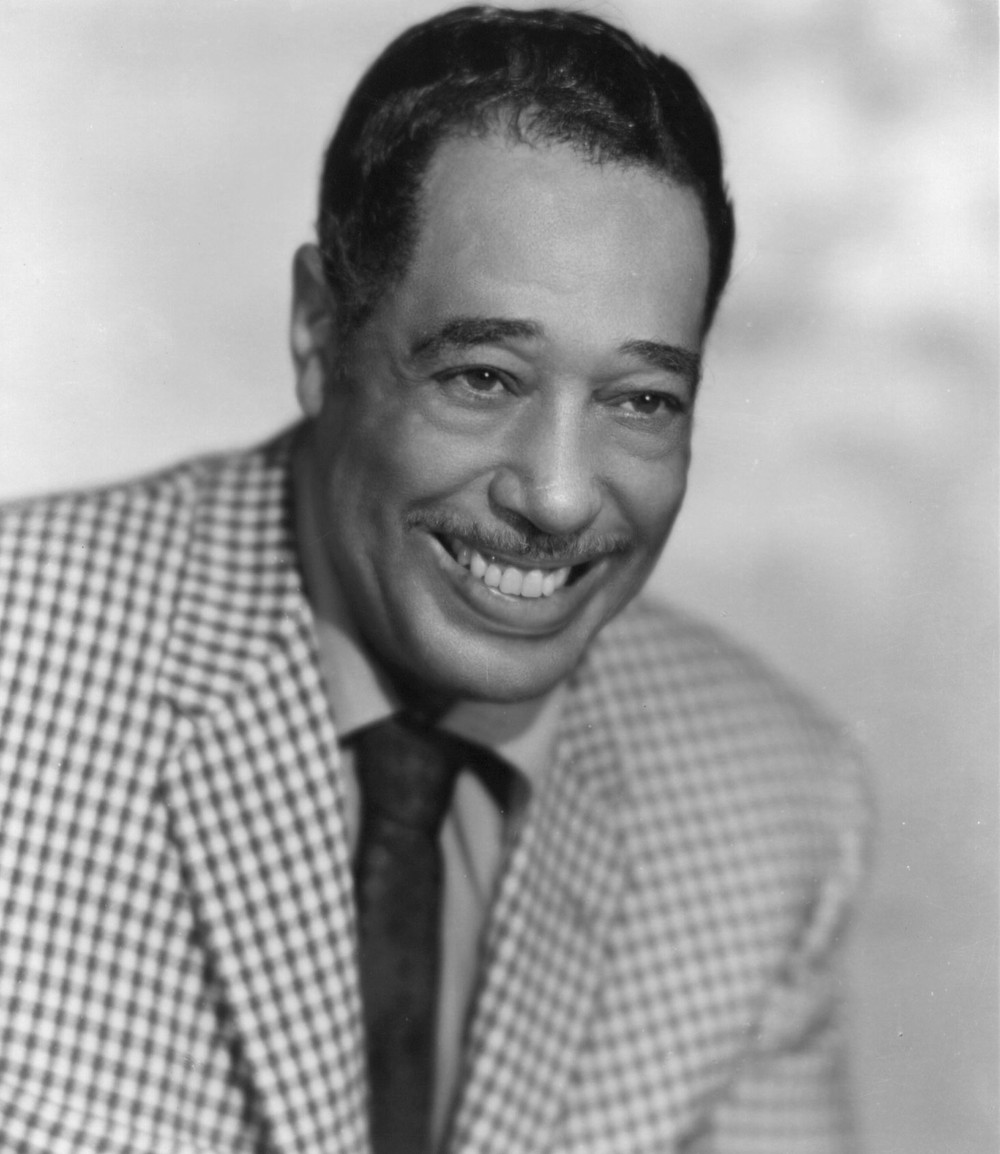
Duke Ellington
Big Band
Swing
Jazz
3
/5
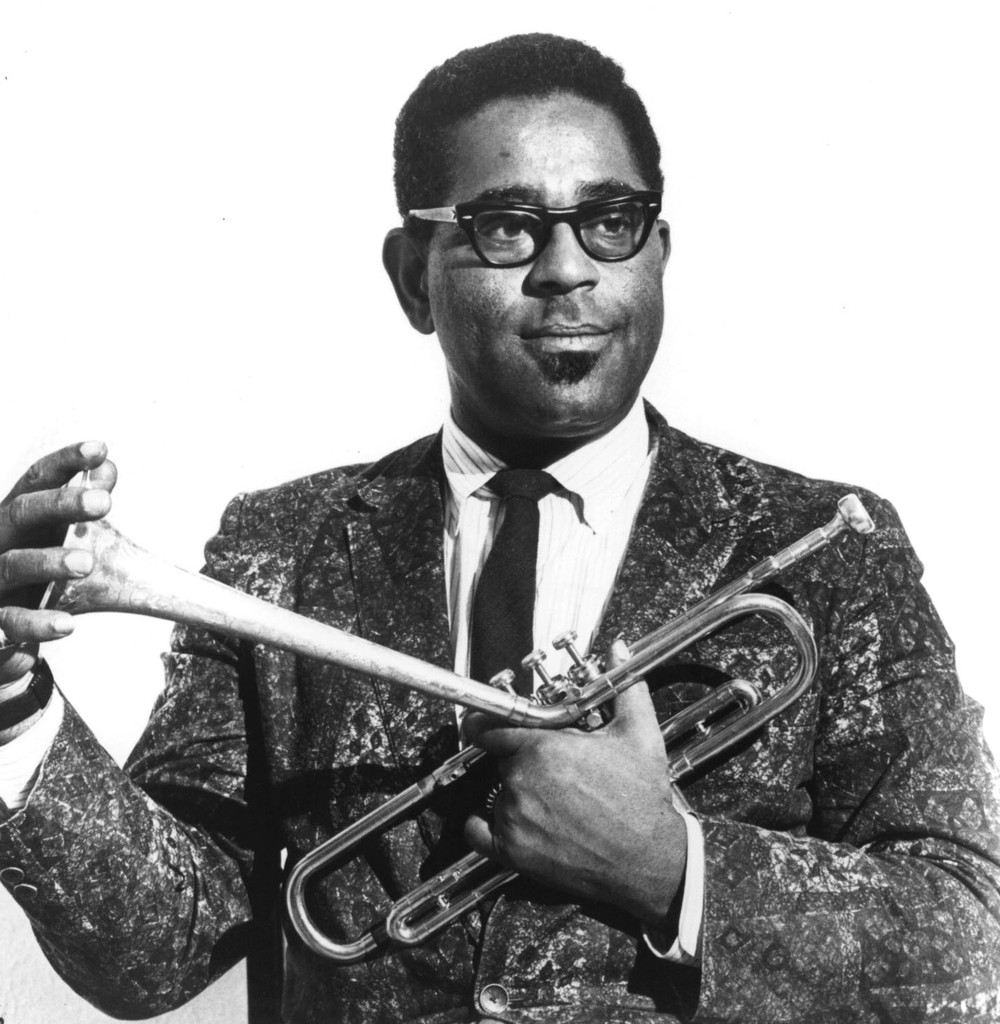
Dizzy Gillespie
Bebop
Big Band
Latin Jazz
3
/5
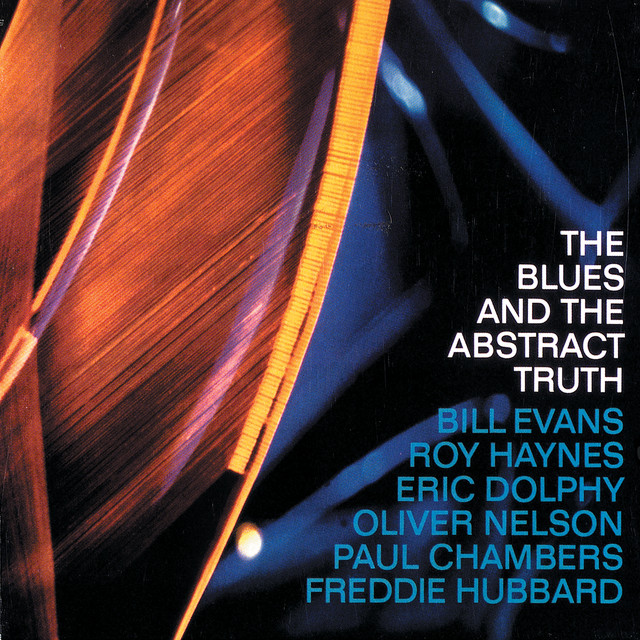
Oliver Nelson
Hard Bop
Jazz
Bebop
3
/5
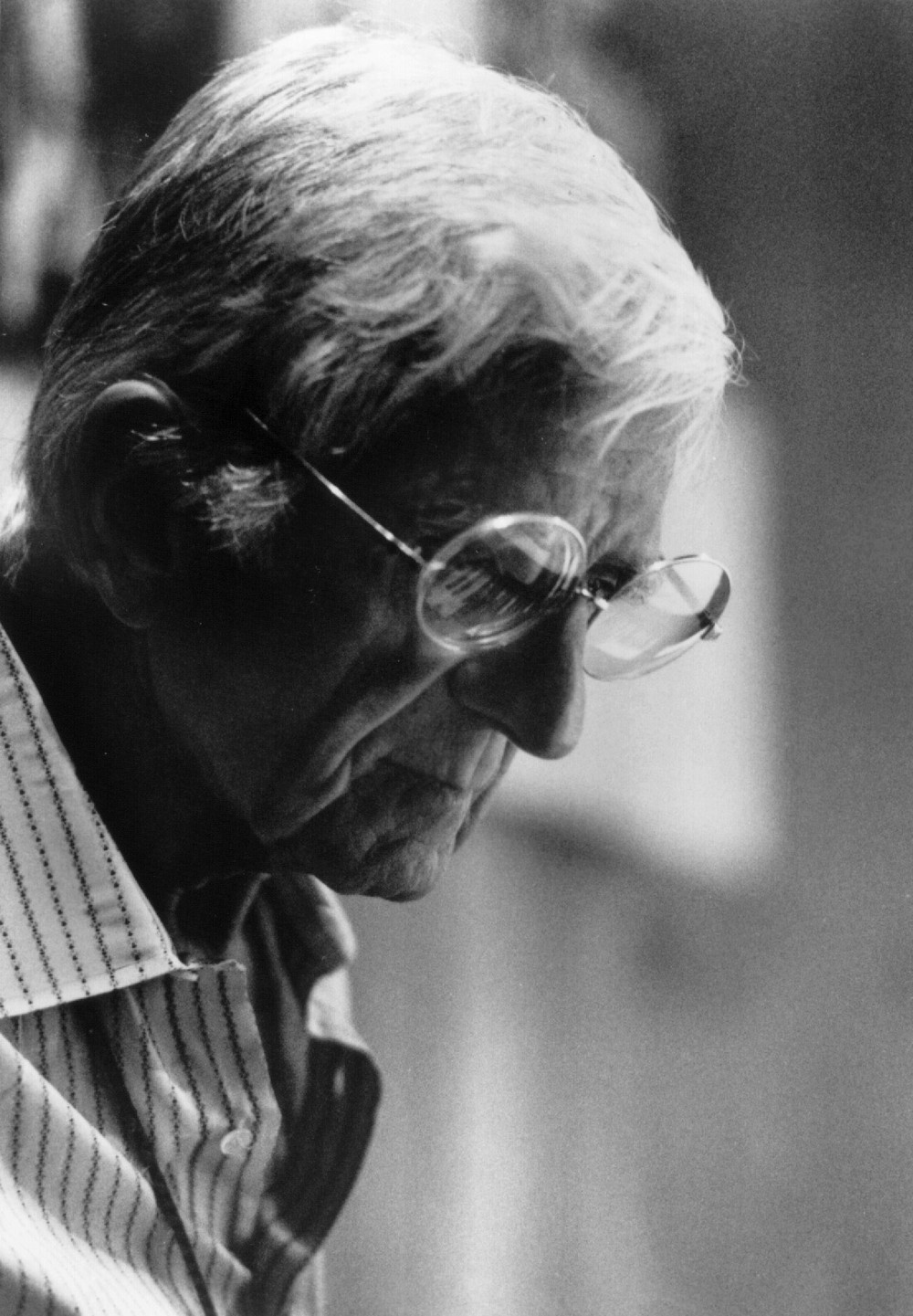
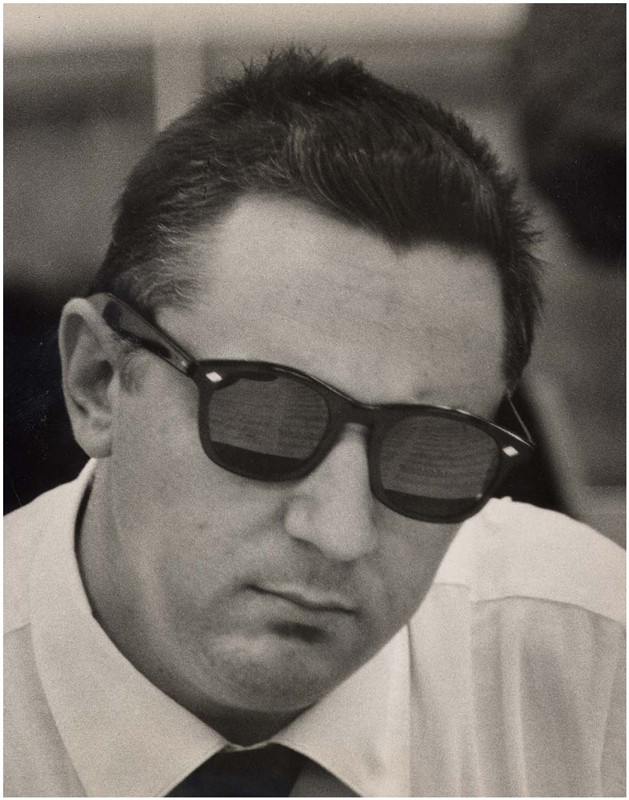
Gil Evans
Jazz
Big Band
Bebop
2
/5
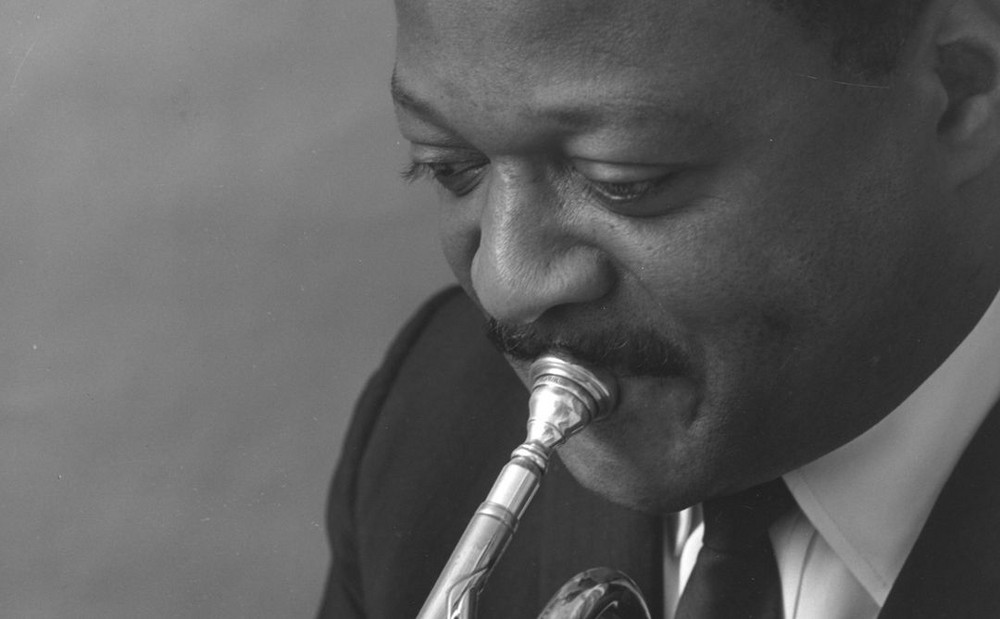
Clark Terry
Bebop
Jazz
Big Band
2
/5
Stan Kenton
Progressive Big Band
Big Band
Cool Jazz
2
/5
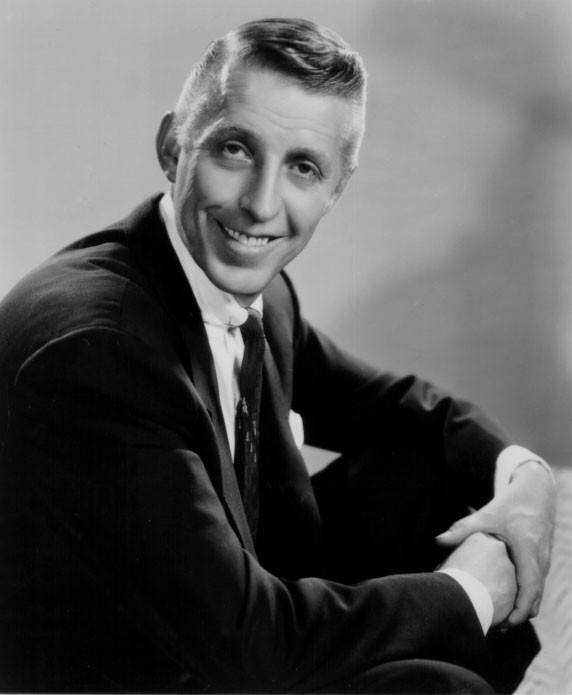
Marty Paich
Big Band
Cool Jazz
Hard Bop
2
/5
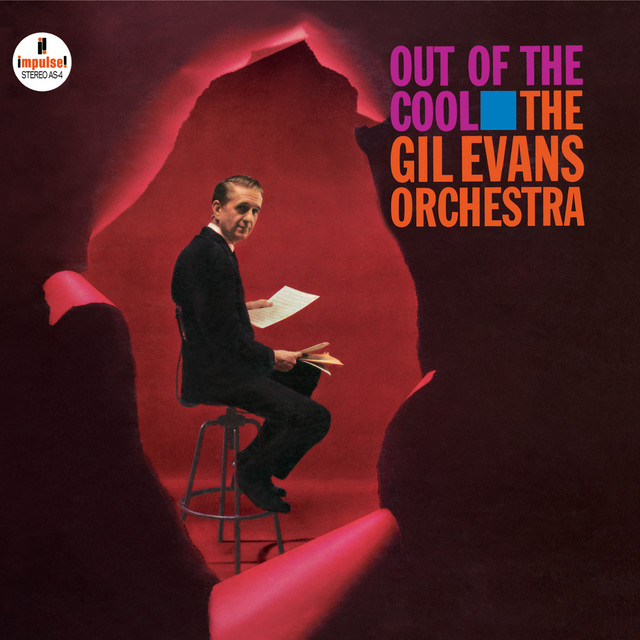
The Gil Evans Orchestra
Big Band
Cool Jazz
Bebop
1
/5
Buddy Collette
Cool Jazz
Exotica
Hard Bop
1
/5
Terry Gibbs
Bebop
Big Band
Cool Jazz
Download our mobile app
Get the Melodigging app and start digging for new genres on the go
Download on the App Store
Get it on Google Play
© 2026 Melodigging
Give feedback
Legal
Melodding was created as a tribute to
Every Noise at Once
, which inspired us to help curious minds keep digging into music's ever-evolving genres.