Genres
Artists
Albums
Make Music
Sign in
Sign in
Artists
Lilith
Artists
Lilith
Sheryl Crow
2003–2026
·
4 albums
Listen
4
/5
Genres
Lilith
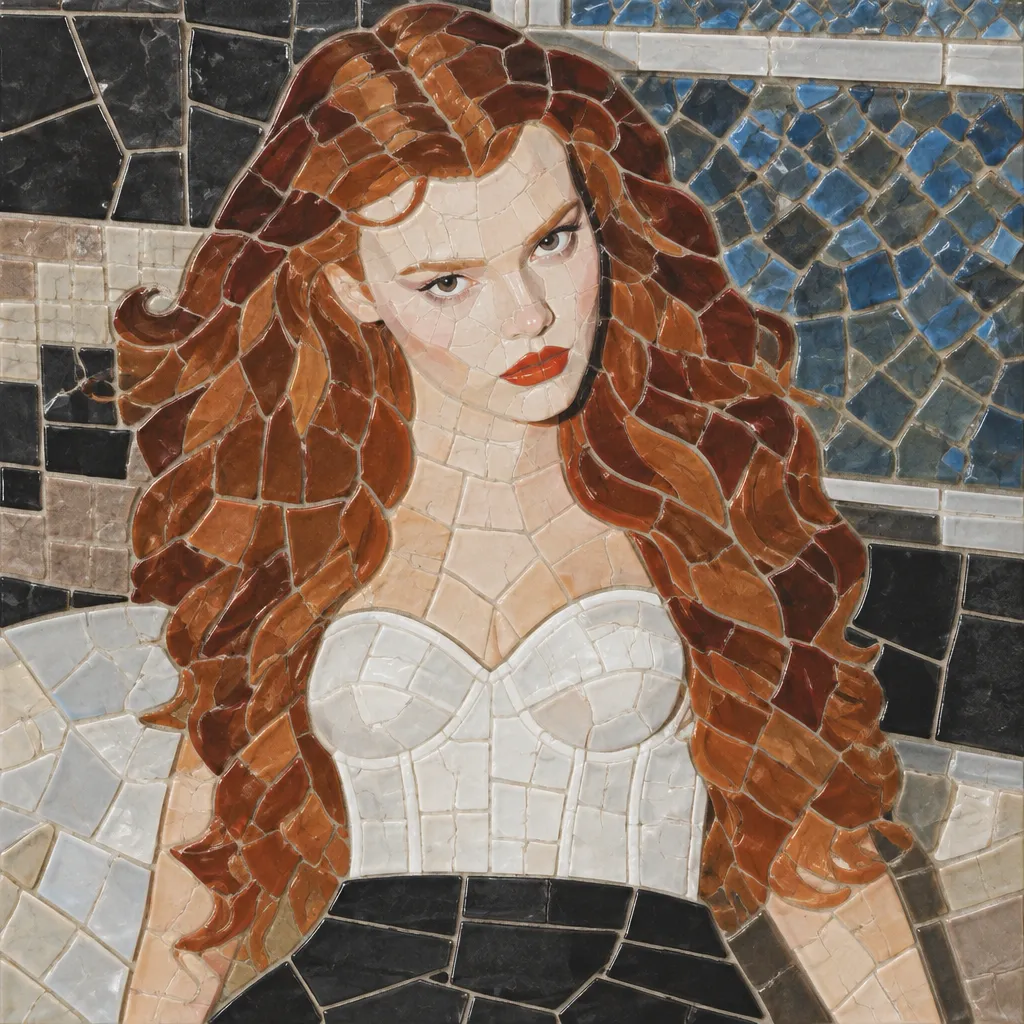
Lilith is a mood-driven, internet-native microgenre that blends dark, feminine alternative pop with elements of trip hop, dream pop, witch house, and ethereal wave. It favors breathy or intimate vocals drenched in reverb, slow to mid-tempo grooves, spectral pads, and cinematic, minor-key harmonies that evoke occult, gothic, or mythic imagery. The overall sound is bass-forward yet gauzy: sub-heavy 808s or dusty breakbeats sit under shimmering guitars, distant choirs, and textural synths. Lyrically, Lilith leans into vulnerability, power, hauntings, and desire—frequently framed through confessional writing and ritual or nocturnal symbolism. It’s less a scene tied to a single city than a streaming-era aesthetic, cohering through playlists and social media communities.
Discover
Listen
Boyfriend Country
Boyfriend country is a late‑2010s wave of mainstream country‑pop by male artists whose songs center on devotion, steady romance, and everyday partnership rather than partying or macho posturing. Musically it blends polished Nashville country with pop and light R&B touches: snap‑tracks and soft programmed drums, glossy acoustic and clean electric guitars, warm pads, and stacked, hook‑forward vocal harmonies. Lyrically it leans on first‑person vows, domestic imagery, and respectful, affectionate address to a partner. As a cultural turn, it’s widely understood as a reaction to the “bro‑country” era, prioritizing sensitivity, commitment, and modern pop craft over braggadocio—while keeping the streaming‑friendly, radio‑ready sheen of contemporary country.
Discover
Listen
Chill Pop
Chill pop is a contemporary pop micro‑genre that blends radio‑friendly songwriting with the mellow textures of chillout and lo‑fi aesthetics. It favors soft vocals, smooth synths, clean guitar plucks, understated bass, and relaxed, mid‑tempo grooves. Instead of big, bombastic hooks, chill pop tends toward intimate, conversational melodies and minimal, airy arrangements. Production often borrows from bedroom pop and alternative R&B—subtle trap hi‑hats, warm saturation, roomy reverbs, and gentle side‑chain compression—to create a breezy, pastel sound palette well suited to playlists and late‑night listening. Lyrically, chill pop is introspective and relatable: romance, longing, gentle optimism, and coming‑of‑age themes delivered in a plain‑spoken, whisper‑close tone. The result sits between indie pop’s understated cool and mainstream pop’s catchy structures, optimized for the streaming era’s mood‑driven consumption.
Discover
Listen
Queer Country
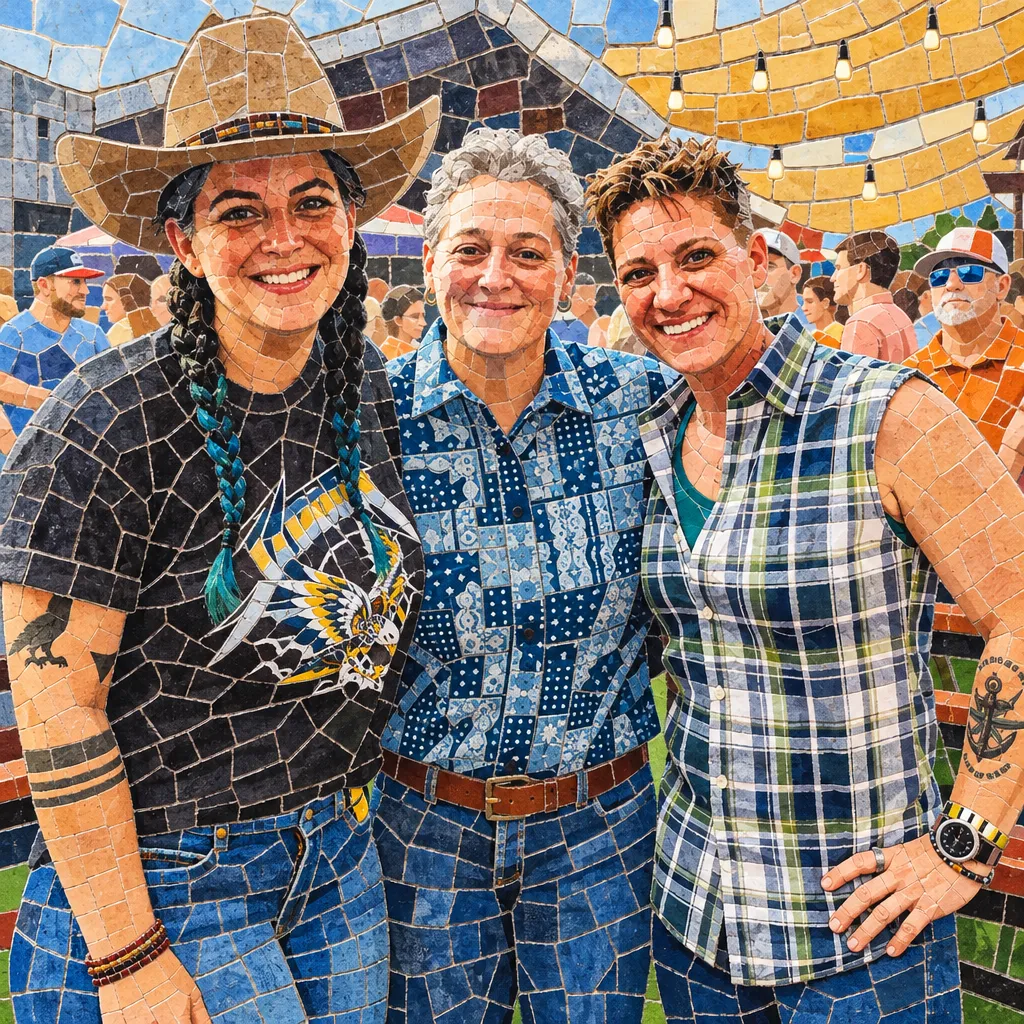
Queer country is a contemporary movement within country and Americana that centers LGBTQ+ voices, stories, and aesthetics while keeping strong ties to classic country songwriting, instrumentation, and vocal styles. Musically, it often draws from traditional country, outlaw country, honky-tonk, and folk-country, but its defining feature is lyrical perspective: songs about queer love, gender expression, chosen family, rural/working-class life, and the tension between tradition and belonging. Rather than being a single fixed sound, queer country is best understood as a scene and cultural re-framing of country music—one that challenges the genre’s historic heteronormativity while celebrating its narrative power and community roots.
Discover
Listen
Retro Pop
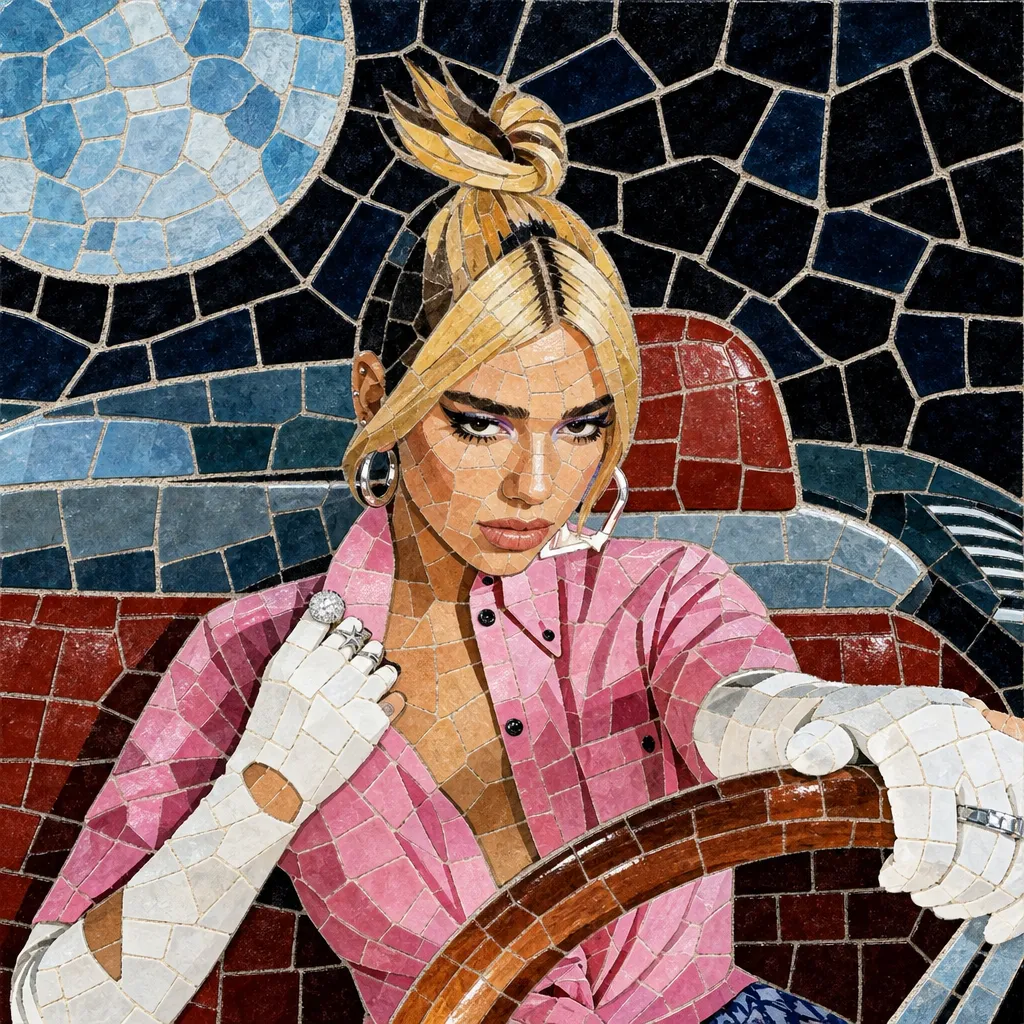
Retro pop is contemporary pop music that deliberately evokes the sound, songwriting, and studio aesthetics of earlier eras—most commonly the late 1970s and 1980s, but also the 1960s girl‑group era, 1970s disco, soft rock, and early 1990s pop-R&B. Hallmarks include analog-leaning synth textures, danceable four-on-the-floor or funky backbeats, prominent basslines, glossy chorus-heavy guitars, gated-reverb drums, stacked background vocals, and big, unforgettable hooks. While its palette looks backward, retro pop uses modern production workflows—tight low-end, streaming-friendly loudness, and contemporary vocal processing—so it feels nostalgic yet current. Lyrically, retro pop often pairs timeless pop themes (romance, yearning, nightlife, bittersweet memories) with sleek, neon-tinged imagery and cinematic nostalgia, bridging classic pop sensibilities with today’s chart expectations.
Discover
Listen
The Wave
The Wave is a loosely defined cluster of American post-hardcore/emo bands that surged in the early 2010s as emo-pop’s mainstream moment faded. The name was a tongue‑in‑cheek scene tag that stuck in press coverage, but it points to a real overlap in sound, ethos, and touring networks. Musically, The Wave fuses the urgency of 1990s post‑hardcore and screamo with confessional, literate lyric writing associated with emo. Expect shouted or half‑sung/half‑spoken vocals, dynamic quiet‑loud builds, intricate but driving drums, and guitar textures that shift between glassy clean arpeggios and overdriven, emotive climaxes. The songs often emphasize catharsis, narrative detail, and community-minded DIY presentation.
Discover
Listen
Chicago Bop
Chicago bop is a buoyant, dance-driven offshoot of Chicago drill that emerged in the early 2010s. Where drill is dark and menacing, bop flips the script with upbeat tempos, bright synth melodies, and heavy Auto-Tune, encouraging party atmospheres and dance challenges. The style typically blends trap drum programming (808 kicks, fast hi-hat rolls, crisp claps) with sugary, bell-like or plucked synth leads and playful sing-rap flows. Lyrics lean toward fun, flexing, neighborhood slang, and dance instructions rather than street narratives, and the music is closely tied to the local “bop” dance movement that went viral on social media.
Discover
Listen
Channel Pop
Channel pop is a digital-era strain of mainstream pop shaped by video and creator platforms—especially YouTube and later TikTok and Instagram—where artists build audiences through frequent uploads on their own “channels.” Musically it favors intimate, highly polished but close-mic’d vocals, acoustic guitar or piano-led arrangements, restrained beats, and succinct, playlist-friendly structures. Many releases are cover-first (reimagining recent chart hits) with a steady flow of glossy singles, session-style performances, and creator collaborations that gradually blend into original material. Titles, artwork, and release cadence are optimized for search and recommendation algorithms, yielding a sound that is simultaneously personal and platform-aware.
Discover
Listen
Connecticut Indie
Connecticut indie is a regional strain of U.S. indie rock that blends the heartfelt directness of emo-revival with the fuzzy guitars, DIY ethics, and adventurous textures of New England’s underground. Rooted in college-town and small-city scenes (Middletown, New Haven, Willimantic, Hartford), the sound swings between twinkly, lyrically confessional indie and louder, shoegaze- or noise-tinged guitar rock. You’ll hear gang-vocal catharsis, transparent production that favors live-room energy, and occasional orchestral or synth flourishes that reflect the area’s art-school and experimental leanings. While it is geographically defined, the micro-scene’s bands networked nationally through house shows, small labels, and online communities, making Connecticut indie both locally grounded and widely connected.
Discover
Listen
Country Road
Country road is a contemporary, radio‑friendly country style optimized for highway listening. It blends modern country pop sheen with heartland rock drive and soft‑rock smoothness, centering warm electric and acoustic guitars, steady backbeats, and sing‑along choruses. Lyrically it leans on story‑telling and snapshot imagery—open roads, small towns, relationships, personal resolve—delivered in a conversational tone. The feel is mid‑tempo, comforting, and panoramic, designed for cruising and easy repeat play.
Discover
Listen
Cover Acustico
“Cover acústico” (Spanish/Portuguese for “acoustic cover”) refers to intimate, stripped‑down reinterpretations of existing songs performed primarily with acoustic instruments—most often voice with guitar or piano, sometimes light percussion (cajón, brushes) and close‑miked harmonies. On streaming services and digital stores catering to Iberian and Latin American audiences, the label appears explicitly in titles and artist metadata (e.g., singles or albums tagged “cover acústico”), reflecting a cataloging convention for acoustic versions of well‑known repertoire.
Discover
Listen
New Americana
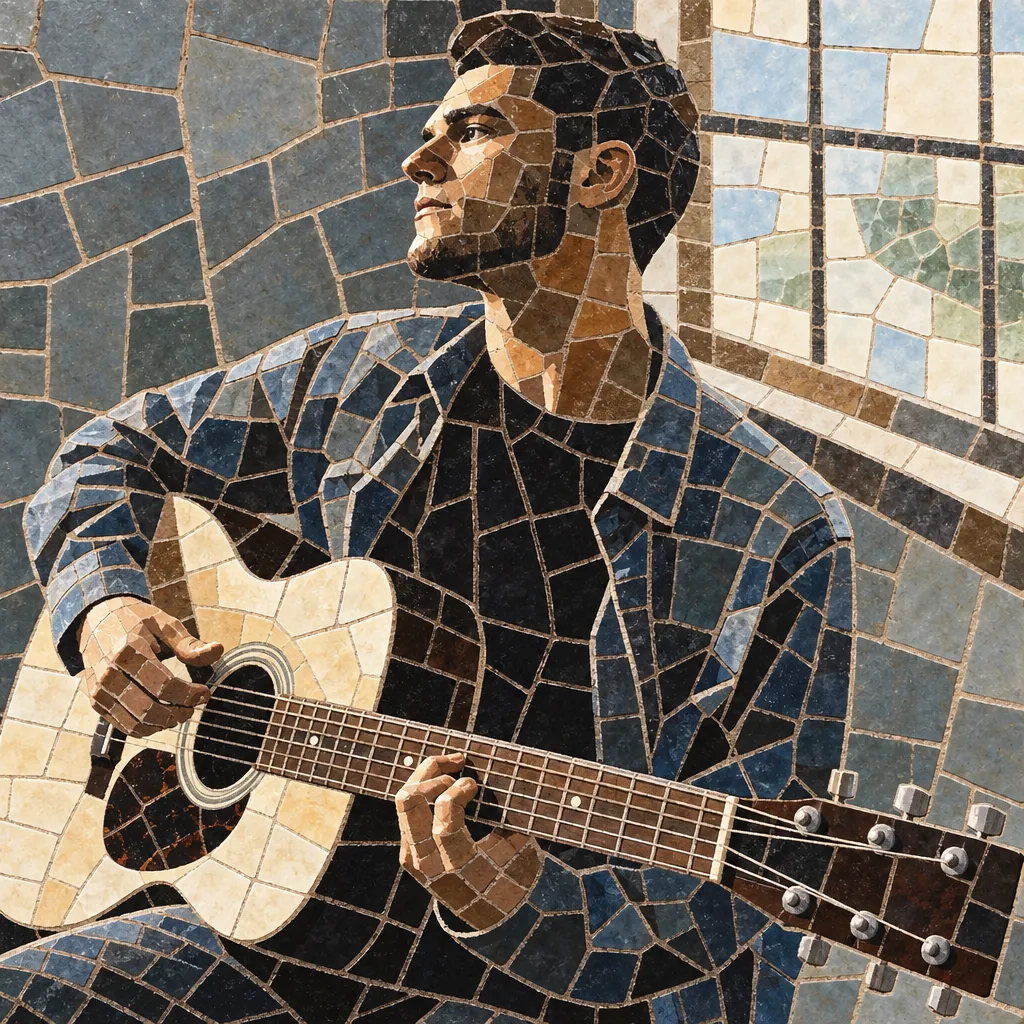
New Americana is a 2010s wave of roots-informed indie that blends the songwriting and instrumentation of classic Americana with the hooks and production polish of contemporary pop and alternative rock. It typically features acoustic guitars, banjo or mandolin accents, warm vocal harmonies, and organic percussion, while also embracing modern elements like atmospheric pads, tasteful compression, and stadium-ready choruses. Lyrically, it favors intimate storytelling about place, identity, love, and resilience, often delivered with an earnest, nostalgic tone that balances hope with a soft melancholy. What distinguishes New Americana from classic Americana and 1990s alt-country is its streaming-era sheen, crossover sensibility, and a tendency to fuse roots textures with indie pop structures and festival-sized dynamics.
Discover
Listen
Southern Americana
Southern Americana is a regional strain of Americana rooted in the musical vernacular of the U.S. South. It blends songwriting-first aesthetics with the organic textures of country, folk, and blues, and the swagger of Southern rock. Typical recordings feature warm, lived‑in tones: Telecasters and acoustic guitars alongside pedal steel, Hammond organ, fiddle, mandolin, and harmony vocals. Lyrically it is grounded in place—small towns, highways, kudzu, pine line horizons—and in the South’s complicated histories of faith, work, love, and loss. The groove ranges from back‑porch shuffles and waltzes to swampy, slow‑burn rhythms, keeping the focus on stories and melody rather than studio gloss.
Discover
Listen
Americana
Americana is a contemporary umbrella term for U.S. roots music that blends folk, country, blues, bluegrass, gospel, and roots rock into a songwriter-centered, largely acoustic-leaning sound. Hallmarks include story-driven lyrics; warm, organic production; and traditional instrumentation such as acoustic guitar, mandolin, banjo, fiddle, harmonica, pedal steel, upright or electric bass, and restrained drums. Rhythms often draw on the train beat, shuffles, two-step, waltz time, and relaxed backbeats. Harmonically it favors diatonic progressions (I–IV–V, I–vi–IV–V), modal tinges (Mixolydian), and close vocal harmonies. Rather than a rigid style, Americana functions as a bridge among related roots traditions, emphasizing authenticity, regional imagery, and narrative songwriting over genre flashiness.
Discover
Listen
Alternative Rock
Alternative rock is a broad umbrella for guitar-based rock that emerged from the independent and college-radio scenes as a counterpoint to mainstream, commercial rock. It blends the energy and ethos of punk with the textural and songwriting experiments of post-punk, new wave, jangle pop, and noise rock, often foregrounding introspective or socially aware lyrics. Across its many strains—from the melodic minimalism of college rock to the loud-quiet-loud dynamics of grunge and the artful experimentation of Radiohead-era modernism—alternative rock prioritizes authenticity, sonic individuality, and a do-it-yourself approach. Its sound ranges from chiming, chorus-laden clean guitars to abrasive distortion and feedback, supported by straightforward rock rhythms or off-kilter grooves, and production that can be either raw and live-sounding or polished yet unconventional.
Discover
Listen
Pop
Pop is a broad, hook-driven style of popular music designed for wide appeal. It emphasizes memorable melodies, concise song structures, polished vocals, and production intended for radio, charts, and mass media. While pop continually absorbs elements from other styles, its core remains singable choruses, accessible harmonies, and rhythmic clarity. Typical forms include verse–pre-chorus–chorus, frequent use of bridges and middle-eights, and ear-catching intros and outros. Pop is not defined by a single instrumentation. It flexibly incorporates acoustic and electric instruments, drum machines, synthesizers, and increasingly digital production techniques, always in service of the song and the hook.
Discover
Listen
Rock
Rock is a broad family of popular music centered on amplified instruments, a strong backbeat, and song forms that foreground riffs, choruses, and anthemic hooks. Emerging from mid‑20th‑century American styles like rhythm & blues, country, and gospel-inflected rock and roll, rock quickly expanded in scope—absorbing folk, blues, and psychedelic ideas—while shaping global youth culture. Core sonic markers include electric guitar (often overdriven), electric bass, drum kit emphasizing beats 2 and 4, and emotive lead vocals. Rock songs commonly use verse–chorus structures, blues-derived harmony, and memorable melodic motifs, ranging from intimate ballads to high‑energy, stadium‑sized performances.
Discover
Listen
Show all 17 genres
Albums
2026
Pick You Up
Sheryl Crow
Lilith
2025
1
/5
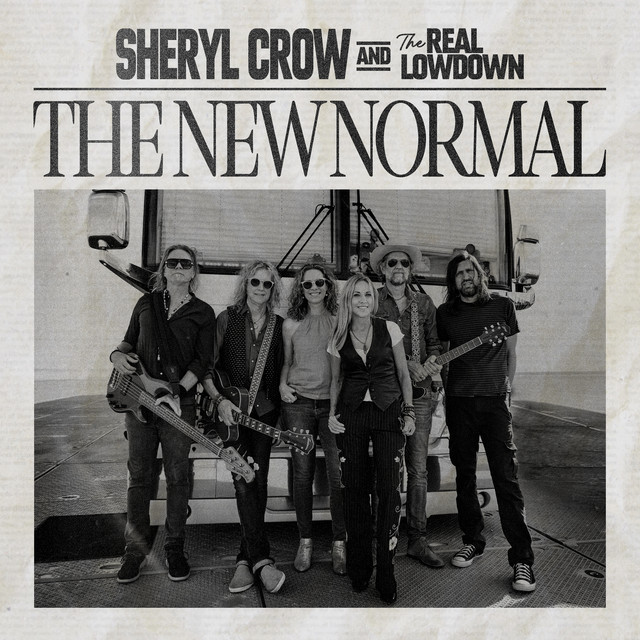
The New Normal
Sheryl Crow
Lilith
2003
3
/5
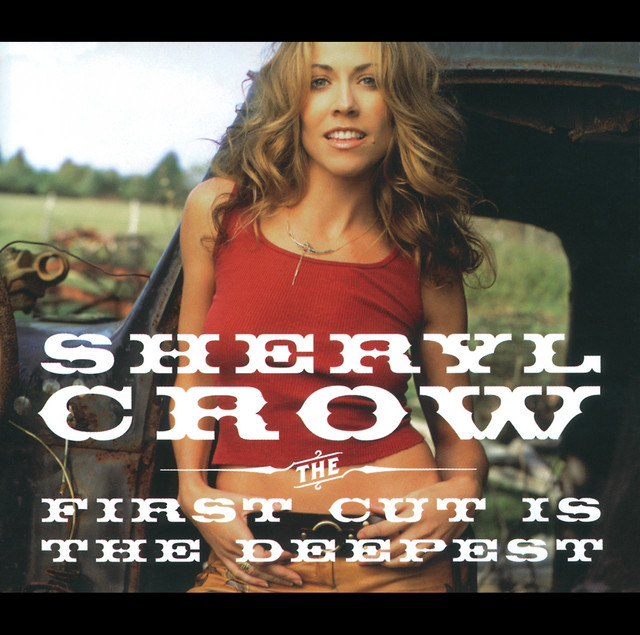
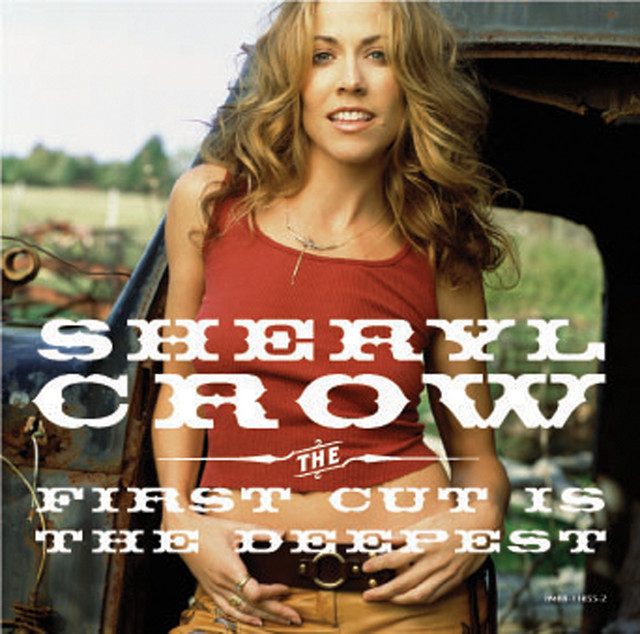
The First Cut Is The Deepest
Sheryl Crow
Lilith
2003
3
/5
The First Cut Is The Deepest
Sheryl Crow
Lilith
Similar artists
4
/5
Alanis Morissette
Pop Rock
Singer-Songwriter
Lilith
4
/5
Sinéad O'Connor
Lilith
Alternative Rock
Chill Pop
4
/5
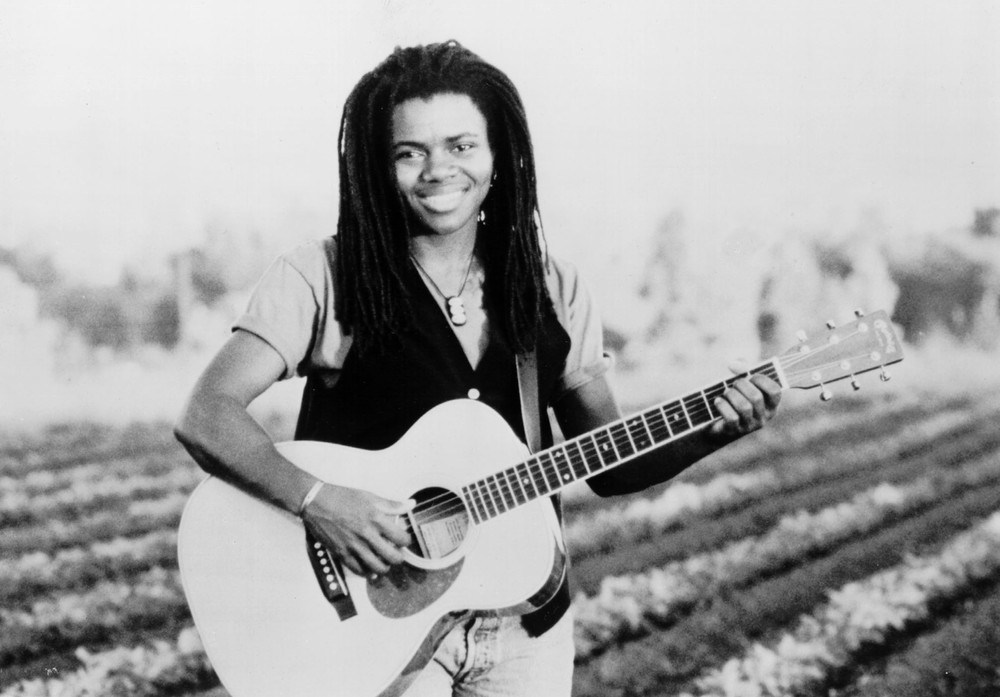
Tracy Chapman
Folk
Lilith
Chill Pop
5
/5
Maroon 5
Pop
Pop Rock
Alternative Rock
5
/5
Post Malone
Melodic Rap
Hip Hop
Pop
5
/5
P!nk
Dance-Pop
Pop
Pop Rock
5
/5
Halsey
Etherpop
Electropop
Indie Poptimism
4
/5
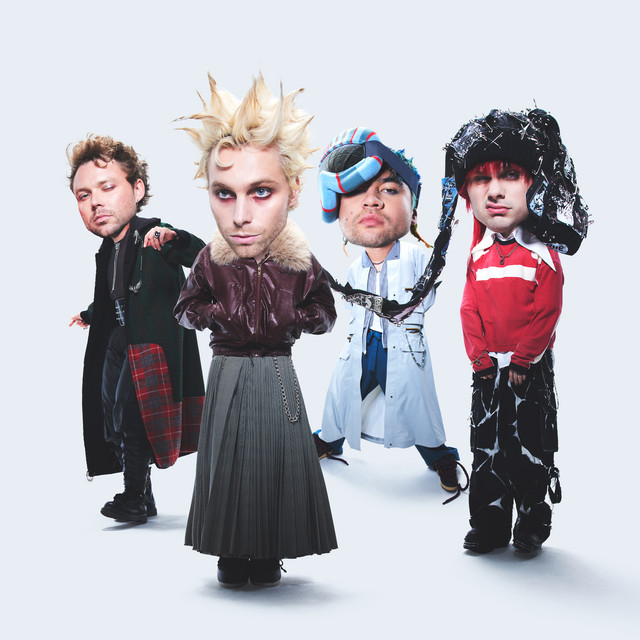
5 Seconds of Summer
Boy Band
Pop
Rock
4
/5
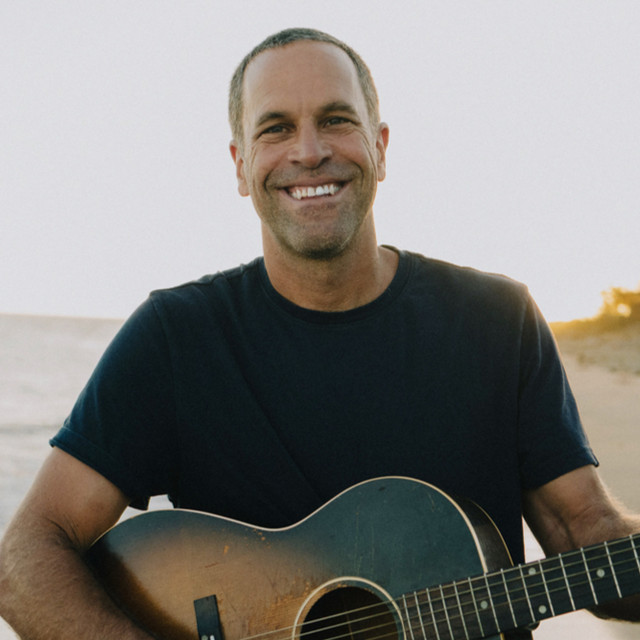
Jack Johnson
Rock
Surf Rock
Pop
4
/5
Elle King
Boyfriend Country
Chill Pop
Covertronica
Download our mobile app
Get the Melodigging app and start digging for new genres on the go
Download on the App Store
Get it on Google Play
© 2026 Melodigging
Give feedback
Legal
Melodding was created as a tribute to
Every Noise at Once
, which inspired us to help curious minds keep digging into music's ever-evolving genres.