Genres
Artists
Albums
Make Music
Sign in
Sign in
Artists
Maloya
Artists
Maloya
Shebeshxt
2023–2025
·
8 albums
Listen
3
/5
Genres
3-Step
3-step is a contemporary club style built around a distinctive three‑kick‑drum pattern per bar instead of the traditional four‑on‑the‑floor. It blends the supple log‑drum bass and patient, rolling pace of Amapiano with the syncopated, jazz‑inflected looseness of UK Broken Beat. The result is relaxed, free‑form and playful, with a subtly swung feel, airy Rhodes‑style chords and nimble percussion that invite head‑nodding as much as dancing.
Discover
Listen
Afropiano
Afropiano is a contemporary fusion that marries the songwriting, vocal phrasing, and rhythmic sensibilities of West African Afrobeats with the deep, percussive textures of South Africa’s Amapiano. It retains Amapiano’s signature log drum bass, shaker-led swing, and soulful pads, while adopting Afrobeats’ catchy hooks, call-and-response choruses, and concise, radio-friendly structures. The result is a warm, dance-floor-oriented sound with mid-tempo grooves, plush jazz/house harmonies, and lyrics that often blend English, Nigerian Pidgin, and local languages.
Discover
Listen
Gqom
Gqom is a minimalist, hard-edged club music from Durban, South Africa, built around pounding kicks, syncopated toms, and sparse, looped vocal chants. It favors tension and release over melodic development, using stark, percussive motifs and dramatic breakdowns to create a hypnotic, physically compelling groove. Typically sitting around 120–130 BPM, gqom departs from straight four-on-the-floor house patterns, embracing broken-beat structures, off-grid fills, and sudden dropouts. The sound palette leans dark and industrial—heavy sub-bass, metallic hits, claps, whistles, crowd shouts, and found sounds—while harmony is minimal or absent, keeping the focus on rhythm and texture.
Discover
Listen
Bolobedu House
Bolobedu House (often referred to simply as 'Bolo House') is a vibrant and energetic subgenre of South African house music that originated in the Limpopo province. It is characterized by its distinct fusion of modern electronic production with traditional Khelobedu folk rhythms and melodies. The genre is famous for its high-tempo beats (often ranging from 115 to 125 BPM or faster), aggressive and often distorted synth leads, and the heavy use of pitch-bending effects. Vocals are typically delivered in the Khelobedu dialect of Northern Sotho, often utilizing auto-tune and call-and-response structures that narrate social commentary, humorous stories, or romantic tales.
Discover
Listen
Sepedi Pop
Sepedi pop is contemporary popular music sung primarily in Sepedi (Northern Sotho), centered in South Africa’s Limpopo and Gauteng provinces. It blends the dance-floor aesthetics of house and kwaito with wedding-party (manyalo) vocal traditions, call-and-response hooks, and lyrical storytelling about love, family, and everyday life. Production commonly features catchy synth leads, bright chord stabs, handclaps, whistles, and prominent electronic percussion, while tempos range from mid- to uptempo dance grooves. In the 2020s, many tracks also absorb amapiano traits (log-drum bass, spacious pads) without losing Sepedi vocal identity.
Discover
Listen
Private School Piano
Private school piano is a contemporary pop microstyle centered on piano-led singer‑songwriter ballads and mid‑tempo anthems with polished, conservatory‑adjacent playing and intimate, emotive vocals. The style emphasizes clear, melodic right‑hand figures, broken‑chord patterns, and dynamic swells that bloom into cinematic choruses. Production is spacious and pristine—close‑miked piano, tasteful reverb, light percussion, and occasional strings—supporting lyrical themes of romance, self‑reflection, and coming‑of‑age. While its roots draw from earlier piano rock and adult contemporary balladry, its aesthetic became especially associated with UK artists who emerged in the streaming era and often trained in formal or high‑quality music programs.
Discover
Listen
Maloya
Maloya is a drum-and-voice–driven music and dance tradition from Réunion Island in the Indian Ocean. It emerged among enslaved Malagasy and East African peoples on sugar plantations and later among indentured laborers, becoming a vehicle for memory, ritual, and resistance. Its sound centers on earthy percussion (notably the deep, barrel-like roulèr drum and the grain-filled kayamb shaker), call-and-response singing in Réunion Creole, and trance-inducing, cyclical rhythms. Melodies tend to be modal and harmonically sparse, with the groove and collective chant taking precedence over chord changes. Beyond the village and ritual context (such as the syncretic servis kabaré ceremonies), maloya became a modern emblem of Réunion identity and political expression. In 2009, UNESCO inscribed maloya on the Representative List of the Intangible Cultural Heritage of Humanity.
Discover
Listen
Show all 7 genres
Albums
2025
2
/5
Roller Dice
Shebeshxt
Maloya
Gqom
3-Step
2024
2
/5
Security Laka
Shebeshxt
Maloya
2024
2
/5
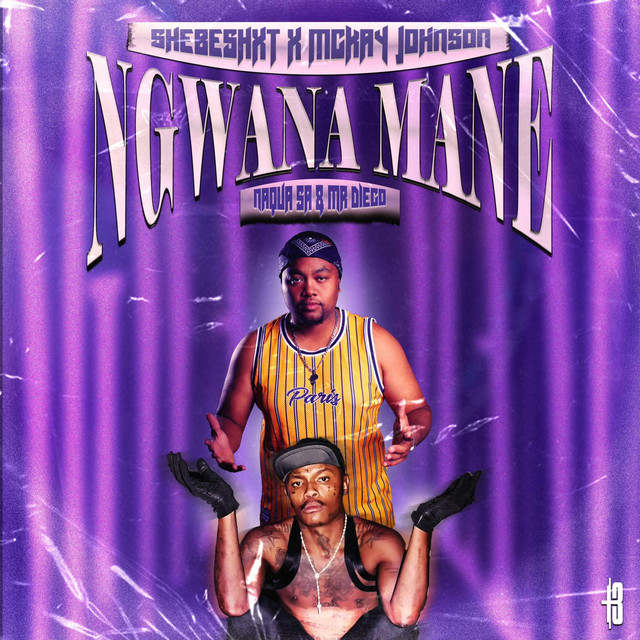
Ngwana Mane
Shebeshxt
Maloya
3-Step
Gqom
2024
2
/5
Motliseni Patleni
Shebeshxt
Maloya
2023
2
/5
No Wahala
Shebeshxt
Maloya
2023
3
/5
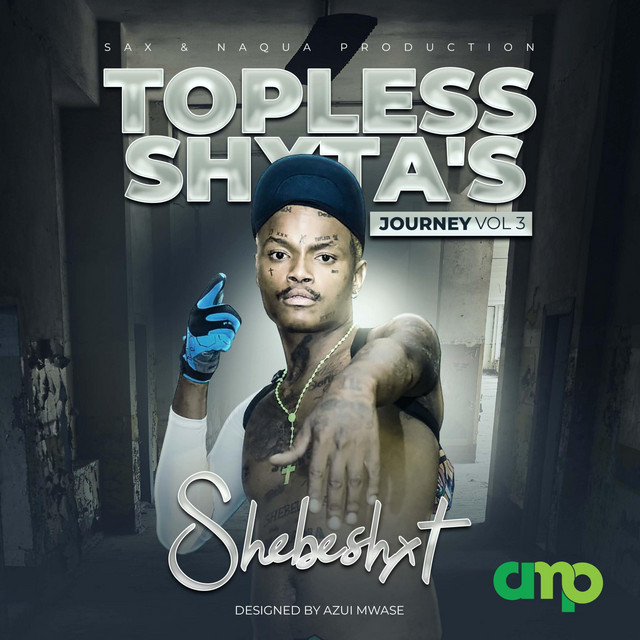
Topless Shxta's Journey, Vol. 3
Shebeshxt
Maloya
2023
2
/5
ToplessN#ggah Anthem
Shebeshxt
Maloya
Gqom
3-Step
2023
2
/5
Re Bina S'kompo
Shebeshxt
Maloya
Similar artists
3
/5
King Monada
Bolobedu House
Sepedi Pop
Gqom
4
/5
Kelvin Momo
Amapiano
Private School Piano
3-Step
3
/5
Rea Gopane
Private School Piano
3-Step
Gqom
3
/5
Bukzin Keyz
Amapiano
3-Step
Gqom
3
/5
Samthing Soweto
Amapiano
Gqom
Private School Piano
2
/5
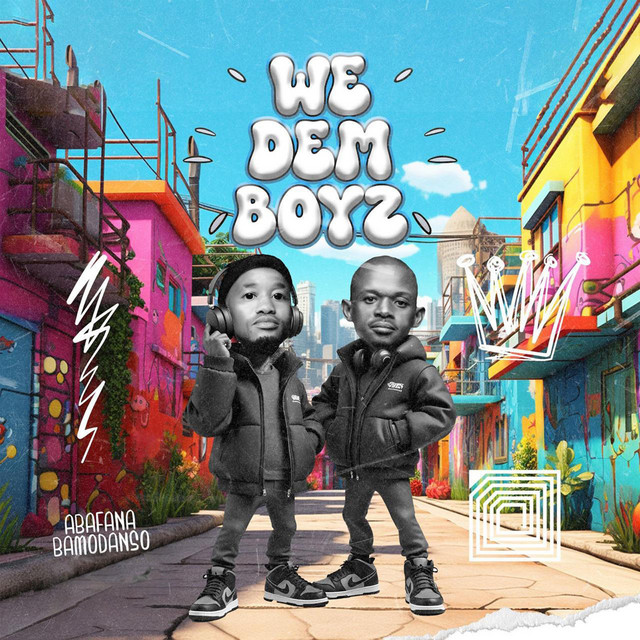
We Dem Boyz
3-Step
Ndombolo
Gqom
4
/5
Dlala Thukzin
Afro House
3-Step
Gqom
4
/5
Babalwa M
Private School Piano
3-Step
Gqom
3
/5
Issa sisdoh
3-Step
Private School Piano
Gqom
3
/5
Heavy-K
Kwaito
3-Step
Afro House
Download our mobile app
Get the Melodigging app and start digging for new genres on the go
Download on the App Store
Get it on Google Play
© 2026 Melodigging
Give feedback
Legal
Melodding was created as a tribute to
Every Noise at Once
, which inspired us to help curious minds keep digging into music's ever-evolving genres.