Genres
Artists
Albums
Make Music
Sign in
Sign in
Artists
French Pop
Artists
French Pop
Serge Gainsbourg
1961–1976
·
9 albums
Listen
3
/5
Genres
Trap Soul
Trap soul is a fusion of contemporary R&B singing and songwriting with the sonic palette and rhythmic feel of trap. It features moody, minor‑key harmonies; airy pads and Rhodes/piano textures; deep 808 sub‑bass with glides; and skittering hi‑hat rolls and halftime drum patterns. Vocals often blend crooning and rapping, with intimate, confessional lyrics about love, heartbreak, desire, ambition, and late‑night introspection. The production is typically spacious and minimal, prioritizing atmosphere and groove over density. Subtle Auto‑Tune, layered ad‑libs, and lush reverbs/delays are common, giving tracks a nocturnal, cinematic feel.
Discover
Listen
Artcore
Artcore is a subgenre of hardcore techno that fuses high-BPM club energy with the orchestral colors and dramatic writing of cinematic classical music. Producers combine pounding four-on-the-floor kicks, breakbeats, and modern EDM sound design with strings, piano, choirs, and sweeping harmonic progressions. The result is a maximalist, emotive style: towering builds, through-composed sections, key changes, and leitmotifs are common, while supersaw leads, reese basses, and intricate percussion keep the dancefloor intensity. The sound took shape in Japan’s doujin and rhythm-game circles, but it has since spread globally among electronic musicians who favor epic, narrative arrangements.
Discover
Listen
Organic Ambient
Organic ambient is a strain of ambient music that emphasizes natural, acoustic, and tactile timbres over purely synthetic ones. Its sound world is built from softly mic’d pianos and guitars, mallet percussion, strings, voice layers, and environmental field recordings (wind, water, birds, room tone), then gently processed with spacious reverbs, tape warmth, and subtle granular or delay treatments. Compared with classic electronic ambient, the adjective “organic” points to breath, touch, and the audible presence of rooms and spaces: creaking pedals, bow noise, finger sounds on strings, and a bed of environmental sound. Harmony tends toward consonant, slowly evolving chords; rhythm is minimal or absent; and dynamics are restrained, inviting calm, contemplation, and connection with place.
Discover
Listen
Britpop Revival
Britpop revival is a 21st‑century resurgence of the bright, catchy guitar‑based British pop/rock associated with 1990s Britpop. Bands in this style channel the melodic immediacy, sing‑along choruses and wry, everyday storytelling of classic Britpop, itself rooted in 1960s British pop and mod. The sound typically features chiming or crunchy guitars, prominent hooks, mid‑to‑up‑tempo backbeats and anthemic refrains that celebrate local identity and ordinary life. Culturally, Britpop revival leans on nostalgia for the "Cool Britannia" moment while updating production sheen and festival‑ready dynamics, often positioning itself as a lively, communal alternative to darker indie trends.
Discover
Listen
New Isolationism
New isolationism is a contemporary strain of isolationist ambient and post-industrial minimalism that emerged in the 2010s, particularly around Scandinavian experimental labels and studios. It foregrounds intimate, close-mic’d sound, negative space, and a quiet-but-present noise floor; its pieces feel both internal and architectural, like rooms built from reverb tails, tape hiss, and soft electronics. Sonically, the style blends glacial drones, fragile chamber timbres (strings, organ, piano), lo‑fi electronics, and field recordings into stark, slow-evolving tableaux. Melodic information is sparse—often only a few tones or gestures—while rhythm is either absent or reduced to distant pulses, heartbeats, or mechanical cycles. Vocals, when they appear, are murmured, diaristic, or abstracted by pitch and time manipulation. Aesthetically, new isolationism is post‑internet and diaristic: it captures solitude, memory, and dislocation with a palette that feels personal yet estranged, drawing as much from contemporary gallery sound practice as from classic dark ambient.
Discover
Listen
Pianissimo
Pianissimo is a contemporary micro‑genre centered on very soft, intimate piano music designed for calm focus, rest, and reflection. It borrows the classical dynamic marking “pp” (very soft) as an aesthetic principle: close‑miked, felt‑damped pianos, sparse harmonies, slow tempos, and generous ambience. Emerging alongside the streaming era’s focus/sleep/reading playlists, the style sits between post‑classical minimalism and ambient music. Pieces are typically short miniatures, diatonic and melodic, with unobtrusive movement—music that can live comfortably in the background yet rewards attentive listening. Occasional cello or soft strings, subtle tape hiss, and long reverbs are common textural companions. Historically it traces a line from Satie’s quiet piano idiom and the American minimalist school to the 2000s–2010s “neo‑classical” wave (Einaudi, Frahm, Arnalds), but with an explicitly hushed, domestic sound that foregrounds tenderness, space, and restraint.
Discover
Listen
French House
French house, often called the "French touch," is a sample-centric substyle of house music known for filtering and looping fragments of 1970s–1980s disco, boogie, and funk. It features a steady four-on-the-floor kick, syncopated and swung hi-hats, punchy sampled basslines, and a distinctive "pumping" feel created by heavy sidechain compression. Production commonly emphasizes warm, saturated textures and filter sweeps—automated low‑pass and high‑pass filters that open and close across loops—to create tension and release on the dancefloor. Vocoder or talkbox-tinted vocals, brief earworm hooks, and concise, groove-first arrangements are typical, with tempos usually between 120–128 BPM. The sound is closely associated with Parisian labels and crews from the mid-to-late 1990s and early 2000s, and it helped re-popularize disco aesthetics within contemporary dance music.
Discover
Listen
Piano Rock
Piano rock is a subgenre of rock in which the acoustic or electric piano is the primary lead instrument, often taking the role that electric guitar plays in most rock bands. It combines rock’s backbeat and energy with piano-centered songwriting, chordal grooves, and melodic hooks. The style ranges from high-energy, boogie-woogie–influenced rock and roll to lush, pop-leaning ballads and introspective singer‑songwriter material. Arrangements typically feature a rock rhythm section (drums and bass) supporting rhythmic left-hand figures and hook-driven right-hand motifs, with guitars and keyboards used as color rather than the central focus. Lyrically, piano rock often emphasizes storytelling, romance, nostalgia, and personal reflection, though anthemic and stadium-sized choruses are also common. Its sound world bridges the soulful harmonies of blues and gospel with the accessible craft of pop rock.
Discover
Listen
French Pop
French pop is the mainstream, melody-forward popular music sung primarily in French that blends the lyrical sophistication of chanson with the hooks, structures, and production of international pop. Its core is songcraft: memorable choruses, clear vocal presence, and arrangements that balance acoustic warmth with electronic gloss. Evolving from the 1960s yé-yé wave, the style absorbed elements of disco, new wave, synth-pop, and later electronic and hip hop production, while retaining a distinctly French sensibility in storytelling, wordplay, and romantic themes. Modern French pop ranges from intimate, soft-pop ballads to sleek electro-pop, but it remains anchored by expressive vocals and concise, radio-ready forms.
Discover
Listen
Baroque Pop
Baroque pop is a mid‑1960s fusion of contemporary pop/rock songwriting with the timbres, textures, and contrapuntal techniques of Baroque and broader European classical music. It is marked by harpsichord and piano doubling, string quartets or small orchestras, woodwinds (oboe, recorder, bassoon), French horn and piccolo trumpet colors, and melody‑forward arrangements that favor counter‑melodies and suspensions over riff‑based accompaniment. Harmonies tend to be richer than standard rock, with chromatic voice‑leading, circle‑of‑fifths motion, deceptive cadences, and occasional modulations. Production is usually lush and reverberant, supporting reflective, often nostalgic or romantic lyrics. Although it overlaps with orchestral pop and psychedelic pop, baroque pop is distinguished by its chamber‑scale instrumentation, Baroque idioms (basso continuo feel, ornamented lines), and the way classical elements are woven into compact pop song forms.
Discover
Listen
Pop Rock
Pop rock blends the hook-focused immediacy of pop with the instrumentation and drive of rock. It prioritizes catchy melodies, concise song structures, and polished production while retaining guitars, bass, and drums as core elements. Typical pop rock tracks use verse–pre-chorus–chorus forms, strong vocal harmonies, and memorable riffs. The sound ranges from jangly and bright to mildly overdriven and arena-ready, aiming for radio-friendly appeal without abandoning rock’s rhythmic punch.
Discover
Listen
Reggae
Reggae is a popular music genre from Jamaica characterized by a laid-back, syncopated groove, prominent bass lines, and steady offbeat “skank” guitar or keyboard chords. The rhythmic core often emphasizes the third beat in a bar (the “one drop”), creating a spacious, rolling feel that foregrounds bass and drums. Typical instrumentation includes drum kit, electric bass, rhythm and lead guitars, keyboards/organ (notably the Hammond and the percussive "bubble"), and often horn sections. Tempos generally sit around 70–80 BPM (or 140–160 BPM felt in half-time), allowing vocals to breathe and messages to be clearly delivered. Lyrically, reggae ranges from love songs and everyday storytelling to incisive social commentary, resistance, and spirituality, with Rastafarian culture and language (e.g., “I and I”) playing a central role in many classic recordings. Studio production techniques—spring reverbs, tape delays, and creative mixing—became signature elements, especially through dub versions that strip down and reimagine tracks.
Discover
Listen
Rock
Rock is a broad family of popular music centered on amplified instruments, a strong backbeat, and song forms that foreground riffs, choruses, and anthemic hooks. Emerging from mid‑20th‑century American styles like rhythm & blues, country, and gospel-inflected rock and roll, rock quickly expanded in scope—absorbing folk, blues, and psychedelic ideas—while shaping global youth culture. Core sonic markers include electric guitar (often overdriven), electric bass, drum kit emphasizing beats 2 and 4, and emotive lead vocals. Rock songs commonly use verse–chorus structures, blues-derived harmony, and memorable melodic motifs, ranging from intimate ballads to high‑energy, stadium‑sized performances.
Discover
Listen
Chanson À Texte
Chanson à texte is a French singer–songwriter tradition in which the lyrics are the primary focus and are treated as refined, often literary texts. Songs privilege carefully crafted storytelling, poetic imagery, and social or existential reflection over vocal showmanship. Musically, arrangements range from intimate voice-and-guitar or piano settings to lush orchestral backdrops drawn from cabaret and jazz idioms. Melodies follow the prosody of the words, diction is crystal-clear, and phrasing is expressive, allowing nuance and irony to come through. The overall effect is intimate, conversational, and highly narrative.
Discover
Listen
Lounge
Lounge music is a style of easy listening designed to evoke a sense of place and atmosphere—tropical islands, jungles, elegant cocktail bars, or even outer space. It prizes a chilled, urbane mood achieved through light instrumentation, lush arrangements, and crooning or wordless vocals. Rooted in earlier light music and crooner traditions, classic lounge blossomed in the 1950s and 1960s alongside hi‑fi and stereo “space age” culture. It draws from Dixieland and small‑combo jazz, Latin dance rhythms (mambo, cha‑cha, bossa inflections), novelty/gimmick songs, and occasional experimental studio techniques. The spectrum ranges from exotica and beautiful‑music instrumentals to suave, jazzy vocal numbers—and in modern eras, it can intersect with downtempo and electronica while keeping its retro, escapist ambiance.
Discover
Listen
Pop
Pop is a broad, hook-driven style of popular music designed for wide appeal. It emphasizes memorable melodies, concise song structures, polished vocals, and production intended for radio, charts, and mass media. While pop continually absorbs elements from other styles, its core remains singable choruses, accessible harmonies, and rhythmic clarity. Typical forms include verse–pre-chorus–chorus, frequent use of bridges and middle-eights, and ear-catching intros and outros. Pop is not defined by a single instrumentation. It flexibly incorporates acoustic and electric instruments, drum machines, synthesizers, and increasingly digital production techniques, always in service of the song and the hook.
Discover
Listen
Chanson Française
Chanson française is a lyric-centered French song tradition in which the expressiveness, prosody, and storytelling of the French language take priority over virtuosic vocal display. Melodies tend to be memorable yet restrained, arranged to support the text rather than overshadow it. Historically linked to Parisian cabarets, music halls, and the café-concert circuit, the style embraces topics ranging from love and everyday life to social satire and political commentary. Typical accompaniments include guitar, accordion, piano, and small orchestras, with arrangements that can range from intimate to lush. Performance is as much about interpretation and diction as it is about singing, often favoring conversational phrasing and dramatic nuance.
Discover
Listen
French Jazz
French jazz is the French branch of jazz that took root in Paris and other urban centers after World War I, when African American musicians and touring bands introduced the music to a receptive café and cabaret culture. It blends American jazz idioms with French musical sensibilities, notably chanson, musette waltzes, and a refined classical ear for color and melody. Its sound ranges from the acoustic swing of the 1930s Hot Club style (guitar- and violin-led ensembles) to postwar bebop, cool and modal currents, free improvisation, and later fusions with chanson and electronic music. Hallmarks include lyrical, song-like themes, supple swing feels, elegant harmonic voicings, and, in some strands, the distinctive "la pompe" rhythm of manouche guitar and the timbre of accordion and violin. Today, French jazz encompasses both traditional and forward-looking approaches: intimate acoustic combos, orchestral and filmic jazz, and hybrid forms that intersect with nu jazz, electro-swing, and contemporary European improvisation.
Discover
Listen
Jazz
Jazz is an improvisation-centered music tradition that emerged from African American communities in the early 20th century. It blends blues feeling, ragtime syncopation, European harmonic practice, and brass band instrumentation into a flexible, conversational art. Defining features include swing rhythm (a triplet-based pulse), call-and-response phrasing, blue notes, and extended harmonies built on 7ths, 9ths, 11ths, and 13ths. Jazz is as much a way of making music—spontaneous interaction, variation, and personal sound—as it is a set of forms and tunes. Across its history, jazz has continually hybridized, from New Orleans ensembles and big-band swing to bebop, cool and hard bop, modal and free jazz, fusion, and contemporary cross-genre experiments. Its influence permeates global popular and art music.
Discover
Listen
Electronic
Electronic is a broad umbrella genre defined by the primary use of electronically generated or electronically processed sound. It encompasses music made with synthesizers, drum machines, samplers, computers, and studio/tape techniques, as well as electroacoustic manipulation of recorded or synthetic sources. The genre ranges from academic and experimental traditions to popular and dance-oriented forms. While its sonic palette is rooted in electricity and circuitry, its aesthetics span minimal and textural explorations, structured song forms, and beat-driven club permutations. Electronic emphasizes sound design, timbre, and studio-as-instrument practices as much as melody and harmony.
Discover
Listen
Show all 20 genres
Albums
1976
2
/5
"L'homme à tête de chou"
Serge Gainsbourg
French Pop
Electronic
Lounge
1973
3
/5
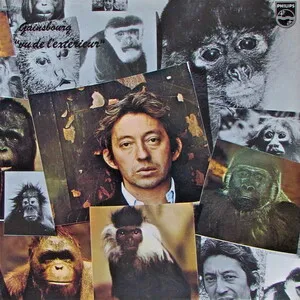
Vu de l'extérieur
Serge Gainsbourg
French Pop
Piano Rock
1971
1
/5
Histoire de Melody Nelson
Serge Gainsbourg
French Pop
1969
3
/5
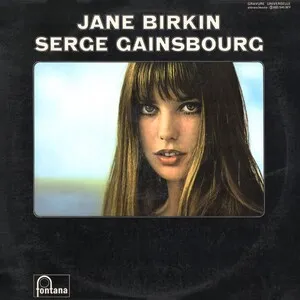
Jane Birkin et Serge Gainsbourg
Jane Birkin / Serge Gainsbourg
French Pop
1968
3
/5
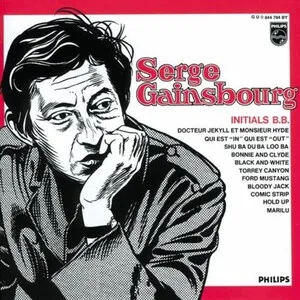
Initials B.B.
Serge Gainsbourg
French Pop
Baroque Pop
Pop
1964
3
/5
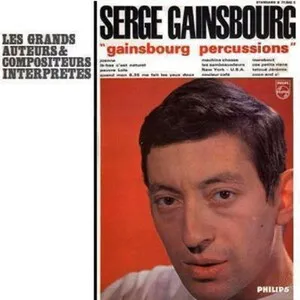
"Gainsbourg percussions"
Serge Gainsbourg
French Pop
1963
2
/5
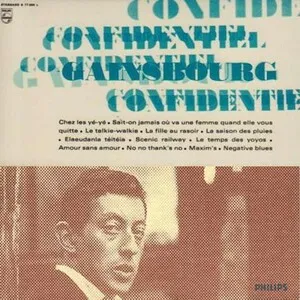
Confidentiel
Serge Gainsbourg
Chanson À Texte
1962
3
/5
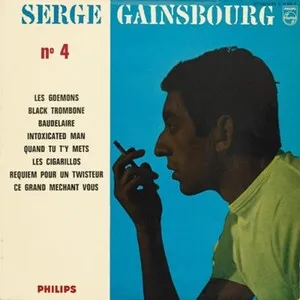
N°4
Serge Gainsbourg
Chanson À Texte
1961
3
/5
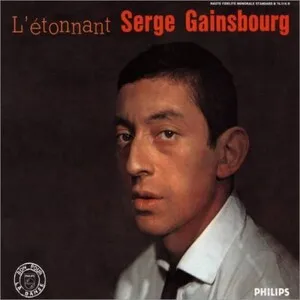
L'étonnant Serge Gainsbourg
Serge Gainsbourg
Chanson À Texte
Similar artists
3
/5
Jacques Dutronc
French Pop
Chanson Française
French House
4
/5
France Gall
Yé-Yé
French Pop
Pop
2
/5
Dominique A
Chanson Française
Nouvelle Chanson Française
French Pop
3
/5
Étienne Daho
French House
French Pop
Chanson Française
3
/5
Georges Brassens
Chanson À Texte
Chanson Française
French House
3
/5
Alain Bashung
Nouvelle Chanson Française
Chanson Française
Chill Pop
4
/5
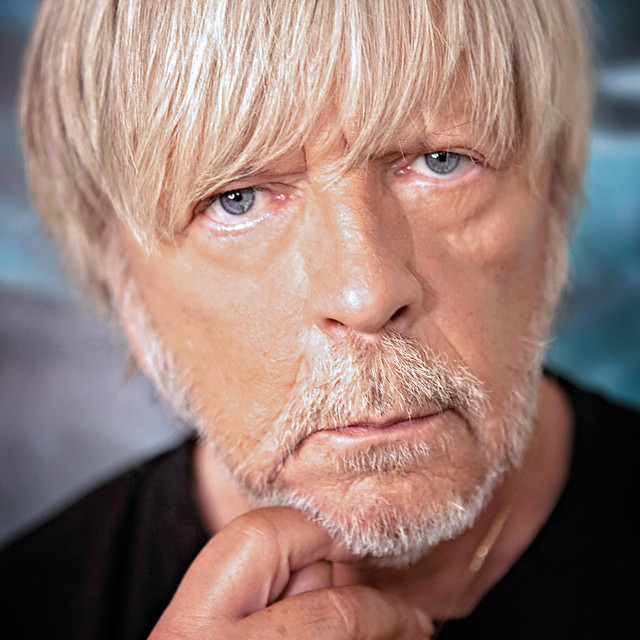
Renaud
Chanson Française
Chill Pop
French House
3
/5
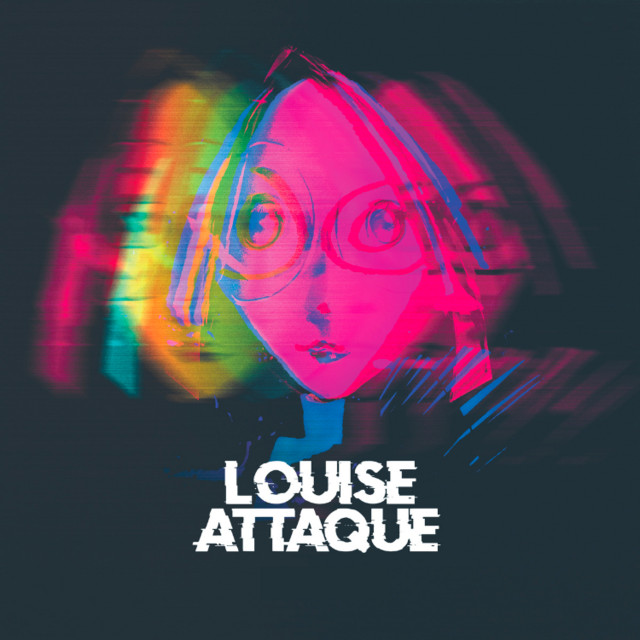
Louise Attaque
Chanson Française
Chill Pop
French House
3
/5
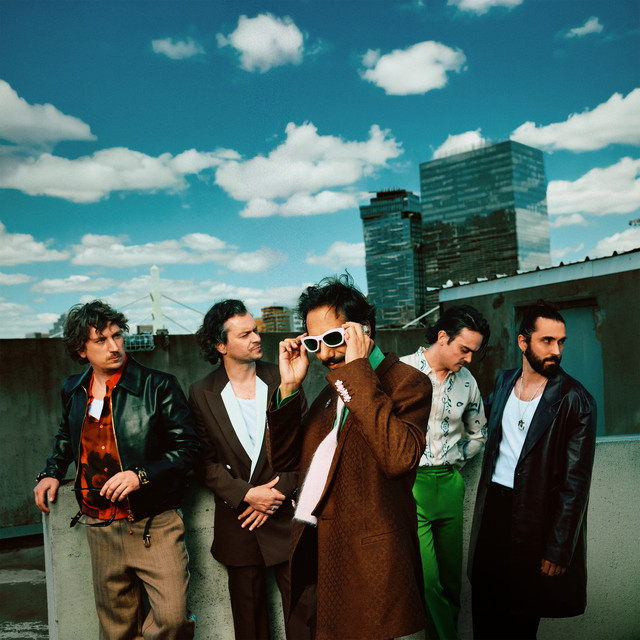
Feu! Chatterton
French House
French Indie Pop
Chanson Française
3
/5
Eddy Mitchell
Chanson Française
Chill Pop
French House
Download our mobile app
Get the Melodigging app and start digging for new genres on the go
Download on the App Store
Get it on Google Play
© 2026 Melodigging
Give feedback
Legal
Melodding was created as a tribute to
Every Noise at Once
, which inspired us to help curious minds keep digging into music's ever-evolving genres.