Genres
Artists
Albums
Make Music
Sign in
Sign in
Artists
Footwork
Artists
Footwork
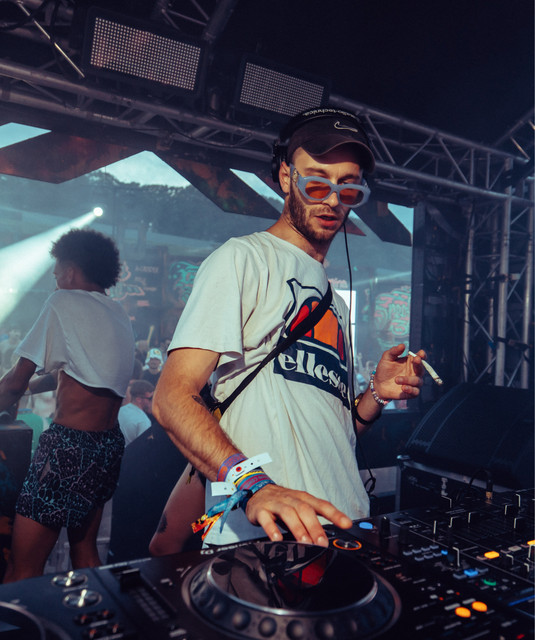
Sam Binga
2015
·
1 album
Listen
2
/5
Genres
Drumstep
Drumstep is a hybrid of drum and bass and dubstep that keeps the high energy and bass design of dubstep while adopting the tempo and rhythmic vocabulary of drum and bass. Typically written around 170–176 BPM but felt in halftime, drumstep places the snare on beat 3, creating a loping, head-nodding feel while preserving the pace and tension of fast DnB. Sound design favors aggressive midrange basses (reese variations, growls, wubs), heavy sub-bass, crisp snares, and densely syncopated hi-hats and percussion. In DJ contexts, drumstep bridges 140 BPM dubstep and 174 BPM drum and bass, allowing seamless genre-switching within high-energy sets. It’s punchy, festival-ready, and often minimal melodically, focusing on impact, groove, and sound design fireworks.
Discover
Listen
Modern Jungle
Modern jungle is a contemporary revival and development of early‑to‑mid 1990s jungle that combines classic breakbeat science with today’s production standards. Producers retain the genre’s signature rapid‑fire chopped breaks (most famously the Amen, Think, and Apache breaks), sub‑heavy basslines, and dubwise sample culture, but render them with cleaner low‑end, wider stereo imaging, and precise digital edits. Typically running between 160–170 BPM, modern jungle balances nostalgia for pirate‑radio energy and rave euphoria with forward‑looking ideas. It freely borrows from footwork and juke’s 160 BPM momentum, folds in dub and dancehall vocal snippets, and often pairs rugged drums with dreamy pads or ambient textures. The result is music that can feel both vintage and futuristic—raw, rolling, and eminently dance‑focused, yet detailed enough for close headphone listening.
Discover
Listen
Halftime
Halftime is a bass‑music subgenre built around drum and bass’ 170 BPM engine but written with a hip‑hop/trap‑like half‑time groove. Producers either write at 160–174 BPM with the snare landing on beat 3, or at 80–90 BPM and double-time the sound design and phrasing. The style emphasizes subweight, sparse but heavy drums, and intricate, neuro‑influenced sound design. It borrows the swing, swagger, and negative space of hip hop while retaining the sound-design complexity of drum and bass and dubstep. The result is a head‑nod, low‑slung feel that still translates powerfully on big systems.
Discover
Listen
Halftime Dnb
Halftime DnB is a bass-focused offshoot of drum and bass that retains DnB’s tempo (typically 170–174 BPM) but places the drums in a half-time grid, creating the feel of 85–87 BPM. The result is a spacious, head‑nod swing that blends the sound design intensity of DnB with the groove logic of hip hop and trap. Producers emphasize heavyweight sub lines, neuro-influenced bass design, and skeletal, syncopated drum patterns (kicks and 808s up front, snares landing hard on beat three). Texture and negative space are integral, with percussion details, foley, and minimal melodic fragments carrying the narrative. The style sits naturally between club systems and headphone listening, often occupying the same ecosystems as UK bass, the autonomic/leftfield DnB continuum, and the LA beat scene.
Discover
Listen
Neurostep
Neurostep is a hybrid subgenre that merges the sound‑design intensity of neurofunk drum & bass with the halftime groove and weight of dubstep. Typically sitting around 140 BPM (sometimes 150), it emphasizes intricate, constantly morphing bass timbres, razor‑edged transients, and tightly engineered drops. Compared to classic dubstep, neurostep is less about sparse wobble basses and more about complex, resampled, FM/phase‑modulated bass layers that evolve bar by bar. The drums are punchy and surgical—kicks carve through dense low‑end, snares land hard on the third beat, and ghosted percussion and glitch fills keep momentum between phrases. Its overall aesthetic is dark, technical, and cinematic: dystopian atmospheres, granular textures, and call‑and‑response bass motifs are common, while breakdowns often showcase sound‑design detail and tension before a precision‑engineered drop.
Discover
Listen
Bassline
Bassline (often called bassline house or Niche) is a UK-born, high-energy offshoot of UK garage built around a driving 4x4 kick pattern and huge, modulated sub-bass riffs. Typically sitting around 135–140 BPM, tracks use swung garage percussion, choppy R&B or pop vocal cuts, and bright organ or synth stabs, all arranged for rapid-fire, DJ-friendly drops. The signature is the wobbling, LFO-driven bassline that converses with the drums in tightly looped 8- or 16-bar phrases. Culturally, the style is rooted in northern England club culture (notably Sheffield’s Niche), with MC-led sets, quick blends, and a focus on dancefloor tension-and-release.
Discover
Listen
Uk Funky
UK funky is a London-born club style that fuses house music’s four-on-the-floor pulse with syncopated, Afro‑Caribbean percussion and a distinctly British bass sensibility. Usually sitting around 125–130 BPM, it favors swung, polyrhythmic drum patterns, rolling subs, and concise chord stabs over maximal, ravey textures. Vocals range from soulful, R&B‑leaning hooks to MC chants and call‑and‑response crowd shouts, keeping the dancefloor feel front and center. The result is a percussive, party‑focused sound that bridges house, UK garage, and African/Caribbean rhythmic DNA, while retaining DJ‑friendly structures and space for singers and MCs.
Discover
Listen
Footwork
Footwork (often called juke or Chicago juke) is a high‑velocity, sample‑driven form of electronic dance music that emerged from Chicago’s battle‑dance culture. Built around stuttering, off‑grid percussion at roughly 160 BPM, it uses chopped vocal snippets, booming sub‑bass, and rapid toms, claps, and snares arranged in highly syncopated patterns that are not locked to a constant 4/4 kick. Producers frequently slice fragments of rap, R&B, pop, and soul into call‑and‑response hooks that interact with dancers on the floor. The result is a tense, kinetic sound designed for competitive circles as much as for clubs and headphones.
Discover
Listen
Drum And Bass
Drum and bass (DnB) is a fast, rhythmically intricate form of electronic dance music centered on breakbeats at roughly 160–180 BPM and powerful, sub‑heavy basslines. It grew out of the UK’s early ’90s rave and jungle scenes, combining chopped funk breaks (most famously the Amen break), dub and reggae sound‑system aesthetics, hip‑hop sampling, and techno’s futurist sound design. Across its many substyles—liquid funk’s soulful harmonies, techstep and neurofunk’s cold, machine‑like bass engineering, jump‑up’s hooky bass riffs, atmospheric DnB’s pads and space—drum and bass remains a DJ‑oriented, dancefloor‑driven genre that prizes tight drum programming, deep low end, and precise arrangement for mixing.
Discover
Listen
Jungle
Jungle is a UK-born electronic music style defined by rapid, chopped breakbeats, heavy sub‑bass, and a deep dialogue with Jamaican sound‑system culture. Typical tempos sit around 155–170 BPM, with intensely syncopated drum programming that flips funk and jazz breaks (especially the Amen, Think, and Apache breaks) into kinetic, polyrhythmic mosaics. Its sound palette blends dub’s bass weight and echo, reggae and dancehall vocal toasting, hip‑hop sampling aesthetics, and the rave/hardcore continuum’s rave stabs and euphoria. In contemporary usage, jungle is often grouped under the broader umbrella of drum and bass; historically it directly preceded and seeded mid‑1990s drum and bass and is frequently treated as an early substyle of DnB.
Discover
Listen
Uk Garage
UK garage is a British evolution of US garage/house that emerged in the mid-to-late 1990s around London’s pirate radio, record shops, and clubs. It is characterized by shuffling, syncopated rhythms, swung hi‑hats, crisp snares, and a pronounced sense of groove at roughly 130–138 BPM. The style blends house’s soulful chords and R&B vocals with jungle/drum & bass sound-system bass weight, often featuring chopped and time‑stretched vocal samples, organ/piano stabs, and warm Rhodes textures. Two major strands formed: 4x4 (straight four-on-the-floor with heavy swing) and 2‑step (broken kick patterns that avoid a constant four-on-the-floor). MC toasting and call‑and‑response vocals became a signature of the scene. Substyles include speed garage (darker, bass‑heavier, often with wobbly LFO bass) and 2‑step (sparser, more syncopated drums). UK garage’s club‑ready energy and vocal sensibility propelled it into the mainstream and laid the groundwork for grime, dubstep, bassline, and UK funky.
Discover
Listen
Electro
Electro is an early 1980s machine-funk style built around drum machines (especially the Roland TR-808), sequenced basslines, and a futuristic, robotic aesthetic. It emphasizes syncopated rhythms, sparse arrangements, and timbres drawn from analog and early digital synthesizers. Vocals, when present, are often delivered via vocoder or rap-style chants, reinforcing a sci‑fi, cyborg persona. Electro’s grooves powered breakdance culture, and its sonic palette—crisp 808 kicks, snappy snares, dry claps, cowbells, and squelchy bass—became foundational to later techno and bass music.
Discover
Listen
House
House is a dance music genre that emerged in Chicago in the early 1980s, defined by a steady four-on-the-floor kick drum, off-beat hi-hats, soulful or hypnotic vocals, and groove-centric basslines. Typical tempos range from 118–130 BPM, and tracks are structured in DJ-friendly 16–32 bar phrases designed for seamless mixing. Drawing on disco’s celebratory spirit, electro-funk’s drum-machine rigor, and Italo/Hi-NRG’s synth-led sheen, house prioritizes repetition, tension-and-release, and communal energy on the dancefloor. Its sound palette often includes 808/909 drums, sampled or replayed disco/funk elements, filtered loops, piano/organ stabs, and warm, jazzy chords. Over time, house diversified into many substyles—deep house, acid house, French house, tech house, progressive house, and more—yet it remains a global foundation of club culture, known for emphasizing groove, inclusivity, and euphoria.
Discover
Listen
Breakbeat
Breakbeat is a broad branch of electronic music defined by its use of broken, syncopated drum patterns ("breakbeats") rather than straight four-on-the-floor rhythms. Producers typically build tracks from looped and chopped drum breaks—often sampled from vintage funk, jazz, and R&B recordings—layered with basslines, synths, and effects. As both a production technique and a stylistic umbrella, breakbeat underpins and intersects with many scenes: from old‑school hip‑hop turntablism and electro to the UK rave continuum (breakbeat hardcore, big beat, Florida breaks) and onward to garage-derived styles. While not synonymous with jungle and drum & bass, the same culture of sampling and chopping classic breaks (e.g., the Amen break) helped inform those genres as well.
Discover
Listen
Dance
Dance (as a broad, mainstream club- and radio-oriented style) is pop-leaning music designed primarily for dancing, characterized by steady, driving beats, catchy hooks, and production that translates well to nightclubs and large sound systems. It emerged after disco, blending four-on-the-floor rhythms with electronic instrumentation and pop songwriting, and it continually absorbs elements from house, techno, Hi-NRG, synth-pop, and later EDM. Tempos commonly fall between 110–130 BPM, vocals often emphasize memorable choruses, and arrangements are structured for both club mixing and mass appeal.
Discover
Listen
Electronic
Electronic is a broad umbrella genre defined by the primary use of electronically generated or electronically processed sound. It encompasses music made with synthesizers, drum machines, samplers, computers, and studio/tape techniques, as well as electroacoustic manipulation of recorded or synthetic sources. The genre ranges from academic and experimental traditions to popular and dance-oriented forms. While its sonic palette is rooted in electricity and circuitry, its aesthetics span minimal and textural explorations, structured song forms, and beat-driven club permutations. Electronic emphasizes sound design, timbre, and studio-as-instrument practices as much as melody and harmony.
Discover
Listen
Show all 16 genres
Albums
2015
1
/5
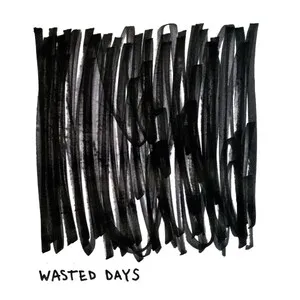
Wasted Days
Sam Binga
Halftime
Electronic
Footwork
Similar artists
2
/5
Samurai Breaks
Breaks
Bassline
Breakbeat
4
/5
Machine Girl
Digital Hardcore
Breakcore
Jungle
3
/5
Deekline
Ragga Jungle
Bassline
Breakbeat
2
/5
Tim Reaper
Jungle
Breakbeat
Breakcore
2
/5
Sully
Breakbeat
Drum And Bass
Footwork
2
/5
Fracture
Breakbeat
Drum And Bass
Drumfunk
2
/5
Fixate
Breakbeat
Candy Pop
Drum And Bass
2
/5
FFF
Raggacore
Breakbeat
Breakcore
1
/5
Dead Man's Chest
Breakbeat
Drum And Bass
Footwork
1
/5
dgoHn
Drum And Bass
Jungle
Drumfunk
Download our mobile app
Get the Melodigging app and start digging for new genres on the go
Download on the App Store
Get it on Google Play
© 2026 Melodigging
Give feedback
Legal
Melodding was created as a tribute to
Every Noise at Once
, which inspired us to help curious minds keep digging into music's ever-evolving genres.