Genres
Artists
Albums
Make Music
Sign in
Sign in
Artists
Electronic
Artists
Electronic
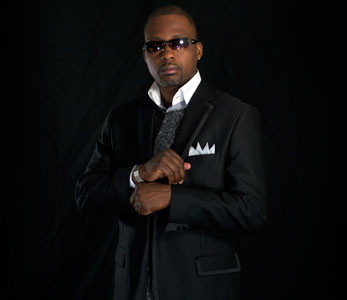
Romanthony
1996–2013
·
3 albums
Listen
2
/5
Genres
Uk Jackin
UK jackin is a bass-forward strain of house and UK garage that emerged in the UK during the early 2010s. It blends the swing and shuffle of garage with the chunky, percussive drive of house, emphasizing rubbery low‑end riffs, organ stabs, and chopped R&B or soul vocals. Compared with classic Chicago jackin’ house, the UK variant is darker and punchier, drawing heavily from bassline and UK bass aesthetics. Tracks typically sit around 124–130 BPM, use swung drums and syncopated bass patterns, and are arranged with DJ‑friendly intros, tension‑building breakdowns, and emphatic drops.
Discover
Listen
Deep Euro House
Deep Euro House is a European-bred, melodically rich branch of deep house that blends club-ready four‑on‑the‑floor grooves with warm, emotive sound design and pop-aware songcraft. It favors lush pads, silky basslines, soft piano or guitar stabs, and subtly processed vocals, often in minor keys with bittersweet chord changes. Compared with classic Chicago deep house, Deep Euro House leans more cinematic and refined: filtered synth swells, sidechained textures, airy reverbs, and clean, modern low end. Tempos typically sit around 118–124 BPM, with grooves that feel unhurried yet propulsive—equally at home on late-night dancefloors and in headphone listening. The "Euro" aspect reflects not only its geography (Germany, Switzerland, France, the Netherlands, Austria, Belgium) but also a melodic sensibility shaped by European club culture, indie electronica, and Balearic moods: wistful, romantic, and polished without losing house’s foundational swing.
Discover
Listen
Ballroom Vogue
Ballroom vogue is a high-energy club music style created to soundtrack vogue dance and runway categories within the Black and Latinx LGBTQ+ ballroom scene. It is built on house-derived four-on-the-floor rhythms in the 120–130 BPM range, punctuated by the iconic "Ha" crash (sampled from Masters At Work’s The Ha Dance), hard kicks, metallic hits, and chant-ready breaks for commentators. Arrangements emphasize tension-and-release moments for dips, spins, duckwalks, and catwalks, with sparse harmony, heavy percussion, and chopped vocal stabs that amplify battle theatrics and crowd call-and-response.
Discover
Listen
Garage House
Garage house (often called US garage or New York/New Jersey garage) is a soulful, vocal-driven strain of house music that coalesced around the Paradise Garage in New York and the Zanzibar in Newark in the mid-to-late 1980s. It blends the four-on-the-floor pulse of early house with the lush orchestration and harmonies of disco, boogie, Philly soul, gospel, and contemporary R&B. Typical tracks feature warm chords (piano, Rhodes, or the Korg M1 organ), call-and-response vocals, syncopated basslines, shuffling hi-hats, and rich, uplifting arrangements designed for extended club mixes. Where Chicago house often emphasized minimal drum-machine jack tracks, garage house foregrounded songcraft—hooks, bridges, key changes, and church-influenced vocal performances—giving the genre a deeply emotive, dancefloor-focused character.
Discover
Listen
Chicago House
Chicago house is the original strain of house music that emerged from Chicago’s club scene in the mid to late 1980s. Built around a four-on-the-floor kick, syncopated hi‑hats, handclaps, and looping basslines from affordable drum machines and synths, it translated the energy of disco and boogie into a raw, hypnotic, DJ‑friendly format. The sound was forged by resident DJs and producers associated with venues like The Warehouse, Music Box, and Power Plant, as they extended and reworked soulful, gospel-tinged dance records into long, functional grooves. Early Chicago house is often sparse and gritty—driven by TR‑808/909 patterns, piano stabs, deep pads, and call‑and‑response vocals—designed first and foremost for the dance floor.
Discover
Listen
House
House is a dance music genre that emerged in Chicago in the early 1980s, defined by a steady four-on-the-floor kick drum, off-beat hi-hats, soulful or hypnotic vocals, and groove-centric basslines. Typical tempos range from 118–130 BPM, and tracks are structured in DJ-friendly 16–32 bar phrases designed for seamless mixing. Drawing on disco’s celebratory spirit, electro-funk’s drum-machine rigor, and Italo/Hi-NRG’s synth-led sheen, house prioritizes repetition, tension-and-release, and communal energy on the dancefloor. Its sound palette often includes 808/909 drums, sampled or replayed disco/funk elements, filtered loops, piano/organ stabs, and warm, jazzy chords. Over time, house diversified into many substyles—deep house, acid house, French house, tech house, progressive house, and more—yet it remains a global foundation of club culture, known for emphasizing groove, inclusivity, and euphoria.
Discover
Listen
Jersey Sound
The Jersey sound (or New Jersey sound) is a soulful, gospel‑infused variant of house music that emerged in Newark, New Jersey, in the early to mid‑1980s. Rooted in deep and garage house aesthetics, it foregrounds songcraft: rich chord voicings, warm organ and piano vamps, and highly emotive, church‑influenced lead and backing vocals. A steady 4/4 kick, swung hi‑hats, syncopated percussion, and rubbery basslines underpin arrangements that often include breakdowns, key changes, and call‑and‑response hooks. DJ residencies (notably at Club Zanzibar) and local record shops/labels helped codify a sound that married Chicago house’s drum machines and disco’s momentum with Newark’s gospel and soul legacy—resulting in uplifting, melodic, and deeply human house records.
Discover
Listen
Deep House
Deep house is a subgenre of house music characterized by warm, soulful textures, jazz-influenced harmony, and understated, hypnotic grooves. It typically runs around 115–124 BPM, favoring subtle swing, syncopated percussion, and rounded, mellow basslines over aggressive peaks. Sonically, deep house draws on extended chords (7ths, 9ths, 11ths), Rhodes and M1 organ timbres, airy pads, and tasteful use of reverb and delay to create a spacious, emotive atmosphere. Vocals, when present, often reference soul and gospel traditions, delivering intimate, reflective themes rather than big-room hooks. The style emerged in the mid-to-late 1980s as producers fused Chicago house rhythms with jazz-funk, soul, and garage house sensibilities, resulting in a smoother, deeper take on the house blueprint.
Discover
Listen
Vocal House
Vocal house is a soulful, song‑forward branch of house music built around prominent lead vocals, memorable hooks, and uplifting messages. It retains the four‑on‑the‑floor pulse of classic house while foregrounding singers in a way that invites sing‑along choruses and radio crossover. The style blends Chicago/NYC house drum programming with disco’s feel‑good ethos, R&B and gospel‑influenced harmonies, and piano/organ chords. Typical productions feature steady 4/4 kicks, syncopated hi‑hats, bouncing basslines, Korg M1 pianos or organs, lush pads, and expansive reverb and delay on the vocals. Lyrical themes often center on love, resilience, community, and dancefloor catharsis.
Discover
Listen
Dance
Dance (as a broad, mainstream club- and radio-oriented style) is pop-leaning music designed primarily for dancing, characterized by steady, driving beats, catchy hooks, and production that translates well to nightclubs and large sound systems. It emerged after disco, blending four-on-the-floor rhythms with electronic instrumentation and pop songwriting, and it continually absorbs elements from house, techno, Hi-NRG, synth-pop, and later EDM. Tempos commonly fall between 110–130 BPM, vocals often emphasize memorable choruses, and arrangements are structured for both club mixing and mass appeal.
Discover
Listen
Electronic
Electronic is a broad umbrella genre defined by the primary use of electronically generated or electronically processed sound. It encompasses music made with synthesizers, drum machines, samplers, computers, and studio/tape techniques, as well as electroacoustic manipulation of recorded or synthetic sources. The genre ranges from academic and experimental traditions to popular and dance-oriented forms. While its sonic palette is rooted in electricity and circuitry, its aesthetics span minimal and textural explorations, structured song forms, and beat-driven club permutations. Electronic emphasizes sound design, timbre, and studio-as-instrument practices as much as melody and harmony.
Discover
Listen
Show all 11 genres
Albums
2013
1
/5
Hold On
Romanthony
Garage House
2013
1
/5
Hold On (Classic Vocal)
Romanthony
Garage House
1996
1
/5
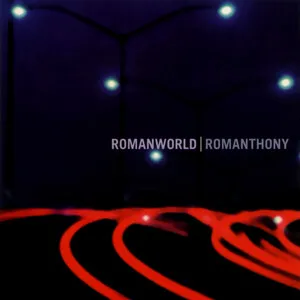
Romanworld
Romanthony
Jersey Sound
Garage House
Electronic
Similar artists
1
/5
Various Artists
Afro-Funk
Alternative Rock
Ambient
3
/5
Honey Dijon
Garage House
Ballroom Vogue
Indie Soul
2
/5
Aly-Us
Garage House
Baltimore Club
Chicago House
2
/5
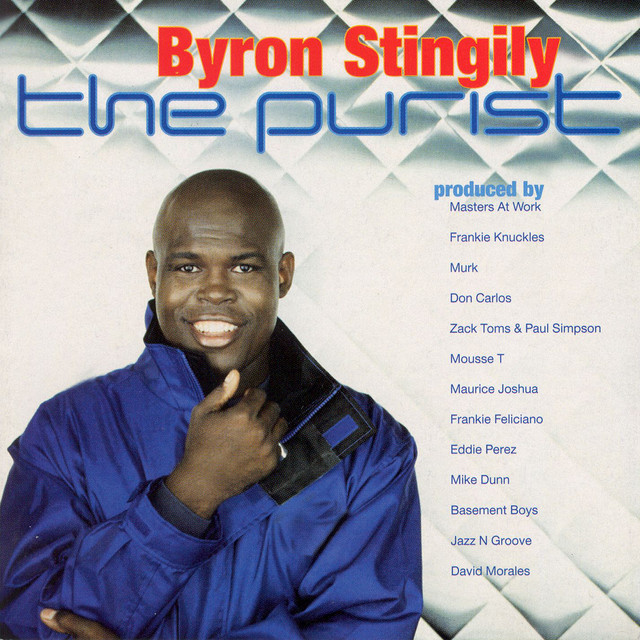
Byron Stingily
Chicago House
Garage House
Disco House
3
/5
Inner City
Acid House
Chicago House
Diva House
3
/5
Louie Vega
House
Latin House
Chicago House
3
/5
Joe Smooth
Chicago House
Acid House
Deep House
2
/5
Ten City
Chicago House
Acid House
Deep House
2
/5
George Morel
Acid House
Chicago House
Uk Garage
4
/5
Crystal Waters
Diva House
Chill Pop
Digital Horror
Download our mobile app
Get the Melodigging app and start digging for new genres on the go
Download on the App Store
Get it on Google Play
© 2026 Melodigging
Give feedback
Legal
Melodding was created as a tribute to
Every Noise at Once
, which inspired us to help curious minds keep digging into music's ever-evolving genres.