Genres
Artists
Albums
Make Music
Sign in
Sign in
Artists
Chamber Music
Artists
Chamber Music
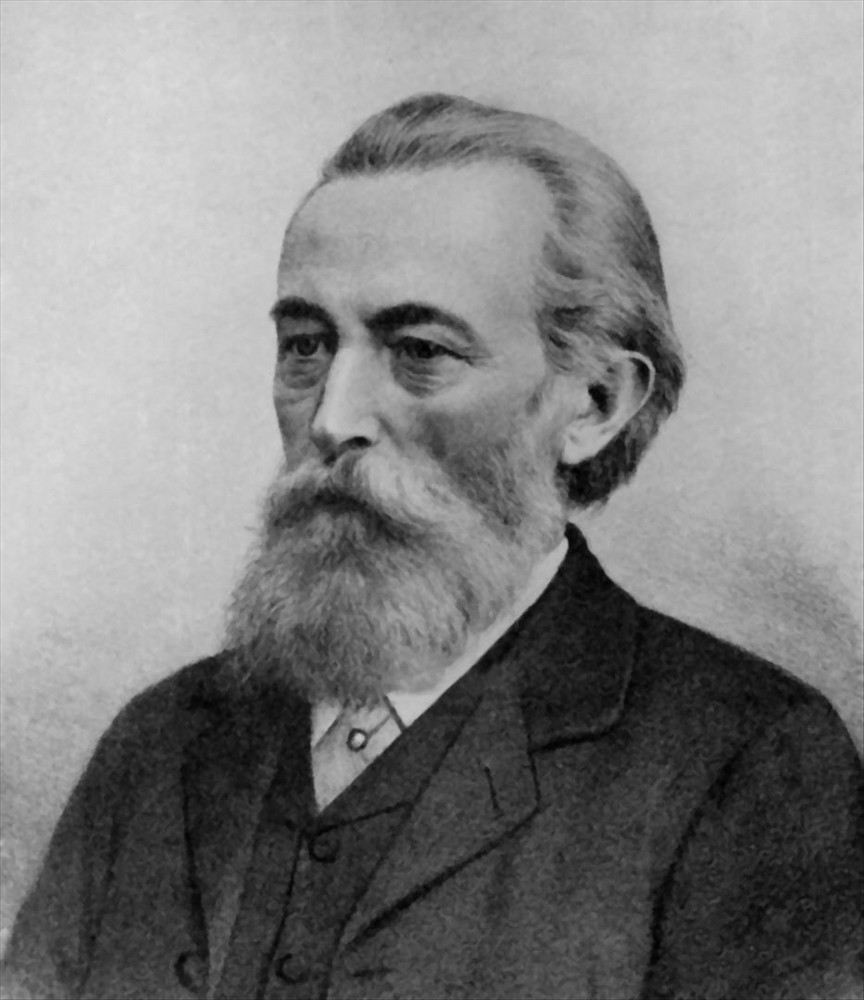
Robert Fuchs
2003–2012
·
2 albums
Listen
1
/5
Genres
Post-Romantic Era
Post-Romantic era refers to late-19th- and early-20th-century classical music that extends the lush harmonies, expansive forms, and emotive rhetoric of High Romanticism while pushing tonality and orchestration to their limits. It is characterized by chromatic saturation, extended tonal relationships, large orchestras (often with auxiliary instruments such as celesta, harps, and organ), and grand, often programmatic designs (tone poems, multi-movement symphonies, and large-scale operas). Composers frequently adopt leitmotivic writing, extreme dynamic ranges, and deeply personal, sometimes metaphysical subject matter. Historically it overlaps with the early stirrings of musical Modernism: while remaining fundamentally tonal, it explores ambiguous tonal centers, altered/chromatic mediants, and advanced chordal extensions (9ths, 11ths, 13ths), thereby creating a bridge between Romantic idioms and the innovations of the 20th century.
Discover
Listen
Late Romantic Era
Late Romantic era refers to the final flowering of 19th‑century Romantic music, roughly from the 1860s to the early 1910s. It is characterized by maximal orchestral forces, lush chromatic harmony, long‑breathed melody, and a highly expressive, often narrative approach to form. Composers expanded tonal language through extended and altered chords, distant modulations, and intricate leitmotivic development, while stretching classical forms (symphony, opera, concerto, symphonic poem) to epic scale. Programmatic ideas, philosophical themes, and intense emotional contrasts are common, and rubato, timbral color, and virtuoso orchestration play central roles.
Discover
Listen
Chamber Music
Chamber music is a tradition of composed music for small ensembles—typically one player per part—intended for intimate spaces such as courts, salons, and private rooms rather than large public halls. Its aesthetic emphasizes clarity of texture, conversational interplay among parts, and balance without a conductor. Hallmark formations include the string quartet, piano trio, wind quintet, string quintet, and various mixed ensembles. Multi‑movement cycles (often in sonata form) and finely wrought counterpoint are common, ranging from Baroque trio sonatas to Classical string quartets and modern works with expanded timbres and techniques. Because of its scale and transparency, chamber music has long been a proving ground for compositional craft and ensemble musicianship, shaping the core of Western art music from the Baroque through the present.
Discover
Listen
Albums
2012
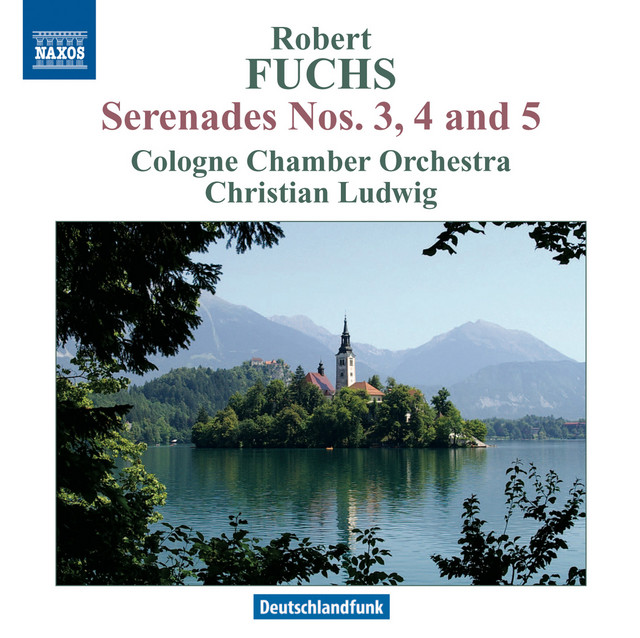
Fuchs: Serenades Nos. 3, 4 & 5
Robert Fuchs, Christian Ludwig
Post-Romantic Era
2003
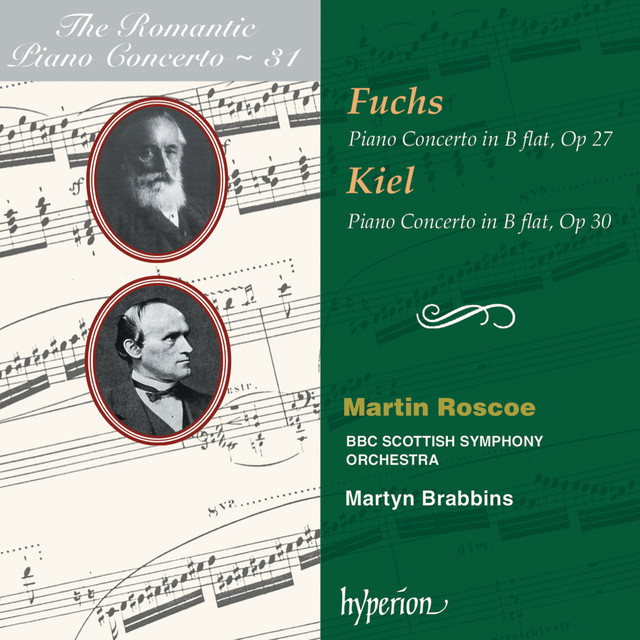
Fuchs & Kiel: Piano Concertos (Hyperion Romantic Piano Concerto 31)
Martin Roscoe, Robert Fuchs, BBC Scottish Symphony Orchestra, Friedrich Kiel, M…
Late Romantic Era
Similar artists
4
/5
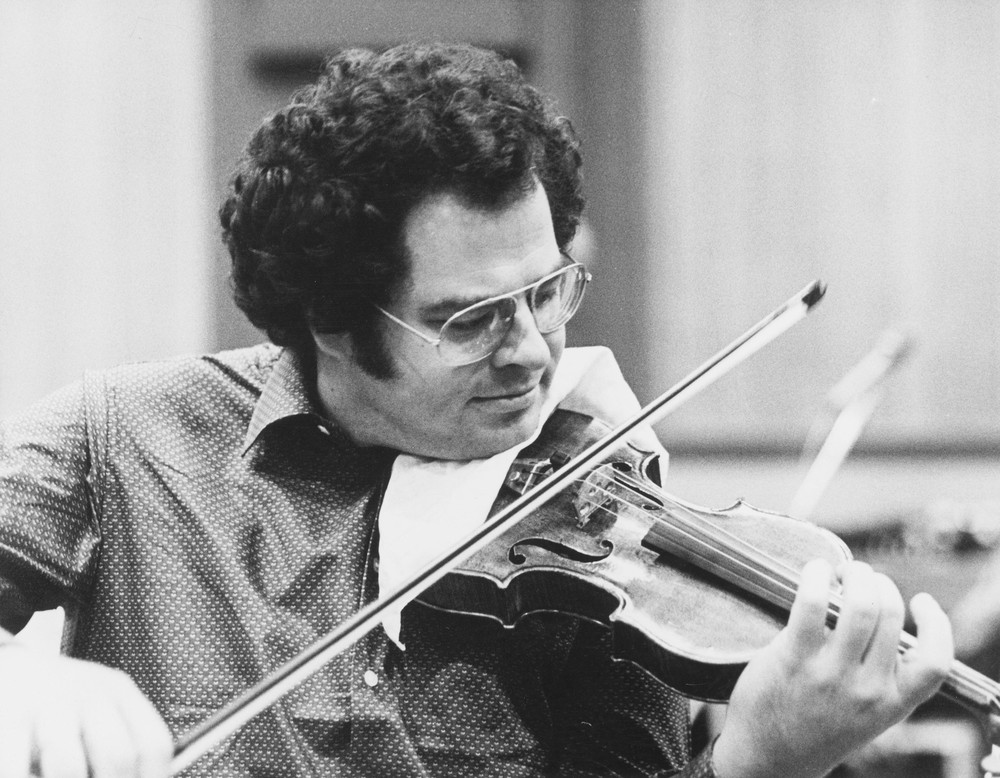
Itzhak Perlman
Concerto
Chamber Music
Classical
2
/5
Oliver Triendl
Chamber Music
Concerto
Impressionism
1
/5
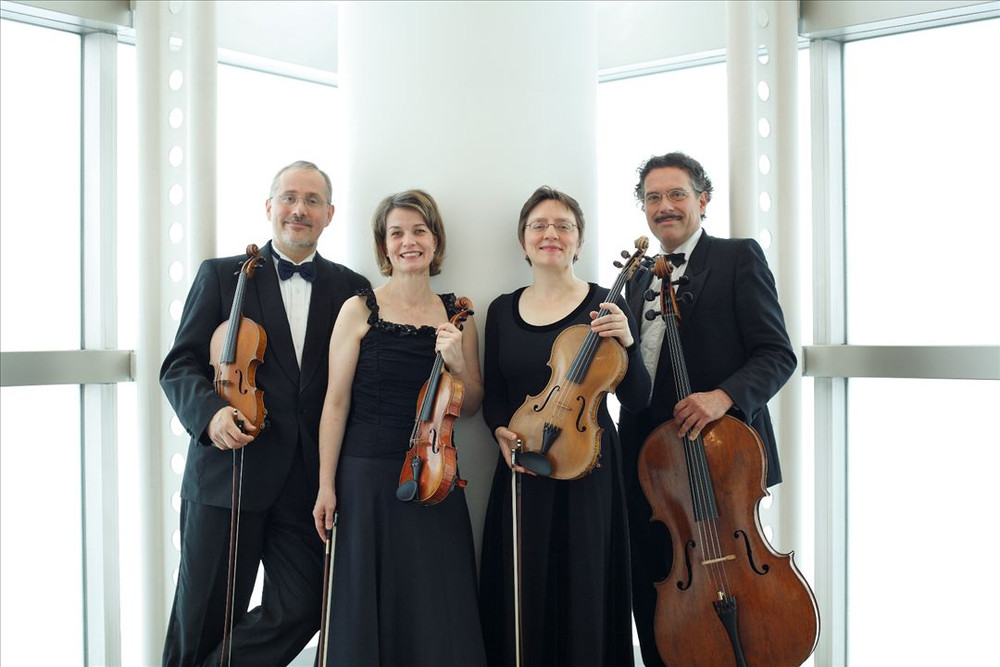
Carmina Quartet
Chamber Music
Classical
Late Romantic Era
4
/5
Wolfgang Amadeus Mozart
Classical
Requiem
Classical Period
4
/5
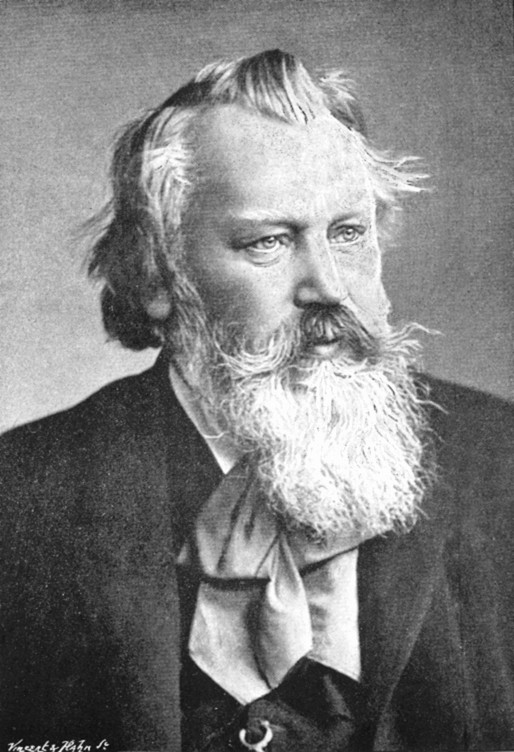
Johannes Brahms
Classical Clarinet
Classical Piano Quartet
Concerto
4
/5
Daniel Barenboim
Impressionism
Classical
Chamber Music
3
/5
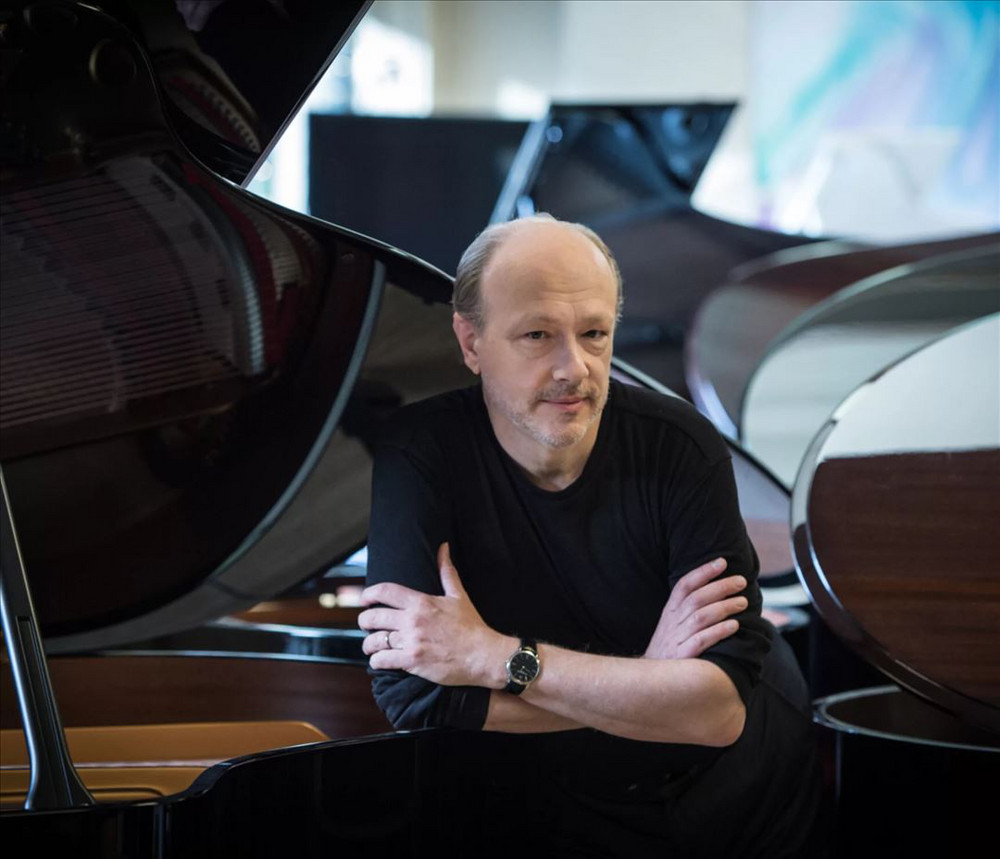
Marc-André Hamelin
Chamber Music
Classical
Classical Piano
3
/5
The Deutsche Kammerphilharmonie Bremen
Chamber Music
Classical
Concerto
3
/5
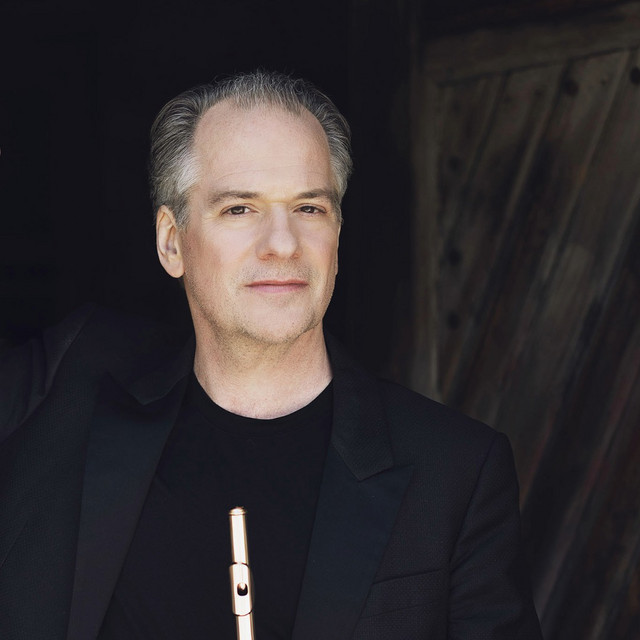
Emmanuel Pahud
Baroque
Chamber Music
Classical
3
/5
Christoph Eschenbach
Chamber Music
Classical
Classical Piano
Download our mobile app
Get the Melodigging app and start digging for new genres on the go
Download on the App Store
Get it on Google Play
© 2026 Melodigging
Give feedback
Legal
Melodding was created as a tribute to
Every Noise at Once
, which inspired us to help curious minds keep digging into music's ever-evolving genres.