Genres
Artists
Albums
Make Music
Sign in
Sign in
Artists
Soul Blues
Artists
Soul Blues
Robert Finley
2017–2021
·
2 albums
Listen
3
/5
Genres
Black Americana
Black Americana is a contemporary umbrella genre that centers Black artists within the traditions of Americana (roots-based U.S. music such as folk, country, blues, gospel, and soul). It often blends acoustic storytelling and roots instrumentation with Black musical lineages, highlighting themes of migration, labor, faith, resilience, love, and social justice. Rather than a single fixed sound, it is a scene and framing that reconnects “Americana” to its multiracial roots while pushing the style forward with modern production, R&B/soul phrasing, and genre-crossing songwriting.
Discover
Listen
New Americana
New Americana is a 2010s wave of roots-informed indie that blends the songwriting and instrumentation of classic Americana with the hooks and production polish of contemporary pop and alternative rock. It typically features acoustic guitars, banjo or mandolin accents, warm vocal harmonies, and organic percussion, while also embracing modern elements like atmospheric pads, tasteful compression, and stadium-ready choruses. Lyrically, it favors intimate storytelling about place, identity, love, and resilience, often delivered with an earnest, nostalgic tone that balances hope with a soft melancholy. What distinguishes New Americana from classic Americana and 1990s alt-country is its streaming-era sheen, crossover sensibility, and a tendency to fuse roots textures with indie pop structures and festival-sized dynamics.
Discover
Listen
Souldies
Souldies is a modern revival of classic lowrider “oldies” soul—slow, tender ballads rooted in 1960s and early-’70s sweet soul and doo‑wop aesthetics, reimagined by a new generation of largely Chicano/Latinx artists in Southern California. Characterized by warm, analog-leaning production, mellow backbeats, honeyed vocal harmonies, and heart‑on‑sleeve lyricism, the style favors mid‑slow tempos, tape‑like saturation, spring/plate reverb, and minimalist yet expressive arrangements. English and Spanish (or Spanglish) lyrics often explore love, longing, devotion, and cruising/lowrider culture. Souldies sits at the intersection of classic soul, rhythm & blues, northern soul selections, and Latin soul, offering a contemporary, community‑centered sound that feels both timeless and newly personal.
Discover
Listen
Southern Gothic
Southern gothic (as a music style) blends American roots idioms—country, folk, blues, gospel, and Southern rock—with the macabre, moral ambiguity, and decaying grandeur associated with the Southern Gothic literary tradition. Its sound is typically dark-hued and intimate: minor-key harmonies, modal drones, and slow-to-mid tempos underpin storytelling about sin and salvation, haunted landscapes, family secrets, and folk religion. Arrangements often feature acoustic guitar, banjo, fiddle, upright bass, pump organ or harmonium, lap/pedal steel, sparse percussion, and baritone or hushed vocals drenched in room reverb. Production tends toward earthy and atmospheric—tape-like saturation, creaking room ambience, and subtle field sounds (cicadas, church bells, train rumbles) that evoke the American South’s heat, humidity, and history.
Discover
Listen
Modern Blues
Modern blues is a contemporary evolution of traditional and electric blues that embraces current songwriting, studio techniques, and cross-genre collaboration. It preserves the core blues vocabulary—blue notes, call-and-response phrasing, and 12‑bar and minor‑blues forms—while integrating elements of rock, soul, funk, and even pop and hip hop production. Sonically, modern blues favors saturated but articulate electric guitar tones, prominent backbeat drums, thick bass, and tasteful keys or organ. Lyrically it updates classic themes of struggle, love, resilience, and place with present-day imagery and personal storytelling. The result is a style that feels rooted and authentic yet radio- and festival-ready.
Discover
Listen
Soul Blues
Soul blues is a hybrid of electric blues and Southern soul that foregrounds gospel-inflected vocals, horn-driven arrangements, and blues-based song forms. It typically features gritty, emotive singing over mid-tempo grooves, with Hammond organ, punchy horn stabs, and guitar fills weaving around I–IV–V progressions broadened by rich 7ths, 9ths, and 13ths. Lyrically, it focuses on love, heartbreak, resilience, and real-life struggles, delivered with the testifying fervor of the church and the storytelling directness of the blues.
Discover
Listen
Country Soul
Country soul is a hybrid style that blends the instrumentation, storytelling, and harmonies of country music with the groove, vocal delivery, and production aesthetics of soul and rhythm & blues. It typically features country staples like acoustic and electric guitars, pedal steel, and fiddle alongside a soul rhythm section of drums, bass, Hammond organ, piano, and often a punchy horn section and gospel-style backing vocals. The sound emerged most prominently in the American South, where studios in Nashville, Memphis, and Muscle Shoals cultivated a warm, earthy, and emotive approach. Songs often revolve around heartbreak, perseverance, and everyday life, delivered with both country plainspokenness and soul fervor. Production tends toward intimate, analog warmth, dry drums, and unvarnished performances that foreground the singer and song.
Discover
Listen
Singer-Songwriter
Singer-songwriter is a song-focused style in which the same person writes, composes, and performs their own material, often accompanying themselves on acoustic guitar or piano. It emphasizes personal voice, lyrical intimacy, and storytelling over elaborate production. Arrangements are typically sparse, allowing the melody, words, and performance nuance to carry the song’s emotional weight. While rooted in folk and blues traditions, singer-songwriter embraces pop and rock songcraft, producing works that can range from quiet confessional ballads to subtly orchestrated, radio-ready pieces.
Discover
Listen
Soul
Soul is a genre of popular music that blends the spiritual fervor and vocal techniques of African‑American gospel with the grooves and song forms of rhythm & blues and the harmonic palette of jazz and blues. It is defined by impassioned, melismatic lead vocals; call‑and‑response with backing singers; handclaps and a strong backbeat; syncopated bass lines; and memorable horn or string riffs. Typical instrumentation includes drum kit, electric bass, electric guitar, piano or Hammond organ, horns (trumpet, saxophone, trombone), and sometimes orchestral strings. Lyrically, soul ranges from love and heartbreak to pride, social commentary, and spiritual yearning. Regionally distinct scenes—such as Detroit’s Motown, Memphis/Stax, Muscle Shoals, Chicago, New Orleans, and Philadelphia—shaped different flavors of soul, while the style’s emotional directness and rhythmic drive made it a cornerstone of later funk, disco, contemporary R&B, and hip hop.
Discover
Listen
R&b
R&B (Rhythm and Blues) is a vocal- and groove-centered popular music tradition that blends blues tonality, jazz harmony, and gospel-inflected singing with a steady backbeat. It emphasizes expressive lead vocals, call-and-response, lush harmonies, and danceable rhythms. From its 1940s roots in African American communities to its later evolutions, R&B has continually absorbed and reshaped surrounding sounds—from jump blues and swing in the early days to soul, funk, hip hop, and electronic production in the contemporary era. Today, R&B ranges from intimate, slow-burning ballads to club-ready tracks, all tied together by a focus on feel, melody, and vocal performance.
Discover
Listen
Blues
Blues is an African American musical tradition defined by expressive "blue notes," call-and-response phrasing, and a characteristic use of dominant-seventh harmony in cyclical song forms (most famously the 12‑bar blues). It is as much a feeling as a form, conveying sorrow, resilience, humor, and hard-won joy. Musically, blues commonly employs the I–IV–V progression, swung or shuffled rhythms, and the AAB lyric stanza. Melodies lean on the minor/major third ambiguity and the flattened fifth and seventh degrees. Core instruments include voice, guitar (acoustic or electric), harmonica, piano, bass, and drums, with slide guitar, bends, and vocal melismas as signature techniques. Over time the blues has diversified into regional and stylistic currents—Delta and Piedmont country blues, urban Chicago and Texas blues, West Coast jump and boogie-woogie—while profoundly shaping jazz, rhythm & blues, rock and roll, soul, funk, and much of modern popular music.
Discover
Listen
Show all 11 genres
Albums
2021
3
/5
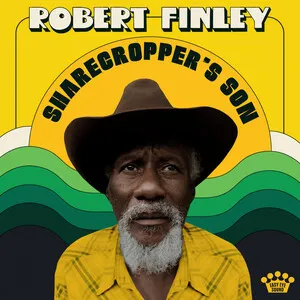
Sharecropper's Son
Robert Finley
Country Soul
Soul Blues
2017
1
/5
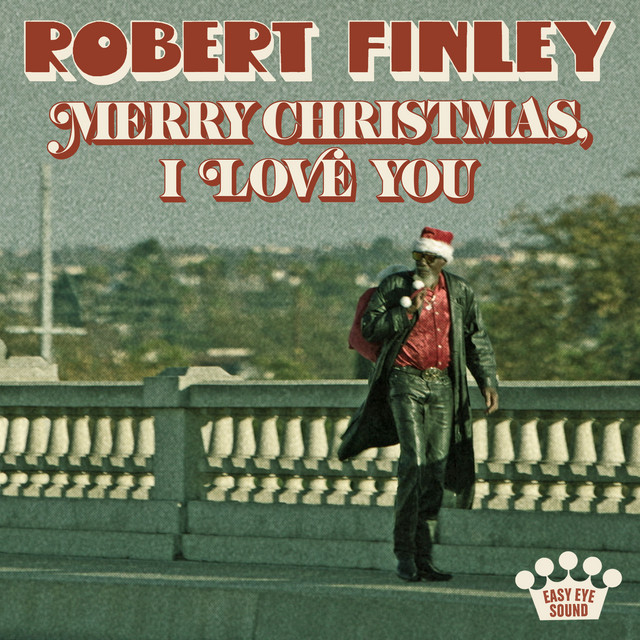
Merry Christmas, I Love You
Robert Finley
Black Americana
Similar artists
3
/5
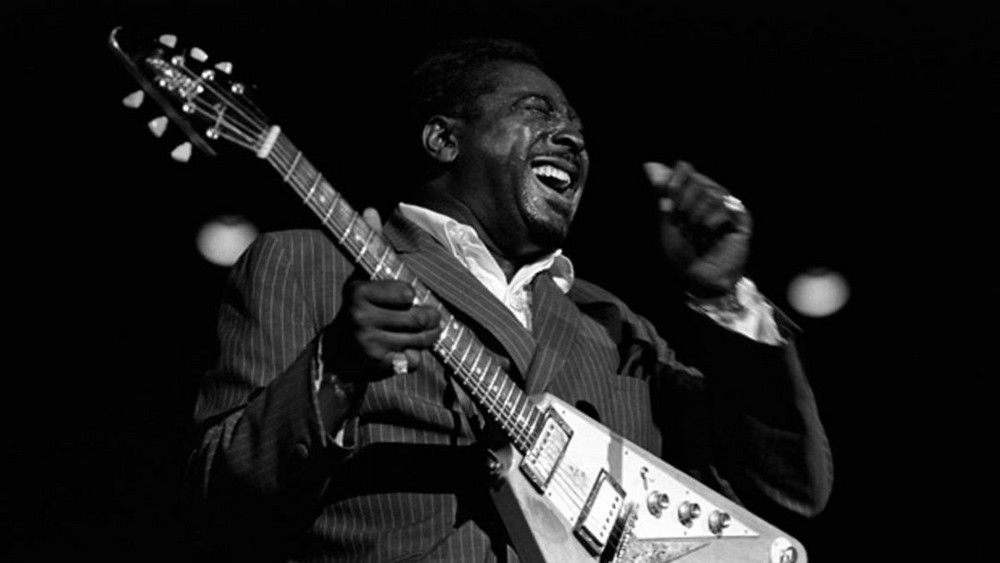
Albert King
Blues
Soul Blues
Electric Blues
3
/5
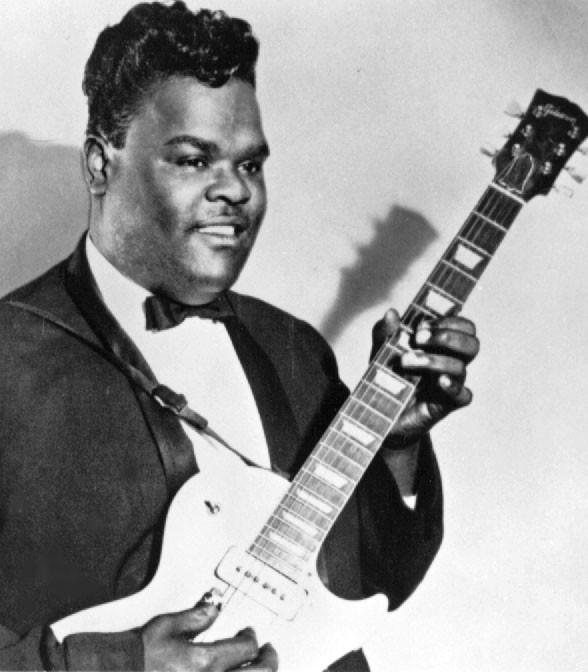
Freddie King
Blues
Texas Blues
Electric Texas Blues
3
/5
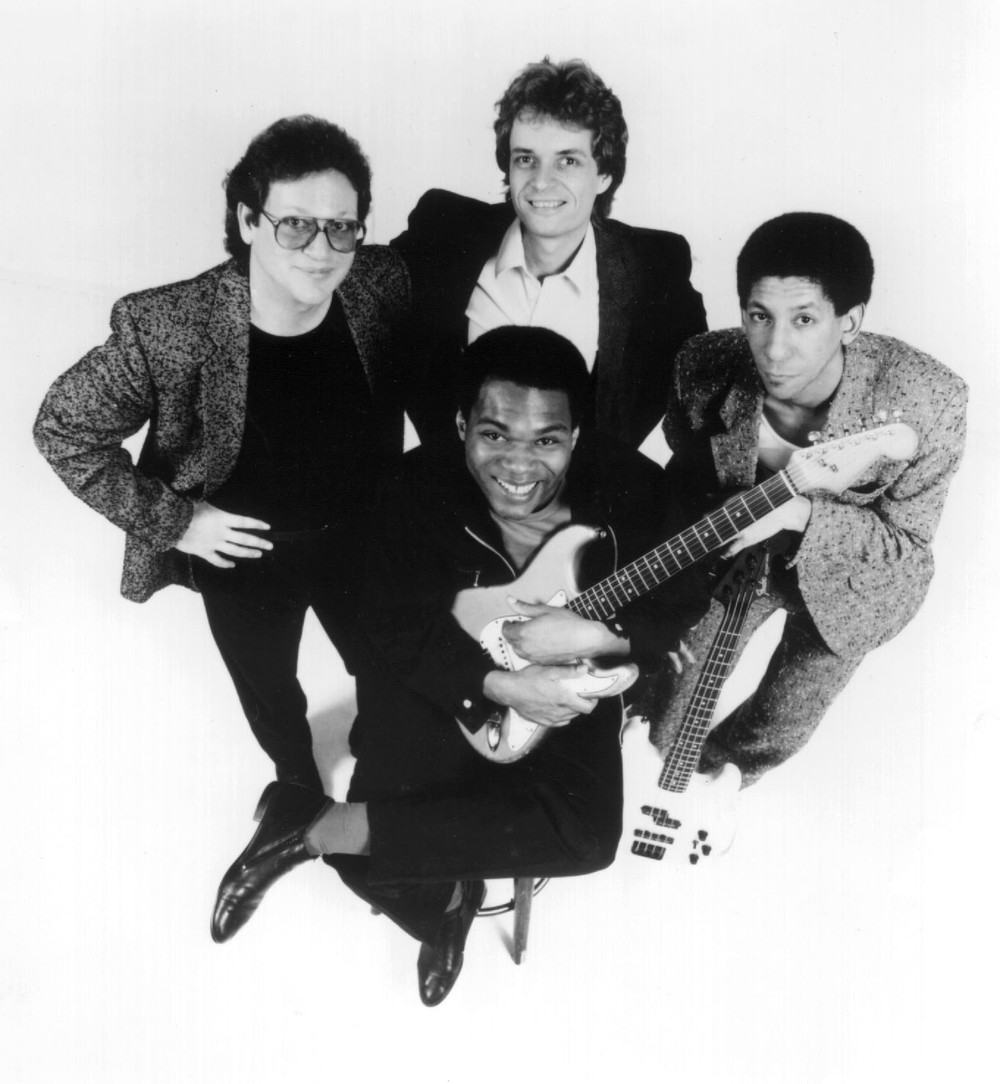
The Robert Cray Band
Soul Blues
Blues
Blues Rock
3
/5
Otis Rush
Chicago Blues
Soul Blues
Blues
2
/5
True Roots Blues
Blues
Soul Blues
Modern Blues
3
/5
Gary Clark Jr.
Texas Blues
Blues
Electric Blues
3
/5
Buddy Guy
Blues
Chicago Blues
Electric Blues
3
/5
Robert Cray
Classic Blues
Blues
Blues Rock
3
/5
The Bones of J.R. Jones
Modern Blues
Black Americana
Blues Rock
3
/5
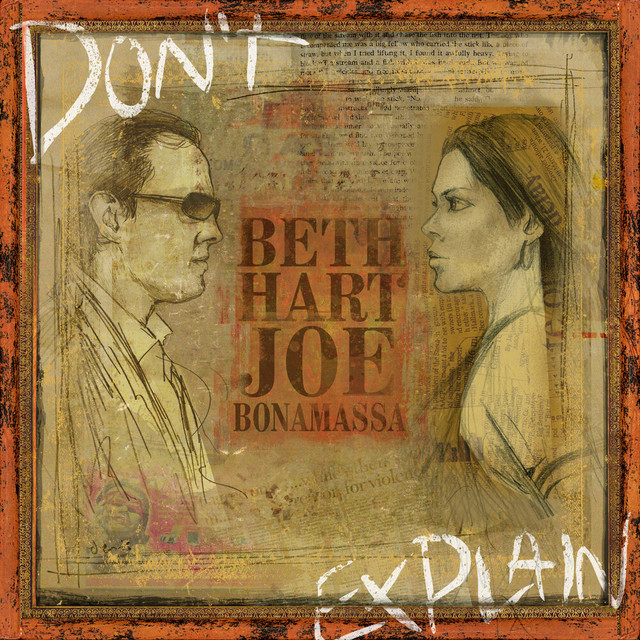
Beth Hart, Joe Bonamassa
Blues
Blues Rock
Chill Pop
Download our mobile app
Get the Melodigging app and start digging for new genres on the go
Download on the App Store
Get it on Google Play
© 2026 Melodigging
Give feedback
Legal
Melodding was created as a tribute to
Every Noise at Once
, which inspired us to help curious minds keep digging into music's ever-evolving genres.