Genres
Artists
Albums
Make Music
Sign in
Sign in
Artists
Chamber Music
Artists
Chamber Music
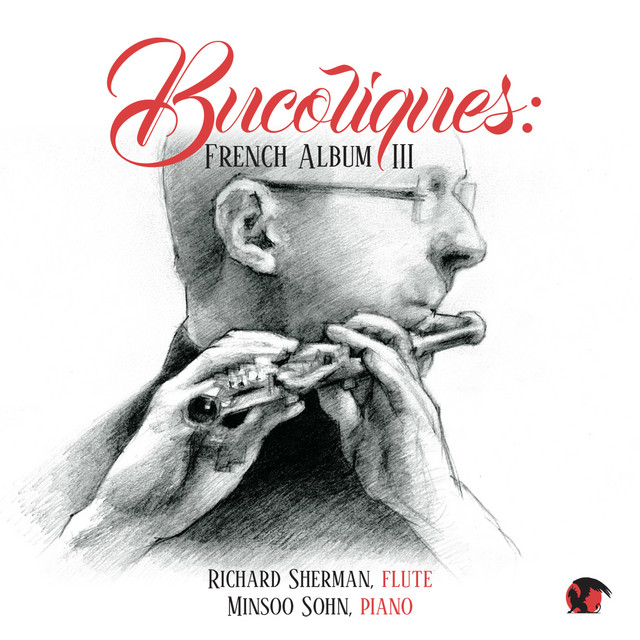
Richard Sherman
1997
·
1 album
Listen
2
/5
Genres
Deep Soundtrack
Deep soundtrack is a modern, cinematic substyle that emphasizes low, immersive textures, slow-moving harmony, and spacious ambience over bombast. It sits at the intersection of ambient music, post-classical scoring, and contemporary film/TV/game underscore, favoring drones, soft pulses, and intimate instruments (piano, strings, analog synths) treated with generous space and subtle sound design. Rather than foregrounding memorable themes or trailer-scale crescendos, deep soundtrack cultivates mood: tense, melancholic, or quietly hopeful. It is designed to sit under narrative, visuals, or concentration—music that breathes, evolves slowly, and suggests emotion without overwhelming it.
Discover
Listen
Soundtrack
Soundtrack is music created to accompany and enhance visual media such as film, television, and video games. It includes original scores (instrumental or vocal music composed specifically for the picture) and, at times, curated compilations of pre-existing songs. Stylistically, soundtrack is a meta-genre that can encompass orchestral symphonic writing, jazz, electronic and synth-driven textures, choral forces, popular song, and experimental sound design. Its defining trait is functional storytelling: themes, motifs, harmony, rhythm, and timbre are shaped by narrative needs, character psychology, pacing, and editing. Common features include leitmotifs for characters or ideas, modular cues that can be edited to picture, dynamic orchestration for dramatic range, and production approaches that sit well under dialogue and sound effects. Because it must synchronize to picture, soundtrack often uses clear dramatic arcs, tempo maps, and hit points.
Discover
Listen
Musical
Musical (musical theatre) is a narrative stage form that integrates songs, spoken dialogue, acting, and dance to tell a story. Its core aim is dramatic storytelling in which music advances plot, deepens character, and shapes emotional arcs, often through recurring motives and reprises. Developed primarily on Broadway (New York) and later the West End (London), the genre blends operetta’s melodic lyricism, vaudeville’s variety entertainment, revue’s song-driven showcase, and Tin Pan Alley’s popular songcraft. Musicals range from intimate chamber pieces to large-scale "megamusicals," and from traditional book musicals to rock, hip‑hop, and concept-driven works. The musical’s songbook has fed the Great American Songbook and popular music at large, while the stage craft has influenced film, television, and concert performance.
Discover
Listen
Show Tunes
Show tunes are songs written for stage musicals and revues, designed to advance plot, reveal character, or provide memorable set‑piece moments. They favor strong, singable melodies, clear structures (often AABA 32‑bar or verse–chorus), witty and narrative lyrics, and orchestrations that support drama and choreography. While rooted in the Great American Songbook, show tunes draw on operetta, vaudeville, ragtime, jazz, and popular songcraft, and they are typically performed by stage voices (from legit to belt) with pit orchestras. Because many became popular standards beyond the theater, show tunes occupy a central place in American popular music and are frequently adapted for cabaret, big band, and vocal jazz.
Discover
Listen
Chamber Music
Chamber music is a tradition of composed music for small ensembles—typically one player per part—intended for intimate spaces such as courts, salons, and private rooms rather than large public halls. Its aesthetic emphasizes clarity of texture, conversational interplay among parts, and balance without a conductor. Hallmark formations include the string quartet, piano trio, wind quintet, string quintet, and various mixed ensembles. Multi‑movement cycles (often in sonata form) and finely wrought counterpoint are common, ranging from Baroque trio sonatas to Classical string quartets and modern works with expanded timbres and techniques. Because of its scale and transparency, chamber music has long been a proving ground for compositional craft and ensemble musicianship, shaping the core of Western art music from the Baroque through the present.
Discover
Listen
Albums
1997
4
/5
Mary Poppins
Julie Andrews
Show Tunes
Musical
Soundtrack
Similar artists
5
/5
Disney
Comedy
Show Tunes
Wrestling
2
/5
Marc Shaiman
Musical
Deep Soundtrack
Show Tunes
1
/5
Various Artists
Afro-Funk
Alternative Rock
Ambient
5
/5
Hans Zimmer
Country Dawn
Soundtrack
Classical
4
/5
Alan Menken
Novos Talentos Brasileiros
Show Tunes
Calming Instrumental
4
/5
Justin Hurwitz
Deep Soundtrack
Thall
Jazz Pop
4
/5
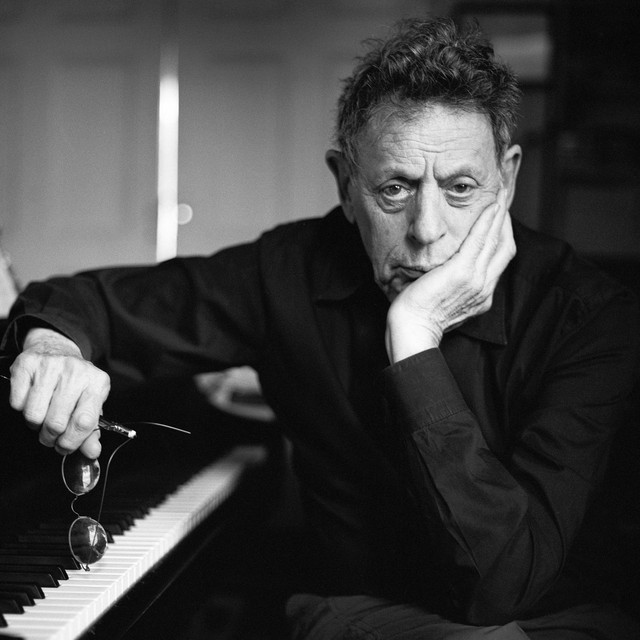
Philip Glass
Classical
Minimalism
Modern Classical
4
/5
Julie Andrews
Show Tunes
Deep Soundtrack
Musical
5
/5
Lady Gaga
Pop
Art Pop
Dance-Pop
4
/5
Lin-Manuel Miranda
Musical
Show Tunes
Hip Hop
Download our mobile app
Get the Melodigging app and start digging for new genres on the go
Download on the App Store
Get it on Google Play
© 2026 Melodigging
Give feedback
Legal
Melodding was created as a tribute to
Every Noise at Once
, which inspired us to help curious minds keep digging into music's ever-evolving genres.