Genres
Artists
Albums
Make Music
Sign in
Sign in
Artists
Grime
Artists
Grime
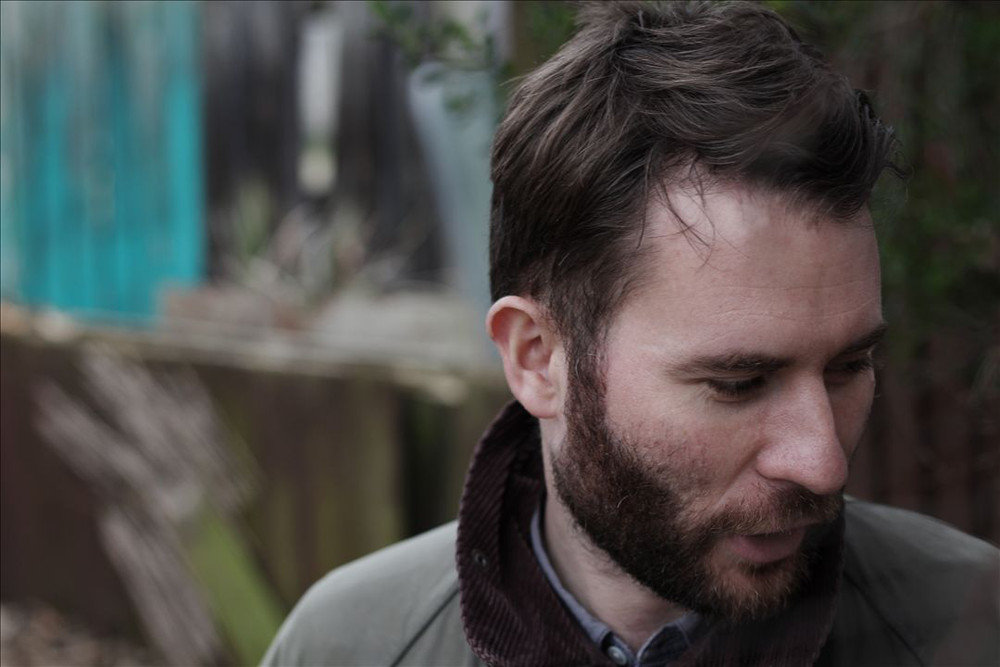
Rabit
2015
·
2 albums
Listen
2
/5
Genres
Weightless
Weightless is a minimalist, beatless offshoot of grime and UK club music that emphasizes negative space, texture, and atmospherics over traditional drum patterns. Rather than driving on a kick–snare grid, tracks hover at grime-adjacent tempos while using sub-bass swells, icy pads, atonal stabs, and carefully placed percussive flickers. The result feels suspended and disorienting—dense in sound design yet sparse in rhythm—creating a floating, zero-gravity sensation. The style foregrounds sound design and spatial mixing: long decays, reverb tails, and silence are treated as compositional elements. It’s club-informed but introspective, often sitting between ambient, experimental electronic music, and deconstructed grime.
Discover
Listen
Fluxwork
Fluxwork is a contemporary microgenre of electronic music optimized for sustained concentration and “flow state” listening. It blends the warmth and space of ambient with the pulse and structure of minimal techno and microhouse, emphasizing unobtrusive rhythms and gradual, textural movement. Tracks usually feature understated four-on-the-floor or gently broken patterns, soft sidechained pads, subtle arpeggios, and carefully filtered transitions. Vocals, if present at all, are sparse and textural. The result is music that feels propulsive yet calm—capable of fading into the background while quietly supplying kinetic focus.
Discover
Listen
Grimewave
Grimewave is a hybrid microgenre that fuses the cold, skippy rhythms and sub-bass pressure of UK grime with the cinematic, reverb-laden atmospheres of the modern “wave”/ambient-trap continuum. It typically runs at grime-leaning tempos but borrows the widescreen pads, washed-out textures, and melancholic tone of wave and witch house. Producers favor skeletal, syncopated drum programming, sine and Reese sub-basses, and minimal but striking motifs—glassy bells, detuned synth chords, and distant vocal chops—leaving space for mood and bass weight to carry the track. Some cuts remain instrumental; others invite sparse grime/UK rap flows, with verses delivered over half-time lurches and foggy, nocturnal soundscapes.
Discover
Listen
New Isolationism
New isolationism is a contemporary strain of isolationist ambient and post-industrial minimalism that emerged in the 2010s, particularly around Scandinavian experimental labels and studios. It foregrounds intimate, close-mic’d sound, negative space, and a quiet-but-present noise floor; its pieces feel both internal and architectural, like rooms built from reverb tails, tape hiss, and soft electronics. Sonically, the style blends glacial drones, fragile chamber timbres (strings, organ, piano), lo‑fi electronics, and field recordings into stark, slow-evolving tableaux. Melodic information is sparse—often only a few tones or gestures—while rhythm is either absent or reduced to distant pulses, heartbeats, or mechanical cycles. Vocals, when they appear, are murmured, diaristic, or abstracted by pitch and time manipulation. Aesthetically, new isolationism is post‑internet and diaristic: it captures solitude, memory, and dislocation with a palette that feels personal yet estranged, drawing as much from contemporary gallery sound practice as from classic dark ambient.
Discover
Listen
Neo-Grime
Neo-grime is a modern, experimental mutation of grime that retools the icy, 140 BPM template with contemporary sound design, skeletal rhythms, and a focus on atmosphere as much as impact. Where classic grime emphasized MC-led bangers and rough-and-ready club functionality, neo-grime often privileges instrumental detail, negative space, and futuristic textures—glassine pads, sub‑heavy bass, and detuned square-wave leads—while still retaining grime’s stark drum language and UK underground swagger. The result is a style that can swing between weightless ambience and steel-edged percussion, equally at home in forward-thinking club nights and headphone listening.
Discover
Listen
Grime
Grime is a fast, raw, and minimalist form of rap-driven electronic music that emerged from London’s pirate radio culture in the early 2000s. It typically runs at around 140 BPM, with skeletal, syncopated drum patterns, stark sub-bass, and icy synth stabs that leave space for agile MCs. The genre’s vocal style emphasizes rapid-fire flows, internal rhymes, and wordplay that reflect urban life, competition, humour, and social commentary. Grime inherited the DIY energy of UK garage and jungle sound systems while foregrounding MC culture as the main event, building a distinctive British rap identity separate from U.S. hip hop.
Discover
Listen
Ballroom Vogue
Ballroom vogue is a high-energy club music style created to soundtrack vogue dance and runway categories within the Black and Latinx LGBTQ+ ballroom scene. It is built on house-derived four-on-the-floor rhythms in the 120–130 BPM range, punctuated by the iconic "Ha" crash (sampled from Masters At Work’s The Ha Dance), hard kicks, metallic hits, and chant-ready breaks for commentators. Arrangements emphasize tension-and-release moments for dips, spins, duckwalks, and catwalks, with sparse harmony, heavy percussion, and chopped vocal stabs that amplify battle theatrics and crowd call-and-response.
Discover
Listen
Idm
IDM (often expanded as "Intelligent Dance Music") is a strand of experimental electronic music that applies the sound palette and production methods of club genres to listening-focused, often home-oriented works. It favors intricate rhythm programming, unusual time signatures, and richly textured sound design, blending ambient atmospheres with techno’s pulse, electro’s syncopation, and breakbeat’s fragmentation. The music often de-emphasizes the dancefloor in favor of headphone detail, algorithmic structure, and timbral exploration. The term itself is contentious—many artists rejected the "intelligent" label—yet it became a convenient tag for the early- to mid‑1990s cluster of Warp, Rephlex, and related scenes that foregrounded complexity, abstraction, and emotional ambiguity.
Discover
Listen
Experimental
Experimental music is an umbrella term for practices that prioritize exploration, process, and discovery over adherence to established genre norms. It embraces new sound sources, nonstandard tuning systems, indeterminacy and chance operations, graphic and open-form scores, extended techniques, and technology-led sound design (tape, electronics, computers, and live processing). Rather than a single style, it is a methodology and ethos: testing hypotheses about sound, structure, and performance, often blurring boundaries between composition, improvisation, sound art, and performance art. Listeners can expect unfamiliar timbres, unusual forms, and an emphasis on how music is made as much as the resulting sound.
Discover
Listen
Avant-Garde
Avant-garde music is an umbrella term for boundary-pushing practices that challenge prevailing norms of harmony, rhythm, timbre, form, and performance. It privileges experimentation, conceptual rigor, and a willingness to reframe what counts as music at all. Historically tied to early 20th‑century artistic modernism, avant-garde music introduced atonality, the emancipation of noise, and new forms of notation and process. It embraces indeterminacy, extended techniques, electronics, spatialization, and multimedia performance, treating sound as material to be sculpted, questioned, and reinvented.
Discover
Listen
Show all 10 genres
Albums
2015
1
/5
Communion
Rabit
Grime
Excommunicate
Rabit
Weightless
Similar artists
1
/5
Various Artists
Afro-Funk
Alternative Rock
Ambient
1
/5
Visionist
Grime
Weightless
Experimental
1
/5
Mumdance
Grime
Weightless
Dance
1
/5
Logos
Weightless
Grime
Electronic
1
/5
Katatonic Silentio
Weightless
Dub Techno
Experimental
1
/5
Sharp Veins
Weightless
Avant-Garde
Experimental
2
/5
Zomby
Weightless
Wave
Dubstep
3
/5
Ryoji Ikeda
Microsound
Glitch
Sound Art
2
/5
Muslimgauze
Experimental
Industrial
Tribal Ambient
2
/5
Amnesia Scanner
Grimewave
Avant-Garde
Experimental
Download our mobile app
Get the Melodigging app and start digging for new genres on the go
Download on the App Store
Get it on Google Play
© 2026 Melodigging
Give feedback
Legal
Melodding was created as a tribute to
Every Noise at Once
, which inspired us to help curious minds keep digging into music's ever-evolving genres.