Genres
Artists
Albums
Make Music
Sign in
Sign in
Artists
Drone
Artists
Drone
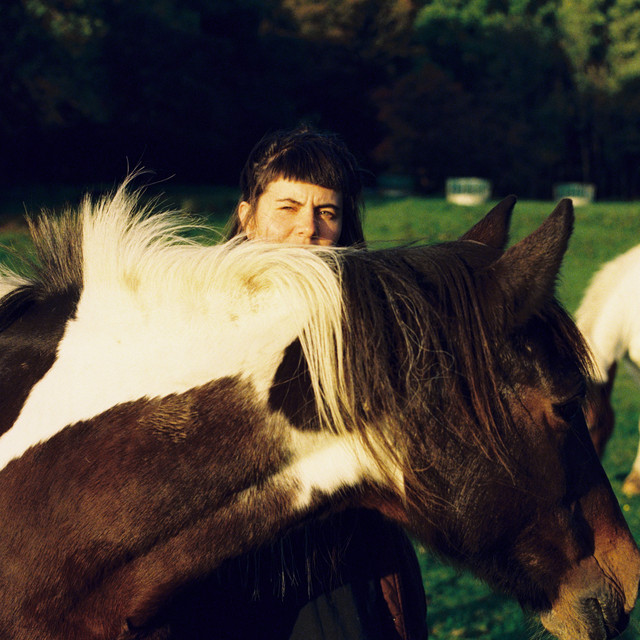
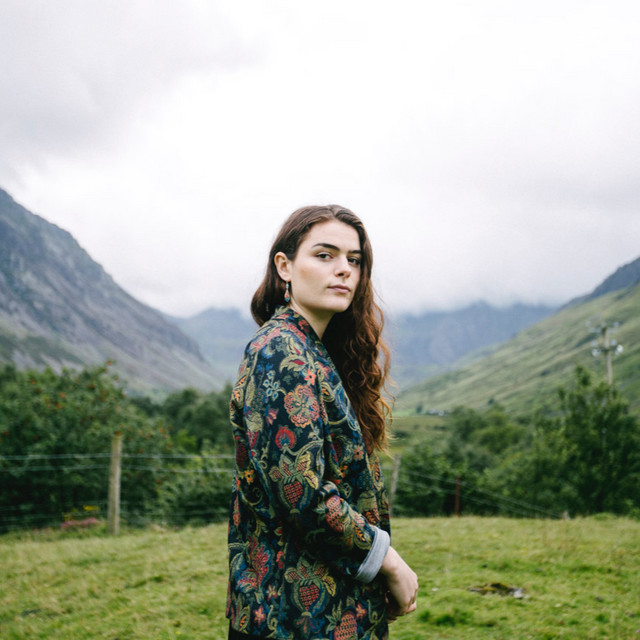
Quinie
2025
·
1 album
Listen
1
/5
Genres
Drone
Drone is a minimalist music genre defined by sustained tones, long durations, and extremely gradual change. Harmony is often static or centered on a single fundamental with subtle overtone shifts, while rhythm tends toward stasis or very slow pulses. Sound sources range from acoustic instruments (e.g., strings, organ, bagpipes, shruti box, tambura) to electronics (sine waves, oscillators, feedback, tape loops, and later digital synthesis and processing). Many composers favor just intonation or other alternative tuning systems to emphasize beating patterns, psychoacoustic effects, and the internal life of sound. Although drone as a sonic principle is ancient and global, the modern experimental genre cohered in the 1960s through the New York minimalists and related avant‑garde circles, then spread into ambient, experimental, and heavy music scenes. The focus is less on melody and more on timbre, resonance, and the phenomenology of listening.
Discover
Listen
Experimental
Experimental music is an umbrella term for practices that prioritize exploration, process, and discovery over adherence to established genre norms. It embraces new sound sources, nonstandard tuning systems, indeterminacy and chance operations, graphic and open-form scores, extended techniques, and technology-led sound design (tape, electronics, computers, and live processing). Rather than a single style, it is a methodology and ethos: testing hypotheses about sound, structure, and performance, often blurring boundaries between composition, improvisation, sound art, and performance art. Listeners can expect unfamiliar timbres, unusual forms, and an emphasis on how music is made as much as the resulting sound.
Discover
Listen
Folk
Folk is a song-centered acoustic tradition rooted in community storytelling, everyday life, and social history. It emphasizes clear melodies, simple harmonies, and lyrics that foreground narrative, protest, and personal testimony. As a modern recorded genre, folk coalesced in the early-to-mid 20th century in the United States out of older ballad, work song, and rural dance traditions. It typically features acoustic instruments (guitar, banjo, fiddle, mandolin, harmonica), strophic song forms, and participatory singing (choruses, call-and-response).
Discover
Listen
Scots Song
Scots song refers to the tradition of Scottish songs—especially those in the Scots language and Lowland idiom—shaped by centuries of oral balladry, communal singing, and later salon and concert arrangements. It is characterized by memorable, strophic melodies; diatonic or modal harmonies (often pentatonic or Mixolydian); narrative and lyrical texts that range from love and pastoral themes to political and Jacobite sentiments; and distinctive rhythmic figures such as the Scotch snap. While rooted in folk practice, Scots song also developed a robust "art song" strand through 18th–19th century collecting, editing, and arranging by poets and composers, making it a bridge between vernacular tradition and cultivated music-making. Performance ranges from unaccompanied solo singing to accompaniment by fiddle, clàrsach (harp), smallpipes, guitar, or piano, and in the 18th–19th centuries by parlour and chamber ensembles via arrangements by figures like Haydn and Beethoven for George Thomson’s collections.
Discover
Listen
Scottish Folk Music
Scottish folk music is the traditional music of Scotland, encompassing Gaelic and Scots-language song, narrative ballads, dance tunes, and instrumental pipe and fiddle repertoires. It is marked by a strong sense of place and history, with repertoire ranging from ancient laments and work songs to brisk reels, jigs, and strathspeys. Core timbres include the Great Highland bagpipe and Scottish smallpipes, the fiddle, clàrsach (Celtic harp), whistle, accordion, guitar, and later-adopted bouzouki. Melodies often use modal scales (Mixolydian and Dorian are common) and drone-based textures, while distinctive rhythmic profiles—especially the “Scotch snap” in strathspeys—give the dance music its character. Singing traditions span puirt-à-beul (mouth music), waulking songs, Bothy ballads, Jacobite songs, and the Child ballads, performed in Scots, Scottish Gaelic, and English. Today the genre thrives both in community contexts (ceilidhs, sessions, festivals) and on professional stages, balancing preservation of local styles with contemporary arrangements and production.
Discover
Listen
Albums
2025
1
/5
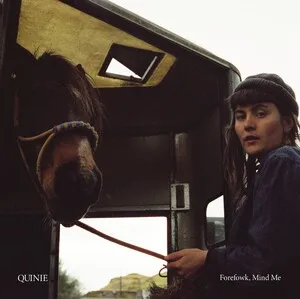
Forefowk, Mind Me
Quinie
Scots Song
Scottish Folk Music
Experimental
Similar artists
3
/5
Swans
Experimental Rock
Post-Rock
No Wave
2
/5
Natural Snow Buildings
Drone
Experimental
Free Folk
2
/5
Chris Watson
Field Recording
Lowercase
Ambient
2
/5
Shovel Dance Collective
Folk
Drone
Experimental
3
/5
Nico
Experimental
Art Rock
Proto-Punk
3
/5
Dougie MacLean
Folk
Celtic
Celtic Rock
2
/5
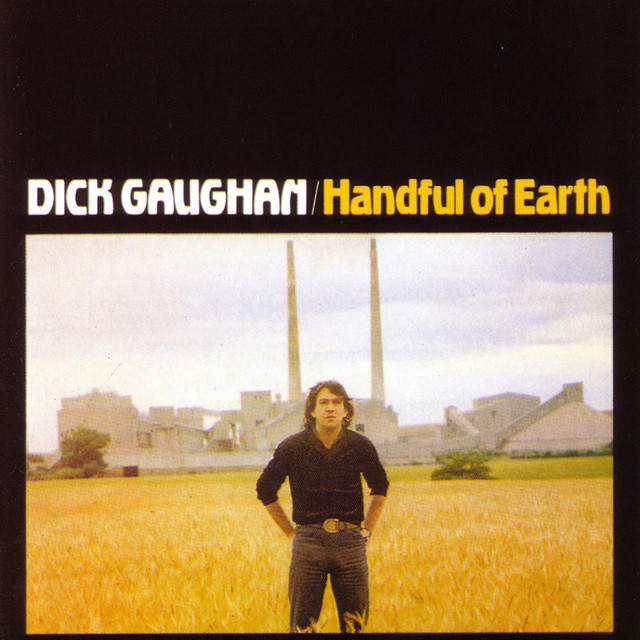
Dick Gaughan
Folk
Scottish Folk Music
Scots Song
2
/5
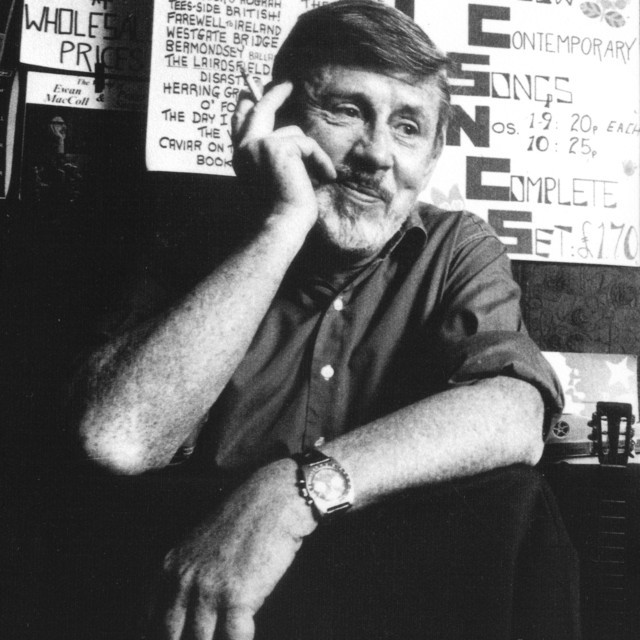
Ewan MacColl
Folk
Sea Shanty
Industrial Folk Song
2
/5
Brighde Chaimbeul
Scottish Folk Music
Celtic
Celtic Folk Music
2
/5
Peggy Seeger
Folk
Scots Song
Scottish Folk Music
Download our mobile app
Get the Melodigging app and start digging for new genres on the go
Download on the App Store
Get it on Google Play
© 2026 Melodigging
Give feedback
Legal
Melodding was created as a tribute to
Every Noise at Once
, which inspired us to help curious minds keep digging into music's ever-evolving genres.