Genres
Artists
Albums
Make Music
Sign in
Sign in
Artists
Folk
Artists
Folk
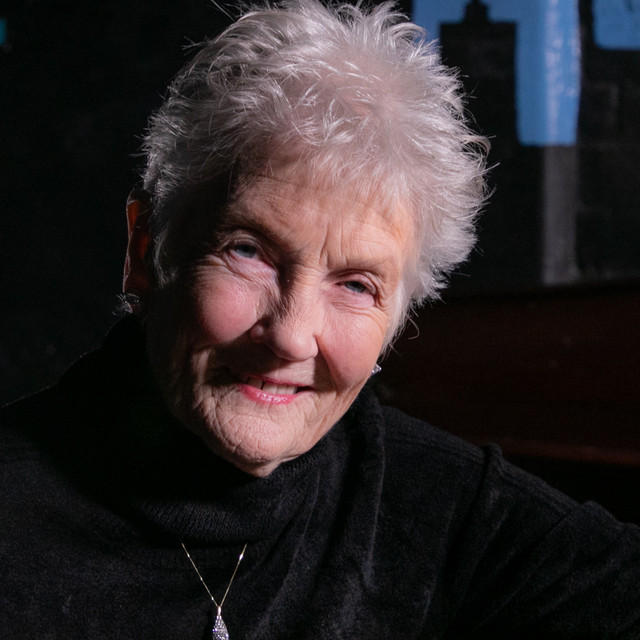
Peggy Seeger
1956–2000
·
4 albums
Listen
2
/5
Genres
Queer Country
Queer country is a contemporary movement within country and Americana that centers LGBTQ+ voices, stories, and aesthetics while keeping strong ties to classic country songwriting, instrumentation, and vocal styles. Musically, it often draws from traditional country, outlaw country, honky-tonk, and folk-country, but its defining feature is lyrical perspective: songs about queer love, gender expression, chosen family, rural/working-class life, and the tension between tradition and belonging. Rather than being a single fixed sound, queer country is best understood as a scene and cultural re-framing of country music—one that challenges the genre’s historic heteronormativity while celebrating its narrative power and community roots.
Discover
Listen
Scottish Folk Revival
Scottish folk revival refers to the post‑war resurgence of interest in Scotland’s traditional song, ballad, and instrumental music that gathered momentum from around 1950 and crested through the 1960s, before stagnating in the early 1970s. It combined field-collecting, academic study, and a grass‑roots folk-club movement with newly professional performers. The revival prized unaccompanied ballad singing and language preservation (Scots and Gaelic), but also embraced contemporary songwriting in a traditional idiom and sensitive guitar- or small-ensemble accompaniments. Its aesthetic ranged from austere traditional styles to adventurous, psychedelic-tinged interpretations.
Discover
Listen
Folk
Folk is a song-centered acoustic tradition rooted in community storytelling, everyday life, and social history. It emphasizes clear melodies, simple harmonies, and lyrics that foreground narrative, protest, and personal testimony. As a modern recorded genre, folk coalesced in the early-to-mid 20th century in the United States out of older ballad, work song, and rural dance traditions. It typically features acoustic instruments (guitar, banjo, fiddle, mandolin, harmonica), strophic song forms, and participatory singing (choruses, call-and-response).
Discover
Listen
Traditional Folk
Traditional folk is a broad umbrella for orally transmitted songs and dance tunes that circulated in rural and working-class communities before the age of mass recording. Repertoires include narrative ballads, laments, love songs, work songs, lullabies, and instrumental dance sets such as reels, jigs, hornpipes, and marches. Stylistically, traditional folk favors strophic forms, pentatonic or modal melodies (often Dorian and Mixolydian), limited harmonic movement, and strong, memorable tunes designed for communal singing and dancing. Performances range from unaccompanied solo voice to small ensembles built around fiddle, flute/whistle, pipes, concertina/accordion, guitar, banjo, and frame drum. Ornamentation, variation by verse, and flexible tempo are integral, reflecting an oral tradition where songs live through continual reinterpretation. Although it is pan‑regional, the modern idea of “traditional folk” coalesced in the 19th century through collectors and revivalists who documented vernacular music and framed it as cultural heritage.
Discover
Listen
Scots Song
Scots song refers to the tradition of Scottish songs—especially those in the Scots language and Lowland idiom—shaped by centuries of oral balladry, communal singing, and later salon and concert arrangements. It is characterized by memorable, strophic melodies; diatonic or modal harmonies (often pentatonic or Mixolydian); narrative and lyrical texts that range from love and pastoral themes to political and Jacobite sentiments; and distinctive rhythmic figures such as the Scotch snap. While rooted in folk practice, Scots song also developed a robust "art song" strand through 18th–19th century collecting, editing, and arranging by poets and composers, making it a bridge between vernacular tradition and cultivated music-making. Performance ranges from unaccompanied solo singing to accompaniment by fiddle, clàrsach (harp), smallpipes, guitar, or piano, and in the 18th–19th centuries by parlour and chamber ensembles via arrangements by figures like Haydn and Beethoven for George Thomson’s collections.
Discover
Listen
Scottish Folk Music
Scottish folk music is the traditional music of Scotland, encompassing Gaelic and Scots-language song, narrative ballads, dance tunes, and instrumental pipe and fiddle repertoires. It is marked by a strong sense of place and history, with repertoire ranging from ancient laments and work songs to brisk reels, jigs, and strathspeys. Core timbres include the Great Highland bagpipe and Scottish smallpipes, the fiddle, clàrsach (Celtic harp), whistle, accordion, guitar, and later-adopted bouzouki. Melodies often use modal scales (Mixolydian and Dorian are common) and drone-based textures, while distinctive rhythmic profiles—especially the “Scotch snap” in strathspeys—give the dance music its character. Singing traditions span puirt-à-beul (mouth music), waulking songs, Bothy ballads, Jacobite songs, and the Child ballads, performed in Scots, Scottish Gaelic, and English. Today the genre thrives both in community contexts (ceilidhs, sessions, festivals) and on professional stages, balancing preservation of local styles with contemporary arrangements and production.
Discover
Listen
Industrial Folk Song
Industrial folk song (also called industrial folk music, industrial work song, or industrial working song) is a branch of folk and traditional music that focuses on the lives, risks, and solidarities of industrial laborers. It typically adapts older folk forms—especially narrative ballads and agricultural work songs—into songs about factories, mines, mills, railways, shipyards, and other industrial workplaces. Lyrically, it often documents working conditions, class struggle, accidents and disasters, migration for work, unionization, and protest, while musically it tends to remain direct and singable so groups can perform it together in social or organizing settings.
Discover
Listen
Show all 7 genres
Albums
2000
1
/5
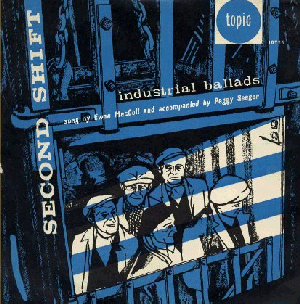
Second Shift
Ewan MacColl
Industrial Folk Song
1961
1
/5
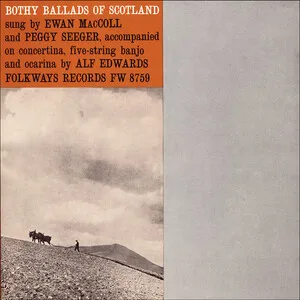
Bothy Ballads of Scotland
Ewan MacColl
Scots Song
1960
1
/5
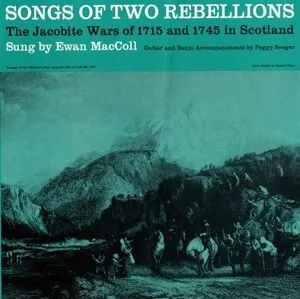
Songs of Two Rebellions: The Jacobite Wars of 1715 and 1745 in Scotland
Ewan MacColl & Peggy Seeger
Scots Song
Scottish Folk Revival
Scottish Folk Music
1956
1
/5
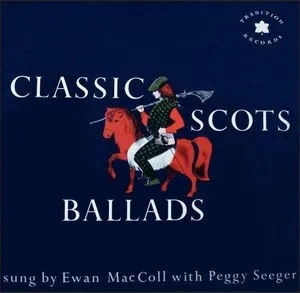
Classic Scots Ballads
Ewan MacColl & Peggy Seeger
Scottish Folk Music
Similar artists
2
/5
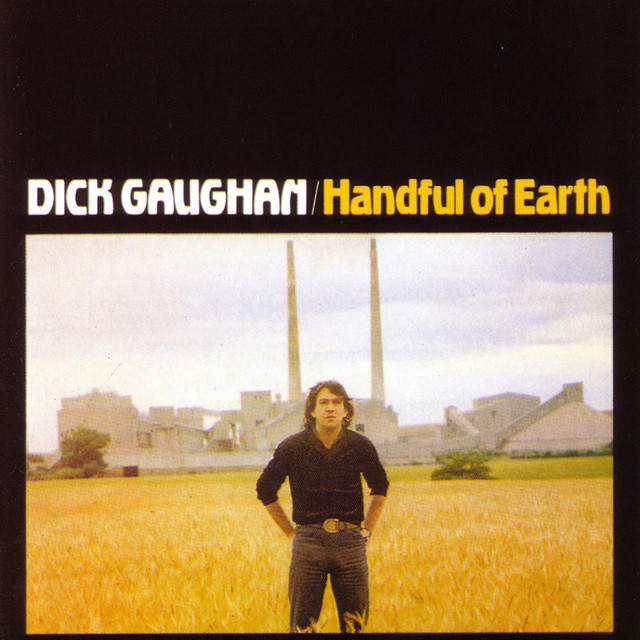
Dick Gaughan
Folk
Scottish Folk Music
Scots Song
2
/5
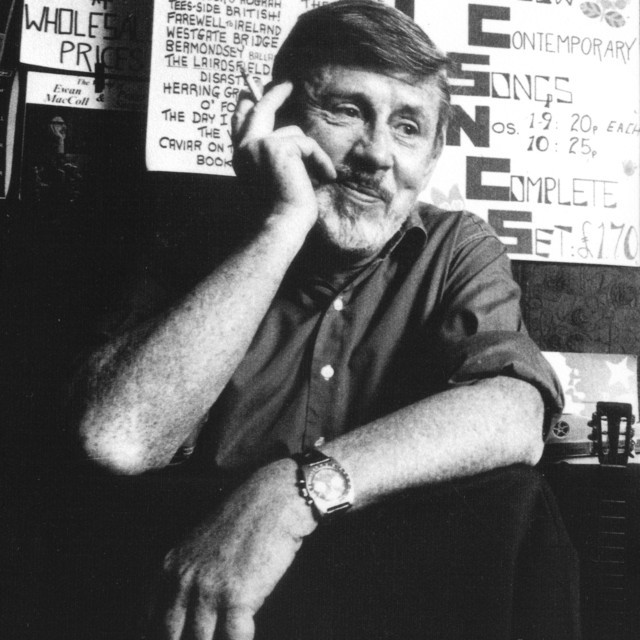
Ewan MacColl
Folk
Sea Shanty
Industrial Folk Song
1
/5
Jeannie Robertson
Scots Song
Scottish Folk Revival
Celtic
3
/5
The Corries
Scots Song
Scottish Folk Revival
Celtic
2
/5
Archie Fisher
Folk
Celtic
Scottish Folk Music
1
/5
Norman Kennedy
Folk
Scots Song
Scottish Folk Revival
3
/5
Dougie MacLean
Folk
Celtic
Celtic Rock
1
/5
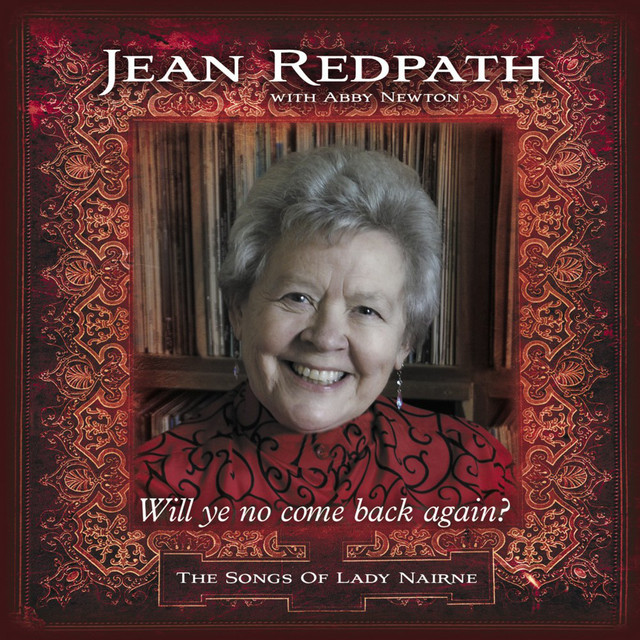
Jean Redpath
Celtic
Folk
Traditional Folk
1
/5
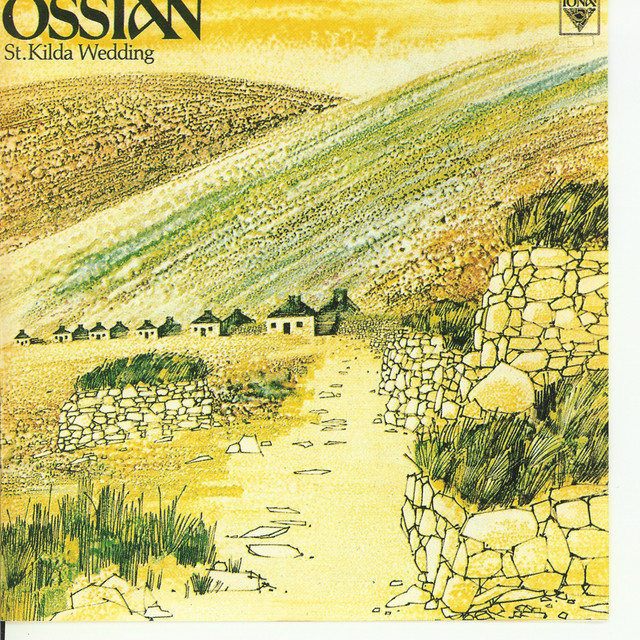
Ossian
Scottish Folk Revival
Celtic
Folk
2
/5
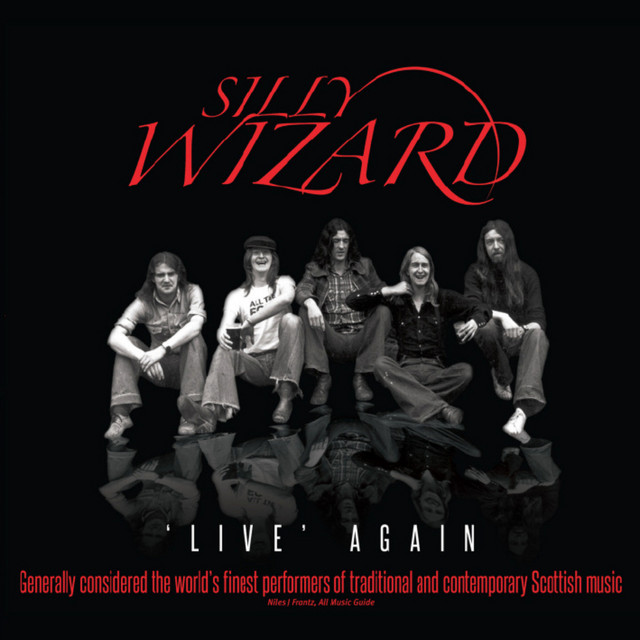
Silly Wizard
Celtic
Folk
Scottish Folk Music
Download our mobile app
Get the Melodigging app and start digging for new genres on the go
Download on the App Store
Get it on Google Play
© 2026 Melodigging
Give feedback
Legal
Melodding was created as a tribute to
Every Noise at Once
, which inspired us to help curious minds keep digging into music's ever-evolving genres.