Genres
Artists
Albums
Make Music
Sign in
Sign in
Artists
Guaracha
Artists
Guaracha
qhabb
2024
·
1 album
Listen
1
/5
Genres
Desi
Desi is a contemporary umbrella term for South Asian–rooted popular music made both in the subcontinent and across its global diaspora. It blends Hindi, Punjabi, Urdu (and other regional) lyrics with Western pop, hip hop, R&B, and EDM production, while retaining melodic sensibilities from filmi/bollywood and classical/folk traditions. The sound ranges from romantic, hook-forward ballads to high-energy dance tracks driven by dhol- and tumbi-influenced rhythms. It is less a single formula than a shared aesthetic: flexible code-switching (Hinglish, Punjabi-English), raga-tinged melodies, and club-ready beats that connect Bollywood lineage, Punjabi bhangra, and global urban music.
Discover
Listen
Funkot
Funkot (often called Hardfunk, House Kota, Indonesian House, or Indonesian Hardcore) is a high‑tempo Indonesian form of electronic dance music that emerged in the 1990s. Built around 4/4 club frameworks and tempos typically between 160–220 BPM, it fuses Eurodance and Trance supersaw leads and anthemic hooks with the syncopated, rolling percussion patterns of dangdut—especially dangdut koplo. The result is a relentlessly driving, party‑focused style marked by big snare and tom fills, whistle and horn stabs, chopped vocal shouts, and quick, dramatic builds and drops. While it shares energy with happy hardcore and Eurobeat, Funkot’s identity is unmistakably Indonesian: it borrows rhythmic cells, percussion timbres (e.g., kendang‑like patterns), and sometimes scale color from local traditions, translating them into turbocharged club arrangements designed for peak‑time dancefloors.
Discover
Listen
Electronica
Electronica is a broad, largely 1990s umbrella term for a spectrum of electronic music crafted as much for immersive, album‑oriented listening as for clubs and raves. It gathers elements from techno, house, ambient, breakbeat, IDM, and hip hop production, emphasizing synthesizers, drum machines, samplers, and studio experimentation. The sound can range from downtempo and atmospheric to hard‑hitting and breakbeat‑driven, but it typically foregrounds sound design, texture, and mood over strict dance‑floor utility. In the mid‑to‑late 1990s the term was used by labels and press—especially in the United States—to market and introduce diverse electronic acts to mainstream rock and pop audiences.
Discover
Listen
Guaracha
Guaracha is a fast‑paced Cuban song–dance genre known for witty, satirical, and often picaresque lyrics delivered over a driving Afro‑Cuban groove. It typically uses the son clave (in 2–3 or 3–2 orientation), call‑and‑response coros, and a lively montuno section that invites dance and audience participation. Originally tied to popular and comic theater, guaracha later became a staple of Cuban conjuntos and charangas, and it survives in the salsa repertoire as a label for brisk, upbeat numbers. Instrumentation commonly includes voice(s), guitar or tres, bass, bongó, maracas, claves, and often trumpets or charanga flute/violins. Harmonies are straightforward and bright (major keys, I–IV–V with frequent secondary dominants), while the rhythmic feel is relentlessly syncopated and festive. The term should not be confused with modern "guaracha edm" (a separate, contemporary club style); historical Cuban guaracha is a distinct traditional genre with roots in 19th‑century Havana and theatrical culture.
Discover
Listen
Qawwali
Qawwali is a Sufi devotional vocal music from the Indian subcontinent that aims to evoke spiritual ecstasy and communal devotion. It is typically performed by a lead singer (qawwal) with a small ensemble of accompanying vocalists, harmoniums, handclaps, and percussion such as dholak and tabla. Musically, Qawwali blends raga-based melodic frameworks and flexible, improvisatory singing with driving rhythms and responsorial choruses. Texts are drawn from Urdu, Persian, Punjabi, and other North Indian languages, and include ghazals, kafis, hamds (praise of God), naats (praise of the Prophet), and manqabats (praise of Sufi saints). Performances traditionally take place at Sufi shrines (dargahs), where repetition, call-and-response, and gradual intensification lead listeners toward wajd (states of spiritual ecstasy). In the modern era, Qawwali is also heard on concert stages, recordings, and film.
Discover
Listen
Sufi
Sufi is a devotional musical tradition rooted in Islamic mysticism that seeks to induce remembrance of the Divine (dhikr) and transport performers and listeners toward spiritual ecstasy (wajd). It is not a single uniform style, but a family of practices that vary across regions—most notably Persian/Iranian, Anatolian/Turkish (Mevlevi), Arab, and South Asian (qawwali, kafi). Musically, Sufi repertoire tends to revolve around repetitive, mantra-like refrains, call-and-response between lead and chorus, and gradual intensification over cyclical rhythms. Melodic language draws from regional modal systems such as the Persian dastgāh, Ottoman/Turkish makam, and South Asian raga, and is often supported by drones. Texts are central: poetry by mystic masters like Rumi, Hafez, Bullhe Shah, and Amir Khusrau is sung in Persian, Urdu, Punjabi, Arabic, Turkish, and other languages. Instrumentation varies by locale—harmonium, tabla/dholak, tanpura, and clapping in South Asia; ney, kudüm, bendir, and tanbur in Turkey; oud and frame drums across the Arab world—yet the unifying aim is spiritual uplift and inner transformation.
Discover
Listen
Albums
2024
1
/5
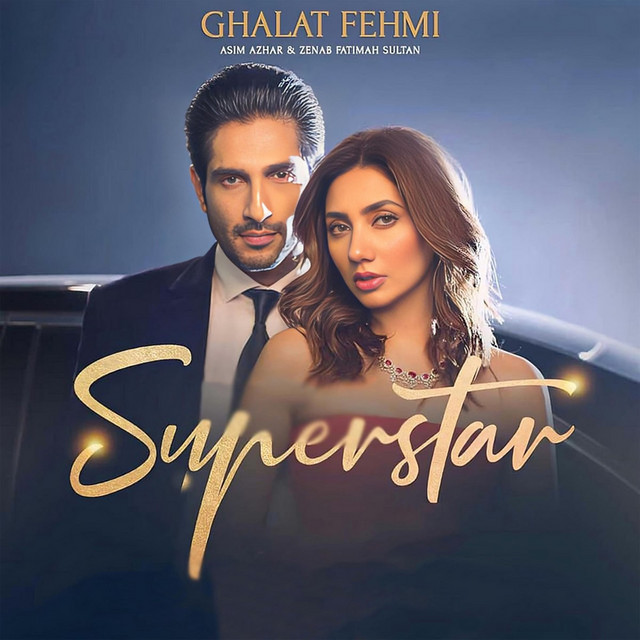
Ghalat Fehmi From 'Superstar'
qhabb
Guaracha
Electronica
Qawwali
Similar artists
5
/5
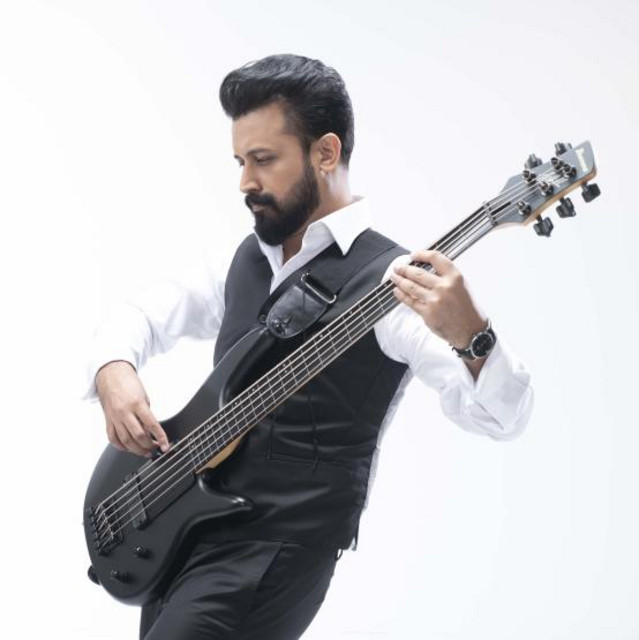
Atif Aslam
Qawwali
Sufi
Bollywood
4
/5
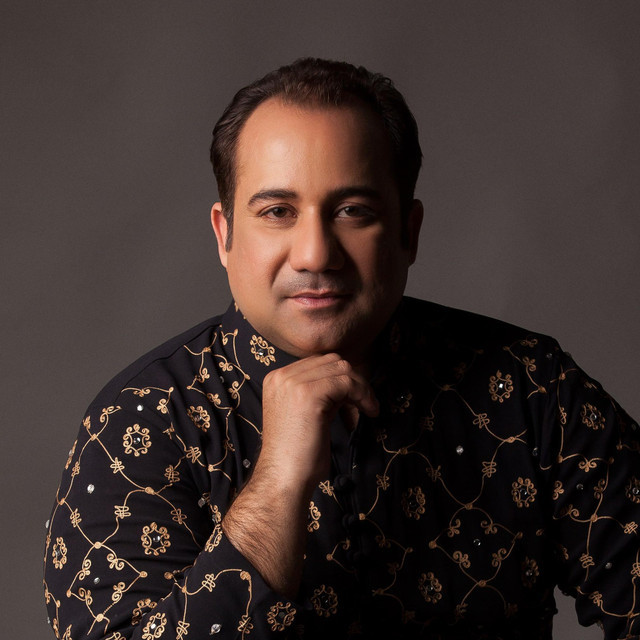
Rahat Fateh Ali Khan
Ghazal
Qawwali
Sufi
3
/5
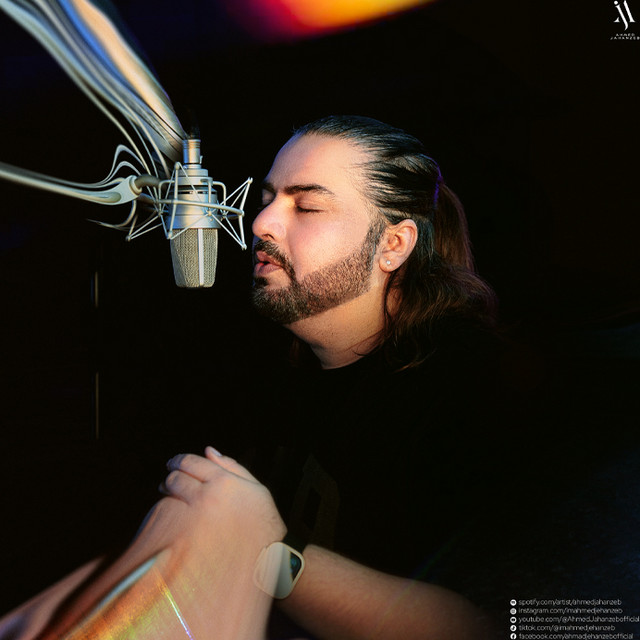
Ahmed Jahanzeb
Desi
Qawwali
Sufi
5
/5
Pritam
Bollywood
Filmi
Pop
5
/5
Vishal-Shekhar
Bollywood
Filmi
Pop
4
/5
Salim–Sulaiman
Sufi
Bollywood
Desi
3
/5
Ali Sethi
Sufi
Desi
Ghazal
2
/5
Junoon
Sufi
Sufi Rock
Desi
5
/5
A.R. Rahman
Bollywood
Filmi
Sufi
4
/5
Javed Akhtar
Bollywood
Sufi
Desi
Download our mobile app
Get the Melodigging app and start digging for new genres on the go
Download on the App Store
Get it on Google Play
© 2026 Melodigging
Give feedback
Legal
Melodding was created as a tribute to
Every Noise at Once
, which inspired us to help curious minds keep digging into music's ever-evolving genres.