Genres
Artists
Albums
Make Music
Sign in
Sign in
Artists
Classical
Artists
Classical
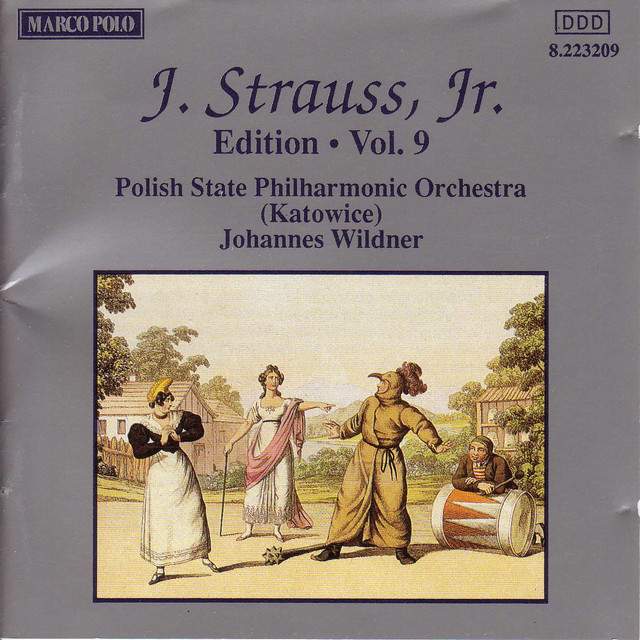
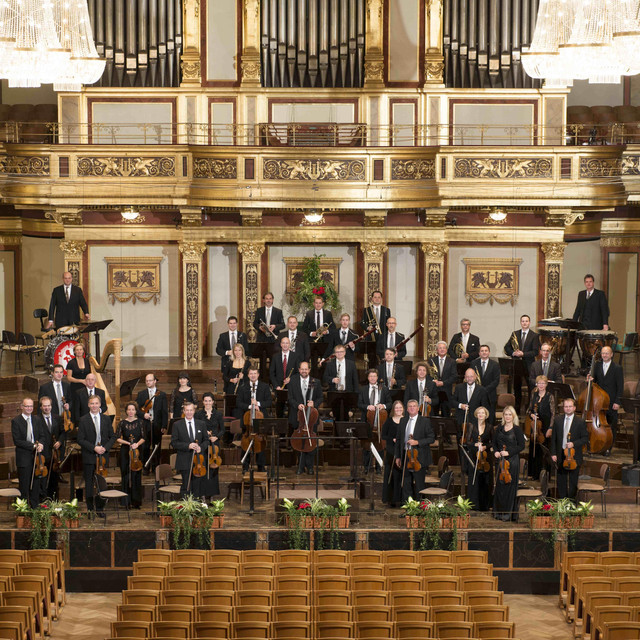
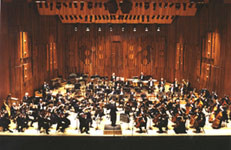
Polish State Philharmonic Orchestra, Katowice
1997
·
1 album
Listen
2
/5
Genres
Młoda Polska
Młoda Polska (Young Poland) in music was a Polish modernist movement that flourished around the turn of the 20th century. It bridged late-Romantic expressive language with new coloristic and formal ideas drawn from European modernism. Its composers favored lush orchestration, long-breathed melody, rich chromatic harmony, and programmatic thinking (especially in the symphonic poem), while gradually absorbing impressionistic timbres and national elements. The result is music that can feel simultaneously sensuous and searching—romantically charged yet already stepping toward the 20th century.
Discover
Listen
Polka
Polka is a lively Central European couple dance and musical style in a brisk 2/4 meter, characterized by its buoyant “oom‑pah” bass-chord accompaniment and bright, diatonic melodies. Originating in Bohemia (today’s Czech Republic) in the early 19th century, it quickly became a pan-European craze before taking root across immigrant communities in the Americas. Ensembles typically feature accordion or button box/concertina, clarinet or saxophone, trumpets/trombone, tuba or string bass, and drum kit, with regional variants highlighting different lead voices and rhythmic feels. While the classical ballroom tradition codified polka into formal strains (often AABB with a contrasting trio), folk and popular styles favor singable tunes, simple I–IV–V harmonies, and tempos commonly around 115–135 BPM, inviting upbeat social dancing and communal celebration.
Discover
Listen
Classical
Classical music is the notated art-music tradition of Europe and its global descendants, characterized by durable forms, carefully codified harmony and counterpoint, and a literate score-based practice. The term “classical” can refer broadly to the entire Western art-music lineage from the Medieval era to today, not just the Classical period (c. 1750s–1820s). It privileges long-form structures (such as symphonies, sonatas, concertos, masses, and operas), functional or modal harmony, thematic development, and timbral nuance across ensembles ranging from solo instruments to full orchestras and choirs. Across centuries, the style evolved from chant and modal polyphony to tonal harmony, and later to post-tonal idioms, while maintaining a shared emphasis on written notation, performance practice, and craft.
Discover
Listen
Albums
1997
1
/5
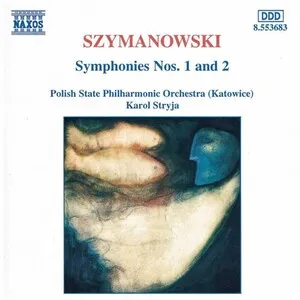
Symphonies Nos. 1 and 2
Karol Szymanowski / Filharmonia Śląska / Karol Stryja
Młoda Polska
Similar artists
3
/5
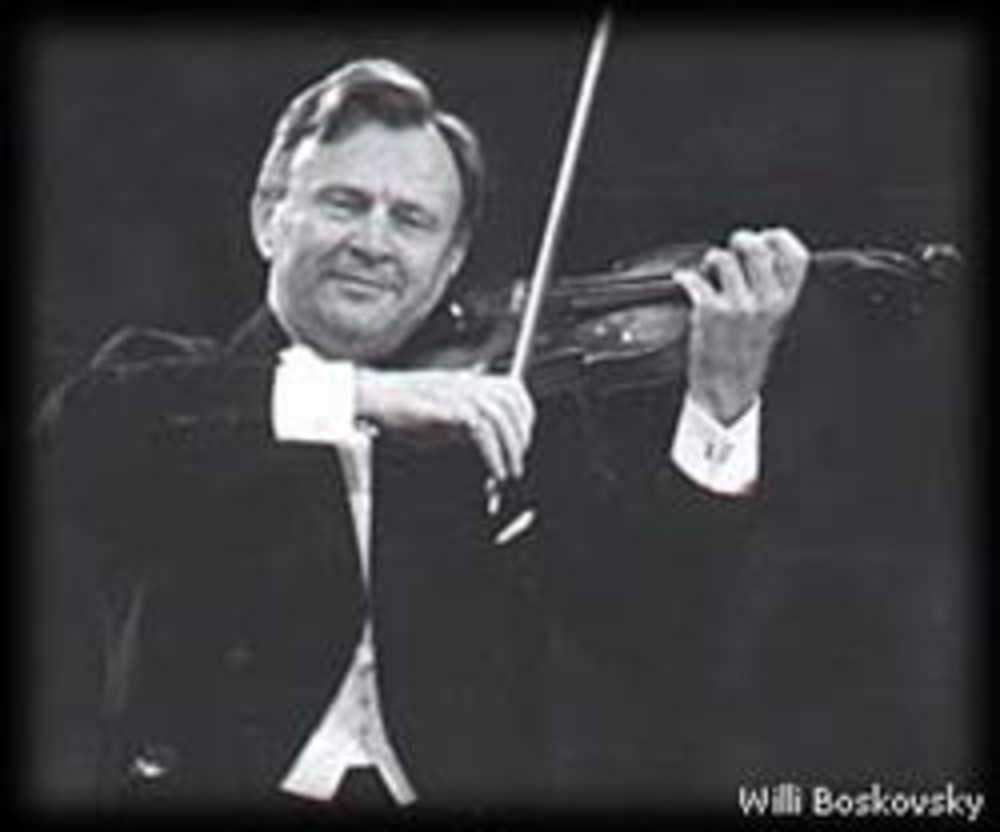
Willi Boskovsky
Classical
Polka
Waltz
3
/5
Slovak State Philharmonic Orchestra, Kosice
Classical
Orchestral
Polka
3
/5
Wiener Johann Strauss Orchester
Classical
Orchestral
Polka
2
/5
Slovak Sinfonietta, Zilina
Classical
Polka
2
/5
Peter Falk
Classical
Polka
4
/5
Sir Simon Rattle
Classical
Deep Soundtrack
Orchestral
3
/5
Russian State Symphony Orchestra
Classical
Orchestral
Młoda Polska
3
/5
BBC Symphony Orchestra
Classical
Opera
Orchestral
3
/5
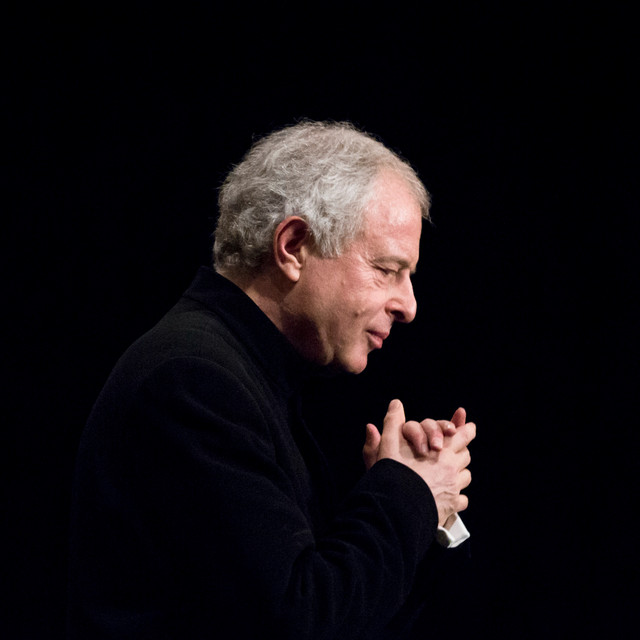
András Schiff
Classical
Classical Piano
Hungarian Classical Performance
3
/5
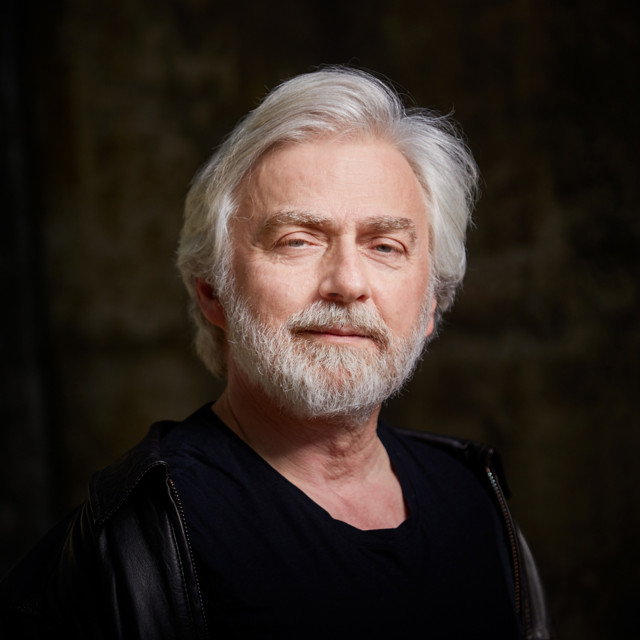
Krystian Zimerman
Classical
Concerto
Classical Performance
Download our mobile app
Get the Melodigging app and start digging for new genres on the go
Download on the App Store
Get it on Google Play
© 2026 Melodigging
Give feedback
Legal
Melodding was created as a tribute to
Every Noise at Once
, which inspired us to help curious minds keep digging into music's ever-evolving genres.