Genres
Artists
Albums
Make Music
Sign in
Sign in
Artists
Classical
Artists
Classical
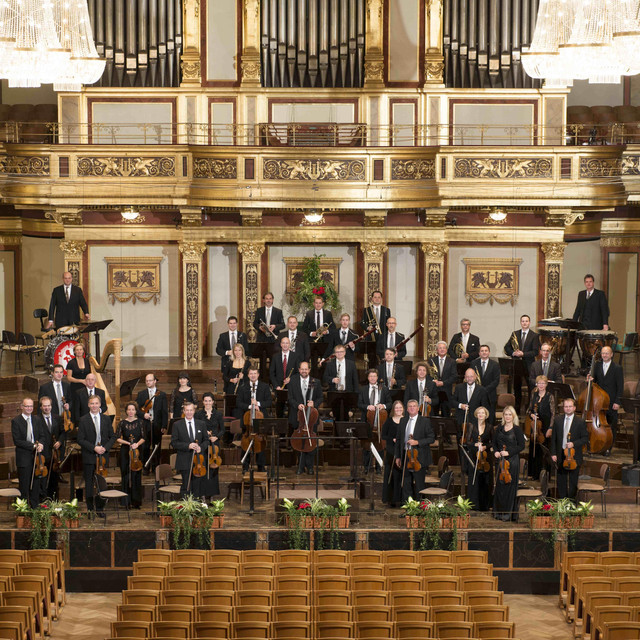
Wiener Johann Strauss Orchester
1982
·
1 album
Listen
3
/5
Genres
Polka
Polka is a lively Central European couple dance and musical style in a brisk 2/4 meter, characterized by its buoyant “oom‑pah” bass-chord accompaniment and bright, diatonic melodies. Originating in Bohemia (today’s Czech Republic) in the early 19th century, it quickly became a pan-European craze before taking root across immigrant communities in the Americas. Ensembles typically feature accordion or button box/concertina, clarinet or saxophone, trumpets/trombone, tuba or string bass, and drum kit, with regional variants highlighting different lead voices and rhythmic feels. While the classical ballroom tradition codified polka into formal strains (often AABB with a contrasting trio), folk and popular styles favor singable tunes, simple I–IV–V harmonies, and tempos commonly around 115–135 BPM, inviting upbeat social dancing and communal celebration.
Discover
Listen
Waltz
Waltz is a dance-music genre in triple meter, most commonly in 3/4 time, marked by a strong accent on the first beat and the characteristic “oom–pah–pah” accompaniment (bass note followed by two chords). Emerging from Central European folk dances and adopted by urban salons, the waltz spans both functional dance repertoire and concert pieces for piano or orchestra. Tempos vary by style: the Viennese waltz is fast and flowing, while the slow/English waltz is measured and lyrical. Melodies are typically long-breathed and cantabile, with 8- or 16-bar phrases and frequent modulations to closely related keys. The genre is culturally tied to Vienna and the Habsburg lands, where composers such as the Strausses and Lanner helped codify its form, but it has since permeated ballroom traditions, art music, folk repertoires, film, and popular music worldwide.
Discover
Listen
Orchestral
Orchestral music refers to compositions written for an orchestra—a large ensemble typically built around a string section (violins, violas, cellos, double basses), complemented by woodwinds, brass, percussion, and often harp, keyboard, or other auxiliary instruments. A conductor coordinates the ensemble, shaping balance, phrasing, and expression. The style emphasizes coloristic timbre combinations, dynamic range from the softest pianissimo to explosive tuttis, and textures that can shift seamlessly between transparent chamber-like writing and monumental masses of sound. Orchestral writing underpins concert genres such as symphonies, overtures, and tone poems, as well as opera, ballet, and modern film and game scores. While orchestral writing evolved across centuries, its core craft centers on melody, counterpoint, harmony, register, and orchestration—the art of assigning musical ideas to instruments to achieve clarity, contrast, and narrative impact.
Discover
Listen
Classical
Classical music is the notated art-music tradition of Europe and its global descendants, characterized by durable forms, carefully codified harmony and counterpoint, and a literate score-based practice. The term “classical” can refer broadly to the entire Western art-music lineage from the Medieval era to today, not just the Classical period (c. 1750s–1820s). It privileges long-form structures (such as symphonies, sonatas, concertos, masses, and operas), functional or modal harmony, thematic development, and timbral nuance across ensembles ranging from solo instruments to full orchestras and choirs. Across centuries, the style evolved from chant and modal polyphony to tonal harmony, and later to post-tonal idioms, while maintaining a shared emphasis on written notation, performance practice, and craft.
Discover
Listen
Albums
1982
3
/5
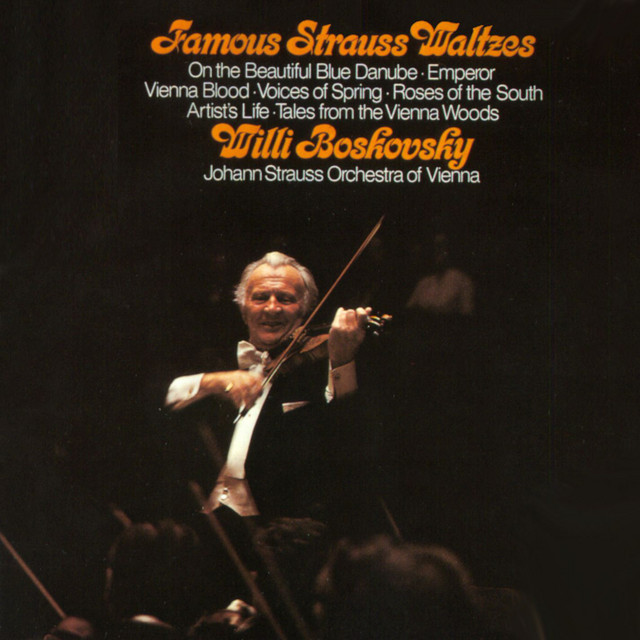
Famous Strauss Waltzes
Johann Strauss II, Wiener Johann Strauss Orchester, Willi Boskovsky
Waltz
Similar artists
3
/5
Slovak State Philharmonic Orchestra, Kosice
Classical
Orchestral
Polka
4
/5
Herbert von Karajan
Classical
Symphonic Poem
Symphony
4
/5
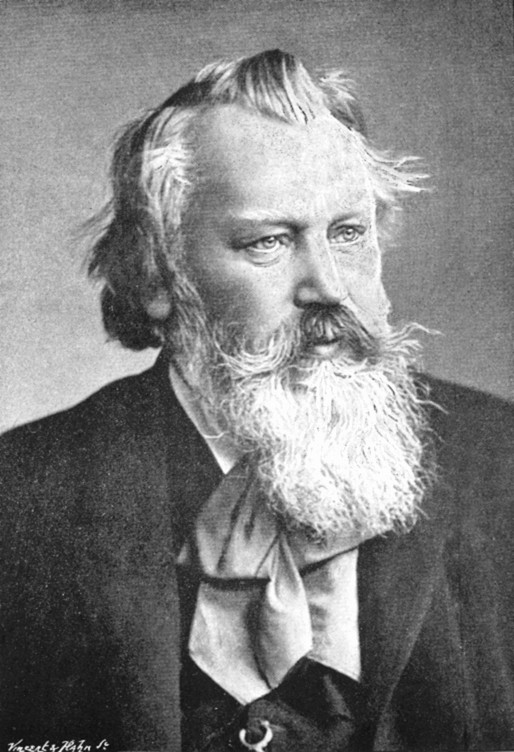
Johannes Brahms
Chamber Music
Classical
Classical Piano
4
/5
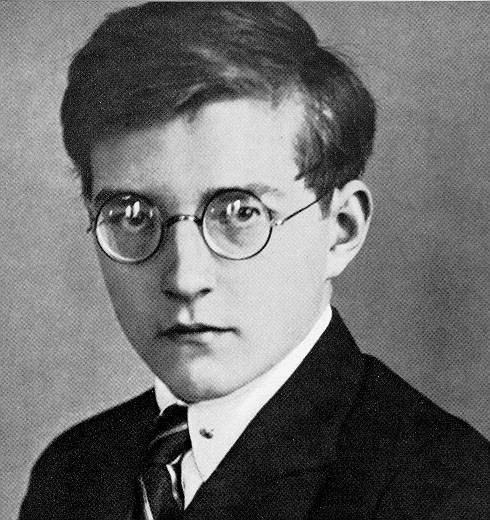
Dmitri Shostakovich
Classical
Chamber Music
Fugue
3
/5
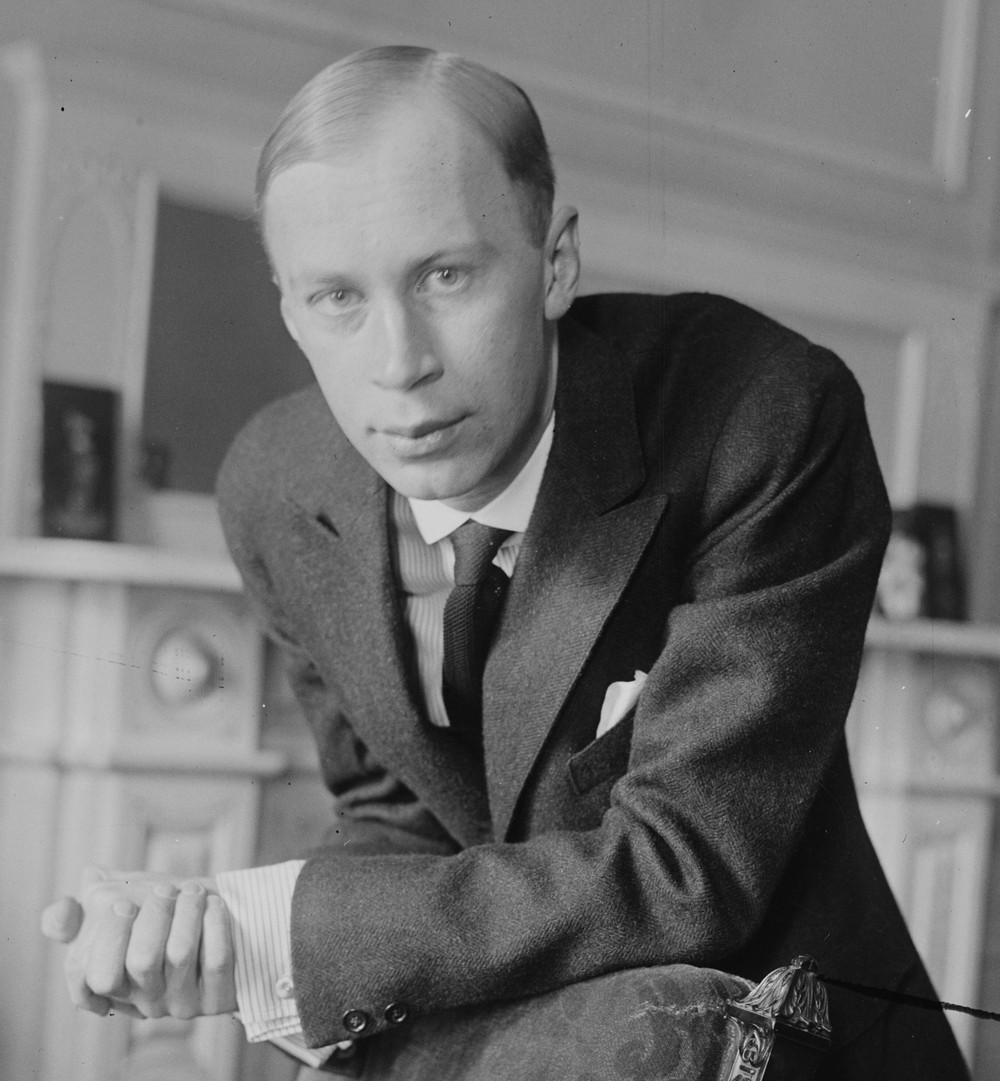
Sergei Prokofiev
Classical
Concerto
Neoclassicism
3
/5
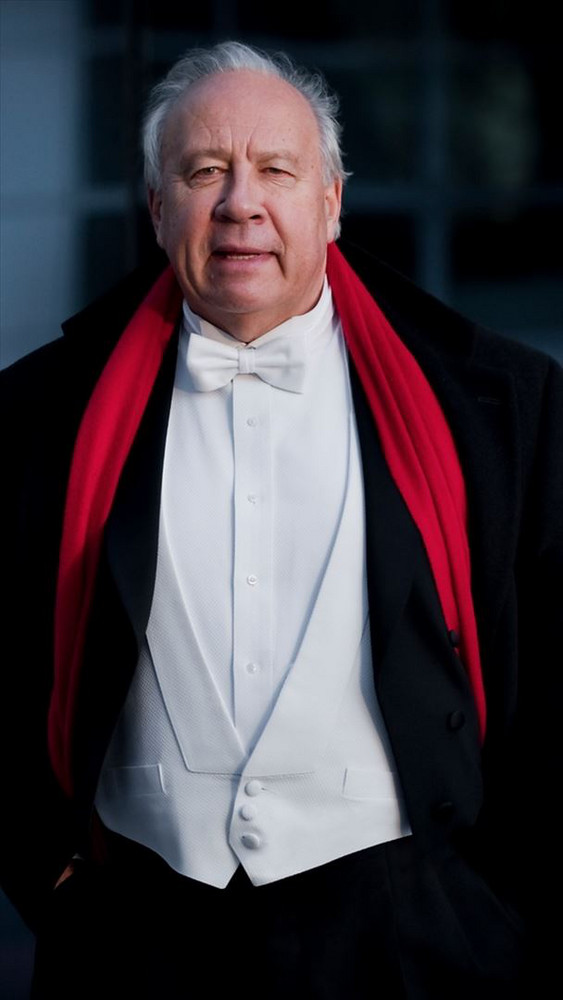
Neeme Järvi
Classical
Orchestral
Concerto
3
/5
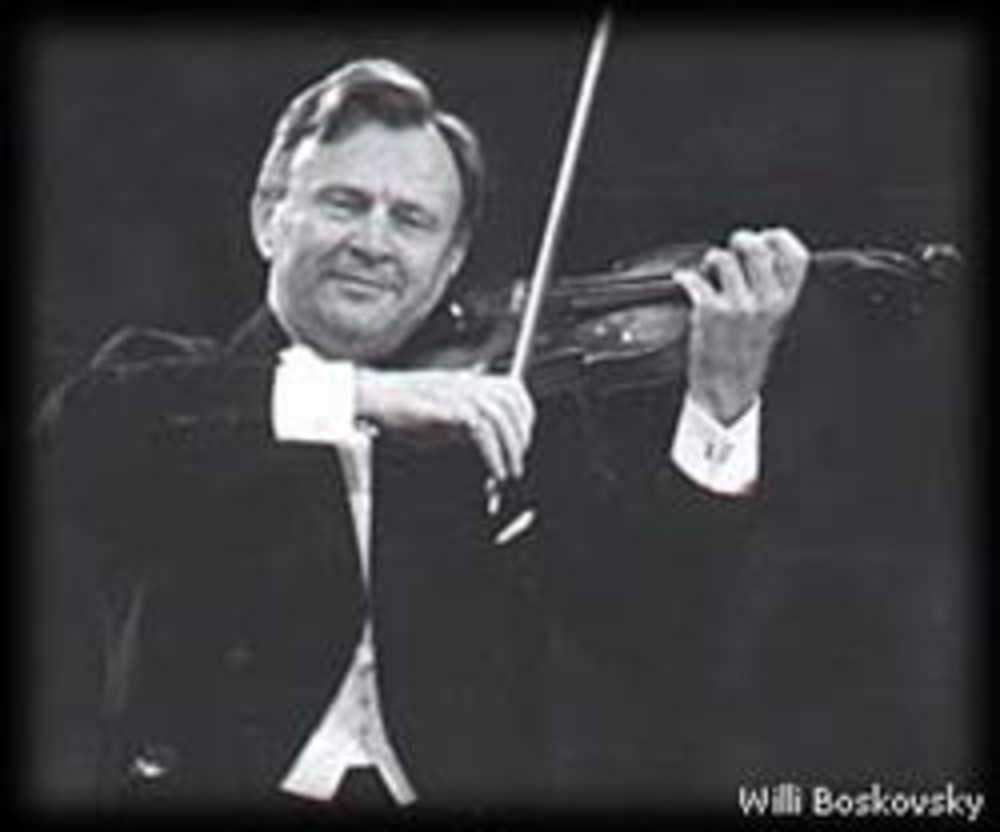
Willi Boskovsky
Classical
Polka
Waltz
3
/5
Theodore Kuchar
Classical
Orchestral
Saint Petersburg School
4
/5
Berliner Philharmoniker
Classical
Romantic Classical
Romanticism
3
/5
Bedřich Smetana
Classical
Symphonic Poem
Orchestral
Download our mobile app
Get the Melodigging app and start digging for new genres on the go
Download on the App Store
Get it on Google Play
© 2026 Melodigging
Give feedback
Legal
Melodding was created as a tribute to
Every Noise at Once
, which inspired us to help curious minds keep digging into music's ever-evolving genres.