Genres
Artists
Albums
Make Music
Sign in
Sign in
Artists
Neue Deutsche Welle
Artists
Neue Deutsche Welle
Peter Schilling
2005
·
1 album
Listen
4
/5
Genres
Covertronica
Covertronica is a microgenre centered on electronically produced cover versions of well‑known songs. Artists retain the recognizability of the original melodies and hooks, but reimagine them with contemporary electronic palettes—glossy synths, side‑chained pads, drum machines, 808s, and modern pop/EDM production. The style thrives on clever reharmonization (e.g., minor/major flips), tempo shifts, and textural redesign, often translating rock, soul, or classic pop into sleek electropop/indietronica frameworks. Vocals are typically polished and upfront, with stacked harmonies, tight autotune as a color (when desired), and arrangement tricks such as filtered intros, half‑time drops, and breakdowns that mirror club and synth‑pop dynamics. Because the repertoire comes from existing songs, covertronica is as much about curatorial taste and arrangement craft as it is about sound design, making it a meeting point between DJ culture’s recontextualization and the singer‑producer era of the internet.
Discover
Listen
Grave Wave
Grave wave is a modern, goth-leaning strain of darkwave and synth-driven post-punk that emerged in the early 2010s. It blends the icier textures of 1980s coldwave and minimal wave with pulsing drum machines, brooding basslines, and spectral vocals drenched in reverb. The style favors analog and retro-styled synthesizers, chorus-laden guitars, and tightly programmed rhythms that evoke nocturnal cityscapes, underground clubs, and cinematic horror aesthetics. Lyrically it leans toward themes of alienation, desire, memory, and the uncanny—often delivered in low, detached croons or ethereal whispers. Sonically, grave wave sits between darkwave and synth-pop: more driving and danceable than pure coldwave, but more shadowy and melancholic than mainstream synth-pop. Its atmosphere is moody yet propulsive, making it equally at home on a dim dancefloor or in headphones on a late-night walk.
Discover
Listen
Indie Pop Rap
Indie pop rap blends the melodic hooks and DIY aesthetic of indie pop with conversational, often introspective rap delivery. The production favors warm, guitar- or synth-led beats, understated drums, and lo‑fi textures over bombastic trap maximalism. Lyrically, it leans personal and relatable—relationships, coming of age, mental health, and day-to-day vignettes—delivered in a half-sung, half-rapped style. The sound was shaped by bedroom producers and the streaming era, where low-stakes, catchy songs with intimate vocals thrive on playlists and social media.
Discover
Listen
Indie Shoegaze
Indie shoegaze is a modern fusion of indie rock songcraft with the texture-heavy aesthetics of classic shoegaze. It keeps the haze: washed-out guitars drenched in reverb and delay, breathy or buried vocals, and a strong emphasis on atmosphere. Unlike the denser, sometimes overwhelming walls of sound in late-’80s/early-’90s shoegaze, indie shoegaze tends to prize clearer hooks, jangly patterns, and compact song forms. The result is a gauzy, melodic sound that feels intimate and contemporary while still dreamily saturated.
Discover
Listen
Escape Room
Escape room is a data-driven label popularized by Spotify to cluster artists who blur lines between alternative R&B, experimental pop, left-field hip hop, and cutting‑edge club/electronic production. Rather than a strict set of musical rules, it signals a sound defined by textural minimalism, sub‑heavy and off‑kilter rhythms, intimate vocal delivery (often breathy or ASMR-adjacent), and a strong emphasis on sound design and negative space. Songs frequently juxtapose glossy melodies with abrasive or deconstructed percussive layers, creating a stylish, future‑leaning mood that resists easy categorization. The name is unrelated to physical puzzle rooms; instead, it marks music that “escapes” legacy genre boxes while remaining pop‑adjacent and internet‑native in aesthetics and distribution.
Discover
Listen
Pov: Indie
"pov: indie" is a social-media-native microstyle built around short, cinematic indie-pop/indie-rock snippets designed to accompany a first-person (POV) narrative. Instead of being defined by a single new musical technique, it is defined by context: the music is chosen or written to feel like the soundtrack to a specific moment (a crush, a late-night walk, moving to a new city, seasonal nostalgia). Sonically it typically uses bright but soft guitars or synths, intimate vocals, simple memorable hooks, and production that reads clearly on phone speakers. The emotional tone is often wistful, tender, and “coming-of-age,” with lyrics that can be understood quickly in a 10–30 second clip.
Discover
Listen
Wave
Wave is an internet-born electronic genre that emerged in the mid‑2010s, blending half‑time trap rhythms with ambient pads, emotive minor‑key harmony, and dubstep-informed sound design. It favors atmosphere and mood over maximal aggression, often pairing wide, reverb‑washed textures with weighty 808 subs and sparse melodic leads. Tracks typically sit around 120–140 BPM with a half‑time feel (60–70 BPM perceived), featuring crisp hi‑hat flicks, roomy snares on beat three, and long, cinematic builds and breakdowns. Vocals, when present, tend to be ethereal phrases or chopped one‑shots used as textures rather than full verses. While rooted in online communities and labels/collectives, Wave gradually crossed over to physical club spaces, maintaining a balance between headphone introspection and dancefloor momentum.
Discover
Listen
Happy Hardcore
Happy hardcore is a fast, euphoric branch of the early UK rave continuum characterized by brisk tempos, 4/4 kicks, bright piano stabs, supersaw leads, and pitched-up “chipmunk” vocals. It emphasizes major-key harmony, catchy melodies, and ecstatic breakdowns, aiming for maximum uplift on the dancefloor. Compared to darker hardcore and gabber, happy hardcore favors feel-good hooks, singalong choruses, and sentimental atmospheres while retaining the relentless energy and drive of hardcore techno.
Discover
Listen
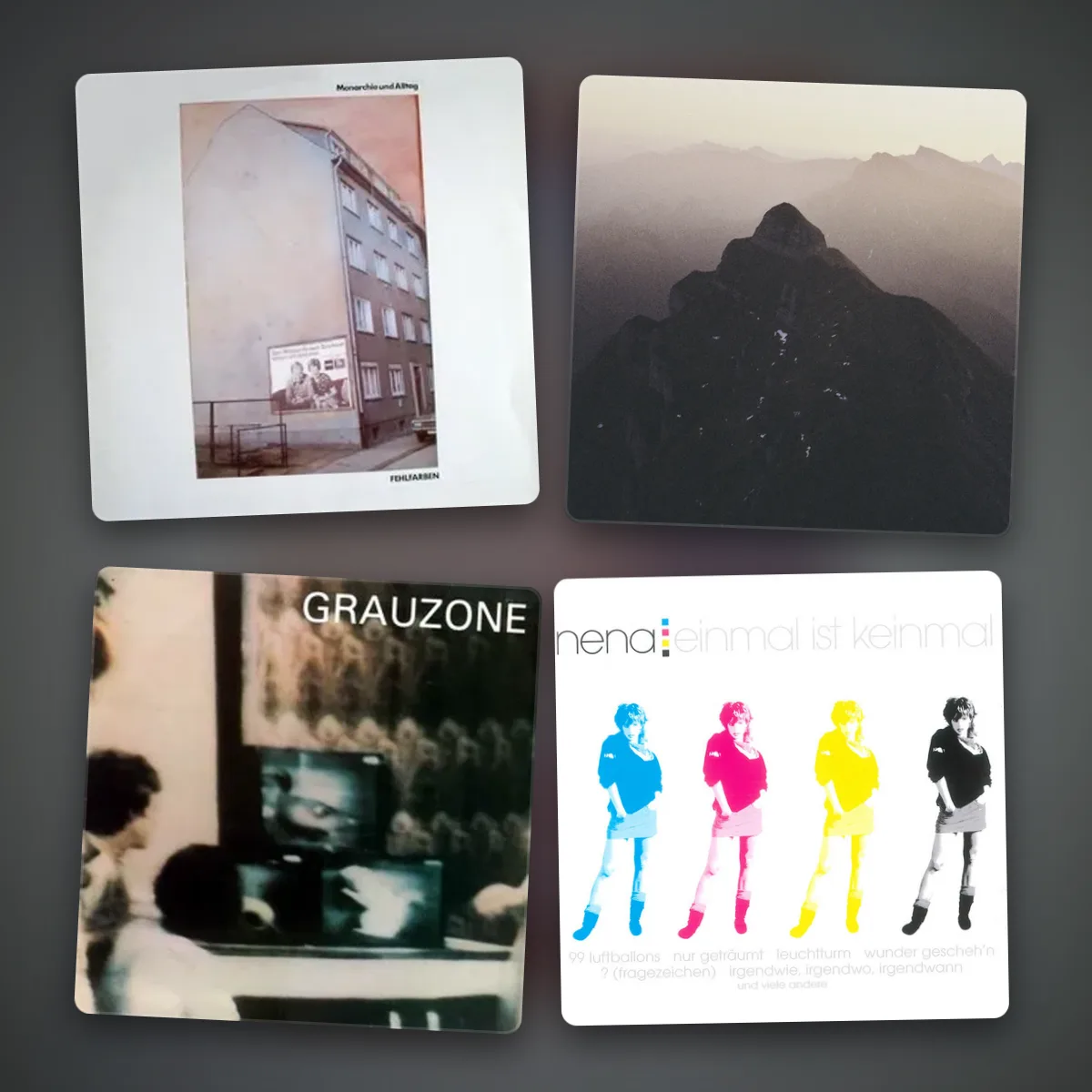
Neue Deutsche Welle
Neue Deutsche Welle (NDW) is a German-language movement of the early 1980s that fused punk and post-punk attitude with new wave and synth-pop sonics. It typically features minimalist arrangements, deadpan or Sprechgesang vocal delivery, and witty, satirical, or absurdist lyrics delivered in German. Musically, NDW leans on simple drum-machine patterns, dry basslines, bright analog synth hooks, and clipped, chorus-treated guitars. The tone oscillates between playful and sardonic, with catchy pop sensibilities rubbing against an art-school, experimental edge. While rooted in underground clubs, the genre briefly crossed into European and global pop charts with enduring hits in the mid-1980s.
Discover
Listen
Synth-Pop
Synth-pop is a pop-oriented style that foregrounds the synthesizer as its primary instrument, often paired with drum machines and sequencers. It favors clean, melodic hooks, concise song structures, and a sleek, modernist sound that ranges from cool and minimal to lush and romantic. Emerging at the turn of the 1980s from the UK new wave and post-punk scenes, synth-pop leveraged affordable analog and then digital keyboards to bring electronic textures into the mainstream. Its sonic palette includes arpeggiated basslines, shimmering pads, bright leads, gated or machine-driven drums, and polished vocals that convey both futuristic detachment and emotional immediacy.
Discover
Listen
New Wave
New wave is a broad, pop-oriented umbrella for styles that emerged in the mid-to-late 1970s as a sleeker, more melodic outgrowth of punk culture. Initially, the term varied by region: in the United States it was first used by critics and labels (famously Sire Records’ “Don’t Call It Punk” campaign in 1977) to rebrand punk-associated artists with more radio-friendly aesthetics; in the United Kingdom it encompassed a wider constellation of fresh, stylish post-punk-era sounds. Over time, “new wave” became a catch‑all for hooky guitar pop, synth-driven songs, danceable rhythms, and modernist production sensibilities. Sonically, it blends tight, upbeat rhythms (often disco- and reggae-informed), clean chorus/flanger guitars, prominent synthesizers, and concise, hook-led songwriting. Its visual identity—sharp suits, futurist imagery, and fashion-forward presentation—was integral, aligning with the rise of music television and emphasizing art-school wit, irony, and modern urban themes.
Discover
Listen
Pop
Pop is a broad, hook-driven style of popular music designed for wide appeal. It emphasizes memorable melodies, concise song structures, polished vocals, and production intended for radio, charts, and mass media. While pop continually absorbs elements from other styles, its core remains singable choruses, accessible harmonies, and rhythmic clarity. Typical forms include verse–pre-chorus–chorus, frequent use of bridges and middle-eights, and ear-catching intros and outros. Pop is not defined by a single instrumentation. It flexibly incorporates acoustic and electric instruments, drum machines, synthesizers, and increasingly digital production techniques, always in service of the song and the hook.
Discover
Listen
Show all 12 genres
Albums
2005
3
/5
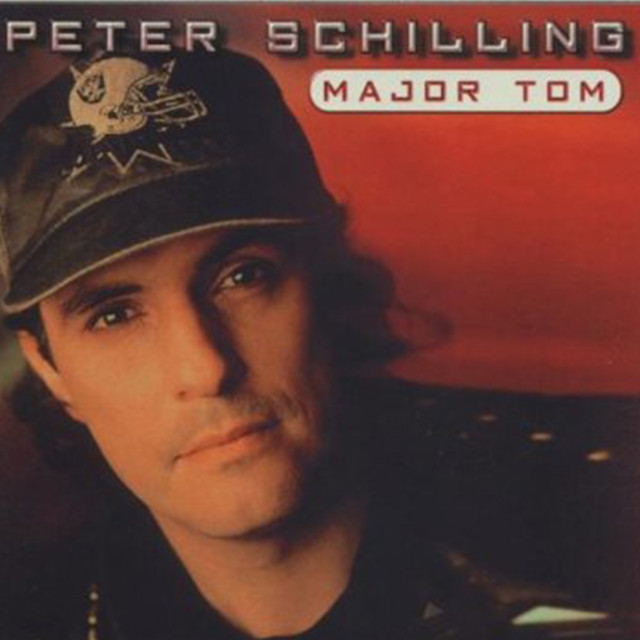
Major Tom
Peter Schilling
Neue Deutsche Welle
Similar artists
4
/5
Nena
Neue Deutsche Welle
German Pop
Schlager
5
/5
Gorillaz
Alternative Hip Hop
Electronic
Modern Rock
5
/5
David Bowie
Art Rock
Rock
Glam Rock
4
/5
Glass Animals
Shiver Pop
Indietronica
Pop
4
/5
Crystal Castles
Bitpop
Digital Hardcore
Nintendocore
4
/5
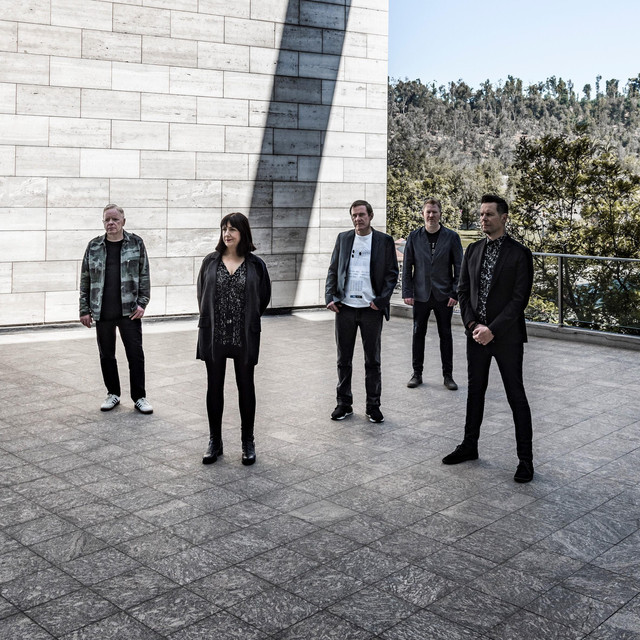
New Order
Synth-Pop
Madchester
New Wave
2
/5
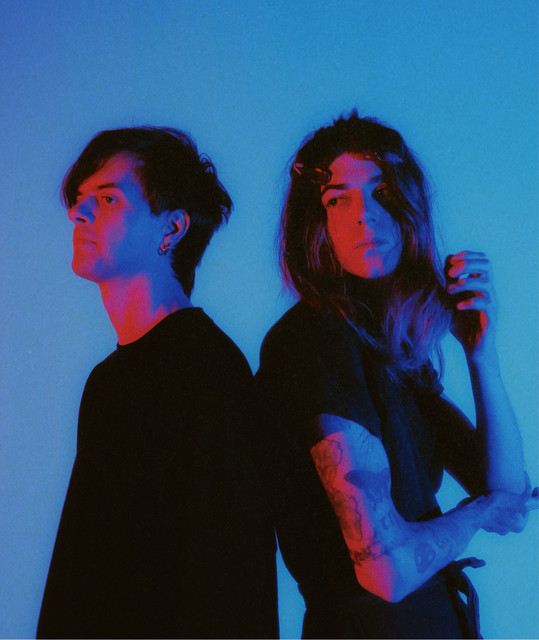
Korine
Coldwave
Dark Wave
Grave Wave
5
/5
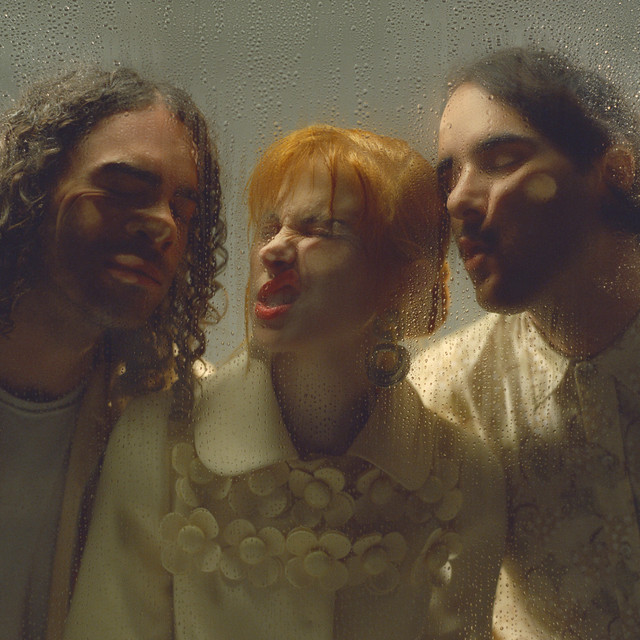
Paramore
Emo Pop
Candy Pop
Pixie
4
/5
Electric Light Orchestra
Art Rock
Rock
Symphonic Rock
3
/5
Daniel Balavoine
French Pop
Chanson Française
Chill Pop
Download our mobile app
Get the Melodigging app and start digging for new genres on the go
Download on the App Store
Get it on Google Play
© 2026 Melodigging
Give feedback
Legal
Melodding was created as a tribute to
Every Noise at Once
, which inspired us to help curious minds keep digging into music's ever-evolving genres.