Genres
Artists
Albums
Make Music
Sign in
Sign in
Artists
Indie Rock
Artists
Indie Rock
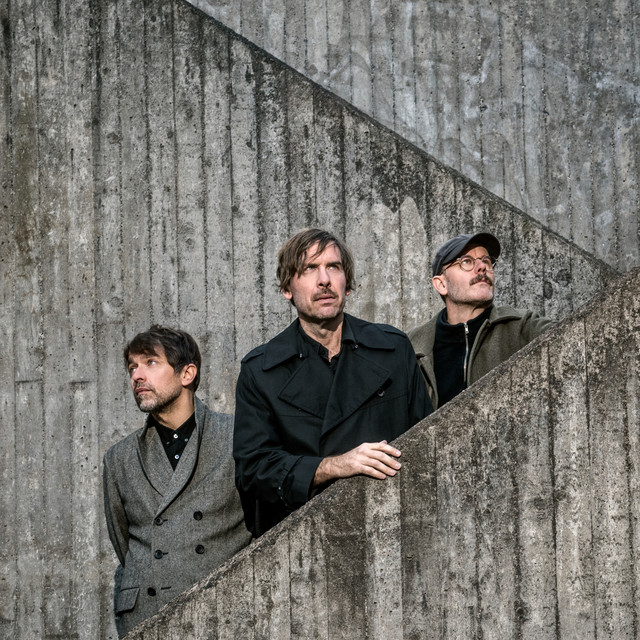
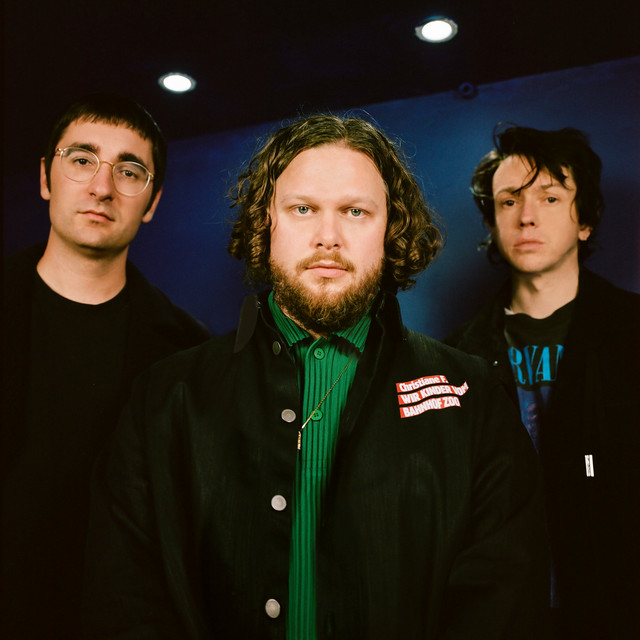
Peter Bjorn and John
2002–2020
·
9 albums
Listen
4
/5
Genres
The Wave
The Wave is a loosely defined cluster of American post-hardcore/emo bands that surged in the early 2010s as emo-pop’s mainstream moment faded. The name was a tongue‑in‑cheek scene tag that stuck in press coverage, but it points to a real overlap in sound, ethos, and touring networks. Musically, The Wave fuses the urgency of 1990s post‑hardcore and screamo with confessional, literate lyric writing associated with emo. Expect shouted or half‑sung/half‑spoken vocals, dynamic quiet‑loud builds, intricate but driving drums, and guitar textures that shift between glassy clean arpeggios and overdriven, emotive climaxes. The songs often emphasize catharsis, narrative detail, and community-minded DIY presentation.
Discover
Listen
Bedroom Pop
Bedroom pop is an internet-native, DIY strain of pop and indie music characterized by intimate vocals, gentle melodies, and home-recorded production. Artists typically write, record, and mix their songs in domestic spaces using affordable software and minimal gear. Sonically, it blends indie pop and dream pop with lo-fi textures, soft rock chords, and understated electronic beats. The focus is on a confessional, diaristic tone—often whispery or close-mic’d—paired with warm saturation, tape hiss, and nostalgic timbres. Distribution thrives on platforms like YouTube, SoundCloud, and Bandcamp, where self-released tracks can spread virally.
Discover
Listen
Classify
Classify is a streaming-era microgenre that blends light classical technique with contemporary pop repertoire, typically presented as unobtrusive instrumental covers. It prioritizes soft dynamics, gentle tempos, and intimate recording to create a calm, elegant backdrop suitable for studying, working, or events. Most arrangements are for solo piano, string quartet, cello/piano duos, or small chamber ensembles. Harmonies remain diatonic and consonant, melodies are clearly voiced, and textures favor arpeggios, ostinati, and sustained legato lines. The overall aesthetic borrows from modern classical and new age moods while retaining the familiarity of pop song forms.
Discover
Listen
High Vibe
High vibe is a contemporary, wellness-oriented microgenre that blends uplifting pop songwriting with gentle electronic textures and spiritually tinged lyrics. It emphasizes positivity, gratitude, self-empowerment, and connection to nature, often employing soothing vocal timbres, airy pads, acoustic guitars or piano, and light, mid-tempo grooves. The production is spacious and warm, favoring reverb-washed atmospheres, soft percussion, and subtle world-influenced instrumentation to create a sense of calm elevation. While rooted in pop accessibility, high vibe draws on new age and devotional traditions, bringing mantra-like hooks and affirmational refrains into modern indie and electronic frameworks.
Discover
Listen
Deep Deep Tech House
Deep deep tech house is a particularly stripped‑back, hypnotic strain of tech house that leans heavily into deep house harmony and minimal, dub‑tinged textures. It keeps the 4/4 groove and club functionality of house while favoring restrained arrangements, long tension arcs, and subtle sound‑design over big breakdowns. Typical tempos sit around 120–126 BPM; drums emphasize tight 909‑style hats and crisp, short kicks; basslines are warm, rolling subs that lock with lightly swung percussion; harmonic content tends to be sparse—muted chord stabs, airy pads, and occasional soulful vocal fragments used as texture rather than focal hooks. The overall aim is an immersive “head‑down” flow that rewards long blends and extended sets. The palette and structure trace back to tech house’s fusion of house and techno and to deep house’s smoother harmonies.
Discover
Listen
Flint Sound
Flint sound is a contemporary Michigan rap style centered in Flint, United States. It is characterized by fast, minimal, piano- or organ-led beats, dry and upfront vocals, and bar-by-bar “punch‑in” delivery that often rides slightly ahead of or behind the grid for a conversational, off‑kilter feel. The production typically favors bright piano loops, staccato 808 slides, crisp claps or rimshots, and sparse percussion, leaving plenty of space for relentless punchlines, gritty street reportage, and mischievous humor. While hard-edged and streetwise, the style frequently leans into charismatic personality and wit, making it both aggressive and infectious for dancing.
Discover
Listen
Shimmer Pop
Shimmer pop is a glossy, hook-forward offshoot of indie pop that emphasizes bright, “glassy” textures and dreamy atmospheres. Its sound is defined by clean, chorus‑drenched guitars or twinkling synth arpeggios, lush pads, and wide, sparkling high‑end detail that gives the music a literal sense of shimmer. Production often merges retro new‑wave and synth‑pop colors with modern indietronica polish, pairing side‑chained synths and gated reverbs with crisp, contemporary drum programming. Melodies are unabashedly pop, while the lyrics frequently explore romantic longing, youthful nostalgia, and late‑night introspection. Tempos typically sit in the mid‑tempo range, with steady 4/4 grooves or lightly syncopated patterns that keep the music buoyant and danceable without becoming aggressive. The overall mood balances optimism and wistfulness, creating a sound that feels both neon‑bright and emotionally tender.
Discover
Listen
Connecticut Indie
Connecticut indie is a regional strain of U.S. indie rock that blends the heartfelt directness of emo-revival with the fuzzy guitars, DIY ethics, and adventurous textures of New England’s underground. Rooted in college-town and small-city scenes (Middletown, New Haven, Willimantic, Hartford), the sound swings between twinkly, lyrically confessional indie and louder, shoegaze- or noise-tinged guitar rock. You’ll hear gang-vocal catharsis, transparent production that favors live-room energy, and occasional orchestral or synth flourishes that reflect the area’s art-school and experimental leanings. While it is geographically defined, the micro-scene’s bands networked nationally through house shows, small labels, and online communities, making Connecticut indie both locally grounded and widely connected.
Discover
Listen
London On Indie
London ON indie refers to the indie rock and indie pop scene centered in London, Ontario, Canada (often nicknamed the Forest City). It blends guitar-forward alternative rock, tuneful indie pop, and a DIY punk spirit, with occasional synth-pop shimmer and dream‑pop textures. The scene is sustained by university radio (CHRW/Radio Western), grassroots labels and promoters, and a tight network of venues such as London Music Hall, Rum Runners, and the much‑mythologized Call The Office. Lyrically, artists often capture small‑city resilience, relationships, and touring life across Southwestern Ontario, favoring earnest hooks, driving rhythms, and sing‑along choruses.
Discover
Listen
Pov: Indie
"pov: indie" is a social-media-native microstyle built around short, cinematic indie-pop/indie-rock snippets designed to accompany a first-person (POV) narrative. Instead of being defined by a single new musical technique, it is defined by context: the music is chosen or written to feel like the soundtrack to a specific moment (a crush, a late-night walk, moving to a new city, seasonal nostalgia). Sonically it typically uses bright but soft guitars or synths, intimate vocals, simple memorable hooks, and production that reads clearly on phone speakers. The emotional tone is often wistful, tender, and “coming-of-age,” with lyrics that can be understood quickly in a 10–30 second clip.
Discover
Listen
Pilates
Pilates (as a music tag) refers to functional, unobtrusive, largely instrumental music curated to accompany Pilates classes and home workouts. It emphasizes smooth, breath-synchronized flow, stable tempos, and gentle dynamics that support precise, low‑impact movements rather than demand attention. Typical playlists blend calming ambient textures, new age pads and piano, soft downtempo beats, and lounge/chillout grooves. Tracks avoid abrupt transitions, harsh transients, or prominent vocals so instructors and practitioners can focus on alignment, core control, and breathing cues. Tempos cluster in the mid‑range (roughly 80–110 BPM for controlled flow) with slightly faster passages (up to ~120–125 BPM) for more athletic sequences, and slower, atmospheric cues for warm‑ups and cool‑downs. Production values prioritize warmth, spaciousness, and clarity: round low end for grounded movement, soft high‑frequency detail that doesn’t fatigue the ear, and steady dynamics to keep the nervous system calm and attention centered on form.
Discover
Listen
Chill Groove
Chill groove is a laid‑back, mid‑tempo blend of downtempo, lounge, and smooth jazz aesthetics designed for relaxed listening without losing a sense of rhythmic movement. It favors warm, rounded bass lines, syncopated but unhurried drum patterns, and silky textures from Rhodes pianos, jazz guitars, flutes, or saxophones. Typical tracks sit in the 80–110 BPM range and use jazzy extended chords, gentle percussion (shakers, congas, brushes), and understated melodic hooks. Production emphasizes atmosphere—reverbs, delays, subtle vinyl/tape coloration—while keeping the groove tight and steady. The result works equally well as elegant background music (cafés, lounges, creative work) and intimate, headphone‑focused listening.
Discover
Listen
Normal Indie
Normal Indie is a micro-genre term, popularized by data-driven music classification systems like Spotify's 'Every Noise at Once', that describes the 'median' sound of indie rock and indie pop. It represents the accessible, melodic, and song-focused center of the indie music spectrum, avoiding the extremes of experimental noise, abrasive lo-fi, or overly polished mainstream pop. The sound is characterized by a blend of acoustic and clean electric guitars, standard verse-chorus structures, literate and introspective songwriting, and a generally pleasant, unpretentious atmosphere. It is the sound of indie music after it broke into the cultural mainstream, becoming the 'normal' alternative music for a generation.
Discover
Listen
Indie Rock
Indie rock is a subgenre of rock and a branch of alternative rock that coalesced in the early–mid 1980s around independent labels and DIY practices in the United Kingdom, the United States, and New Zealand. Defined less by a single sound than by an ethos, indie rock favors non‑mainstream approaches, self‑recording and small‑label distribution, and an interest in pop‑informed melody and eclectic experimentation. Hallmarks include jangly or fuzzed guitars, intimate or deadpan vocals, off‑kilter song structures, and production that often preserves a raw, “authentic” feel rather than glossy studio polish.
Discover
Listen
Indie
Indie (short for “independent”) began as music made and released outside the major-label system, where a DIY ethos shaped everything from songwriting and recording to artwork and touring. As a sound, indie is eclectic but often features jangly or overdriven guitars, intimate or understated vocals, melodic basslines, and unvarnished production that foregrounds authenticity over gloss. It spans rock, pop, and folk while welcoming electronic textures and lo‑fi aesthetics. Lyrics typically focus on personal observation, small details, and wry self-awareness rather than overt virtuosity or spectacle. Beyond style, indie describes a culture: small labels and stores, college/alternative radio, fanzines/blogs, community venues, and scenes that value experimentation, individuality, and artistic control.
Discover
Listen
Alternative Rock
Alternative rock is a broad umbrella for guitar-based rock that emerged from the independent and college-radio scenes as a counterpoint to mainstream, commercial rock. It blends the energy and ethos of punk with the textural and songwriting experiments of post-punk, new wave, jangle pop, and noise rock, often foregrounding introspective or socially aware lyrics. Across its many strains—from the melodic minimalism of college rock to the loud-quiet-loud dynamics of grunge and the artful experimentation of Radiohead-era modernism—alternative rock prioritizes authenticity, sonic individuality, and a do-it-yourself approach. Its sound ranges from chiming, chorus-laden clean guitars to abrasive distortion and feedback, supported by straightforward rock rhythms or off-kilter grooves, and production that can be either raw and live-sounding or polished yet unconventional.
Discover
Listen
Alternative Punk
Alternative punk is a broad, independent-minded branch of punk that stretches punk’s velocity and attitude into more melodic, experimental, and stylistically hybrid directions. It retains punk’s DIY ethos and raw edge, but embraces unusual song structures, artful dissonance, jangly or noisy guitar textures, and introspective or socially observant lyrics. Often tied to college radio and small labels, alternative punk bridged the gap between late-1970s punk/post-punk and the alternative and indie explosions of the late 1980s and 1990s.
Discover
Listen
Indie Pop
Indie pop is a melodic, DIY-rooted branch of alternative music that blends the immediacy of pop songwriting with the independence and aesthetics of underground scenes. It typically features jangly, clean-toned guitars, tuneful bass lines, compact song structures, and intimate, literate lyrics that balance sweetness with subtle melancholy. The sound often leans toward bright chord progressions, earworm choruses, and understated production, favoring charm and personality over gloss. Culturally, indie pop is tied to small labels, fanzines, and community radio, with influential scenes and imprints such as Postcard, Sarah, and Creation laying the groundwork for its global diffusion.
Discover
Listen
Lo-Fi
Lo-fi is a music aesthetic and genre defined by an embrace of audible imperfections—tape hiss, clipping, room noise, distorted transients, and uneven performance—that would be treated as errors in high-fidelity recording. Emerging from the DIY ethos of American indie and punk scenes, lo-fi turns budget constraints and home-recording limitations into a signature sound. Songs are often intimate, direct, and unvarnished, prioritizing immediacy and personality over polish. Typical lo-fi recordings use 4-track cassette or similarly modest setups, simple chord progressions, and understated vocals, spanning rock, folk, pop, and experimental approaches while retaining a homemade warmth and nostalgic patina.
Discover
Listen
Folk Rock
Folk rock is a fusion genre that blends the narrative lyricism, modal melodies, and acoustic timbres of traditional folk with the backbeat, amplification, and song structures of rock. It typically pairs acoustic or traditional instruments (acoustic guitar, mandolin, fiddle) with a rock rhythm section (electric guitar, bass, drums), often featuring chiming 12‑string guitar textures, close vocal harmonies, and socially conscious or storytelling lyrics. The result ranges from intimate, reflective ballads with a steady backbeat to more anthemic, roots‑driven rock. Emerging in the mid‑1960s through artists such as Bob Dylan and The Byrds, folk rock became a gateway for traditional and roots materials to enter mainstream popular music, and it seeded later movements from country rock and Americana to jangle pop and modern indie folk.
Discover
Listen
Pop Rock
Pop rock blends the hook-focused immediacy of pop with the instrumentation and drive of rock. It prioritizes catchy melodies, concise song structures, and polished production while retaining guitars, bass, and drums as core elements. Typical pop rock tracks use verse–pre-chorus–chorus forms, strong vocal harmonies, and memorable riffs. The sound ranges from jangly and bright to mildly overdriven and arena-ready, aiming for radio-friendly appeal without abandoning rock’s rhythmic punch.
Discover
Listen
Rock
Rock is a broad family of popular music centered on amplified instruments, a strong backbeat, and song forms that foreground riffs, choruses, and anthemic hooks. Emerging from mid‑20th‑century American styles like rhythm & blues, country, and gospel-inflected rock and roll, rock quickly expanded in scope—absorbing folk, blues, and psychedelic ideas—while shaping global youth culture. Core sonic markers include electric guitar (often overdriven), electric bass, drum kit emphasizing beats 2 and 4, and emotive lead vocals. Rock songs commonly use verse–chorus structures, blues-derived harmony, and memorable melodic motifs, ranging from intimate ballads to high‑energy, stadium‑sized performances.
Discover
Listen
Experimental
Experimental music is an umbrella term for practices that prioritize exploration, process, and discovery over adherence to established genre norms. It embraces new sound sources, nonstandard tuning systems, indeterminacy and chance operations, graphic and open-form scores, extended techniques, and technology-led sound design (tape, electronics, computers, and live processing). Rather than a single style, it is a methodology and ethos: testing hypotheses about sound, structure, and performance, often blurring boundaries between composition, improvisation, sound art, and performance art. Listeners can expect unfamiliar timbres, unusual forms, and an emphasis on how music is made as much as the resulting sound.
Discover
Listen
Pop
Pop is a broad, hook-driven style of popular music designed for wide appeal. It emphasizes memorable melodies, concise song structures, polished vocals, and production intended for radio, charts, and mass media. While pop continually absorbs elements from other styles, its core remains singable choruses, accessible harmonies, and rhythmic clarity. Typical forms include verse–pre-chorus–chorus, frequent use of bridges and middle-eights, and ear-catching intros and outros. Pop is not defined by a single instrumentation. It flexibly incorporates acoustic and electric instruments, drum machines, synthesizers, and increasingly digital production techniques, always in service of the song and the hook.
Discover
Listen
Show all 24 genres
Albums
2020
Endless Dream
Peter Bjorn and John
Indie Rock
Rock
2018
Darker Days
Peter Bjorn and John
Indie Rock
2016
Breakin’ Point
Peter Bjorn and John
Indie Rock
2011
Gimme Some
Peter Bjorn and John
Indie Rock
Pop Rock
Rock
2009
Living Thing
Peter Bjorn and John
Experimental
Indie Rock
Pop
2008
Seaside Rock
Peter Bjorn and John
Alternative Rock
Folk Rock
Indie Pop
2006
Writer’s Block
Peter Bjorn and John
Alternative Punk
Alternative Rock
Indie Rock
2004
Falling Out
Peter Bjorn and John
Alternative Rock
Indie
Rock
2002
Peter Bjorn and John
Peter Bjorn and John
Alternative Rock
Lo-Fi
Rock
Similar artists
Hide discovered
4
/5
Modest Mouse
Indie Rock
Alternative Rock
Rock
5
/5
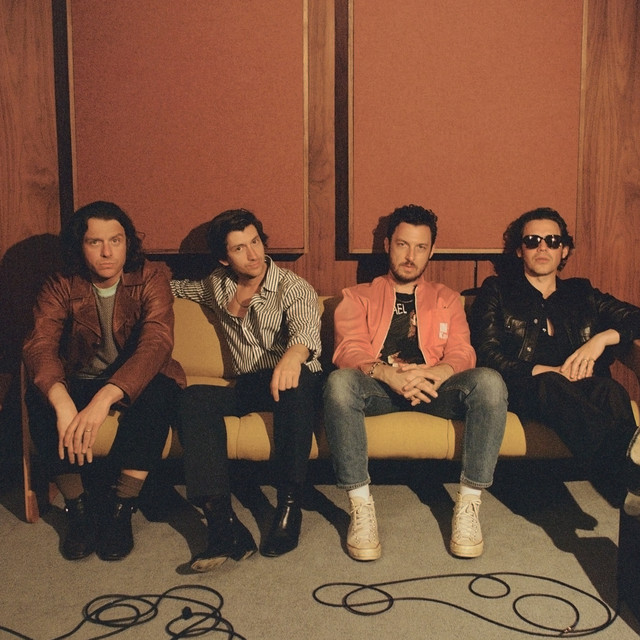
Arctic Monkeys
Garage Rock
Indie Rock
Indie
4
/5
Phoenix
Alternative Dance
Indie
Indie Rock
4
/5
Kasabian
Indie Rock
Alternative Rock
Rock
4
/5
Wilco
Alternative Rock
Rock
Alternative Country
4
/5
Car Seat Headrest
Indie Rock
Furry
Slacker Rock
4
/5
Pavement
Lo-Fi
Slacker Rock
Indie Rock
5
/5
Tame Impala
Psychedelic Pop
Indie
Neo-Psychedelia
5
/5
The Strokes
Alternative Rock
Garage Rock
Indie Rock
4
/5
alt-J
Indie Rock
Rock
Alternative Rock
Download our mobile app
Get the Melodigging app and start digging for new genres on the go
Download on the App Store
Get it on Google Play
© 2026 Melodigging
Give feedback
About & FAQ
Legal
Melodding was created as a tribute to
Every Noise at Once
, which inspired us to help curious minds keep digging into music's ever-evolving genres.