Genres
Artists
Albums
Make Music
Sign in
Sign in
Artists
Blues Rock
Artists
Blues Rock
Pescado Rabioso
1972–1973
·
3 albums
Listen
3
/5
Genres
Connecticut Indie
Connecticut indie is a regional strain of U.S. indie rock that blends the heartfelt directness of emo-revival with the fuzzy guitars, DIY ethics, and adventurous textures of New England’s underground. Rooted in college-town and small-city scenes (Middletown, New Haven, Willimantic, Hartford), the sound swings between twinkly, lyrically confessional indie and louder, shoegaze- or noise-tinged guitar rock. You’ll hear gang-vocal catharsis, transparent production that favors live-room energy, and occasional orchestral or synth flourishes that reflect the area’s art-school and experimental leanings. While it is geographically defined, the micro-scene’s bands networked nationally through house shows, small labels, and online communities, making Connecticut indie both locally grounded and widely connected.
Discover
Listen
Blues Rock
Blues rock is a guitar-driven style that fuses the raw feeling and 12‑bar structures of the blues with the power, volume, and rhythmic punch of rock. It emphasizes riff-based songs, pentatonic and blues-scale soloing, call‑and‑response between voice and guitar, and an expressive, often gritty vocal delivery. Typical ensembles are power trios (guitar, bass, drums) or quartet formats adding second guitar, keyboards, or harmonica, and performances commonly feature extended improvisation. Sonically, it favors overdriven tube-amp tones, sustained bends, vibrato, and dynamic contrasts, moving from shuffles and boogies to straight‑eighth rock grooves.
Discover
Listen
Folk Rock
Folk rock is a fusion genre that blends the narrative lyricism, modal melodies, and acoustic timbres of traditional folk with the backbeat, amplification, and song structures of rock. It typically pairs acoustic or traditional instruments (acoustic guitar, mandolin, fiddle) with a rock rhythm section (electric guitar, bass, drums), often featuring chiming 12‑string guitar textures, close vocal harmonies, and socially conscious or storytelling lyrics. The result ranges from intimate, reflective ballads with a steady backbeat to more anthemic, roots‑driven rock. Emerging in the mid‑1960s through artists such as Bob Dylan and The Byrds, folk rock became a gateway for traditional and roots materials to enter mainstream popular music, and it seeded later movements from country rock and Americana to jangle pop and modern indie folk.
Discover
Listen
Argentine Rock
Argentine rock (Rock Nacional) is the Spanish-language rock tradition that emerged in Argentina in the late 1960s. It blended the energy and songcraft of Anglo-American rock and roll with local poetic sensibilities, urban bohemian culture, and distinctive Argentine rhythms and harmony. Across its history, the genre has absorbed folk, blues, psychedelia, progressive rock, new wave, punk, reggae/ska, and pop, while remaining anchored by melodic guitars, expressive vocals, and literate lyrics. Tango’s bittersweet harmonies and the cadences of Argentine folk (chacarera, milonga) subtly inform its phrasing, melodic turns, and lyric tone. The result is a body of music that ranges from intimate and reflective to stadium-sized and anthemic, with a strong emphasis on metaphor-rich storytelling in Rioplatense Spanish.
Discover
Listen
Latin Rock
Latin rock blends the instrumentation and attitude of rock with Afro‑Latin and Caribbean rhythms, percussion, and song forms. Typical bands combine electric guitars, bass, and drum kit with congas, bongos, timbales, and hand percussion, creating a driving, danceable groove grounded in the clave. Vocals may be in Spanish, Portuguese, Spanglish, or English, and lyrics range from love songs and urban life to social and political commentary. Harmonically, Latin rock draws from blues/rock progressions but frequently incorporates modal colors (Dorian, Mixolydian) and montuno‑style vamps borrowed from salsa and Afro‑Cuban traditions. The result sits comfortably between club‑ready rhythm and arena‑sized rock energy.
Discover
Listen
Rock En Español
Rock en español is the umbrella term for rock music performed in Spanish across Latin America and Spain. It adapts the attitude, instrumentation, and songwriting of Anglo-American rock—electric guitars, bass, drums, and hook-driven choruses—while foregrounding Spanish lyrics and local themes. The style ranges from 1960s beat- and garage-influenced bands to 1970s blues/psychedelia and the punk, new wave, and pop-rock explosions of the 1980s and 1990s. Lyrically it moves from social critique and urban realism to romance and introspection, often reflecting the political and cultural realities of Spanish-speaking countries.
Discover
Listen
Art Rock
Art rock is a branch of rock music that treats the studio and the album as spaces for artistic experimentation, emphasizing conceptual ideas, ambitious arrangements, and cross-pollination with modernist and avant-garde traditions. It typically favors extended song forms, thematic or conceptual unity, and non-standard instrumentation (strings, woodwinds, synthesizers) alongside rock’s core band setup. Lyrically, it leans toward literary, surreal, or philosophical subjects and often adopts theatrical presentation. Where mainstream rock centers on immediacy and hooks, art rock embraces risk: unusual time signatures, timbral exploration, complex harmony, tape and electronic manipulation, and interludes that draw from classical, jazz, minimalism, and experimental music.
Discover
Listen
Heavy Psych
Heavy psych is a louder, denser offshoot of late‑1960s psychedelic rock characterized by fuzz‑soaked guitar tones, wah‑drenched solos, thunderous drums, and a visceral low‑end. It takes the exploratory jams and mind‑bending studio tricks of psychedelia and pushes them toward proto‑metal weight and volume. Musically, it leans on blues‑based riffs, pentatonic and modal improvisation (especially Dorian and Mixolydian), droning vamps, and feedback‑saturated climaxes. Production often favors analog saturation, tape echo, phasing, and other period effects that magnify a sense of heady, cosmic intensity. The result is a sound that bridges psychedelic freedom and hard rock punch—music that feels both trippy and physically overwhelming, laying essential groundwork for heavy metal, stoner rock/metal, doom, and space rock.
Discover
Listen
Singer-Songwriter
Singer-songwriter is a song-focused style in which the same person writes, composes, and performs their own material, often accompanying themselves on acoustic guitar or piano. It emphasizes personal voice, lyrical intimacy, and storytelling over elaborate production. Arrangements are typically sparse, allowing the melody, words, and performance nuance to carry the song’s emotional weight. While rooted in folk and blues traditions, singer-songwriter embraces pop and rock songcraft, producing works that can range from quiet confessional ballads to subtly orchestrated, radio-ready pieces.
Discover
Listen
Hard Rock
Hard rock is a loud, riff-driven style of rock music built around heavily amplified electric guitars, a powerful rhythm section, and assertive vocals. Songs typically center on memorable, blues-based guitar riffs, strong backbeats, and energetic, often shouted or belted choruses. The genre emphasizes power, groove, and visceral impact over intricate harmony or extended improvisation. Distortion, power chords, pentatonic melodies, and call‑and‑response between vocals and guitar are core traits, while lyrical themes often explore rebellion, lust, swagger, escape, and cathartic release.
Discover
Listen
Psychedelic Rock
Psychedelic rock is a style of rock music that seeks to evoke, simulate, and expand altered states of consciousness through sound. It typically features timbral experimentation (fuzz, wah, tape delay, phasing), drones, modal or raga-influenced harmony, extended improvisation, studio-as-instrument production, and surreal, mystical, or mind-expanding lyrics. Emerging from mid-1960s counterculture, it fused garage-band energy with folk, blues, and non-Western musical ideas—especially Indian classical ragas—while embracing new studio technologies and concert light shows. Both a live and a studio art, psychedelic rock ranges from jangly, kaleidoscopic pop to heavy, hypnotic jams and cosmic soundscapes.
Discover
Listen
Rock
Rock is a broad family of popular music centered on amplified instruments, a strong backbeat, and song forms that foreground riffs, choruses, and anthemic hooks. Emerging from mid‑20th‑century American styles like rhythm & blues, country, and gospel-inflected rock and roll, rock quickly expanded in scope—absorbing folk, blues, and psychedelic ideas—while shaping global youth culture. Core sonic markers include electric guitar (often overdriven), electric bass, drum kit emphasizing beats 2 and 4, and emotive lead vocals. Rock songs commonly use verse–chorus structures, blues-derived harmony, and memorable melodic motifs, ranging from intimate ballads to high‑energy, stadium‑sized performances.
Discover
Listen
Show all 12 genres
Albums
1973
4
/5
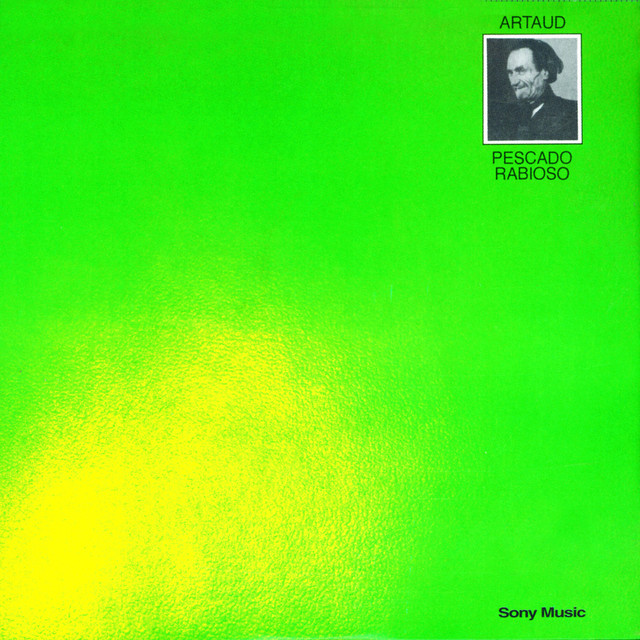
Artaud
Pescado Rabioso
Folk Rock
Art Rock
Singer-Songwriter
1973
3
/5
Pescado 2
Pescado Rabioso
Heavy Psych
1972
3
/5
Desatormentándonos
Pescado Rabioso
Blues Rock
Similar artists
1
/5
Various Artists
Afro-Funk
Alternative Rock
Ambient
3
/5
Los Tres
Latin Alternative
Latin Rock
Rock En Español
3
/5
Sui Generis
Nueva Trova
Trova
Folk Rock
4
/5
El Haragán y Compañía
Rock Urbano Mexicano
Rock Urbano
Ska
3
/5
Luis Alberto Spinetta
Argentine Rock
Latin Rock
Progressive Rock
5
/5
Mon Laferte
Latin Alternative
Latin Pop
Latin Indie
4
/5
Bob Dylan
Folk Rock
Roots Rock
Rock
4
/5
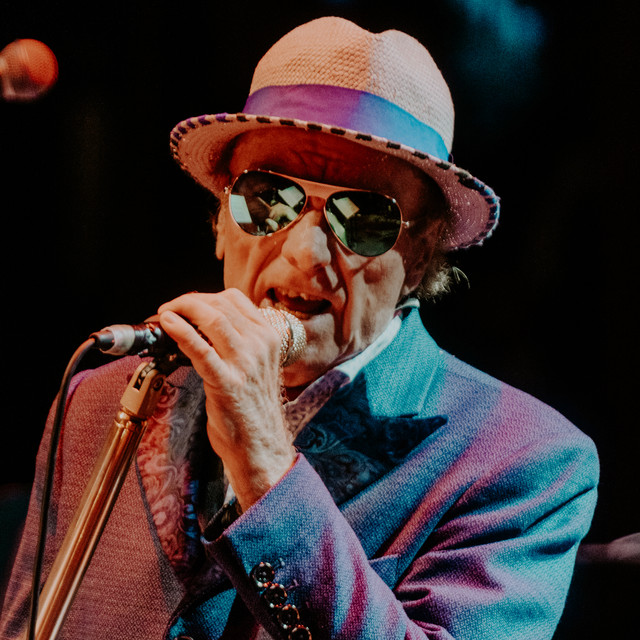
Van Morrison
Folk Rock
Folk
Rock
4
/5
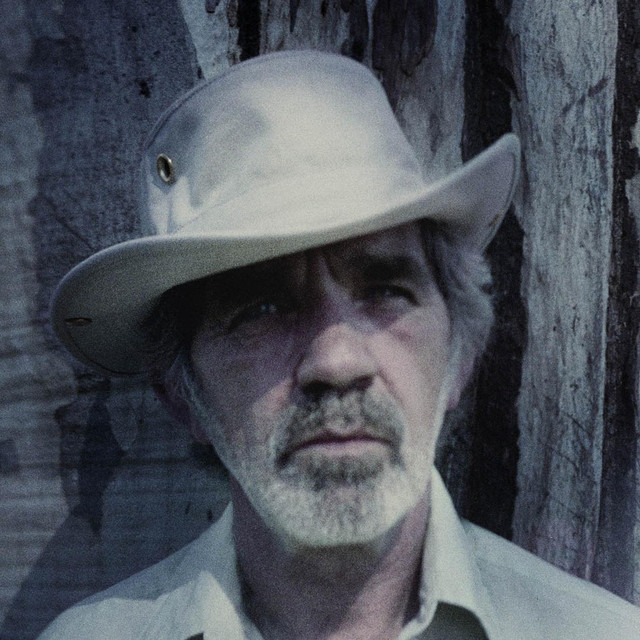
J.J. Cale
Blues
Blues Rock
Roots Rock
4
/5
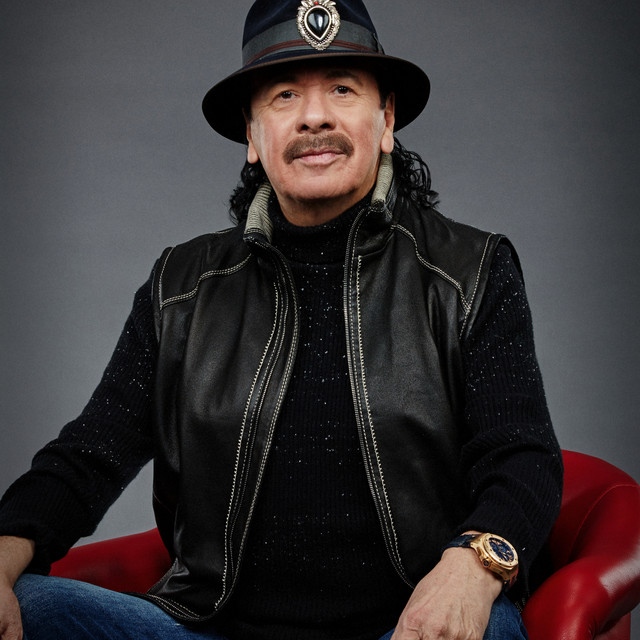
Santana
Latin Rock
Rock
Blues Rock
Download our mobile app
Get the Melodigging app and start digging for new genres on the go
Download on the App Store
Get it on Google Play
© 2026 Melodigging
Give feedback
Legal
Melodding was created as a tribute to
Every Noise at Once
, which inspired us to help curious minds keep digging into music's ever-evolving genres.