Genres
Artists
Albums
Make Music
Sign in
Sign in
Artists
Slam Death Metal
Artists
Slam Death Metal
PeelingFlesh
2021–2025
·
10 albums
Listen
3
/5
Genres
Minatory
Minatory is an extreme, experimental strain of deathstep that pushes heaviness and unpredictability to the forefront. Its hallmark is an abrasive, distorted sound palette coupled with abrupt, sometimes jarring BPM switch‑ups that can leap between halftime lurches and double‑time assaults within a single drop. Producers favor hyper-saturated basses, asymmetrical rhythms, and sudden silences or glitch edits to heighten tension. The result is a hostile, cinematic form of bass music that blends the dread of dark ambient and industrial with the impact of tearout and the rhythmic elasticity of modern dubstep.
Discover
Listen
Pumpcore
Pumpcore is a hyper-energetic, gym-oriented microgenre that blends blown-out bass, sped-up hooks, and hard-hitting drops tailored for workout intensity and short-form video edits. It borrows from trap (and EDM-trap), phonk’s gritty timbres, hardstyle’s festival-scale builds, and nightcore-style acceleration, then pushes everything through aggressive saturation and sidechain “pump” to create a relentless, motivational surge. Tracks typically revolve around a memorable vocal or lead riff that has been time-stretched, pitch-shifted, and looped to maximize adrenaline and impact.
Discover
Listen
Modern Hardcore
Modern hardcore is a contemporary wave of hardcore punk that blends classic speed and ferocity with 21st‑century heaviness, hook‑writing, and studio punch. It keeps the genre’s DIY, pit‑driven energy while adopting tighter musicianship, down‑tuned, palm‑muted riffs, and massive, half‑time breakdowns. Compared with 1980s and 1990s hardcore, modern hardcore is broader in dynamic range: songs snap from two‑step mosh parts and D‑beats to swaggering NYHC swing, metallic chugs, and chant‑along choruses. Production is deliberately impactful—gated, sample‑reinforced drums, tight low‑end, and high‑gain guitars—yet many bands still prioritize live immediacy over polish. Lyrically it remains grounded in community, resilience, and personal/collective struggle, but it often incorporates contemporary themes (mental health, identity, social precarity). Scenes are sustained by DIY venues, independent labels, and festival culture, with a heavy presence on video channels and social media that has globalized the sound.
Discover
Listen
Riddim Dubstep
Riddim dubstep is a minimalist, loop-driven branch of dubstep that emphasizes hypnotic repetition, half‑time drums, and lurching mid‑range bass motifs. Instead of flashy, constantly changing sound design, it focuses on a few tightly sculpted “wub” phrases that evolve through modulation, filtering, and subtle rhythmic variation. Rooted in UK sound‑system culture and the Jamaican concept of a reusable “riddim,” the style typically sits around 140 BPM, pairing a powerful sub with syncopated, percussive bass stabs. The overall feel is dark, bouncy, and relentlessly dance‑oriented—built for double‑drops, blends, and long DJ transitions on large rigs.
Discover
Listen
Tearout Brostep
Tearout brostep is a hyper-aggressive strain of brostep that emphasizes violently modulated midrange basses, high-impact drops, and rapid-fire switch‑ups. It typically runs at 140–150 BPM in half‑time, pairing chest‑punching snares with seismic subs and screeching or growling lead basses. Producers lean heavily on advanced wavetable/FMX sound design, serial resampling, multiband distortion, OTT-style compression, and tight sidechaining to create a wall of kinetic, metallic energy. Arrangements often feature cinematic intros, tension‑building risers, and whiplash-inducing call‑and‑response bass phrases designed for headbanging festival crowds.
Discover
Listen
Slamming Deathcore
Slamming deathcore is an especially heavy, groove-focused branch of deathcore that fuses the massive, "caveman" slam riffs of brutal/slam death metal with the breakdown-driven structures of metalcore. It emphasizes ultra‑low guitar tunings, tectonic half‑time "slams," rapid alternation with blasts, and extremely guttural vocals (pig squeals, tunnel growls, and inhales/exhales). Modern productions often add sub‑bass drops, tightly edited drums, and layered vocal effects for maximum impact. Lyrical themes tend toward horror, cosmic or apocalyptic imagery, and exaggerated brutality, though some bands bring sci‑fi or mythological concepts into the mix. The resulting sound is relentlessly percussive, groove‑centric, and built for mosh‑inducing impact.
Discover
Listen
Downtempo Deathcore
Downtempo deathcore is an ultra-slow, hyper-heavy offshoot of deathcore that emphasizes crushing, half-time breakdowns, extreme low tunings, and bleak atmosphere. Instead of constant blast beats or fast tremolo, the style prioritizes spacious, syncopated chugs, sub‑drops, and long rests that make each hit feel catastrophic. Vocals typically lean on deep false‑cord gutturals, tunnel growls, and occasional pig squeals, with lyrical themes centered on nihilism, violence, despair, and street‑level realism. Production often layers 808 subs with kick drums, brickwall‑limited guitars, and sharp china/splash accents to maximize impact. Sparse dissonant leads, samples, and cinematic swells are used to deepen the ominous mood, while the groove remains slow, simple, and tactically punishing.
Discover
Listen
Brostep
Brostep is a high-intensity, EDM-leaning strain of dubstep that foregrounds aggressively modulated midrange basses, dramatic builds, and arena-sized drops. Where classic UK dubstep emphasizes sub-bass weight, spaciousness, and dubwise minimalism, brostep shifts the focus to bright, distorted, and highly articulated bass sound design, often supported by festival-ready structures and glossy, loud mastering. Typical tempos sit around 140 BPM (often presented in half-time), with snare on beat 3, punchy kick patterns, and dense fills. Signature sounds include vowel/formant "talking" basses, metallic growls, comb-filtered screeches, and heavy multiband distortion, arranged in call-and-response riffs that drive the drop.
Discover
Listen
Dubstep Product
Dubstep product is a production/library music take on dubstep tailored for sync: trailers, esports broadcasts, gaming content, advertising, influencer videos, and broadcast bumpers. It takes the sound design, half‑time groove, and drop‑centric structures of UK/US dubstep (including brostep/tearout variants) and packages them into edit‑friendly cues with clean hit points, sting endings, alternate mixes, stems, and duration cuts (15/30/60 seconds). The result balances maximalist bass design with practical considerations for dialogue, sound effects, and branding overlays. Compared with club‑oriented dubstep, dubstep product favors punchy, readable arrangements, cinematic impacts, and clearly marked builds/drops that translate across headphones, TV speakers, and mobile devices.
Discover
Listen
Progressive Deathcore
Progressive deathcore is a fusion of deathcore’s crushing heaviness and breakdown-centric aggression with the adventurous songcraft, technicality, and textural breadth of progressive metal. Hallmarks include extended-range guitars (7–9 strings) in very low tunings, polymetric “djent”-leaning grooves, rapid meter changes, and long-form structures that move well beyond verse/chorus. You’ll hear a blend of palm‑muted syncopation, angular technical riffs, sweeping leads, and atmospheric keyboards or orchestration that add space between punishing passages. Vocals typically alternate between low growls, layered screams, and occasional clean passages; production is tight, modern, and punchy. Lyrically, the style often departs from deathcore’s horror tropes to explore sci‑fi, philosophy, cosmic imagery, and introspective themes, matching the music’s expansive, cinematic scope.
Discover
Listen
Cavernous Death Metal
Cavernous death metal is a murky, reverb-drenched strain of old-school death metal that foregrounds claustrophobic atmosphere over clinical precision. Hallmarks include extremely downtuned guitars, tremolo-picked and chromatic riffing, lurching doom-laden passages, and very deep, often indecipherable guttural vocals. Production aesthetics are central: drums are thunderous yet blurred, guitars and bass form a monolithic wall of low-end, and large-room or plate reverbs smear the mix to evoke the feeling of sound emanating from a subterranean chamber. Rather than bright, high-fidelity tones, the style prefers darkness, distance, and density—suggesting sinister space, decay, and ancient dread. Compositionally it draws on early 1990s death and death-doom blueprints, but the 2010s revival codified the "cavernous" sound as a distinct aesthetic, emphasizing mood, negative space, and oppressive resonance as much as riffcraft.
Discover
Listen
Neurostep
Neurostep is a hybrid subgenre that merges the sound‑design intensity of neurofunk drum & bass with the halftime groove and weight of dubstep. Typically sitting around 140 BPM (sometimes 150), it emphasizes intricate, constantly morphing bass timbres, razor‑edged transients, and tightly engineered drops. Compared to classic dubstep, neurostep is less about sparse wobble basses and more about complex, resampled, FM/phase‑modulated bass layers that evolve bar by bar. The drums are punchy and surgical—kicks carve through dense low‑end, snares land hard on the third beat, and ghosted percussion and glitch fills keep momentum between phrases. Its overall aesthetic is dark, technical, and cinematic: dystopian atmospheres, granular textures, and call‑and‑response bass motifs are common, while breakdowns often showcase sound‑design detail and tension before a precision‑engineered drop.
Discover
Listen
Animegrind
Animegrind is a niche, internet-native strain of grind that fuses the speed and extremity of grindcore/goregrind with anime and otaku aesthetics. Songs typically pair ultra-fast blast beats, downtuned riffs and guttural/pig-squeal vocals with cute/kawaii imagery, voice clips from anime, and tongue‑in‑cheek, often shocking humor. While the core sound is rooted in classic grind traditions, production frequently leans digital: programmed drums and DI guitars are common, and short tracks (often under two minutes) emphasize impact over development. The juxtaposition of violent sonics and “cute” culture—Vocaloid timbres, denpa/J‑pop hooks, chiptune leads, or anime dialogue—defines its visual and thematic identity. The scene is highly DIY and platform-driven (Bandcamp, SoundCloud, YouTube), with a global pool of small projects trading splits and memes. Album art, track titles, and social handles often satirize or exaggerate tropes from both goregrind and anime fandoms.
Discover
Listen
Deathcore
Deathcore is an extreme metal subgenre that fuses the riff language and vocal extremity of death metal with the breakdown‑centric impact of metalcore and its hardcore roots. Typical hallmarks include brutally palm‑muted and tremolo‑picked guitar riffs on low tunings, blast‑beat focused drumming with double‑kick barrages, and guttural growls, tunnel throats, and high shrieks. Songs commonly pivot into half‑time, groove‑heavy breakdowns designed for maximum physical impact. As a distinct movement, deathcore coalesced in the early 2000s and reached wider prominence in the mid‑2000s via internet platforms and relentless touring, even though earlier 1990s bands had already flirted with fusing death metal and hardcore elements.
Discover
Listen
Slam Death Metal
Slam death metal is a hyper-groove-focused branch of brutal death metal characterized by extremely downtuned guitars, guttural vocals, and an emphasis on mid‑tempo, syncopated "slam" riffs that drop into crushing, half‑time breakdowns. Rather than the constant speed of many death metal styles, slam alternates bursts of blasts with deliberate, head‑nodding chug patterns. The vocal delivery tends toward ultra‑low growls and gurgles, sometimes employing "pig squeal" techniques. Drums move between gravity blasts, traditional blasts, and stomping half‑time sections that accent the riff’s hook. Lyrics typically dwell on gore, horror, and extremity, with graphic imagery presented in a deliberately over-the-top, tongue‑in‑cheek or splatter‑cinema spirit. Production often prioritizes a dense, percussive guitar tone, scooped or mid‑heavy rhythm definition, and cavernous vocals, keeping the slam riff as the song’s primary hook. The overall effect is simultaneously oppressive, rhythmic, and mosh‑oriented, designed to make the breakdown hit as hard as possible.
Discover
Listen
Brutal Death Metal
Brutal death metal is an especially extreme branch of death metal that emphasizes overwhelming intensity, dense riffing, and relentlessly aggressive rhythm. Hallmarks include very low-tuned, percussive guitars; rapid-fire tremolo picking; slam-oriented breakdowns; constant blast beats and gravity blasts; and ultra-guttural vocals that range from cavernous growls to “pig squeals.” Lyrical themes are typically visceral and graphic, drawing on horror and gore. Production often favors a tight, punchy drum sound (frequently with triggered kicks), thick multi-tracked guitars, and a bass tone that locks to the drums for maximal impact. Compared to traditional death metal, brutal death metal prioritizes extremity, physicality, and riff density over melody, and often integrates grindcore’s speed and brevity with hardcore-influenced breakdown weight.
Discover
Listen
Chopped And Screwed
Chopped and screwed is a hip-hop remix technique and regional style that slows songs down dramatically—often to around 60–70 BPM—and lowers the pitch, creating a syrupy, heavy-lidded feel. DJs then "chop" the audio by cutting, repeating, and stuttering phrases, adding backspins, brakes, and pauses to exaggerate groove and space. Pioneered in Houston, Texas by DJ Screw in the early 1990s, the sound is closely tied to car culture (SLABs) and the codeine-lean aesthetic. While originally rooted in mixtapes of Southern rap, the approach has since been applied to R&B, pop, and even electronic music, becoming a widely imitated post-production sensibility across the internet era.
Discover
Listen
Memphis Rap
Memphis rap is a dark, lo‑fi branch of Southern hip hop that emerged in Memphis, Tennessee, built on ominous minor‑key melodies, 808 sub‑bass, and relentlessly simple but heavy drum programming. It is known for horrorcore-leaning imagery, chant-like hooks, and a raw cassette-mixtape aesthetic: hiss, distortion, and minimal mixing are part of the sound rather than flaws. The style emphasizes eerie synths (organs, choirs, strings, bells), pitched or layered vocals, and sticky, repetitive patterns that create a hypnotic, menacing groove.
Discover
Listen
Grindcore
Grindcore is an extremely fast, abrasive fusion of hardcore punk and extreme metal characterized by blast-beat drumming, highly distorted down-tuned guitars, and a mix of guttural growls and high-pitched screams. Songs are typically very short—often under two minutes and sometimes just seconds—favoring intensity over traditional verse–chorus structures. Lyrically, grindcore spans politically charged and socially conscious themes (war, capitalism, animal rights) as well as gore and body horror (particularly in goregrind). Production ranges from raw, live-in-the-room ferocity to tight, modern clarity. The style is defined by relentless speed, dissonant or chromatic riffing, and sudden start–stop shifts that create a feeling of controlled chaos.
Discover
Listen
Death Metal
Death metal is an extreme subgenre of heavy metal defined by heavily distorted, low‑tuned guitars, rapid and complex riffing, blast beat drumming, and harsh guttural vocals. Its harmonic language favors chromaticism, dissonance, and tremolo-picked lines that create an ominous, abrasive atmosphere. Lyrically, death metal often explores dark or transgressive themes—mortality, mythology, anti-religion, psychological horror, and the macabre—sometimes with philosophical or social commentary. Production ranges from raw and cavernous to hyper-precise and technical, reflecting the genre’s many regional scenes and substyles. From the mid‑1980s Florida scene (Tampa) and parallel developments in the US, UK, and Sweden, death metal evolved into numerous branches including brutal death metal, technical death metal, melodic death metal, and death‑doom, each emphasizing different aspects of speed, complexity, melody, or heaviness.
Discover
Listen
Show all 20 genres
Albums
2025
3
/5
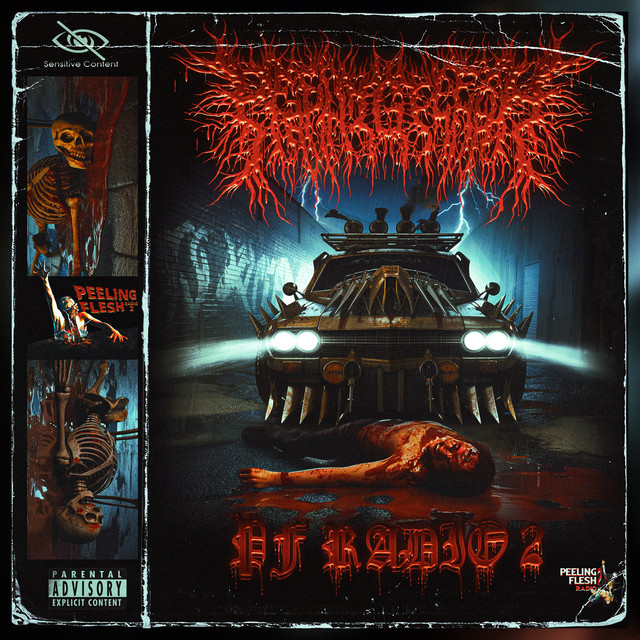
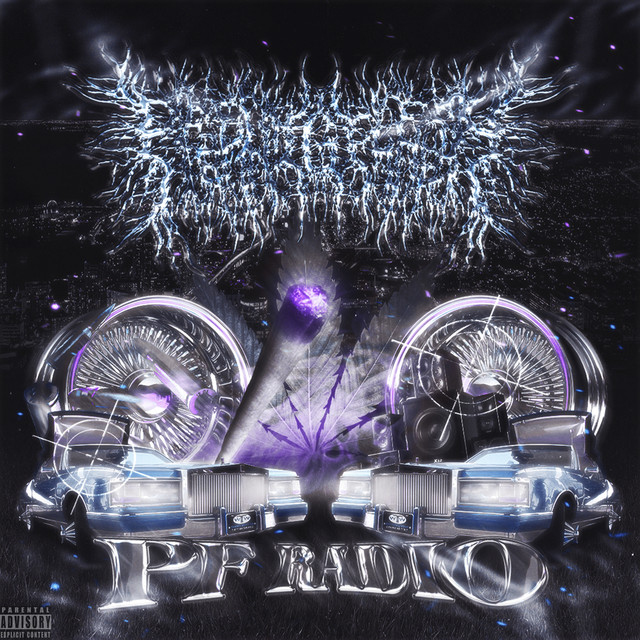
PF Radio 2
PeelingFlesh
Slam Death Metal
Grindcore
Memphis Rap
2025
2
/5
Midnight
PeelingFlesh
Slam Death Metal
Grindcore
2024
3
/5
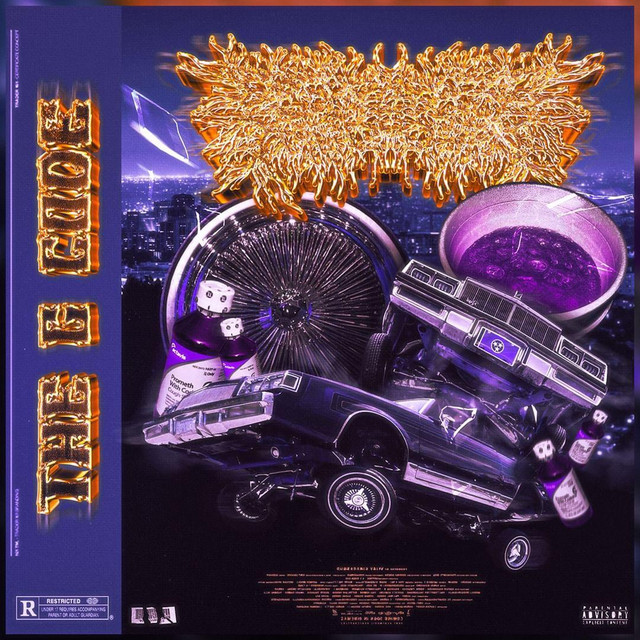
The G Code
PeelingFlesh
Slam Death Metal
Grindcore
2024
2
/5
The G Code - Crunk Edition
PeelingFlesh
Chopped And Screwed
2024
2
/5
Shoot 2 Kill
PeelingFlesh
Slam Death Metal
Grindcore
2023
3
/5
Slamaholics, Vol. 2
PeelingFlesh
Slam Death Metal
Grindcore
Brutal Death Metal
2023
2
/5
GHETTO AS HELL
PeelingFlesh
Slam Death Metal
2023
1
/5
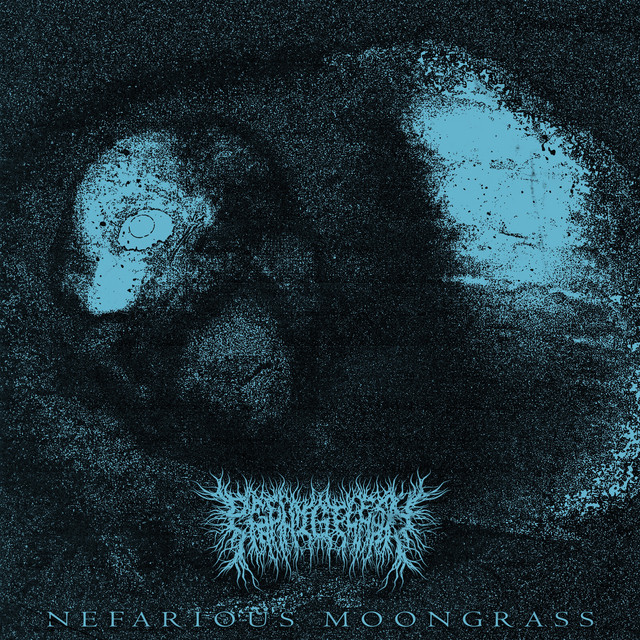
Nefarious Moongrass
PeelingFlesh
Slam Death Metal
2023
3
/5
Pf Radio
PeelingFlesh
Slam Death Metal
2021
3
/5
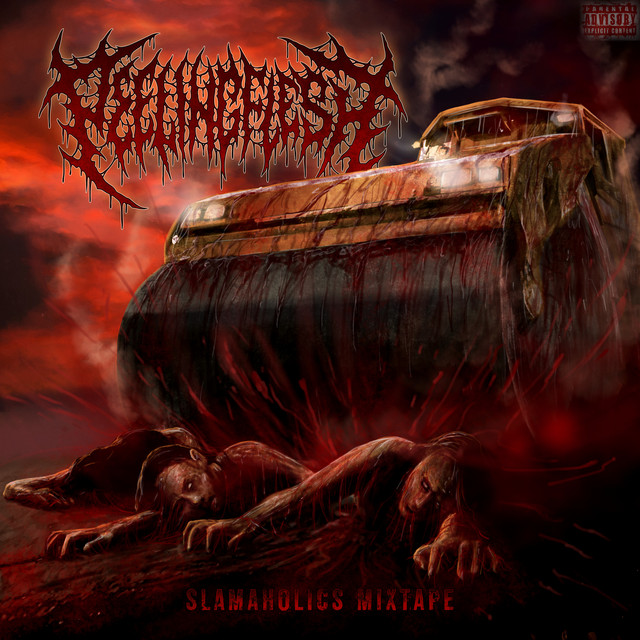
Slamaholics Mixtape
PeelingFlesh
Slam Death Metal
Similar artists
2
/5
Devourment
Death Metal
Brutal Death Metal
Slam Death Metal
2
/5
Putridity
Death Metal
Slam Death Metal
Deathcore
2
/5
Extermination Dismemberment
Death Metal
Grindcore
Deathcore
2
/5
Acranius
Death Metal
Brutal Death Metal
Deathcore
3
/5
Dying Fetus
Brutal Death Metal
Deathgrind
Death Metal
3
/5
Sanguisugabogg
Grindcore
Death Metal
Deathcore
3
/5
Aborted
Goregrind
Death Metal
Deathgrind
2
/5
Xavlegbmaofffassssitimiwoamndutroabcwapwaeiippohfffx
Grindcore
Slam Death Metal
Death Metal
3
/5
Cannibal Corpse
Brutal Death Metal
Death Metal
Metal
2
/5
Gutrectomy
Slam Death Metal
Death Metal
Deathcore
Download our mobile app
Get the Melodigging app and start digging for new genres on the go
Download on the App Store
Get it on Google Play
© 2026 Melodigging
Give feedback
Legal
Melodding was created as a tribute to
Every Noise at Once
, which inspired us to help curious minds keep digging into music's ever-evolving genres.