Genres
Artists
Albums
Make Music
Sign in
Sign in
Artists
Toypop
Artists
Toypop
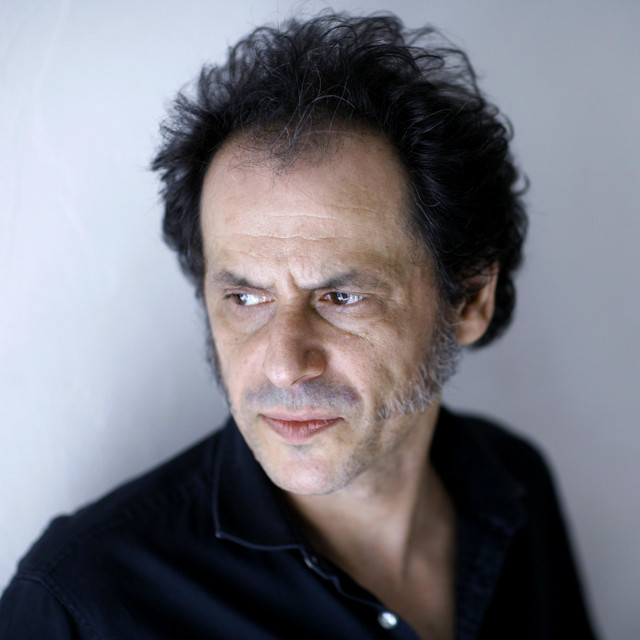
Pascal Comelade
1998–2015
·
10 albums
Listen
2
/5
Genres
Toypop
Toypop is a cute, whimsical strain of pop that foregrounds toy-like timbres, childlike melodies, and playful sound design. It typically blends the sugary sensibilities of J-pop and Shibuya-kei with the small, bright colors of toy instruments, chip sounds, bells, music boxes, and hand claps. While it overlaps with picopop, denpa, and toytronica, toypop leans toward light, bouncy songcraft—short, hooky tunes, gentle vocals, and a sense of wonder—often evoking picture-book worlds and cozy, domestic scenes. Production ranges from lo-fi bedroom charm to polished micro-collage, but the focus stays on innocence, wide-eyed fun, and tactile, small-sounding textures.
Discover
Listen
Art Rock
Art rock is a branch of rock music that treats the studio and the album as spaces for artistic experimentation, emphasizing conceptual ideas, ambitious arrangements, and cross-pollination with modernist and avant-garde traditions. It typically favors extended song forms, thematic or conceptual unity, and non-standard instrumentation (strings, woodwinds, synthesizers) alongside rock’s core band setup. Lyrically, it leans toward literary, surreal, or philosophical subjects and often adopts theatrical presentation. Where mainstream rock centers on immediacy and hooks, art rock embraces risk: unusual time signatures, timbral exploration, complex harmony, tape and electronic manipulation, and interludes that draw from classical, jazz, minimalism, and experimental music.
Discover
Listen
Rock
Rock is a broad family of popular music centered on amplified instruments, a strong backbeat, and song forms that foreground riffs, choruses, and anthemic hooks. Emerging from mid‑20th‑century American styles like rhythm & blues, country, and gospel-inflected rock and roll, rock quickly expanded in scope—absorbing folk, blues, and psychedelic ideas—while shaping global youth culture. Core sonic markers include electric guitar (often overdriven), electric bass, drum kit emphasizing beats 2 and 4, and emotive lead vocals. Rock songs commonly use verse–chorus structures, blues-derived harmony, and memorable melodic motifs, ranging from intimate ballads to high‑energy, stadium‑sized performances.
Discover
Listen
Experimental
Experimental music is an umbrella term for practices that prioritize exploration, process, and discovery over adherence to established genre norms. It embraces new sound sources, nonstandard tuning systems, indeterminacy and chance operations, graphic and open-form scores, extended techniques, and technology-led sound design (tape, electronics, computers, and live processing). Rather than a single style, it is a methodology and ethos: testing hypotheses about sound, structure, and performance, often blurring boundaries between composition, improvisation, sound art, and performance art. Listeners can expect unfamiliar timbres, unusual forms, and an emphasis on how music is made as much as the resulting sound.
Discover
Listen
Pop
Pop is a broad, hook-driven style of popular music designed for wide appeal. It emphasizes memorable melodies, concise song structures, polished vocals, and production intended for radio, charts, and mass media. While pop continually absorbs elements from other styles, its core remains singable choruses, accessible harmonies, and rhythmic clarity. Typical forms include verse–pre-chorus–chorus, frequent use of bridges and middle-eights, and ear-catching intros and outros. Pop is not defined by a single instrumentation. It flexibly incorporates acoustic and electric instruments, drum machines, synthesizers, and increasingly digital production techniques, always in service of the song and the hook.
Discover
Listen
Electronic
Electronic is a broad umbrella genre defined by the primary use of electronically generated or electronically processed sound. It encompasses music made with synthesizers, drum machines, samplers, computers, and studio/tape techniques, as well as electroacoustic manipulation of recorded or synthetic sources. The genre ranges from academic and experimental traditions to popular and dance-oriented forms. While its sonic palette is rooted in electricity and circuitry, its aesthetics span minimal and textural explorations, structured song forms, and beat-driven club permutations. Electronic emphasizes sound design, timbre, and studio-as-instrument practices as much as melody and harmony.
Discover
Listen
Tango
Tango is a song-and-dance music from the Río de la Plata region, crystallizing in Buenos Aires (Argentina) and Montevideo (Uruguay) in the late 19th century. It is characterized by a melancholic, dramatic tone; richly expressive melodies; and a distinctive rhythmic feel rooted in the habanera and milonga. Core ensembles feature bandoneón, violin(s), piano, double bass, and sometimes guitar, forming the famed orquesta típica. Across the 1920s–1950s it became a worldwide craze, moving from rough immigrant bars to grand salons and radio, developing highly sophisticated arranging and performance practices. Lyrics often employ lunfardo (Buenos Aires slang) and dwell on urban nostalgia, love, betrayal, and the neighborhood (el barrio). Note on terminology: in flamenco, “tangos” is a distinct palo (song form) with a lively 4/4 compás, often in A Phrygian, closely related in feeling to rumba flamenca. Although it shares the name and a spirited character, flamenco tangos is a different tradition from the Río de la Plata tango described above.
Discover
Listen
Catalan Folk Music
Catalan folk music encompasses the traditional songs, dances, and instrumental practices of Catalonia and the wider Catalan-speaking world. It is best known for the sardana circle dance accompanied by the distinctive cobla wind ensemble, as well as seafaring havaneres sung along the coast. The idiom blends medieval and rural song traditions with 19th‑century codification and urban revival. It features modal, diatonic melodies; lively dance rhythms; and a strong social dimension in communal dancing, festivals, and choral singing. Characteristic instruments include the tenora and tible (Catalan shawms), flabiol i tamborí (pipe and tabor), gralla, sac de gemecs (bagpipe), accordion, guitar, and the full cobla instrumentation with brass and double bass. Across regions and repertoires—from sardanes and jotes ebrencs to work songs, goigs, caramelles, and tavern-style havaneres—Catalan folk music remains a living, participatory tradition closely tied to local identity and public celebration.
Discover
Listen
Show all 8 genres
Albums
2015
1
/5
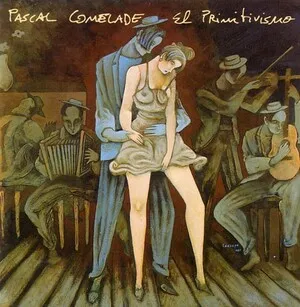
El primitivismo
Pascal Comelade
Toypop
Art Rock
Electronic
2015
1
/5
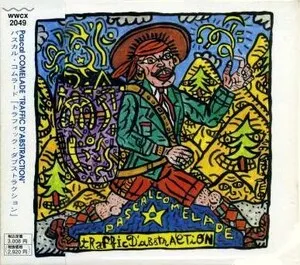
Traffic d'abstraction
Pascal Comelade
Toypop
Tango
2007
1
/5
Mètode de Rocanrol
Pascal Comelade
Toypop
Experimental
Pop
1998
1
/5
L'argot du bruit
Pascal Comelade
Toypop
Música Pop
Pascal Comelade
Catalan Folk Music
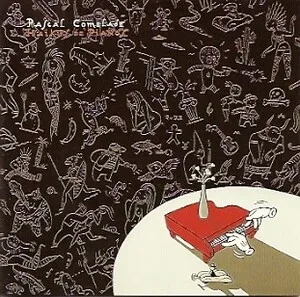
Haïkus de Pianos
Pascal Comelade
Toypop
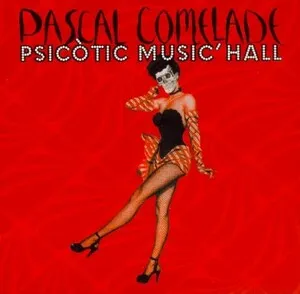
Psicòtic Music' Hall
Pascal Comelade
Toypop
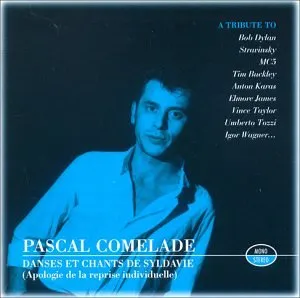
Danses et chants de Syldavie
Pascal Comelade
Toypop
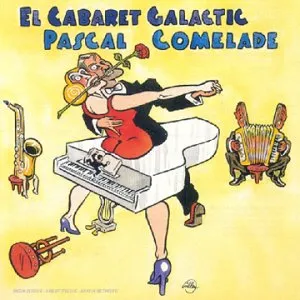
El cabaret galactic
Pascal Comelade
Toypop
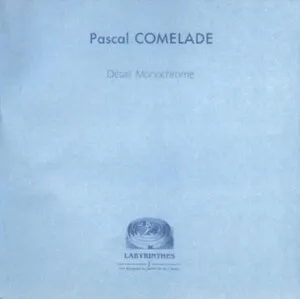
Détail monochrome
Pascal Comelade
Toypop
Similar artists
5
/5
David Bowie
Art Rock
Rock
Glam Rock
4
/5
Brian Eno
Ambient
Krautrock
Experimental
4
/5
Thom Yorke
Glitch Pop
Electronic
Rock
3
/5
Swans
Experimental Rock
Post-Rock
No Wave
3
/5
CAN
Krautrock
No Wave
Experimental Rock
2
/5
The Residents
Experimental
Minimal Wave
Post-Punk
3
/5
Animal Collective
Freak Folk
Neo-Psychedelia
Experimental
2
/5
Robert Wyatt
Progressive Rock
Canterbury Scene
Art Rock
1
/5
Aksak Maboul
Rock In Opposition
Avant-Prog
Experimental
5
/5
Radiohead
Alternative Rock
Art Rock
Melancholia
Download our mobile app
Get the Melodigging app and start digging for new genres on the go
Download on the App Store
Get it on Google Play
© 2026 Melodigging
Give feedback
Legal
Melodding was created as a tribute to
Every Noise at Once
, which inspired us to help curious minds keep digging into music's ever-evolving genres.