Genres
Artists
Albums
Make Music
Sign in
Sign in
Artists
Queercore
Artists
Queercore
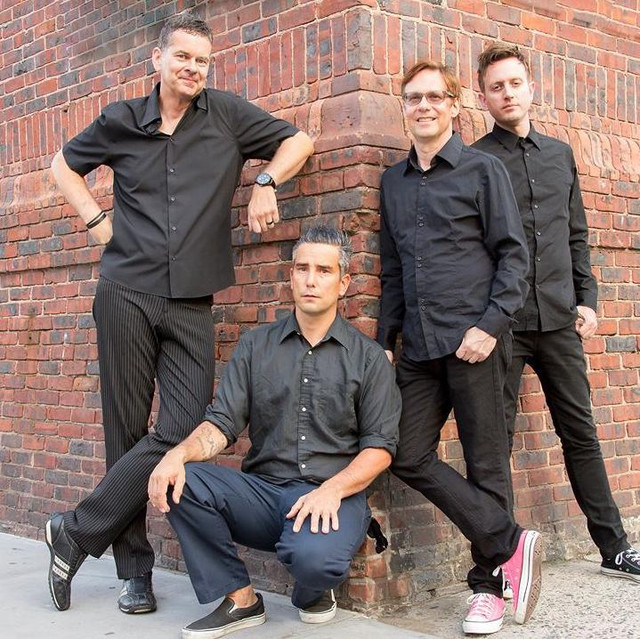
Pansy Division
1991–1996
·
3 albums
Listen
2
/5
Genres
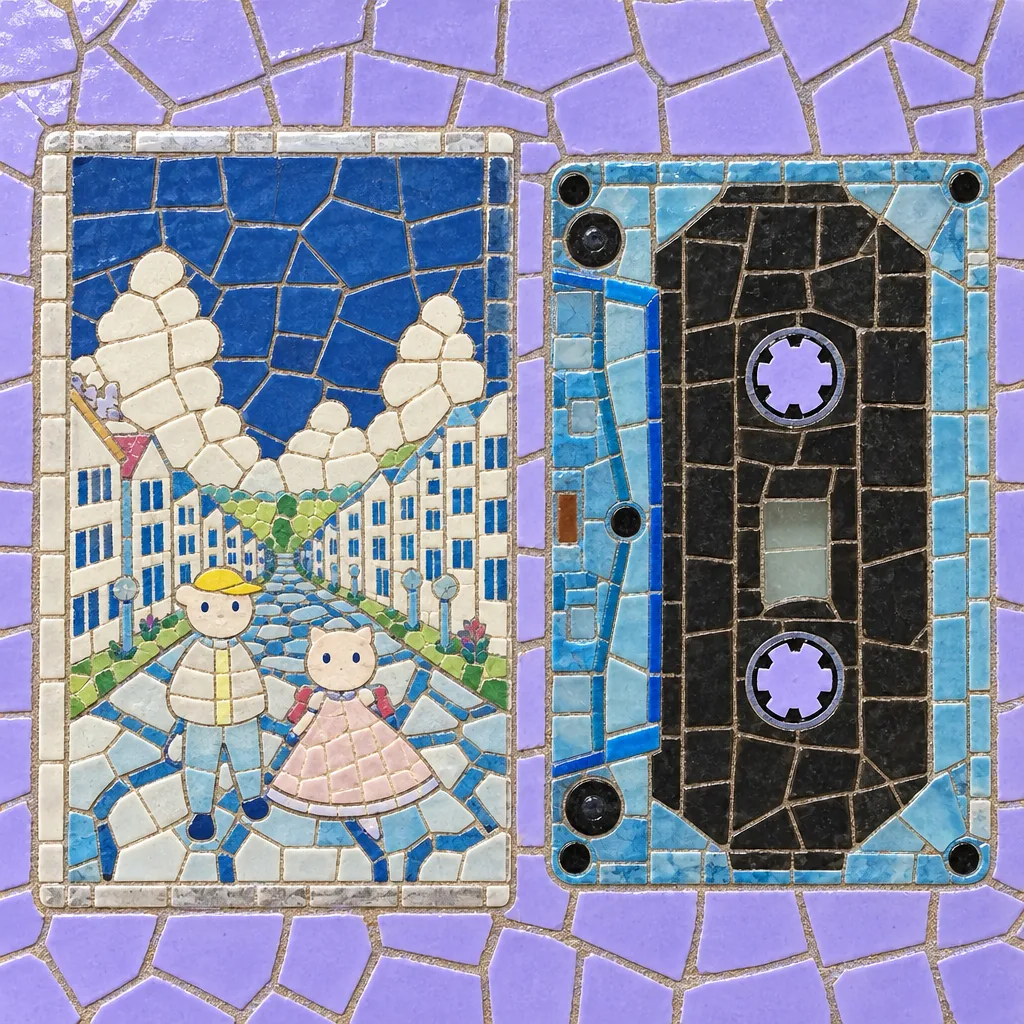
Tape Club
Tape club is a DIY-oriented micro-scene tied to the 2010s cassette revival, where bands and solo artists released jangly indie, garage, and lo‑fi pop on small runs of tapes through bedroom labels and mail‑order clubs. The sound favors budget-friendly recording methods (four-track cassette, Portastudio, or home DAWs bounced to tape) and embraces tape saturation, hiss, and a live-in-the-room feel. Musically it sits between indie pop, garage rock, surf inflections, and mellow bedroom pop, with short songs, hooky choruses, and nostalgic storytelling. Although "tape club" names a distribution culture as much as a style, it became recognizable by its warm, saturated sonics, handmade artwork (J-cards, risograph prints), and a community ethos that valued accessibility, zine-minded aesthetics, and informal touring networks.
Discover
Listen
Riot Grrrl
Riot grrrl is a feminist punk movement and music scene that emerged in the early 1990s in the United States, centered around Olympia, Washington, and Washington, D.C. It blends the raw immediacy of punk and hardcore with explicitly feminist, anti-sexist, and DIY politics, using zines, community organizing, and confrontational performance to challenge patriarchy in music scenes and society at large. Musically, it favors short, fast, and noisy songs, shout-sung vocals, and simple, forceful chord progressions, while lyrically addressing topics such as bodily autonomy, sexual assault, gender norms, queer identity, and scene politics.
Discover
Listen
Queercore
Queercore is a punk-derived music and cultural movement that centers LGBTQ+ experiences, politics, and pleasure. Emerging in the mid-1980s as a reaction against both homophobia in punk scenes and assimilationist tendencies in mainstream gay culture, it embraces a DIY ethos across music, zines, film, and community organizing. Musically, queercore spans from blistering hardcore punk and noisy art-punk to hooky pop‑punk and left‑field indie, with distorted guitars, driving bass, and often shouted or chant-like vocals. Lyrics are frank, confrontational, and frequently witty—tackling sexuality, gender variance, queer desire, anti-fascism, and everyday survival—with a mix of anger, humor, and camp. Beyond sound, queercore is a scene-building practice: small labels, hand-made zines, all-ages shows, and mutual-aid minded organizing that prioritize safe(r) spaces, consent culture, and queer joy.
Discover
Listen
Indie
Indie (short for “independent”) began as music made and released outside the major-label system, where a DIY ethos shaped everything from songwriting and recording to artwork and touring. As a sound, indie is eclectic but often features jangly or overdriven guitars, intimate or understated vocals, melodic basslines, and unvarnished production that foregrounds authenticity over gloss. It spans rock, pop, and folk while welcoming electronic textures and lo‑fi aesthetics. Lyrics typically focus on personal observation, small details, and wry self-awareness rather than overt virtuosity or spectacle. Beyond style, indie describes a culture: small labels and stores, college/alternative radio, fanzines/blogs, community venues, and scenes that value experimentation, individuality, and artistic control.
Discover
Listen
Indie Rock
Indie rock is a subgenre of rock and a branch of alternative rock that coalesced in the early–mid 1980s around independent labels and DIY practices in the United Kingdom, the United States, and New Zealand. Defined less by a single sound than by an ethos, indie rock favors non‑mainstream approaches, self‑recording and small‑label distribution, and an interest in pop‑informed melody and eclectic experimentation. Hallmarks include jangly or fuzzed guitars, intimate or deadpan vocals, off‑kilter song structures, and production that often preserves a raw, “authentic” feel rather than glossy studio polish.
Discover
Listen
Punk
Punk is a fast, abrasive, and minimalist form of rock music built around short songs, stripped-down instrumentation, and confrontational, anti-establishment lyrics. It emphasizes DIY ethics, raw energy, and immediacy over virtuosity, often featuring distorted guitars, shouted or sneered vocals, and simple, catchy melodies. Typical songs run 1–3 minutes, sit around 140–200 BPM, use power chords and basic progressions (often I–IV–V), and favor live, unpolished production. Beyond sound, punk is a cultural movement encompassing zines, independent labels, political activism, and a fashion vocabulary of ripped clothes, leather, and safety pins.
Discover
Listen
Power Pop
Power pop is a guitar-driven style that distills the melodic immediacy of 1960s British Invasion pop into concise, high-energy rock songs. It emphasizes big hooks, ringing guitars (often Rickenbacker-style jangle), tight vocal harmonies, and punchy, economical arrangements that typically run around three minutes. Lyrically, it leans toward youthful longing, romance, and bittersweet nostalgia, delivered with bright major-key progressions, chiming arpeggios, and sing-along choruses. Though Pete Townshend used the term in the late 1960s, the genre cohered in the early 1970s with bands like Badfinger, Big Star, and the Raspberries, and it has resurfaced repeatedly in waves through new wave, indie, and modern pop-punk contexts.
Discover
Listen
Rock
Rock is a broad family of popular music centered on amplified instruments, a strong backbeat, and song forms that foreground riffs, choruses, and anthemic hooks. Emerging from mid‑20th‑century American styles like rhythm & blues, country, and gospel-inflected rock and roll, rock quickly expanded in scope—absorbing folk, blues, and psychedelic ideas—while shaping global youth culture. Core sonic markers include electric guitar (often overdriven), electric bass, drum kit emphasizing beats 2 and 4, and emotive lead vocals. Rock songs commonly use verse–chorus structures, blues-derived harmony, and memorable melodic motifs, ranging from intimate ballads to high‑energy, stadium‑sized performances.
Discover
Listen
Show all 8 genres
Albums
1996
2
/5
Wish I'd Taken Pictures
Pansy Division
Queercore
Punk
Rock
1994
2
/5
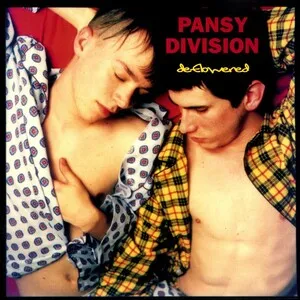
Deflowered
Pansy Division
Queercore
1991
2
/5
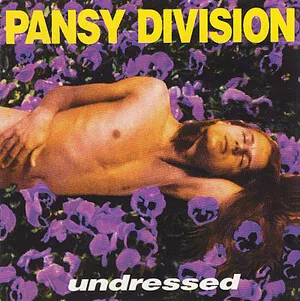
Undressed
Pansy Division
Queercore
Similar artists
2
/5
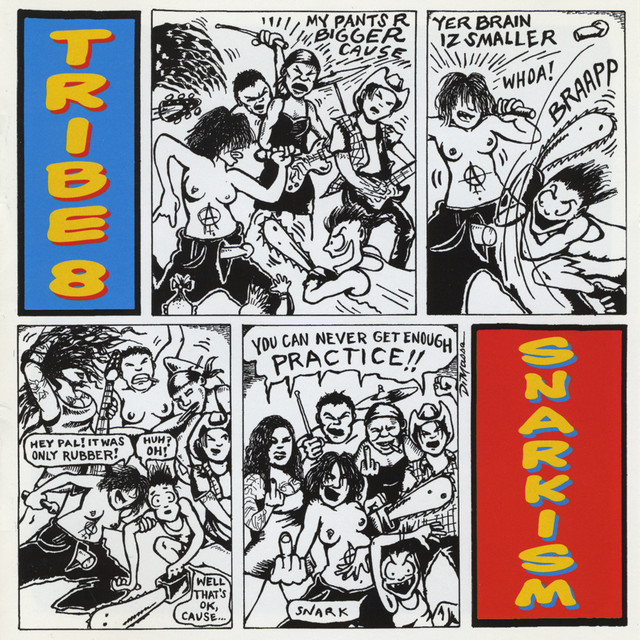
Tribe 8
Queercore
Riot Grrrl
Tape Club
4
/5
Dazey and the Scouts
Queercore
Riot Grrrl
Punk
3
/5
Destroy Boys
Queercore
Riot Grrrl
Rock
2
/5
Team Dresch
Queercore
Riot Grrrl
Olympia Wa Indie
3
/5
Mannequin Pussy
Queercore
Indie Punk
Riot Grrrl
2
/5
Hunx and His Punx
Queercore
Garage Rock
Riot Grrrl
3
/5
Bikini Kill
Punk
Riot Grrrl
Olympia Wa Indie
3
/5
Crass
Anarcho-Punk
Crust Punk
Punk
2
/5
Screaming Females
New Jersey Hardcore
New Brunswick Basement Scene
Rock
2
/5
Lunachicks
Punk
Riot Grrrl
Underground Grunge
Download our mobile app
Get the Melodigging app and start digging for new genres on the go
Download on the App Store
Get it on Google Play
© 2026 Melodigging
Give feedback
Legal
Melodding was created as a tribute to
Every Noise at Once
, which inspired us to help curious minds keep digging into music's ever-evolving genres.