Genres
Artists
Albums
Make Music
Sign in
Sign in
Artists
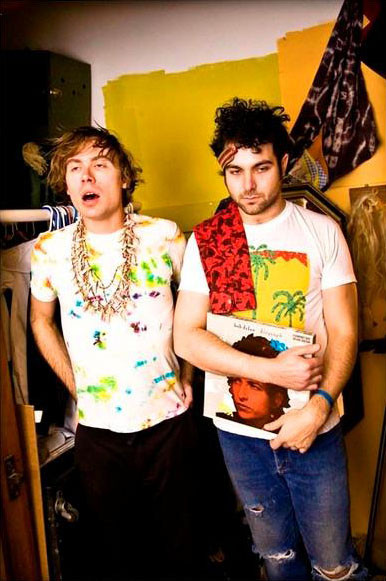
Digital Horror
Artists
Digital Horror
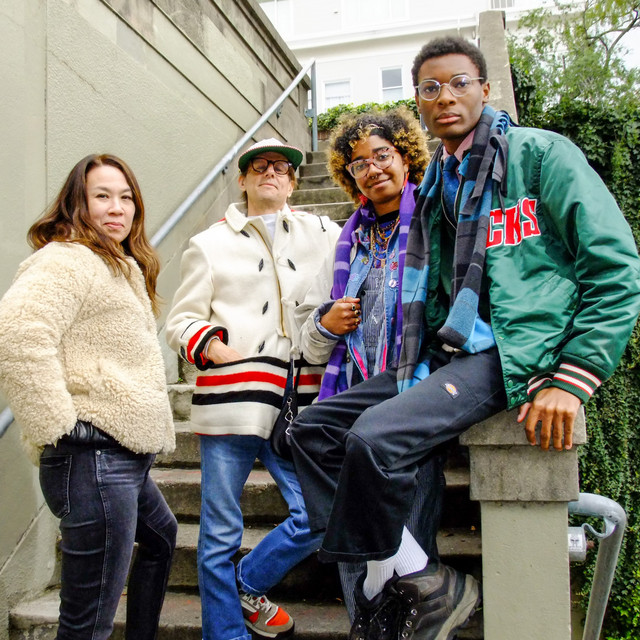
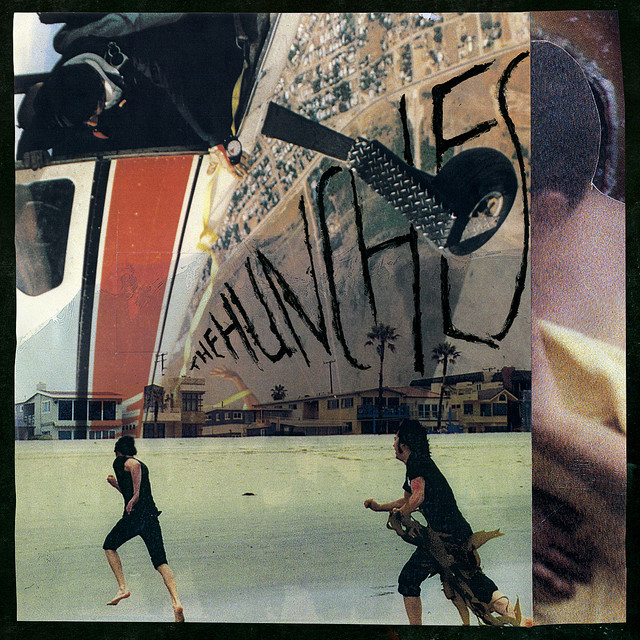
P.H.F.
2012
·
1 album
Listen
2
/5
Genres
Digital Horror
Digital horror is a contemporary horror aesthetic that focuses on dread emerging from networked technologies, software, and always‑on media. Narratives and sound worlds revolve around screens, social platforms, livestreams, malware, deepfakes, and the uncanny presence of algorithmic systems. In music and sound design, the style translates this fear of the digital into glitching textures, corrupted audio artifacts, synthetic drones, and the weaponization of familiar interface sounds (alerts, keyboards, notification pings). It often blends dark ambient, industrial noise, and hauntological sampling to suggest threats that live inside code, clouds, and data centers—consistent with the wider definition that emphasizes anxiety and supernatural menace arising from the Internet and modern media.
Discover
Listen
Egg Punk
Egg punk is a lo‑fi, synth‑laced, jittery offshoot of punk that embraces awkwardness, absurdist humor, and devolved futurism. It tends to favor short, tightly wound songs driven by springy bass, trebly guitars, cheap drum machines, and buzzing monosynths, with nasal or deadpan vocals. The sound references first‑wave new wave and Devo‑style art punk as much as it does budget garage punk, swapping macho toughness for geeky, rubbery energy. Releases are typically DIY—4‑track or cassette‑recorded—and circulate through small labels, Bandcamp, and tape trades.
Discover
Listen
Diy Emo
DIY emo is a grassroots, home-recorded and community-driven branch of contemporary emo that blends twinkly Midwest-emo guitar work, confessional lyricism, and pop-punk urgency with a distinctly lo‑fi, self-produced aesthetic. It foregrounds the ethics of the do‑it‑yourself underground: basement shows, tape or Bandcamp releases, collective touring, and a preference for intimacy over polish. Sonically, it leans on clean, chiming guitars, melodic basslines, dynamic drumming, and unvarnished vocals that veer from soft-spoken to cathartic sing-alongs. Rather than chasing radio gloss, DIY emo embraces rawness and vulnerability—often capturing the feel of a crowded living room show—while channeling themes of friendship, mental health, hometowns, and the bittersweet transitions of early adulthood.
Discover
Listen
Grungegaze
Grungegaze is a hybrid of 1990s grunge’s gritty, riff‑forward heaviness and shoegaze’s hazy, reverb‑soaked atmosphere. It pairs thick, down‑tuned guitars and a muscular rhythm section with smeared walls of delay, chorus, and fuzz, letting chords bloom into clouds of overtones. Vocals are often breathy, melancholic, and mixed low—more another texture than a focal hook—while songs pivot between quiet, foggy verses and explosive, saturated crescendos. The result is music that feels simultaneously weighty and weightless: emotionally raw like grunge, yet dreamy and enveloping like shoegaze.
Discover
Listen
Shitgaze
Shitgaze is a deliberately lo‑fi, noise‑blasted strain of indie rock that pushes recording equipment to its limits—embracing tape hiss, clipping, blown‑out drums, and overloaded guitars as aesthetic choices rather than flaws. Coined as a tongue‑in‑cheek nod to shoegaze, the term emerged around a Columbus, Ohio–centered DIY scene whose bands favored 4‑track cassettes, cheap mics, and first‑take energy. The songs are short, hooky, and punk‑paced, but smeared with distortion and room noise, yielding a sound that is both catchy and caustic. Beyond provocation, shitgaze frames rawness as a form of honesty: immediacy over polish, texture over fidelity, and irreverent humor over studio perfection.
Discover
Listen
Garage Pop
Garage pop blends the raw, energetic attack of garage rock with bright, ear‑catching pop melodies. It favors short, hook‑heavy songs, jangly or fuzz‑kissed guitars, tambourine and handclaps, and sing‑along choruses. While the sonics are gritty and often lo‑fi, the songwriting is unabashedly tuneful—drawing on 1960s girl‑group harmonies, surf rhythms, and Brill Building craft. Lyrics tend to be direct and youthful (love, longing, summer ennui), and vocals are frequently drenched in reverb for a hazy, sun‑bleached glow.
Discover
Listen
Garage Rock
Garage rock is a raw, energetic style of rock music that emerged in the mid-1960s from local scenes across North America. Typically performed by amateur or semi-professional teenage bands in basements and suburban garages, the sound is unpolished and immediate, favoring feel over finesse. Its hallmarks include distorted guitars, pounding drums, simple chord progressions (often I–IV–V), prominent Farfisa/Vox organ riffs, and shouted, attitude-heavy vocals. Songs are short, hooky, and driven by rhythmic urgency, with lyrics about teenage love, boredom, rebellion, and swagger. The style became a direct ancestor of proto-punk and punk rock, prized for its do-it-yourself spirit and visceral impact.
Discover
Listen
Show all 7 genres
Albums
2012
1
/5
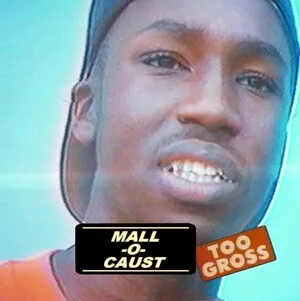
Mall-O-Caust
Perfect Hair Forever
Shitgaze
Similar artists
1
/5
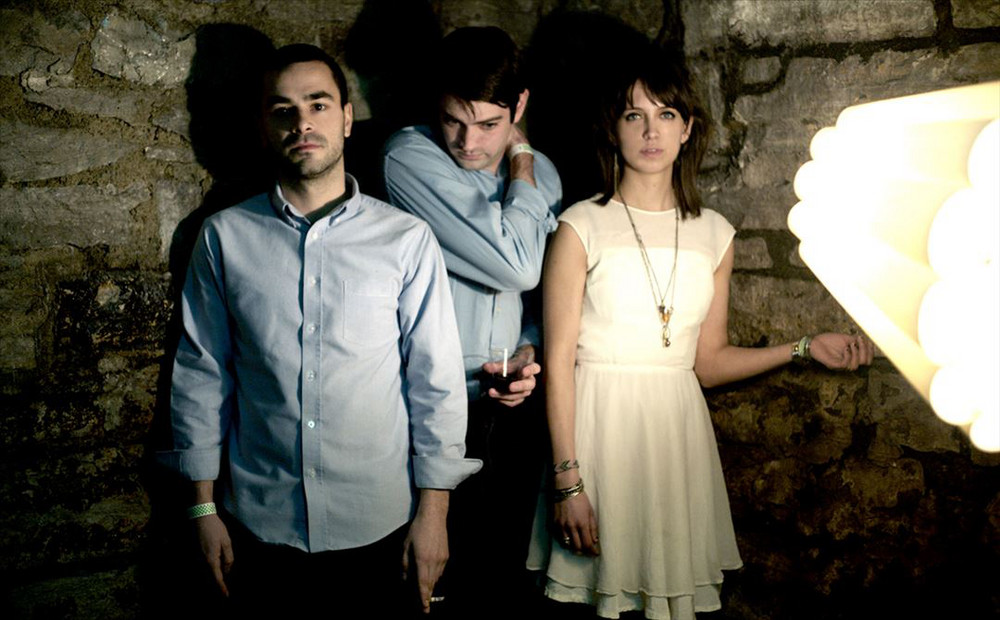
The Intelligence
Garage Rock
Shitgaze
Egg Punk
5
/5
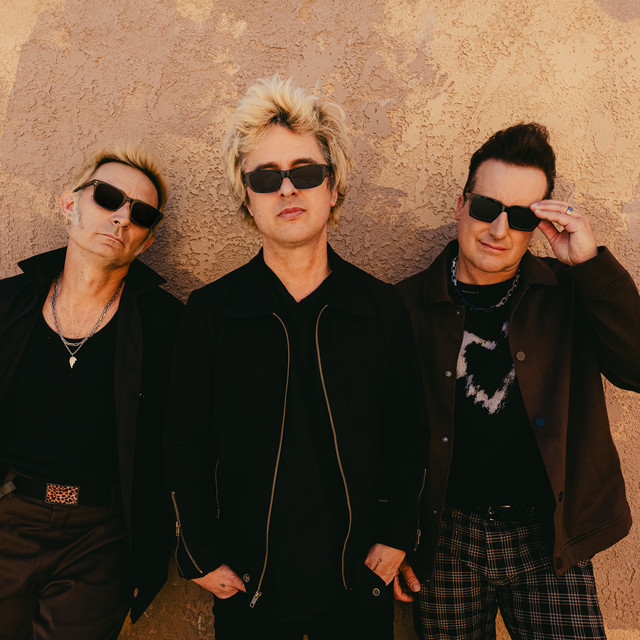
Green Day
Pop Punk
Punk
Alternative Rock
4
/5
Iggy Pop
Proto-Punk
Glam Rock
Chill Pop
3
/5
Ty Segall
Garage Rock
Noise Pop
Gaian Doom
2
/5
No Age
Art Punk
Garage Rock
Noise Rock
1
/5
The Men
Garage Psych
Garage Rock
Noise Rock
1
/5
Times New Viking
Lo-Fi
Shitgaze
Garage Rock
1
/5
The Hunches
Garage Rock
Shitgaze
Punk
1
/5
Psychedelic Horseshit
Garage Rock
Noise Rock
Shitgaze
1
/5
The Hospitals
Shitgaze
Garage Rock
Jangle Pop
Download our mobile app
Get the Melodigging app and start digging for new genres on the go
Download on the App Store
Get it on Google Play
© 2026 Melodigging
Give feedback
Legal
Melodding was created as a tribute to
Every Noise at Once
, which inspired us to help curious minds keep digging into music's ever-evolving genres.