Genres
Artists
Albums
Make Music
Sign in
Sign in
Artists
Cumbia Norteña Mexicana
Artists
Cumbia Norteña Mexicana
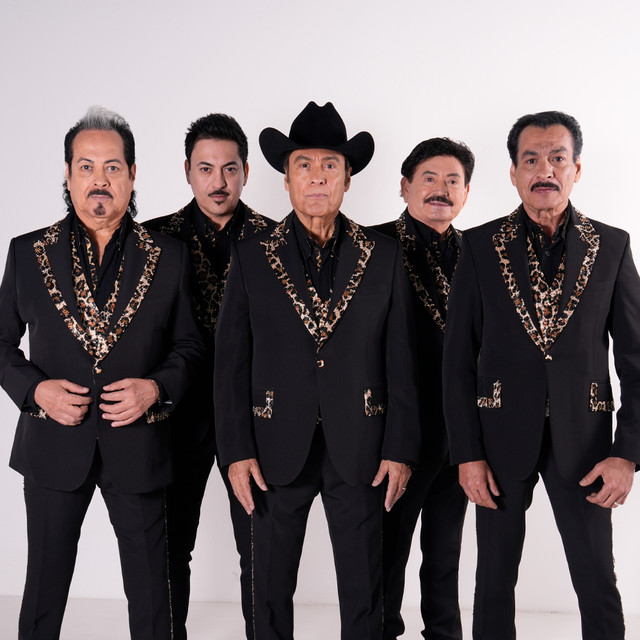
Oscar Toscano "El Boca Aguada"
Listen
2
/5
Genres
Sierreño
Sierreño (música sierreña) is an acoustic, guitar‑driven substyle of Regional Mexican music rooted in the mountainous "sierra" regions of northwestern Mexico. It typically features a trio format: a lead requinto guitar playing melodic lines and solos, a 6‑ or 12‑string rhythm guitar providing harmonic drive with vigorous rasgueado strumming, and a bass voice supplied by tololoche (acoustic upright), acoustic/electric bass, or, in modern variants, tuba. Vocals are often delivered in close two‑ or three‑part harmonies, carrying narratives (corridos) and romantic themes (boleros, rancheras). The sound is percussive yet intimate—largely drumless—with tempos ranging from lilting waltzes to polka‑like two‑steps. Contemporary waves ("sierreño con tuba" and urban/crossover forms) expand the palette while preserving the genre’s core string interplay.
Discover
Listen
Cumbia Norteña Mexicana
Cumbia norteña mexicana is a northern Mexican take on cumbia that blends the Colombian-born rhythm with the instrumentation, feel, and dance culture of norteño and grupera. It is driven by accordion lead lines, bajo sexto rhythm guitar, electric bass, and drum kit, often complemented by güiro or cowbell, and sometimes saxophone or keyboards. The groove keeps cumbia’s characteristic off-beat syncopation while adopting a brisk, two-step-friendly pulse common in the Mexican north and along the Texas border. Songs typically use simple, catchy harmonies (I–IV–V with frequent dominant sevenths), memorable accordion hooks, and verse–chorus structures. Lyrics range from festive parties and dance-floor humor to everyday border life, love, and migration, delivered with call-outs and crowd-response energy tailored to bailes and rodeos.
Discover
Listen
Latin Ballad
Latin ballad (balada romántica) is a sentimental, melodically rich style of Spanish-language popular song that evolved directly from the Cuban/Mexican bolero tradition. It emphasizes expressive vocals, lush harmonic progressions, and romantic narratives about love, heartbreak, longing, and reconciliation. The genre coalesced in the early 1960s in Los Angeles and Southern California, where Latin-American and Mexican-American songwriters, arrangers, and singers modernized bolero aesthetics with contemporary pop orchestration, crooner-style delivery, and studio production techniques. Typically set at slow-to-medium tempos, Latin ballads feature piano or nylon‑string guitar, warm string sections, and climactic modulations that heighten emotional impact.
Discover
Listen
Latin
Latin (as a genre label) is a broad umbrella used by the recording industry to categorize popular music rooted in Latin America, the Caribbean, and the Iberian world, often characterized by syncopated Afro-diasporic rhythms, dance-forward grooves, and lyrics primarily in Spanish or Portuguese. As a marketplace category that took shape in the mid-20th century United States, it gathers diverse traditions—Afro-Cuban, Brazilian, Mexican, and Caribbean styles—into a shared space. In practice, "Latin" spans everything from big-band mambo and bolero ballads to contemporary pop, rock, hip hop, and dance fusions produced by artists of Latin American heritage.
Discover
Listen
Regional Mexicano
Regional Mexicano (Música Mexicana) is an umbrella term for folk-derived regional styles from Mexico and their Mexican American continuations in the Southwestern United States. Rather than one single sound, it gathers subgenres tied to specific regions—such as mariachi and ranchera (Jalisco/Centro-Occidente), norteño and sierreño (Norte), banda sinaloense (Sinaloa), and narrative corridos that travel nationwide. Its foundations reach back to the 16th–19th centuries, when Indigenous musical practices fused with Spanish song forms, African rhythms, and European dance-band traditions (polka, waltz, schottische), later meeting brass-band instrumentation and, in the North, accordion-led ensembles. In the 20th century it consolidated through radio, cinema, and records, and in the late 20th century became a major Spanish-language radio format in the U.S. Today it ranges from emotive ranchera ballads to high-energy banda and norteño dance music and modern corridos that reflect contemporary social life.
Discover
Listen
Banda Sinaloense
Banda sinaloense is a brass-driven regional Mexican style that arose in the state of Sinaloa, blending European military band sonorities with local dance and song forms. Ensembles typically feature clarinets, trumpets, trombones, alto/baritone horns, and a tuba or sousaphone, anchored by the iconic tambora (bass drum with mounted cymbal) and tarola (snare drum). Its repertoire spans lively polkas, waltzes, mazurkas, schottisches, and pasodobles, alongside Mexican corridos, rancheras, boleros, and modern cumbias. The sound is powerful and celebratory: unison brass fanfares, tight harmonized lines, and a driving “oom‑pah” low end support emotive lead vocals and energetic percussion, making it a staple of festivals, dances, and contemporary charts.
Discover
Listen
Similar artists
5
/5
Grupo Frontera
Tejano
Cumbia Norteña Mexicana
Grupera
5
/5
Los Tigres Del Norte
Corrido
Norteño
Latin
4
/5
Los Tucanes De Tijuana
Corrido
Banda
Cumbia Norteña Mexicana
4
/5
Conjunto Primavera
Norteño
Norteño-Sax
Grupera
4
/5
Intocable
Tejano
Cumbia Norteña Mexicana
Banda
4
/5
Duelo
Tejano
Cumbia Norteña Mexicana
Latin
4
/5
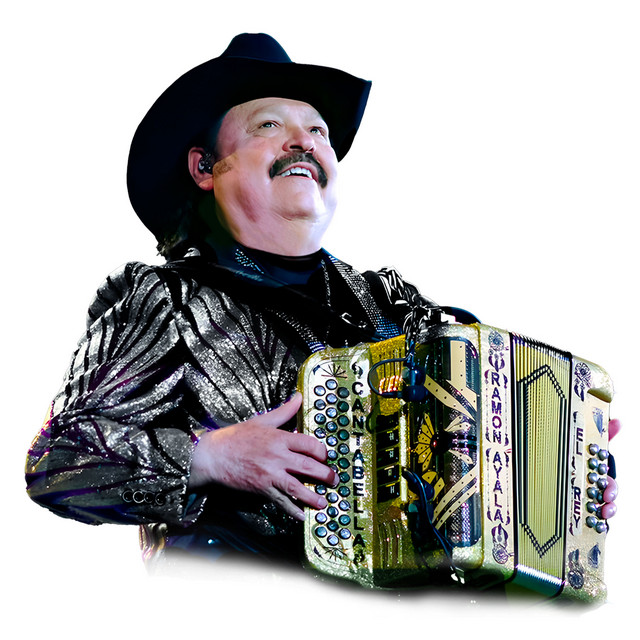
Ramon Ayala Y Sus Bravos Del Norte
Tejano
Corrido
Banda
4
/5
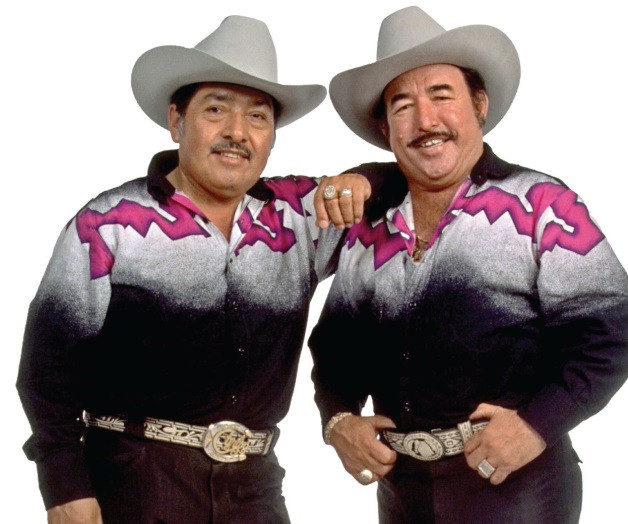
Carlos Y Jose
Corrido
Cumbia Norteña Mexicana
Norteño
4
/5
Fito Olivares Y La Pura Sabrosura
Tejano
Cumbia
Cumbia Norteña Mexicana
3
/5
Los Elegantes de Jerez
Huapango
Banda
Cumbia Norteña Mexicana
Download our mobile app
Get the Melodigging app and start digging for new genres on the go
Download on the App Store
Get it on Google Play
© 2026 Melodigging
Give feedback
Legal
Melodding was created as a tribute to
Every Noise at Once
, which inspired us to help curious minds keep digging into music's ever-evolving genres.