Genres
Artists
Albums
Make Music
Sign in
Sign in
Artists
Tejano
Artists
Tejano
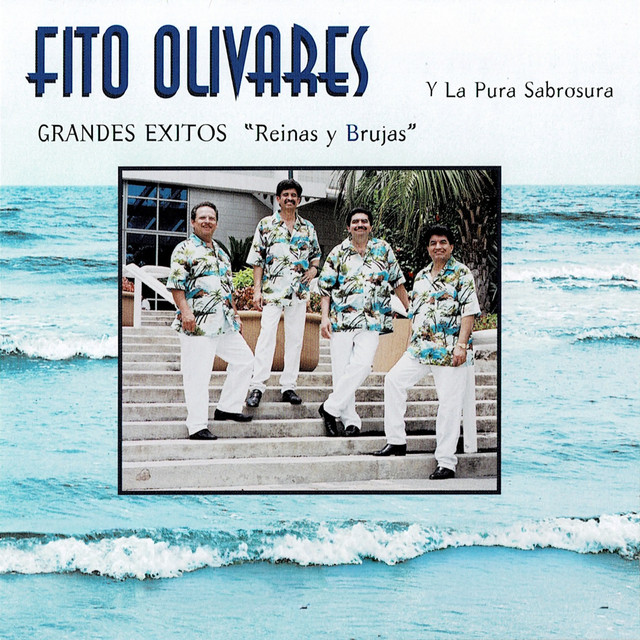
Fito Olivares Y La Pura Sabrosura
2002
·
1 album
Listen
4
/5
Genres
Cumbia 420
Cumbia 420 is a contemporary Argentine micro‑genre that fuses the 2/4 swing and keyboard riffs of cumbia villera with the dembow/reggaetón pulse and trap/hip‑hop aesthetics. Built around minor‑key synth hooks, booming 808 sub‑bass, whistle/lead “silbido” lines and heavily Auto‑Tuned vocals, it keeps cumbia’s street‑party groove while adopting urban club sound design and lyrical themes tied to barrio life and cannabis (“420”). The result is a raw, dance‑forward style that sits between a cumbia sound system and an urban club set: simple, sticky melodies; aggressive percussive programming; and catchy call‑and‑response hooks designed for social media virality and neighborhood parties.
Discover
Listen
New Tejano
New Tejano is a contemporary rejuvenation of Texas-Mexican (Tejano) music that blends the genre’s traditional accordion-forward polkas, cumbias, and rancheras with modern pop, R&B, and electronic production. It preserves signature elements—diatonic accordion riffs, bajo sexto strums, two-step and cumbia grooves—while embracing glossy synths, punchy drum programming, pop-leaning hooks, and bilingual storytelling. Compared with classic Tejano, New Tejano tends to favor hook-driven choruses, tighter radio/streaming song lengths, and crossover-friendly arrangements that sit comfortably alongside Latin pop and regional mexicano playlists. The result is music that still feels like a Saturday-night baile—joyful, danceable, and community-rooted—yet updated for the streaming era with contemporary sound design and a new generation of voices.
Discover
Listen
Cumbia Editada
Cumbia editada (also seen as “kumbias editadas”) is a DJ‑driven offshoot of Mexican cumbia and the sonidero sound system tradition. It consists of re‑editing existing cumbia recordings—looping hooks, inserting stutters and rewinds, applying heavy echo and delay, and adding sound‑effects drops (sirens, air horns, lasers), DJ tags, and MC dedications. Born in dance floors, neighborhood street parties, and later on social video platforms, cumbia editada privileges crowd response and DJ functionality. Tracks often extend intros/outros for mixing, emphasize percussion breaks, and sometimes adopt the slowed, woozy feel popular in northern Mexico, while keeping the romantic and melodic core of classic cumbia.
Discover
Listen
Cumbia Norteña Mexicana
Cumbia norteña mexicana is a northern Mexican take on cumbia that blends the Colombian-born rhythm with the instrumentation, feel, and dance culture of norteño and grupera. It is driven by accordion lead lines, bajo sexto rhythm guitar, electric bass, and drum kit, often complemented by güiro or cowbell, and sometimes saxophone or keyboards. The groove keeps cumbia’s characteristic off-beat syncopation while adopting a brisk, two-step-friendly pulse common in the Mexican north and along the Texas border. Songs typically use simple, catchy harmonies (I–IV–V with frequent dominant sevenths), memorable accordion hooks, and verse–chorus structures. Lyrics range from festive parties and dance-floor humor to everyday border life, love, and migration, delivered with call-outs and crowd-response energy tailored to bailes and rodeos.
Discover
Listen
Cumbia Mexicana
Cumbia mexicana is the Mexican adaptation of Colombian cumbia, reshaped by local tropical orchestras, border accordion traditions, and urban DJ (sonidero) culture. It typically features a steady 2/4 cumbia groove, melodic accordion or organ riffs, bright brass lines, and romantic or festive lyrics. Over time it diversified into regional styles such as cumbia sonidera (Mexico City), cumbia norteña (northern Mexico with accordion-driven arrangements), and the slowed-down cumbia rebajada (Monterrey DJ culture), while also crossing over into grupera and banda contexts. Today it is a cornerstone of Mexico’s popular dance music, equally at home in neighborhood parties, massive sonidero sound-system dances, and pop collaborations.
Discover
Listen
Tejano
Tejano (also called Tex‑Mex music) is a Mexican‑American popular style that blends the conjunto and norteño ensemble tradition with European dance rhythms (polka, schottische, waltz) and U.S. popular genres such as country, blues, funk, and rock. At its core are the accordion and bajo sexto, supported by electric bass and drum kit. Two main ensemble lineages coexist: the conjunto/accordion format and the orquesta Tejana format with saxophones and trumpets. Since the late 1970s, keyboards and synthesizers have been central to the "modern" Tejano sound, while cumbia, ballad, and two‑step grooves broaden its dance palette. Lyrics are typically in Spanish (often bilingual), centering on love, border life, working‑class pride, and festive social dance. The result is a dance‑forward, catchy, and distinctly borderlands music that feels at once Mexican in roots and American in production and stylistic openness.
Discover
Listen
Latin
Latin (as a genre label) is a broad umbrella used by the recording industry to categorize popular music rooted in Latin America, the Caribbean, and the Iberian world, often characterized by syncopated Afro-diasporic rhythms, dance-forward grooves, and lyrics primarily in Spanish or Portuguese. As a marketplace category that took shape in the mid-20th century United States, it gathers diverse traditions—Afro-Cuban, Brazilian, Mexican, and Caribbean styles—into a shared space. In practice, "Latin" spans everything from big-band mambo and bolero ballads to contemporary pop, rock, hip hop, and dance fusions produced by artists of Latin American heritage.
Discover
Listen
Cumbia
Cumbia is a syncretic dance-music tradition from Colombia’s Caribbean coast that blends African rhythmic heritage, Indigenous (especially gaita flute) melodic practice, and Spanish colonial instrumentation and forms. Traditionally performed in a moderate 2/4 (often felt in 4/4 today), it features interlocking hand-drum parts (tambora, alegre, llamador), guacharaca or maracas for steady texture, and long cane flutes (gaita hembra and gaita macho) carrying call-and-response melodies. As it spread in the 20th century, orchestras and dance bands added accordion, horns, piano, bass, and later electric guitar and synthesizers, creating urban and pan–Latin American variants. Harmonically simple and rhythm-forward, cumbia places groove, ostinati, and vocal refrains at the center, making it both ceremonial in origin and enduringly popular on social dance floors across the Americas.
Discover
Listen
Show all 8 genres
Albums
2002
4
/5
Grandes Exitos "Reinas y Brujas"
Fito Olivares y La Pura Sabrosura
Tejano
Similar artists
4
/5
Bronco
Cumbia Norteña Mexicana
Cumbia
Tejano
4
/5
Selena
Tejano
Cumbia
Latin Pop
5
/5
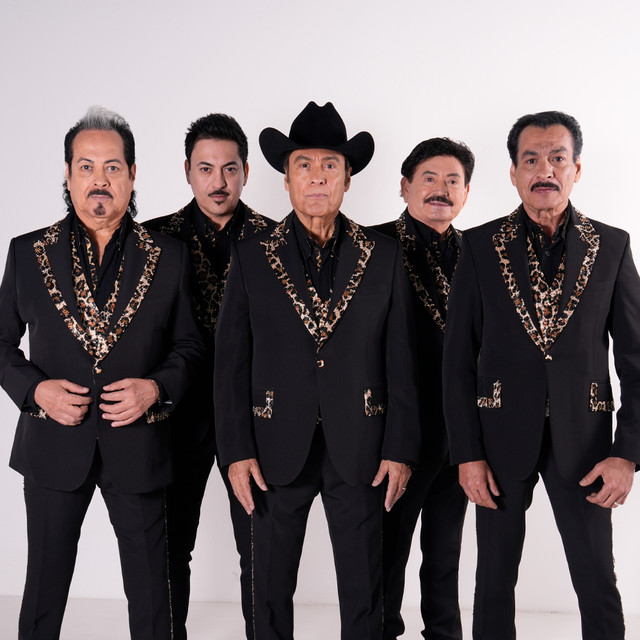
Los Tigres Del Norte
Corrido
Norteño
Latin
4
/5
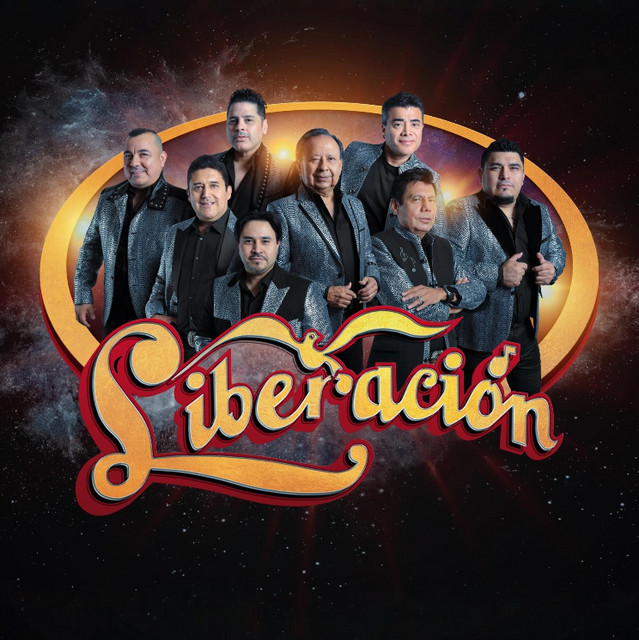
Liberación
Cumbia Norteña Mexicana
Duranguense
Tejano
4
/5
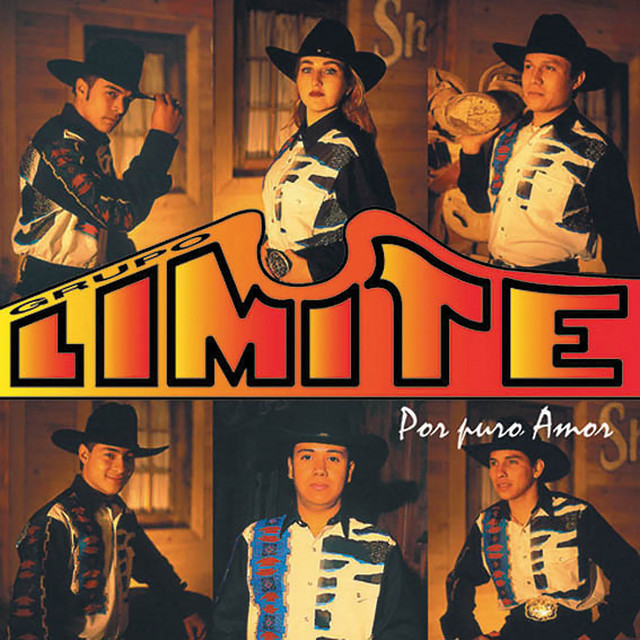
Grupo Limite
Tejano
Banda
Cumbia
4
/5
De Parranda
Norteño-Sax
Tejano
Cumbia
4
/5
Los Tigrillos
Cumbia Sonidera
Tejano
Cumbia
3
/5
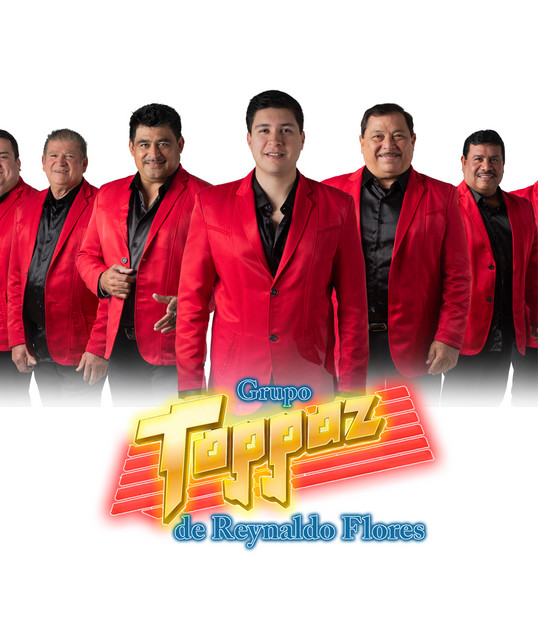
Grupo Toppaz De Reynaldo Flores
Tejano
Cumbia
Cumbia Norteña Mexicana
3
/5
Paco Barrón y sus Norteños Clan
Tejano
Cumbia
Cumbia Norteña Mexicana
3
/5
Secretto
Tex-Mex
Tejano
Cumbia
Download our mobile app
Get the Melodigging app and start digging for new genres on the go
Download on the App Store
Get it on Google Play
© 2026 Melodigging
Give feedback
Legal
Melodding was created as a tribute to
Every Noise at Once
, which inspired us to help curious minds keep digging into music's ever-evolving genres.