Genres
Artists
Albums
Make Music
Sign in
Sign in
Artists
Corrido
Artists
Corrido
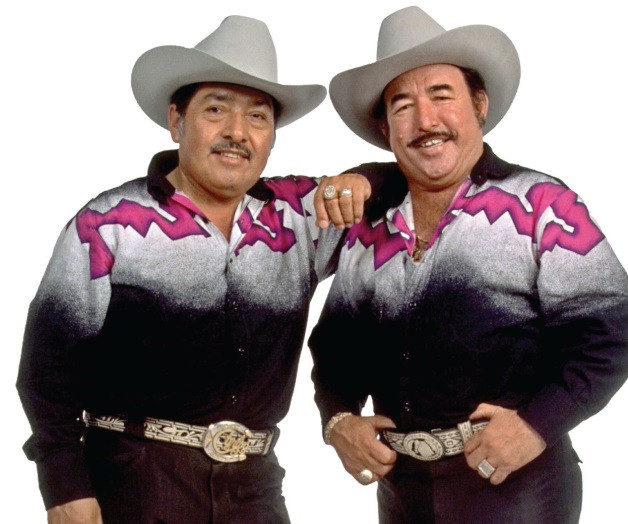
Carlos Y Jose
Listen
4
/5
Genres
Musica Urbana Oaxaquena
Musica urbana oaxaqueña (Oaxacan urban music) is a contemporary, grassroots blend of Latin urban styles—reggaeton, Latin trap, dancehall and hip‑hop—with regional sounds and languages from the state of Oaxaca, Mexico. It often mixes Spanish with Indigenous languages such as Zapotec, Mixtec, Mixe, Mazatec, and Triqui, foregrounding local identity alongside global club aesthetics. Production typically marries dembow or halftime trap drums with timbres and melodic turns inspired by Oaxacan brass band traditions (bandas de viento), chilena costeña (6/8–3/4 hemiola swing), son istmeño motifs, and cumbia keyboards or guitars. Lyrically, it ranges from party and romance to migration, pride, and community narratives tied to fiestas patronales, tequio (communal work), and Oaxacan diasporic life.
Discover
Listen
Cumbia Norteña Mexicana
Cumbia norteña mexicana is a northern Mexican take on cumbia that blends the Colombian-born rhythm with the instrumentation, feel, and dance culture of norteño and grupera. It is driven by accordion lead lines, bajo sexto rhythm guitar, electric bass, and drum kit, often complemented by güiro or cowbell, and sometimes saxophone or keyboards. The groove keeps cumbia’s characteristic off-beat syncopation while adopting a brisk, two-step-friendly pulse common in the Mexican north and along the Texas border. Songs typically use simple, catchy harmonies (I–IV–V with frequent dominant sevenths), memorable accordion hooks, and verse–chorus structures. Lyrics range from festive parties and dance-floor humor to everyday border life, love, and migration, delivered with call-outs and crowd-response energy tailored to bailes and rodeos.
Discover
Listen
Latin
Latin (as a genre label) is a broad umbrella used by the recording industry to categorize popular music rooted in Latin America, the Caribbean, and the Iberian world, often characterized by syncopated Afro-diasporic rhythms, dance-forward grooves, and lyrics primarily in Spanish or Portuguese. As a marketplace category that took shape in the mid-20th century United States, it gathers diverse traditions—Afro-Cuban, Brazilian, Mexican, and Caribbean styles—into a shared space. In practice, "Latin" spans everything from big-band mambo and bolero ballads to contemporary pop, rock, hip hop, and dance fusions produced by artists of Latin American heritage.
Discover
Listen
Norteño
Norteño (música norteña) is a Mexican regional style built around the bright timbre of the diatonic button accordion and the driving strum of the bajo sexto. Rooted in borderland dance music, it blends Central European polka, waltz, and schottische rhythms with Mexican corrido storytelling and ranchera songcraft. Characterized by brisk 2/4 polkas and lilting 3/4 waltzes, norteño songs range from narrative corridos about migration and everyday struggles to romantic ballads and party tunes. Traditional ensembles used tololoche (upright bass) and snare, while modern groups often add electric bass, full drum kits, and occasionally tenor sax (in the norteño-sax substyle) or tuba (in norteño-banda). The result is a dance-forward, story-rich music that bridges rural and urban audiences on both sides of the U.S.–Mexico border.
Discover
Listen
Regional Mexicano
Regional Mexicano (Música Mexicana) is an umbrella term for folk-derived regional styles from Mexico and their Mexican American continuations in the Southwestern United States. Rather than one single sound, it gathers subgenres tied to specific regions—such as mariachi and ranchera (Jalisco/Centro-Occidente), norteño and sierreño (Norte), banda sinaloense (Sinaloa), and narrative corridos that travel nationwide. Its foundations reach back to the 16th–19th centuries, when Indigenous musical practices fused with Spanish song forms, African rhythms, and European dance-band traditions (polka, waltz, schottische), later meeting brass-band instrumentation and, in the North, accordion-led ensembles. In the 20th century it consolidated through radio, cinema, and records, and in the late 20th century became a major Spanish-language radio format in the U.S. Today it ranges from emotive ranchera ballads to high-energy banda and norteño dance music and modern corridos that reflect contemporary social life.
Discover
Listen
Corrido
Corrido is a Mexican narrative ballad tradition that tells real or imagined stories about heroes, outlaws, battles, tragedies, and contemporary events. It is strophic, usually built from octosyllabic lines organized into quatrains with assonant rhyme, and features a declamatory vocal delivery designed to make the storyline clear. Musically, corridos are commonly set to dance-derived rhythms such as polka in 2/4 or waltz in 3/4, reflecting 19th‑century European influences absorbed in northern Mexico. They are performed by different ensembles—most famously norteño groups with accordion and bajo sexto, mariachi with violins and trumpets, or banda with brass and tuba—yet the poetic form and storytelling remain central. Typical corridos open with a saludo (greeting/announcement), present the narrative in chronological episodes rich with names, places, and dates, and close with a despedida (farewell or moral). Modern variants include narcocorridos and, more recently, corridos tumbados that fuse the narrative form with contemporary urban and trap aesthetics.
Discover
Listen
Ranchera
Ranchera (canción ranchera) is a traditional Mexican song genre characterized by passionate, emotive vocals; memorable, singable melodies; and direct, heartfelt lyrics about love, heartbreak, drinking, patriotism, rural life, and personal honor. Although its roots reach back to rural song traditions of the late 18th and early 19th centuries, ranchera consolidated as a national popular style before the Mexican Revolution and was later projected across Latin America through the Golden Age of Mexican cinema. The genre is commonly performed with mariachi (violins, trumpets, vihuela, guitarra, guitarrón), but it can also appear with norteño, banda, or solo voice-and-guitar arrangements. Musically, rancheras often use simple strophic or verse–chorus forms, tonal harmonies (I–IV–V with occasional secondary dominants or modulations), and meters in 3/4 (vals ranchero) or 2/4 and 4/4 (ranchera alegre or ranchera lenta). Vocal delivery features expressive rubato, dramatic dynamic arcs, and the iconic grito (a shouted cry) between phrases.
Discover
Listen
Show all 7 genres
Similar artists
5
/5
Los Tigres Del Norte
Corrido
Norteño
Latin
4
/5
Los Tucanes De Tijuana
Corrido
Banda
Corridos Alternativos
5
/5
Grupo Frontera
Tejano
Cumbia Norteña Mexicana
Grupera
4
/5
Cardenales De Nuevo León
Banda
Corrido
Cumbia Norteña Mexicana
4
/5
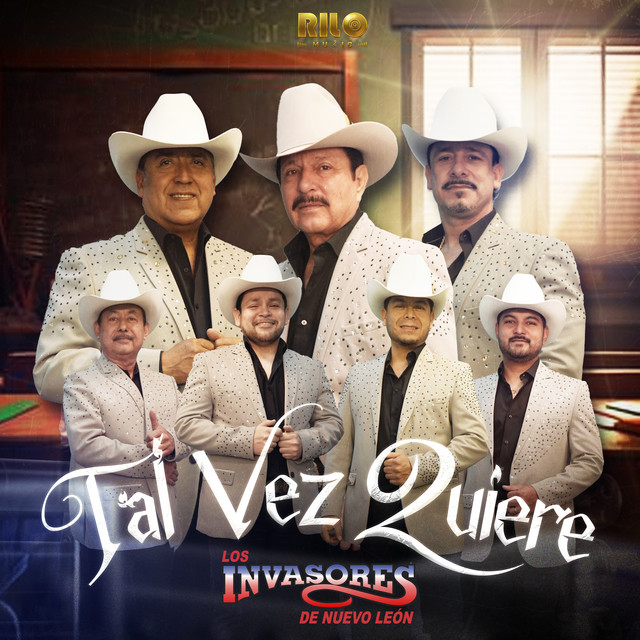
Los Invasores De Nuevo León
Corrido
Banda
Bolero
4
/5
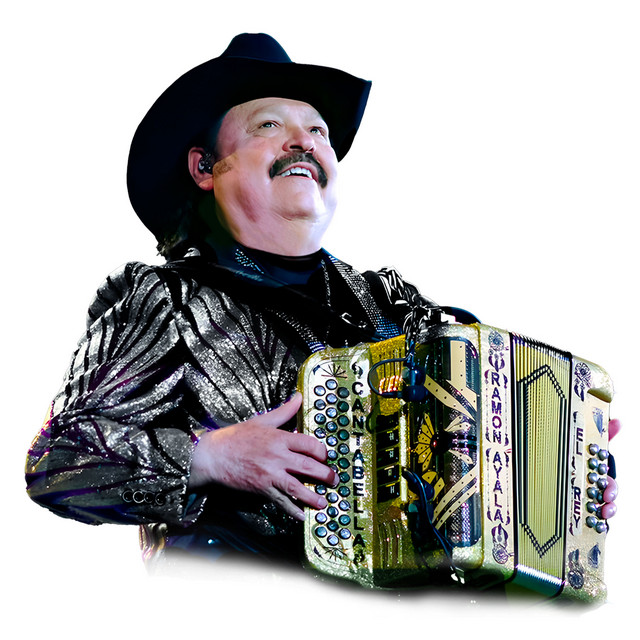
Ramon Ayala Y Sus Bravos Del Norte
Tejano
Corrido
Banda
4
/5
Los Rieleros Del Norte
Banda
Corrido
Corridos Alternativos
3
/5
Eliseo Robles Y Los Barbaros Del Norte
Bolero
Corrido
Cumbia Norteña Mexicana
3
/5
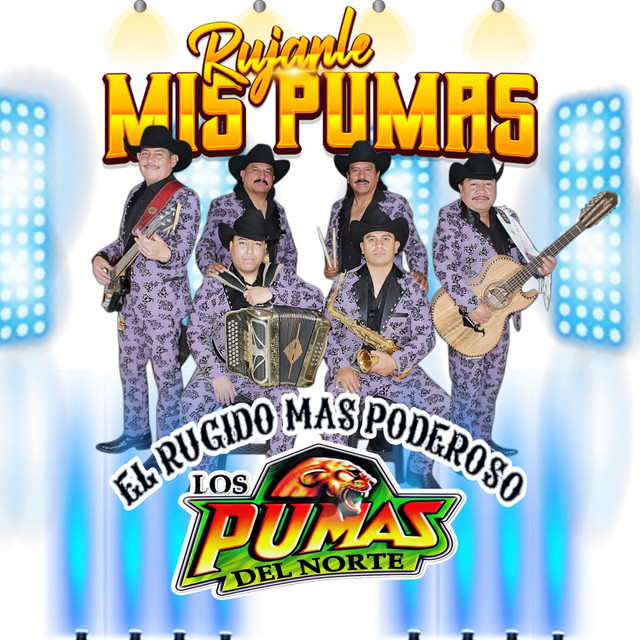
Los Pumas Del Norte
Corrido
Cumbia Norteña Mexicana
Norteño
5
/5
Carín León
Regional Mexicano
Alternative Country
Latin Pop
Download our mobile app
Get the Melodigging app and start digging for new genres on the go
Download on the App Store
Get it on Google Play
© 2026 Melodigging
Give feedback
Legal
Melodding was created as a tribute to
Every Noise at Once
, which inspired us to help curious minds keep digging into music's ever-evolving genres.