Genres
Artists
Albums
Make Music
Sign in
Sign in
Artists
Salsa
Artists
Salsa
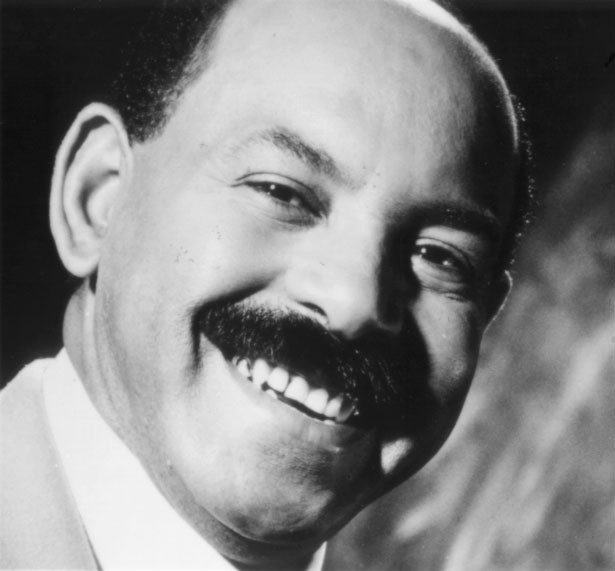
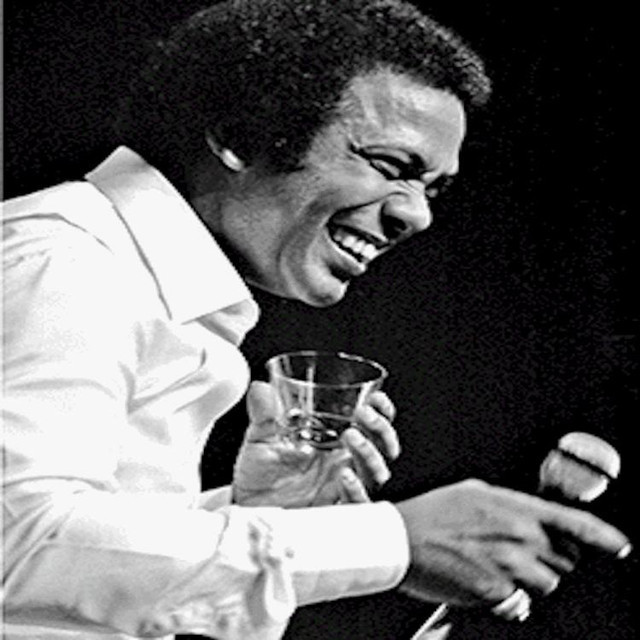
Oscar D'León
1976–2016
·
30 albums
Listen
4
/5
Genres
Pop Reggaeton
Pop reggaeton is a mainstream-friendly fusion of reggaeton’s dembow rhythm with pop songwriting, melody, and production polish. It keeps the genre’s signature off‑beat snare pattern and half‑time swing while foregrounding catchy toplines, bright synths, and clean, radio-ready mixes. Tempos typically sit around 85–100 BPM (or 170–200 BPM felt in halftime), with warm 808 subs, syncopated percussion, and hook‑centric choruses. Vocals—often in Spanish or Spanglish—lean toward memorable, romantic, or aspirational themes. Compared with classic reggaeton, pop reggaeton softens timbres, smooths cadences, and uses pop structures (verse–pre‑chorus–chorus–bridge) for broad crossover appeal.
Discover
Listen
Machine Rock
Machine rock is a hybrid rock style that fuses hard-edged rock instrumentation with the rigid pulse, repetition, and synthetic textures of industrial and electronic music. The genre typically emphasizes mechanical precision, distorted guitars, sequenced rhythms, processed vocals, and a cold, metallic sonic atmosphere. It often feels more locked to programmed groove than traditional rock, with riffs and drum patterns designed to sound motoric, automated, and machine-driven. In practice, machine rock sits between industrial rock, electronic rock, industrial metal, and sometimes EBM-inflected rock. It favors tight rhythmic control, layered distortion, synthetic bass or sequencer lines, and production aesthetics that highlight compression, repetition, and digital or metallic timbres.
Discover
Listen
Ballroom House
Ballroom house is a high-energy, percussive branch of house music created to soundtrack voguing and runway categories in the Black and Latinx LGBTQ+ ballroom scene. It typically runs at 124–130 BPM in straight 4/4, foregrounding pounding kicks, tumbling toms, razor-sharp claps, and the iconic "Ha" crash (popularized by Masters at Work’s 1991 The Ha Dance). Harmony is sparse and functional—short stabs, drones, or a single-note bass—so that rhythm and call-and-response with commentators drive the floor. Tracks often feature chopped chants (e.g., "work," "serve," "tens") and space for dips, spins, and hand performance. Designed for battles and runway walks, ballroom house prioritizes dramatic builds, hard drops, and extended percussion passages that cue specific movements, making it both a dance idiom and a living accompaniment to ballroom culture.
Discover
Listen
Salsa
Salsa is a pan–Latin dance music forged primarily in New York City by Puerto Rican, Cuban, and other Caribbean diasporas. It synthesizes Afro‑Cuban rhythmic blueprints, Puerto Rican bomba and plena, jazz harmony, big‑band horn writing, and Nuyorican street culture into a tightly arranged yet improvisation‑friendly style. The music lives on the clave (either 2‑3 or 3‑2), with layered percussion (congas, bongó, timbales, cowbell, güiro, maracas), a tumbao bass that anticipates the beat, and piano montuno guajeos that interlock with the rhythm section. Call‑and‑response vocals (coro/pregón), punchy horn mambos and moñas, and instrumental solos energize the montuno section. Tempos range from medium to fast in 4/4, optimized for social dancing (commonly “on1” or “on2”). Across decades, salsa has branched into harder, percussion‑forward “salsa dura,” smoother “salsa romántica,” and regional scenes in Puerto Rico, Venezuela, and Colombia, while continuing to influence—and be influenced by—neighboring tropical and jazz idioms.
Discover
Listen
Latin
Latin (as a genre label) is a broad umbrella used by the recording industry to categorize popular music rooted in Latin America, the Caribbean, and the Iberian world, often characterized by syncopated Afro-diasporic rhythms, dance-forward grooves, and lyrics primarily in Spanish or Portuguese. As a marketplace category that took shape in the mid-20th century United States, it gathers diverse traditions—Afro-Cuban, Brazilian, Mexican, and Caribbean styles—into a shared space. In practice, "Latin" spans everything from big-band mambo and bolero ballads to contemporary pop, rock, hip hop, and dance fusions produced by artists of Latin American heritage.
Discover
Listen
Guajira
Guajira is a Cuban song genre with rural, pastoral imagery, derived from the countryside verse-singing tradition known as punto cubano and formalized at the turn of the 20th century. Musically, it favors a lilting, moderate tempo with habanera/tresillo undercurrents, clear major-key harmonies, and lyrical, narrative melodies often set to décimas (ten-line stanzas). Its texts nostalgically portray the guajiro (rural farmer), love, nature, and everyday country life. Historically, a related rhythmic and thematic idea travelled to Spain in the 18th–19th centuries as “punto de La Habana,” entering flamenco as the palo called guajira. In Cuba, the genre was codified in urban theater and zarzuela; Jorge Anckermann’s 1899 song “El arroyo que murmura” is widely cited as the first Cuban guajira and became a template for later works. Over the 20th century the guajira intersected with son, producing the popular hybrid guajira-son and standards such as “Guantanamera.”
Discover
Listen
Guaguancó
Guaguancó is a vibrant couple-dance style within the Cuban rumba family that emerged in working‑class Afro‑Cuban neighborhoods, especially in Havana and Matanzas. It features an interlocking percussion ensemble, call‑and‑response vocals, and a flirtatious dance whose central dramatic gesture is the vacunao, a playful, sudden pelvic or hand "tag" that the partner attempts to block. Musically, guaguancó is organized around the rumba clave (in 3‑2 or 2‑3 orientation), with layered patterns on congas (tumbadoras), the lead quinto drum improvising over the groove, and timekeeping on claves and a wooden guagua/cata. The singing typically begins with an improvised diana (vocal fanfare), moves into solo verses (pregón) and a catchy coro (estribillo). The overall effect is communal, earthy, and intensely rhythmic—designed as much for dance and social play as for musical display.
Discover
Listen
Merengue
Merengue is a fast, dance-centered popular music from the Dominican Republic characterized by a driving 2/4 meter, bright major-key harmonies, and a propulsive rhythmic engine created by güira and tambora. In its rural "típico" form, the lead instrument is a diatonic accordion, supported by tambora, güira, and bass. Urban and orchestral evolutions expanded the instrumentation to include saxophones, trumpets, trombones, piano, congas, and electric bass, yielding a powerful big-band sound. Common song forms use verse–chorus structures with catchy coros and a climactic jaleo section where horns or accordion play tightly arranged riffs. The style spans energetic party anthems, romantic ballad-leaning numbers (merengue romántico), and modern fusions that blend with pop and urban music.
Discover
Listen
Guaracha
Guaracha is a fast‑paced Cuban song–dance genre known for witty, satirical, and often picaresque lyrics delivered over a driving Afro‑Cuban groove. It typically uses the son clave (in 2–3 or 3–2 orientation), call‑and‑response coros, and a lively montuno section that invites dance and audience participation. Originally tied to popular and comic theater, guaracha later became a staple of Cuban conjuntos and charangas, and it survives in the salsa repertoire as a label for brisk, upbeat numbers. Instrumentation commonly includes voice(s), guitar or tres, bass, bongó, maracas, claves, and often trumpets or charanga flute/violins. Harmonies are straightforward and bright (major keys, I–IV–V with frequent secondary dominants), while the rhythmic feel is relentlessly syncopated and festive. The term should not be confused with modern "guaracha edm" (a separate, contemporary club style); historical Cuban guaracha is a distinct traditional genre with roots in 19th‑century Havana and theatrical culture.
Discover
Listen
Bolero
Bolero is both a Spanish dance-music form from the late 18th century and, later, a Cuban song style from the late 19th century. The Spanish bolero emerged as a moderately slow solo or partner dance in 3/4 time, shaped by Andalusian song-dance traditions. It typically features guitar accompaniment and castanets, and its sung texts often follow the seguidilla stanza pattern. In Cuba, bolero evolved into a romantic ballad—most often in 2/4 (later also felt in 4/4)—performed by singers, trios, and salon ensembles. Cuban bolero emphasizes intimate, lyrical melodies, guitar-led accompaniment (often with requinto), and gentle Afro-Caribbean rhythmic undercurrents (habanera feel, soft bongo, claves), becoming one of Latin America’s quintessential love-song forms.
Discover
Listen
Show all 10 genres
Albums
2016
La Salsa en las Venas
Oscar D’León
Latin
Merengue
Salsa
2014
Clásicos de Big Band
Oscar D’León
Latin
Merengue
Salsa
2007
Fuzionando
Oscar D’León
Ballroom House
2004
Así soy...
Oscar D’León
Latin
Merengue
Salsa
2001
Más que amor... frenesí
Oscar D’León
Latin
Merengue
Salsa
1999
La fórmula original
Oscar D’León
Latin
Merengue
Salsa
1999
El verdadero león
Oscar D’León
Latin
Salsa
1997
En Nueva York
Oscar D’León
Latin
Merengue
Salsa
1996
El sonero del mundo
Oscar D’León
Latin
Merengue
Salsa
1995
De ayer a hoy
Oscar D’León
Latin
Merengue
Salsa
1991
Oscar D'León y Los Blanco
Oscar D’León y Los Blanco
Latin
Merengue
Salsa
1991
Auténtico
Oscar D’León
Latin
Merengue
Salsa
1990
En Puerto Rico
Oscar D’León
Latin
Merengue
Salsa
1989
Poco a Poco
Oscar D’León
Latin
Merengue
Salsa
1987
La salsa soy yo
Oscar D’León
Latin
Salsa
1985
En nueva dimensión
La Crítica de Oscar D’León
Latin
Merengue
Salsa
1985
Yo Soy
Oscar D’León
Latin
Merengue
Salsa
1984
Con Cariño, Oscar
Oscar D’León
Latin
Merengue
Salsa
1983
El sabor de Oscar
Oscar D’León
Latin
Salsa
1981
Oscar D'León presenta... La Crítica
Oscar D’León presenta... La Crítica
Latin
Merengue
Salsa
1981
¡A mí sí me gusta así!
Oscar D’León
Latin
Salsa
1980
Acceso VIP
Oscar D’León
Latin
Merengue
Salsa
1980
El Sonero
Oscar D’León
Latin
Merengue
Salsa
1980
Con la salsa de... Oscar d' Leon
Oscar D’León
Guaguancó
Guajira
Guaracha
1980
Oscar D'León presenta La Crítica con Wladimir y Teo
Oscar D’León presenta La Crítica con Wladimir y Teo
Bolero
Guaguancó
Guajira
1979
El más grande
Oscar D’León y su Orquesta
Latin
Salsa
1979
... Llegó... actuó... y... triunfó...!
Oscar D’León
Guaguancó
Latin
Merengue
1978
Oscar D’León y su Salsa Mayor
Oscar D’León y su Salsa Mayor
Latin
Merengue
Salsa
1978
La Crítica de Oscar D'León
La Crítica de Oscar D'León
Latin
Merengue
Salsa
1976
Con Bajo Y Todo
Oscar D’León
Latin
Merengue
Salsa
Similar artists
Hide discovered
4
/5
Willie Colón
Salsa
Latin
Salsa Dura
4
/5
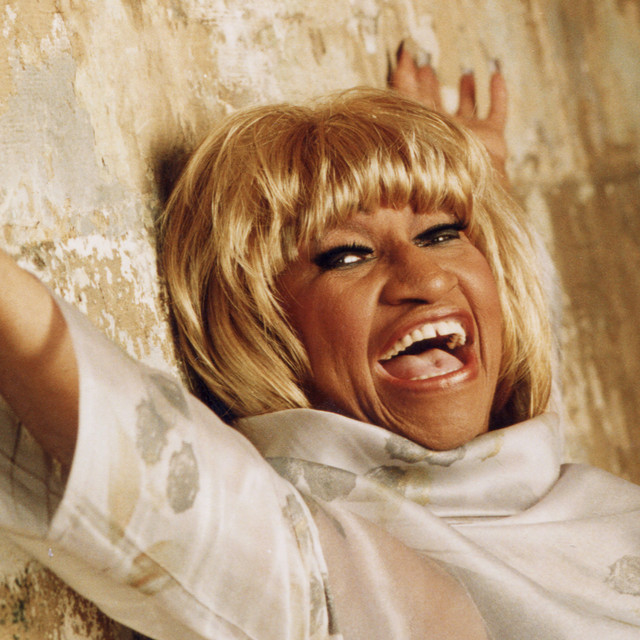
Celia Cruz
Bolero
Latin
Latin Dance
4
/5
El Gran Combo De Puerto Rico
Salsa
Latin
Bolero
4
/5
Grupo Niche
Salsa
Latin
Latin Pop
3
/5
Johnny Pacheco
Salsa
Latin
Bolero
4
/5
Dimension Latina
Latin
Salsa
Bolero
4
/5
Rubén Blades
Salsa
Latin
Latin Jazz
4
/5
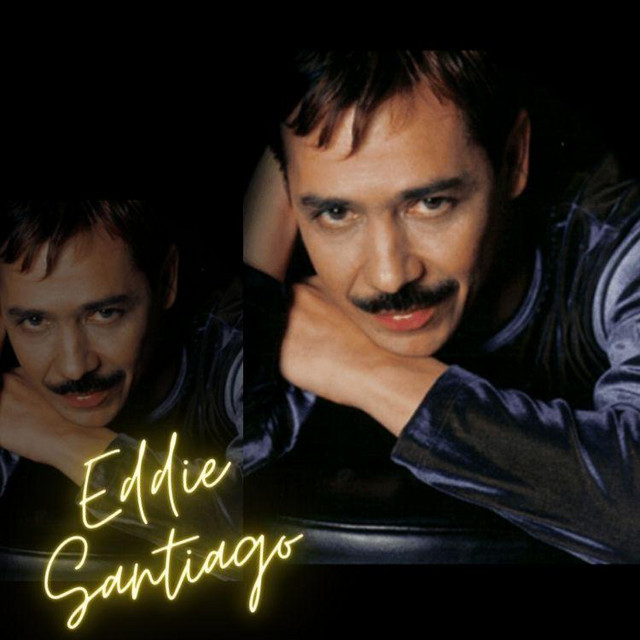
Eddie Santiago
Salsa
Salsa Romántica
Latin
4
/5
Jerry Rivera
Salsa
Latin
Latin Pop
3
/5
Cheo Feliciano
Bolero
Salsa
Latin
Download our mobile app
Get the Melodigging app and start digging for new genres on the go
Download on the App Store
Get it on Google Play
© 2026 Melodigging
Give feedback
About & FAQ
Legal
Melodding was created as a tribute to
Every Noise at Once
, which inspired us to help curious minds keep digging into music's ever-evolving genres.