Genres
Artists
Albums
Make Music
Sign in
Sign in
Artists
Charanga
Artists
Charanga
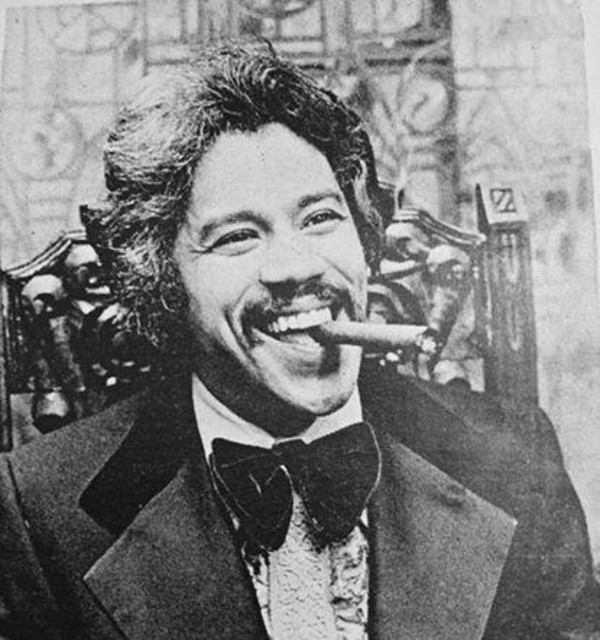
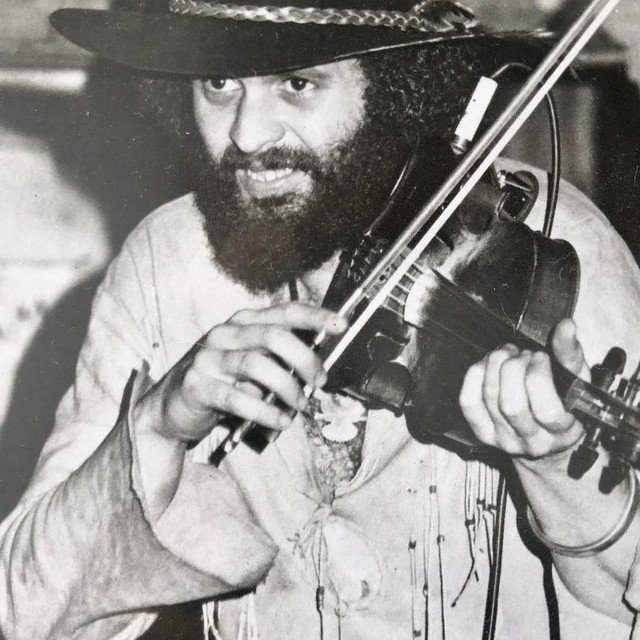
Johnny Pacheco
1968–2017
·
2 albums
Listen
3
/5
Genres
Electro Bailando
Electro bailando is a Spanish‑language, club‑ready dance‑pop microgenre that blends big‑room/electro‑house sonics with Latin pop songwriting and Caribbean rhythms. It favors four‑on‑the‑floor kicks, bright supersaw leads, handclaps, and festival‑style builds and drops, while keeping lyrics simple, catchy, and centered on dancing, romance, and summer nightlife. Typical tracks run in the 120–130 BPM range, use ear‑worm hooks in Spanish, and may weave in short dembow or merengue‑influenced percussion breaks. The overall feel is glossy, uplifting, and designed for mass‑appeal dance floors and radio.
Discover
Listen
Salsa
Salsa is a pan–Latin dance music forged primarily in New York City by Puerto Rican, Cuban, and other Caribbean diasporas. It synthesizes Afro‑Cuban rhythmic blueprints, Puerto Rican bomba and plena, jazz harmony, big‑band horn writing, and Nuyorican street culture into a tightly arranged yet improvisation‑friendly style. The music lives on the clave (either 2‑3 or 3‑2), with layered percussion (congas, bongó, timbales, cowbell, güiro, maracas), a tumbao bass that anticipates the beat, and piano montuno guajeos that interlock with the rhythm section. Call‑and‑response vocals (coro/pregón), punchy horn mambos and moñas, and instrumental solos energize the montuno section. Tempos range from medium to fast in 4/4, optimized for social dancing (commonly “on1” or “on2”). Across decades, salsa has branched into harder, percussion‑forward “salsa dura,” smoother “salsa romántica,” and regional scenes in Puerto Rico, Venezuela, and Colombia, while continuing to influence—and be influenced by—neighboring tropical and jazz idioms.
Discover
Listen
Pachanga
Pachanga is a fast, festive Cuban dance‑music genre created in the late 1950s as a mixture of son montuno and merengue, performed primarily by charanga ensembles (flute, violins, piano, bass, timbales, güiro, and conga). Very similar in feel to the cha-cha-chá but with a notably stronger downbeat and a buoyant 2/4 bounce, pachanga features jocular, mischievous lyrics and animated call‑and‑response coros. Its arrangements spotlight bright violin riffs, agile flute leads, and driving piano/bass tumbaos that propel the signature “pachanga step” on the dance floor. Originating in Cuba and exploding across the Caribbean soon after, pachanga played a pivotal role in the evolution of Caribbean popular music. Introduced to the United States in the post‑World‑War‑II era (and especially after 1959), it sparked a major New York charanga craze that fed directly into Latin boogaloo and, ultimately, the development of salsa.
Discover
Listen
Latin
Latin (as a genre label) is a broad umbrella used by the recording industry to categorize popular music rooted in Latin America, the Caribbean, and the Iberian world, often characterized by syncopated Afro-diasporic rhythms, dance-forward grooves, and lyrics primarily in Spanish or Portuguese. As a marketplace category that took shape in the mid-20th century United States, it gathers diverse traditions—Afro-Cuban, Brazilian, Mexican, and Caribbean styles—into a shared space. In practice, "Latin" spans everything from big-band mambo and bolero ballads to contemporary pop, rock, hip hop, and dance fusions produced by artists of Latin American heritage.
Discover
Listen
Latin Jazz
Latin jazz is a fusion of jazz harmony and improvisation with Afro–Latin American rhythms, song forms, and percussion. It combines the swing, bebop, and big-band traditions with clave-based grooves such as son, rumba, danzón, and mambo, and later integrates Brazilian feels like samba and bossa nova. Typical features include the use of the clave (2–3 or 3–2), piano montunos (guajeos), bass tumbao patterns, timbales cáscara, conga marcha, and call-and-response horn "mambo" figures. While the rhythm section locks into cyclical patterns, soloists improvise using the vocabulary of jazz, creating music that is both danceable and harmonically rich.
Discover
Listen
Charanga
Charanga is a Cuban dance‑music style and ensemble format distinguished by its elegant, salon‑influenced sound led by flute and violins over a light, syncopated Afro‑Cuban rhythm section. Emerging in Havana in the 1910s from the orquesta típica tradition, charanga shifted the danzón repertoire toward a more refined timbre by replacing brass and reeds with strings, wooden (later Boehm) flute, piano, bass, timbales, and güiro. Charanga bands popularized danzón and later became central to the birth and worldwide spread of the chachachá and pachanga. Their arrangements balance European classical phrasing and counterpoint with Cuban rhythmic cells such as the cinquillo and the clave, often expanding into coro–pregón call‑and‑response and montuno sections. The style’s combination of grace, clarity, and danceable groove has influenced multiple Latin genres up to songo, timba, and strands of salsa.
Discover
Listen
Son Cubano
Son cubano is a foundational Cuban genre that fuses Spanish-derived song forms and harmony with Afro-Cuban rhythms and percussion. Born in eastern Cuba (Oriente) and crystallized in Havana in the 1910s–1920s, it became the backbone of much of 20th‑century Latin popular music. Typical ensembles began as sextetos (tres, guitar, bongó, maracas, claves, and bass or marímbula) and later evolved into septetos with trumpet. Conjunto formats in the 1940s added piano, congas, and multiple horns. The music rides a son clave (in 3‑2 or 2‑3 orientation), features interlocking tres guajeos, a walking/tumbao bass that anticipates the downbeat, and call‑and‑response vocals in the montuno section. Harmonically it is rooted in I–IV–V with bluesy dominant sevenths and occasional secondary dominants. Lyrically it balances romance, everyday life, and streetwise wit, always aimed at dancing and social gathering.
Discover
Listen
Danzón
Danzón is a refined Cuban dance-music genre that emerged in the late 19th century and became the island’s national dance. It is characterized by an elegant, measured tempo, a promenading introduction called the paseo, and a succession of graceful, melodically rich themes. Rhythmically, danzón is anchored by Afro-Cuban syncopations such as the tresillo and the cinquillo, articulated by güiro and timbales (paila) over a steady bass. Traditionally performed by charanga ensembles—featuring wooden flute, violins, piano, string bass, güiro, and timbales—the style epitomizes salon sophistication while retaining a distinctly Afro-Caribbean rhythmic identity.
Discover
Listen
Merengue
Merengue is a fast, dance-centered popular music from the Dominican Republic characterized by a driving 2/4 meter, bright major-key harmonies, and a propulsive rhythmic engine created by güira and tambora. In its rural "típico" form, the lead instrument is a diatonic accordion, supported by tambora, güira, and bass. Urban and orchestral evolutions expanded the instrumentation to include saxophones, trumpets, trombones, piano, congas, and electric bass, yielding a powerful big-band sound. Common song forms use verse–chorus structures with catchy coros and a climactic jaleo section where horns or accordion play tightly arranged riffs. The style spans energetic party anthems, romantic ballad-leaning numbers (merengue romántico), and modern fusions that blend with pop and urban music.
Discover
Listen
Show all 9 genres
Albums
2017
1
/5
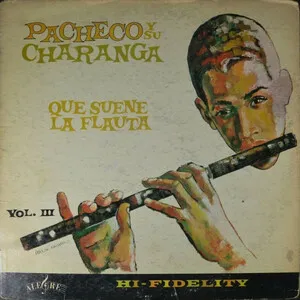
Vol. III: Que suene la flauta
Pacheco y su Charanga
Pachanga
Danzón
Latin
1968
2
/5
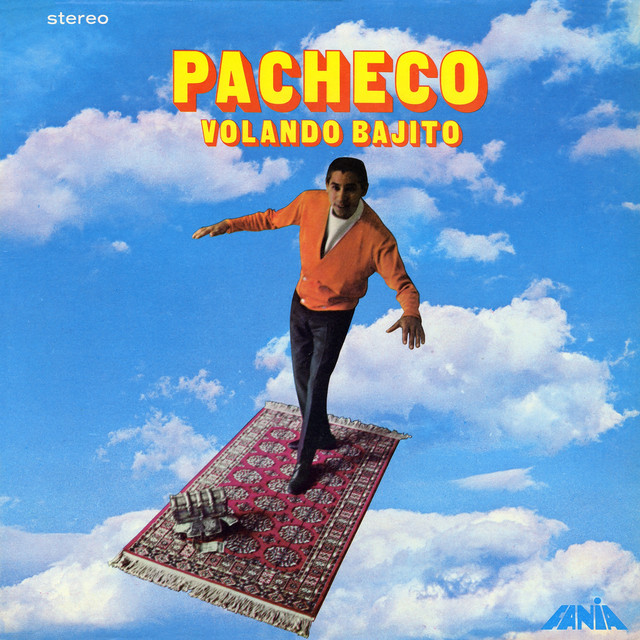
Volando Bajito
Johnny Pacheco
Charanga
Similar artists
3
/5
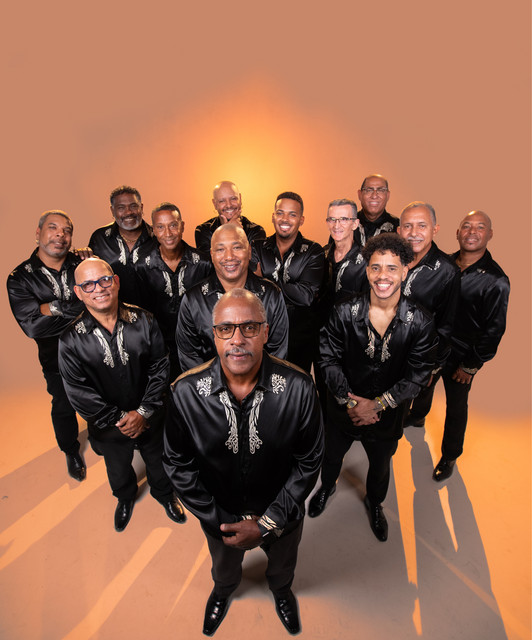
Orquesta Aragón
Chachachá
Charanga
Danzón
1
/5
Various Artists
Afro-Funk
Alternative Rock
Ambient
4
/5
Lalo Rodriguez
Salsa
Salsa Romántica
Latin
3
/5
Eddie Palmieri
Salsa
Salsa Dura
Latin Jazz
3
/5
Tito Rodriguez
Charanga
Chachachá
Bolero
2
/5
Alfredo De La Fé
Charanga
Latin Jazz
Salsa
2
/5
Orquesta Broadway
Charanga
Chachachá
Latin Jazz
4
/5
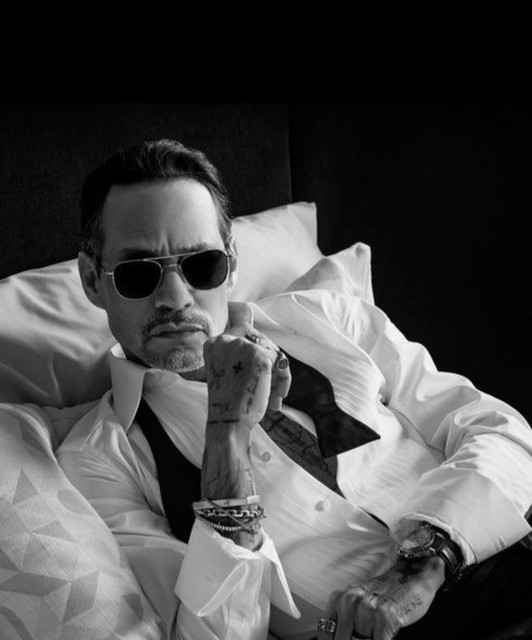
Marc Anthony
Latin
Salsa
Bachata
4
/5
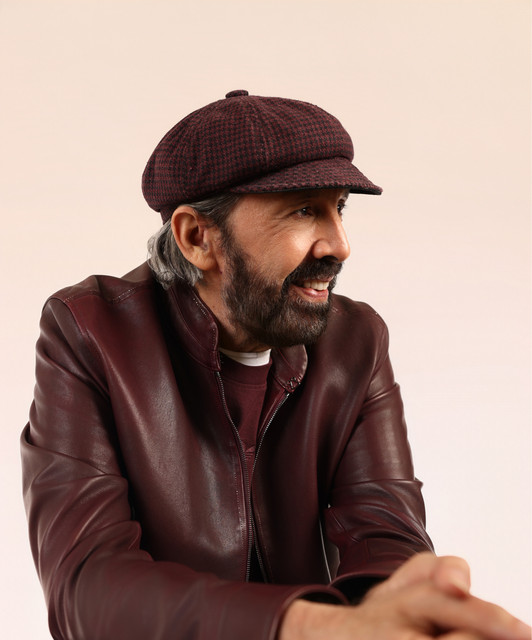
Juan Luis Guerra 4.40
Merengue
Bachata
Latin
4
/5
Willie Colón
Salsa
Salsa Dura
Son Cubano
Download our mobile app
Get the Melodigging app and start digging for new genres on the go
Download on the App Store
Get it on Google Play
© 2026 Melodigging
Give feedback
Legal
Melodding was created as a tribute to
Every Noise at Once
, which inspired us to help curious minds keep digging into music's ever-evolving genres.