Genres
Artists
Albums
Make Music
Sign in
Sign in
Artists
Charanga
Artists
Charanga
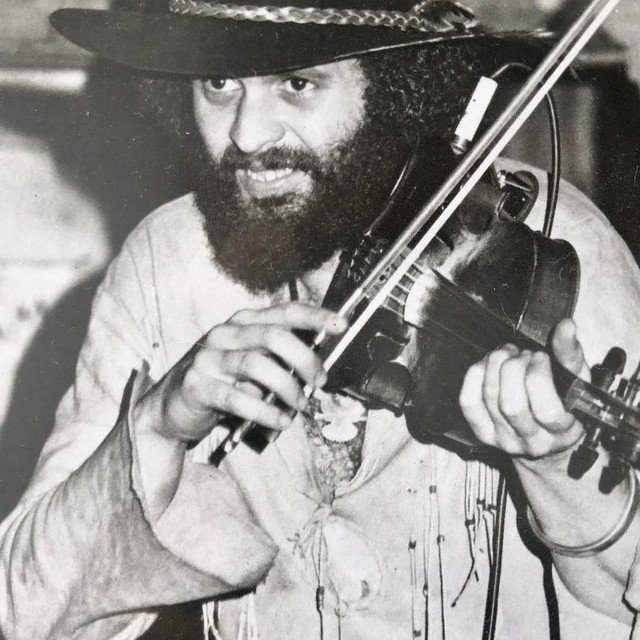
Alfredo De La Fé
1979–1982
·
2 albums
Listen
2
/5
Genres
Salsa
Salsa is a pan–Latin dance music forged primarily in New York City by Puerto Rican, Cuban, and other Caribbean diasporas. It synthesizes Afro‑Cuban rhythmic blueprints, Puerto Rican bomba and plena, jazz harmony, big‑band horn writing, and Nuyorican street culture into a tightly arranged yet improvisation‑friendly style. The music lives on the clave (either 2‑3 or 3‑2), with layered percussion (congas, bongó, timbales, cowbell, güiro, maracas), a tumbao bass that anticipates the beat, and piano montuno guajeos that interlock with the rhythm section. Call‑and‑response vocals (coro/pregón), punchy horn mambos and moñas, and instrumental solos energize the montuno section. Tempos range from medium to fast in 4/4, optimized for social dancing (commonly “on1” or “on2”). Across decades, salsa has branched into harder, percussion‑forward “salsa dura,” smoother “salsa romántica,” and regional scenes in Puerto Rico, Venezuela, and Colombia, while continuing to influence—and be influenced by—neighboring tropical and jazz idioms.
Discover
Listen
Latin Disco
Latin disco is a dance-oriented fusion that layers the four-on-the-floor pulse, strings, and extended arrangements of 1970s disco with Afro-Caribbean and Latin American rhythmic vocabularies. It emphasizes congas, timbales, cowbell, and hand percussion playing tumbao and clave-derived patterns, alongside horn mambos, call-and-response coros, and montuno vamps. Born largely in New York and Miami’s Nuyorican, Cuban, and broader Latin diasporas, the sound bridged salsa/boogaloo and soul/funk to the discotheque, often presented in DJ-friendly 12-inch mixes with long instrumental breaks. Songs frequently blend English and Spanish (or Spanglish), pairing romantic or celebratory themes with joyous, highly danceable grooves.
Discover
Listen
Latin Jazz
Latin jazz is a fusion of jazz harmony and improvisation with Afro–Latin American rhythms, song forms, and percussion. It combines the swing, bebop, and big-band traditions with clave-based grooves such as son, rumba, danzón, and mambo, and later integrates Brazilian feels like samba and bossa nova. Typical features include the use of the clave (2–3 or 3–2), piano montunos (guajeos), bass tumbao patterns, timbales cáscara, conga marcha, and call-and-response horn "mambo" figures. While the rhythm section locks into cyclical patterns, soloists improvise using the vocabulary of jazz, creating music that is both danceable and harmonically rich.
Discover
Listen
Tropical Music
Tropical music (música tropical) is an umbrella for dance-oriented Afro-Caribbean and coastal Latin American styles that were popularized across the Spanish-speaking world in the mid‑20th century. It blends African-derived polyrhythms and percussion with horn-led orchestras, call-and-response vocals, and catchy, romantic choruses. Typical repertoires mix cumbia, porro, merecumbé, son, mambo, merengue, pachanga, bolero, and related rhythms, presented by big bands or compact combos aimed squarely at social dancing. Beyond a single beat or tempo, the hallmark is a bright, syncopated groove (often organized around the clave), tumbao bass lines, montuno piano patterns, and sectional brass “mambos.” Over time, tropical music absorbed electric instruments and studio production while keeping its festive, coastal character.
Discover
Listen
Latin
Latin (as a genre label) is a broad umbrella used by the recording industry to categorize popular music rooted in Latin America, the Caribbean, and the Iberian world, often characterized by syncopated Afro-diasporic rhythms, dance-forward grooves, and lyrics primarily in Spanish or Portuguese. As a marketplace category that took shape in the mid-20th century United States, it gathers diverse traditions—Afro-Cuban, Brazilian, Mexican, and Caribbean styles—into a shared space. In practice, "Latin" spans everything from big-band mambo and bolero ballads to contemporary pop, rock, hip hop, and dance fusions produced by artists of Latin American heritage.
Discover
Listen
Charanga
Charanga is a Cuban dance‑music style and ensemble format distinguished by its elegant, salon‑influenced sound led by flute and violins over a light, syncopated Afro‑Cuban rhythm section. Emerging in Havana in the 1910s from the orquesta típica tradition, charanga shifted the danzón repertoire toward a more refined timbre by replacing brass and reeds with strings, wooden (later Boehm) flute, piano, bass, timbales, and güiro. Charanga bands popularized danzón and later became central to the birth and worldwide spread of the chachachá and pachanga. Their arrangements balance European classical phrasing and counterpoint with Cuban rhythmic cells such as the cinquillo and the clave, often expanding into coro–pregón call‑and‑response and montuno sections. The style’s combination of grace, clarity, and danceable groove has influenced multiple Latin genres up to songo, timba, and strands of salsa.
Discover
Listen
Son Cubano
Son cubano is a foundational Cuban genre that fuses Spanish-derived song forms and harmony with Afro-Cuban rhythms and percussion. Born in eastern Cuba (Oriente) and crystallized in Havana in the 1910s–1920s, it became the backbone of much of 20th‑century Latin popular music. Typical ensembles began as sextetos (tres, guitar, bongó, maracas, claves, and bass or marímbula) and later evolved into septetos with trumpet. Conjunto formats in the 1940s added piano, congas, and multiple horns. The music rides a son clave (in 3‑2 or 2‑3 orientation), features interlocking tres guajeos, a walking/tumbao bass that anticipates the downbeat, and call‑and‑response vocals in the montuno section. Harmonically it is rooted in I–IV–V with bluesy dominant sevenths and occasional secondary dominants. Lyrically it balances romance, everyday life, and streetwise wit, always aimed at dancing and social gathering.
Discover
Listen
Vallenato
Vallenato is a traditional folk-pop genre from Colombia’s Caribbean region that centers on storytelling and danceable rhythms. Its signature sound comes from a trio: the diatonic button accordion (melody and riffs), the caja vallenata (a small, single-headed drum providing punchy accents), and the guacharaca (a ribbed scraper driving the groove). Classic vallenato is organized into four main aires (rhythmic-feel types): paseo (lyrical and versatile), merengue (not to be confused with the Dominican genre; it is brisk and bouncy), puya (the fastest and most virtuosic), and son (the slowest, deeply expressive and sentimental). Themes often revolve around love, everyday life, travel, and regional identity, delivered through vivid narrative verses and memorable choruses. Over time, vallenato has absorbed elements of cumbia, porro, son cubano, and bolero, and it has also blended with pop and rock to create modern variants. In 2015, UNESCO recognized the “Traditional Vallenato music of the Greater Magdalena region” as Intangible Cultural Heritage in need of safeguarding, underscoring both its cultural importance and the need to preserve its roots.
Discover
Listen
Show all 8 genres
Albums
1982
2
/5
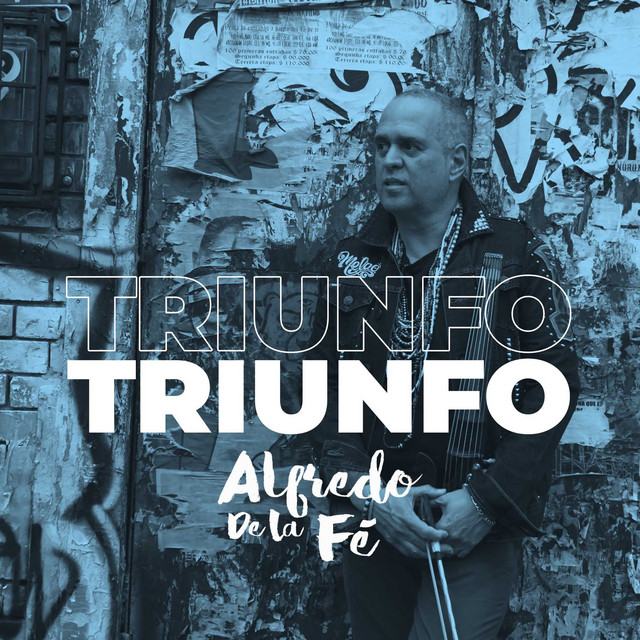
Triunfo
Alfredo De La Fé
Charanga
1979
1
/5
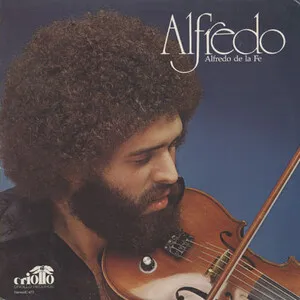
Alfredo
Alfredo de la Fé
Latin Disco
Similar artists
3
/5
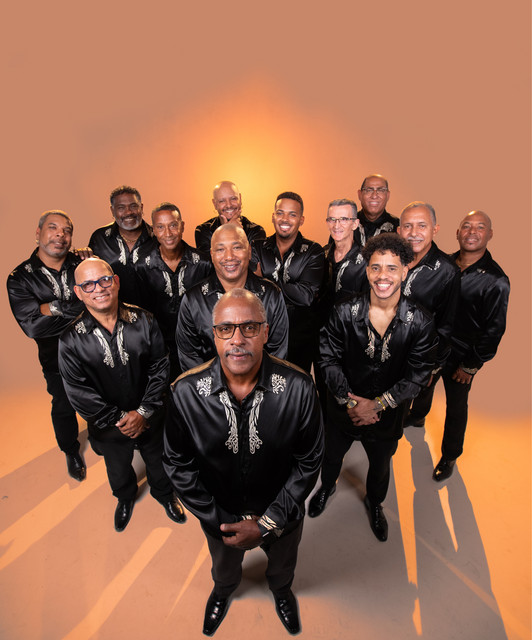
Orquesta Aragón
Chachachá
Charanga
Danzón
3
/5
Johnny Pacheco
Charanga
Latin Jazz
Merengue
3
/5
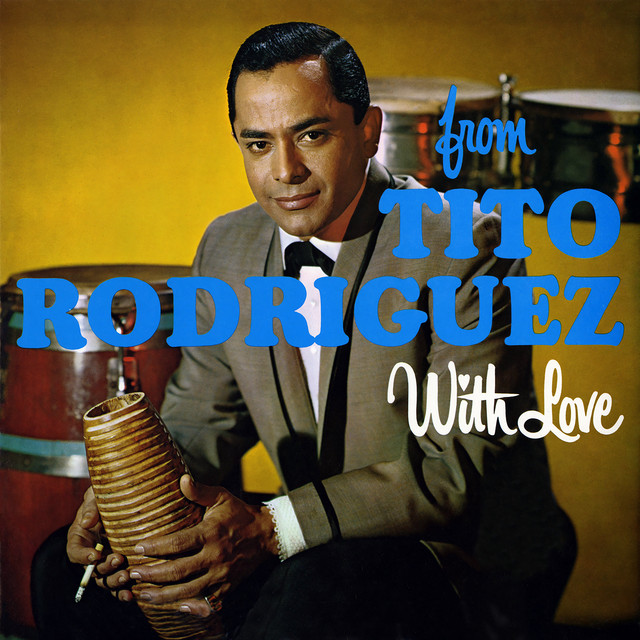
Tito Rodriguez
Charanga
Chachachá
Bolero
2
/5
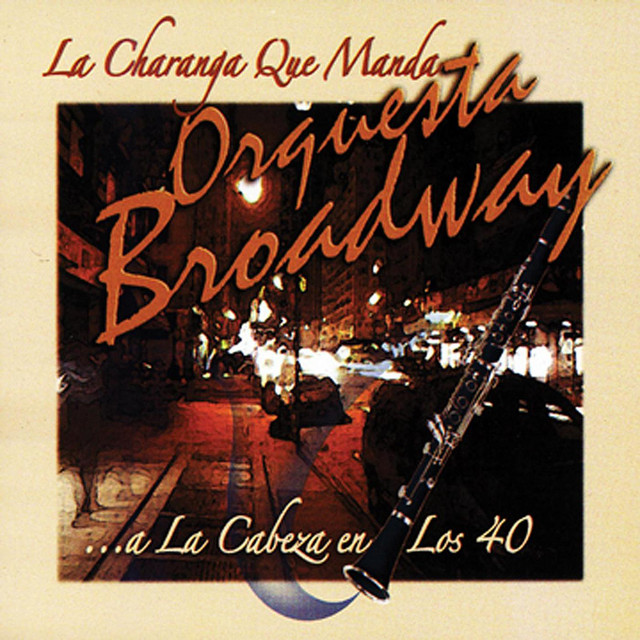
Orquesta Broadway
Charanga
Chachachá
Latin Jazz
3
/5
Johnny Pacheco Y Su Charanga
Charanga
Latin Jazz
Salsa
1
/5
Various Artists
Afro-Funk
Alternative Rock
Ambient
3
/5
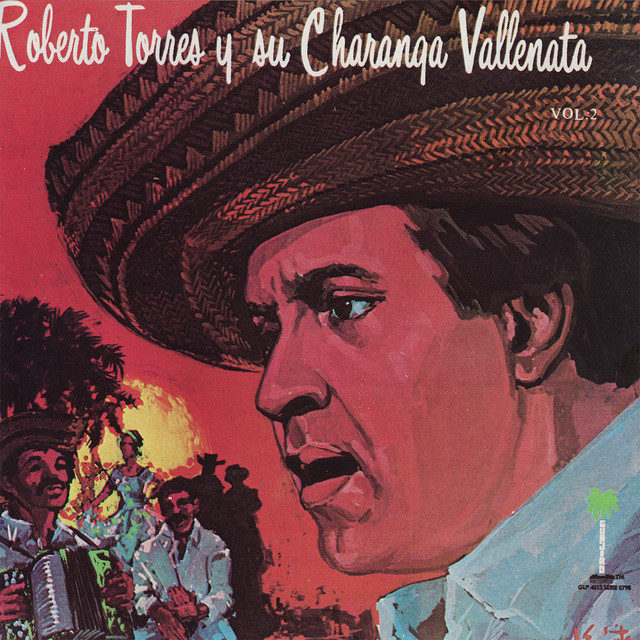
Roberto Torres
Charanga
Son Cubano
Cumbia
3
/5
Elito Revé y su Charangón
Charanga
Salsa
Son Cubano
1
/5
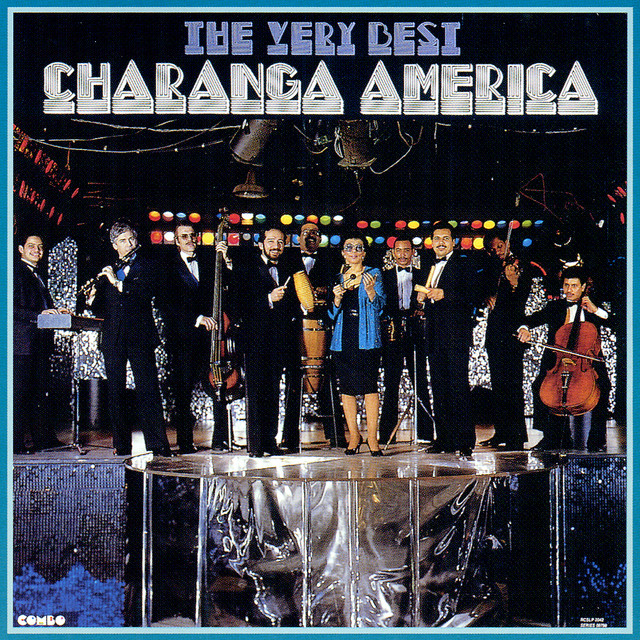
Charanga America
Charanga
Salsa
Son Cubano
4
/5
Rubén Blades
Salsa
Latin Jazz
Son Cubano
Download our mobile app
Get the Melodigging app and start digging for new genres on the go
Download on the App Store
Get it on Google Play
© 2026 Melodigging
Give feedback
Legal
Melodding was created as a tribute to
Every Noise at Once
, which inspired us to help curious minds keep digging into music's ever-evolving genres.