Genres
Artists
Albums
Make Music
Sign in
Sign in
Artists
Son Cubano
Artists
Son Cubano
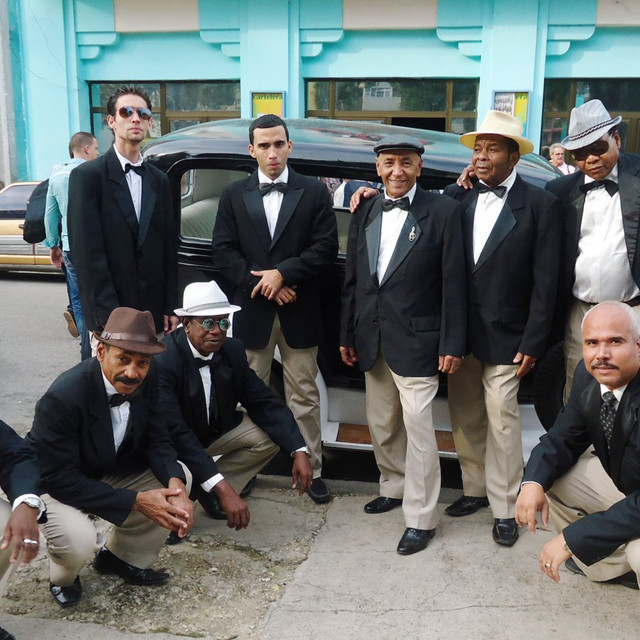
Orquesta Melodias del 40
2014
·
1 album
Listen
1
/5
Genres
Son Cubano Clasico
Son cubano clásico is the foundational Cuban dance-music style that crystallized in the early 20th century from eastern Cuba (Oriente) and then flourished in Havana. It blends Spanish-derived string and song forms with Afro-Cuban rhythms, organizing the music around the clave pattern, the tres guitar’s guajeos (ostinatos), and a two-part form (verso and montuno) that moves from narrative song to call-and-response coro-pregón over a propulsive groove. The classic sexteto/septeto format—tres, guitar, bongó, maracas, claves, bass (botija, marímbula, or string bass), and later trumpet—defines the signature timbre and repertoire that seeded mambo, cha-cha-chá, salsa, and much of modern Latin music.
Discover
Listen
Son Cubano
Son cubano is a foundational Cuban genre that fuses Spanish-derived song forms and harmony with Afro-Cuban rhythms and percussion. Born in eastern Cuba (Oriente) and crystallized in Havana in the 1910s–1920s, it became the backbone of much of 20th‑century Latin popular music. Typical ensembles began as sextetos (tres, guitar, bongó, maracas, claves, and bass or marímbula) and later evolved into septetos with trumpet. Conjunto formats in the 1940s added piano, congas, and multiple horns. The music rides a son clave (in 3‑2 or 2‑3 orientation), features interlocking tres guajeos, a walking/tumbao bass that anticipates the downbeat, and call‑and‑response vocals in the montuno section. Harmonically it is rooted in I–IV–V with bluesy dominant sevenths and occasional secondary dominants. Lyrically it balances romance, everyday life, and streetwise wit, always aimed at dancing and social gathering.
Discover
Listen
Musica Tradicional Cubana
Música tradicional cubana is the umbrella term for the island’s foundational popular and folk styles—son, trova/bolero, danzón, rumba, guajira, punto, and related forms—that crystallized from the late 19th century into the early 20th century. It fuses Spanish poetic song traditions and salon dances with West and Central African rhythmic systems and performance practices. Hallmark features include the clave (in 3–2 or 2–3 orientation), call-and-response coros, the syncopated habanera and cinquillo cells, and cyclical montuno vamps that open space for improvisation. Typical timbres come from the tres, Spanish guitar, laúd, bongó, maracas, claves, güiro, double bass or marímbula, and later trumpet or full charanga (flute and violins). Harmony often centers on diatonic I–IV–V motion with colorful secondary dominants and guajeo-based ostinati. Beyond dance and social function, the tradition carries Cuba’s oral poetry (like décima), neighborhood identity, and Afro-Cuban spirituality, forming the bedrock that later enabled mambo, cha-cha-chá, salsa, and Latin jazz.
Discover
Listen
Albums
2014
Perlas Cubanas: Melodías del 40
Orquesta Melodias del 40
Son Cubano Clasico
Musica Tradicional Cubana
Similar artists
2
/5
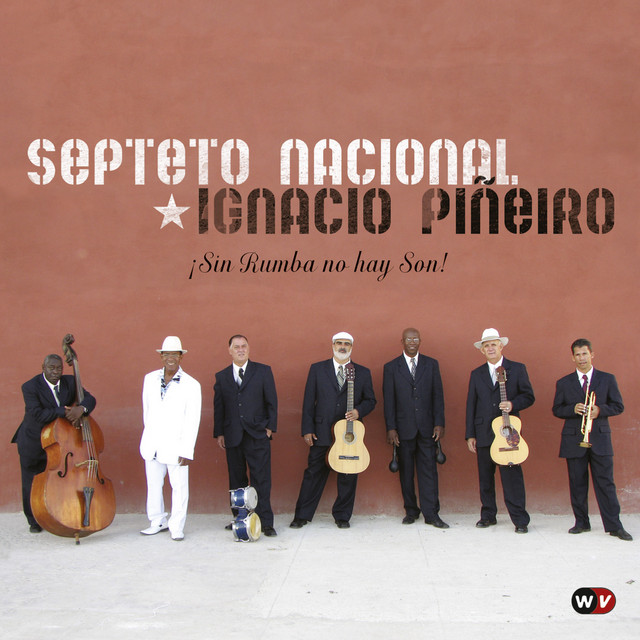
Septeto Nacional
Son Cubano
Afro-Cuban Jazz
Latin Jazz
1
/5
Septeto Habanero
Afro-Cuban Jazz
Latin Folk
Son Cubano
1
/5
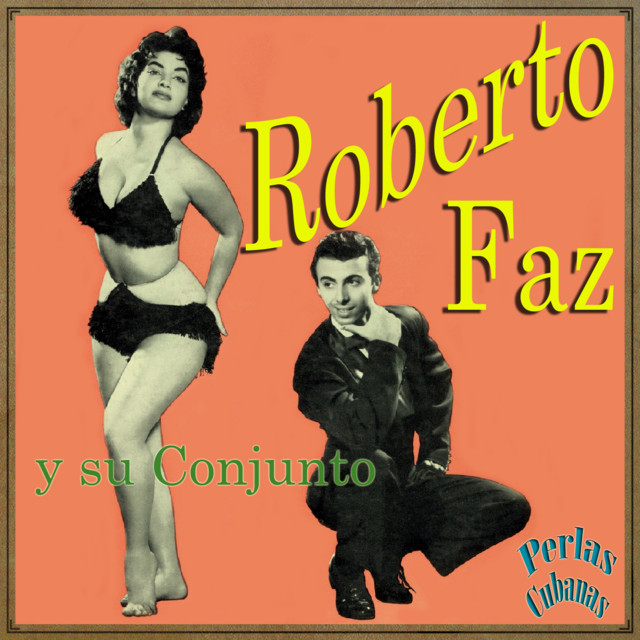
Roberto Faz
Bolero
Guaracha
Latin Jazz
1
/5
Compay Segundo y su grupo
Afro-Cuban Jazz
Latin Jazz
Son Cubano
4
/5
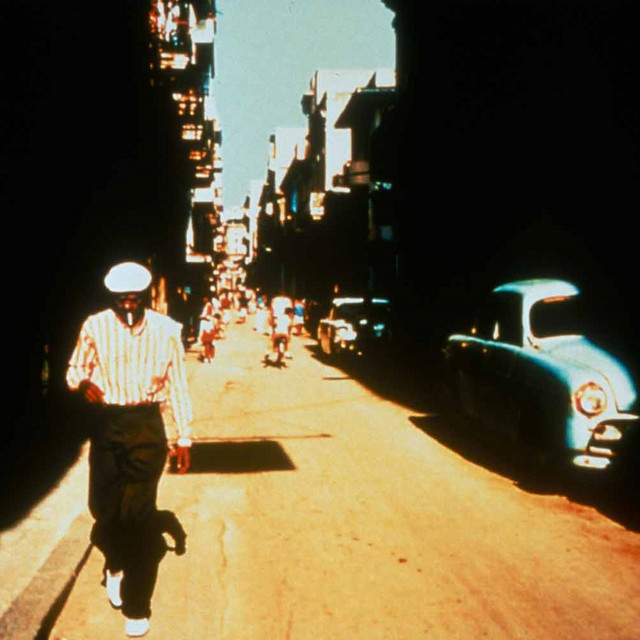
Buena Vista Social Club
Latin Jazz
Bolero
Latin
3
/5
Omara Portuondo
Bolero
Afro-Cuban Jazz
Son Cubano
3
/5
Ibrahim Ferrer
Afro-Cuban Jazz
Bolero
Latin Jazz
3
/5
Daniel Santos
Bolero
Guaracha
Son Cubano
3
/5
Ruben Gonzalez
Latin Jazz
Son Cubano
Afro-Cuban Jazz
3
/5
Bienvenido Granda
Son Cubano
Bolero
Bolero Cubano
Download our mobile app
Get the Melodigging app and start digging for new genres on the go
Download on the App Store
Get it on Google Play
© 2026 Melodigging
Give feedback
Legal
Melodding was created as a tribute to
Every Noise at Once
, which inspired us to help curious minds keep digging into music's ever-evolving genres.