Genres
Artists
Albums
Make Music
Sign in
Sign in
Artists
Afro-Cuban Jazz
Artists
Afro-Cuban Jazz
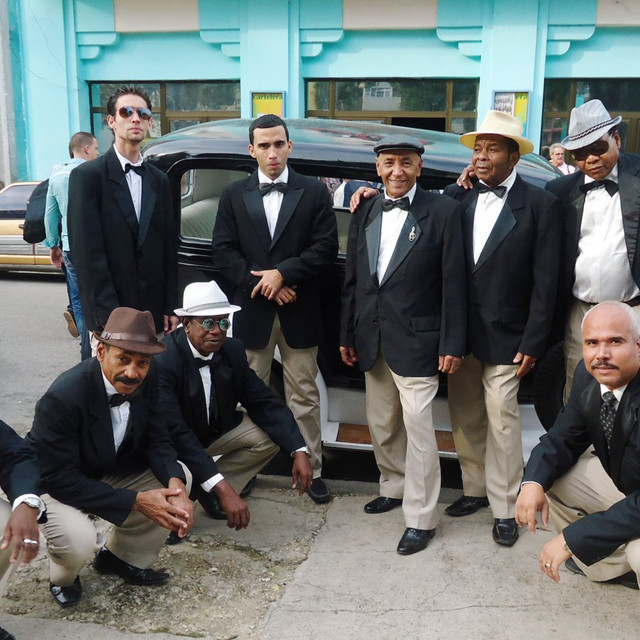
Septeto Habanero
1998
·
1 album
Listen
1
/5
Genres
Latin Folk
Latin folk is a broad umbrella for singer‑songwriter and ensemble music that draws on traditional folk forms from across Latin America while presenting them in contemporary, often acoustically driven arrangements. It emphasizes storytelling, social and poetic lyricism, and the timbres of regional instruments such as the guitar, charango, quena, zampoña, cuatro, and bombo legüero. Rhythmic cells are borrowed from pan‑regional traditions (chacarera, cueca, zamba, huayno, joropo, son, and others), yet songs are commonly shaped in accessible verse‑chorus structures. While its roots are centuries old, the modern genre coalesced during the mid‑20th‑century folk revival and the Nueva Canción movements, which linked ancestral sounds with contemporary concerns such as identity, justice, and cultural memory.
Discover
Listen
Traditional Music
Traditional music is an umbrella term used in the mid–20th century by folklorists and ethnomusicologists to denote community-rooted, orally transmitted repertoires tied to social ritual, work, celebration, and storytelling. Unlike commercial pop or art-music traditions, traditional music is typically learned by ear, varies regionally, and evolves slowly through communal participation. It often features modal melodies, cyclic rhythms, heterophony or unison singing, and indigenous instruments whose timbres are integral to local identity. Lyrics tend to preserve language, history, and collective memory. While the musical practices themselves can be ancient, the phrase “traditional music” emerged to replace earlier, narrower or colonial framings like “folk” or “ethnic” music, foregrounding continuity, locality, and living practice rather than exoticism.
Discover
Listen
Afro-Cuban Jazz
Afro-Cuban jazz (often historically called Cubop) is a fusion of Afro-Cuban rhythmic traditions and North American jazz harmony, melody, and improvisation. It sets jazz writing and soloing inside the matrix of the clave, combining straight-eighth Afro-Cuban grooves (mambo, rumba, son montuno, danzón) with big-band and bebop vocabulary. Hallmarks include piano montunos (guajeos), tumbao bass lines, horn mambos and moñas (syncopated riffs), and a percussion section of congas, bongos, timbales, cowbell, and claves. The result is music that is harmonically sophisticated yet dance-driven, balancing arranged horn passages with open sections for improvisation, and emphasizing call-and-response and layered polyrhythms.
Discover
Listen
Son Cubano Clasico
Son cubano clásico is the foundational Cuban dance-music style that crystallized in the early 20th century from eastern Cuba (Oriente) and then flourished in Havana. It blends Spanish-derived string and song forms with Afro-Cuban rhythms, organizing the music around the clave pattern, the tres guitar’s guajeos (ostinatos), and a two-part form (verso and montuno) that moves from narrative song to call-and-response coro-pregón over a propulsive groove. The classic sexteto/septeto format—tres, guitar, bongó, maracas, claves, bass (botija, marímbula, or string bass), and later trumpet—defines the signature timbre and repertoire that seeded mambo, cha-cha-chá, salsa, and much of modern Latin music.
Discover
Listen
Son Cubano
Son cubano is a foundational Cuban genre that fuses Spanish-derived song forms and harmony with Afro-Cuban rhythms and percussion. Born in eastern Cuba (Oriente) and crystallized in Havana in the 1910s–1920s, it became the backbone of much of 20th‑century Latin popular music. Typical ensembles began as sextetos (tres, guitar, bongó, maracas, claves, and bass or marímbula) and later evolved into septetos with trumpet. Conjunto formats in the 1940s added piano, congas, and multiple horns. The music rides a son clave (in 3‑2 or 2‑3 orientation), features interlocking tres guajeos, a walking/tumbao bass that anticipates the downbeat, and call‑and‑response vocals in the montuno section. Harmonically it is rooted in I–IV–V with bluesy dominant sevenths and occasional secondary dominants. Lyrically it balances romance, everyday life, and streetwise wit, always aimed at dancing and social gathering.
Discover
Listen
Musica Tradicional Cubana
Música tradicional cubana is the umbrella term for the island’s foundational popular and folk styles—son, trova/bolero, danzón, rumba, guajira, punto, and related forms—that crystallized from the late 19th century into the early 20th century. It fuses Spanish poetic song traditions and salon dances with West and Central African rhythmic systems and performance practices. Hallmark features include the clave (in 3–2 or 2–3 orientation), call-and-response coros, the syncopated habanera and cinquillo cells, and cyclical montuno vamps that open space for improvisation. Typical timbres come from the tres, Spanish guitar, laúd, bongó, maracas, claves, güiro, double bass or marímbula, and later trumpet or full charanga (flute and violins). Harmony often centers on diatonic I–IV–V motion with colorful secondary dominants and guajeo-based ostinati. Beyond dance and social function, the tradition carries Cuba’s oral poetry (like décima), neighborhood identity, and Afro-Cuban spirituality, forming the bedrock that later enabled mambo, cha-cha-chá, salsa, and Latin jazz.
Discover
Listen
Albums
1998
Orgullo De Los Soneros
Septeto Habanero
Son Cubano Clasico
Musica Tradicional Cubana
Similar artists
2
/5
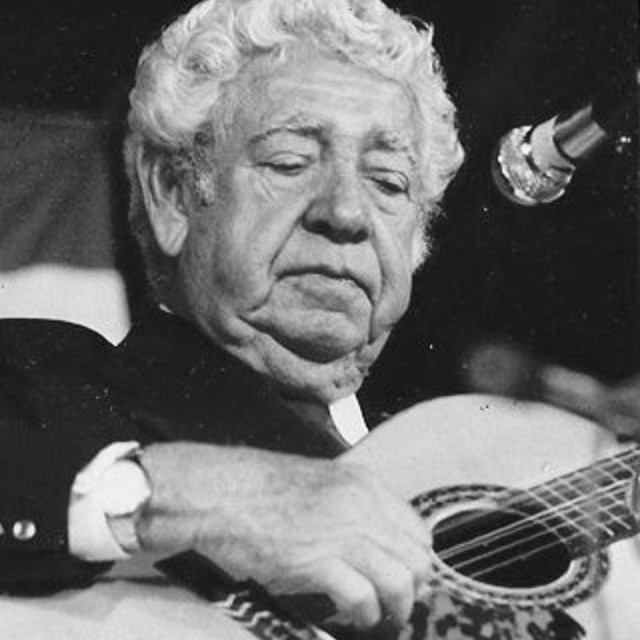
Carlos Puebla Y Sus Tradicionales
Trova
Nueva Trova
Afro-Cuban Jazz
1
/5
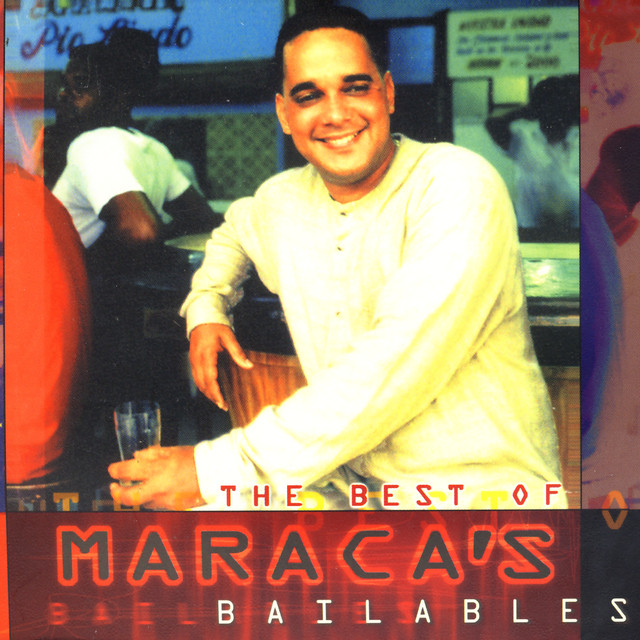
Orlando "Maraca" Valle
Afro-Cuban Jazz
Latin Folk
Latin Jazz
4
/5
Buena Vista Social Club
Latin Jazz
Bolero
Latin
3
/5
Omara Portuondo
Bolero
Afro-Cuban Jazz
Son Cubano
3
/5
Ibrahim Ferrer
Afro-Cuban Jazz
Bolero
Latin Jazz
3
/5
Ruben Gonzalez
Latin Jazz
Son Cubano
Afro-Cuban Jazz
3
/5
Sierra Maestra
Son Cubano
Afro-Cuban Jazz
Latin Jazz
3
/5
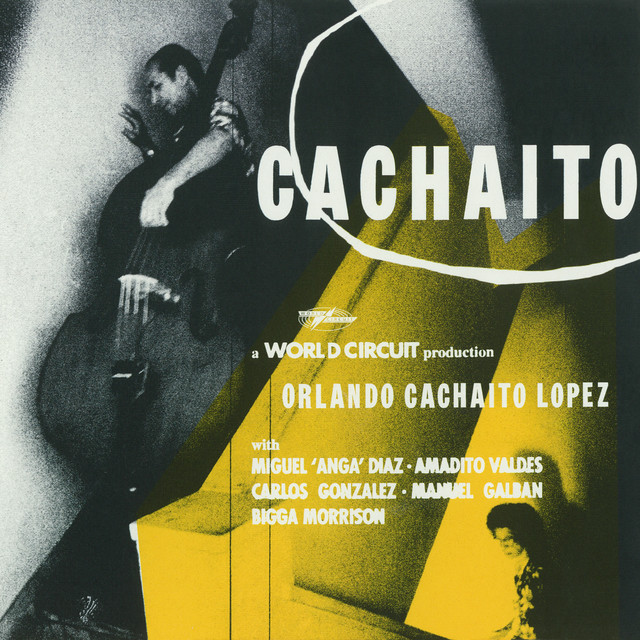
Orlando "Cachaíto" López
Afro-Cuban Jazz
Chachachá
Latin Jazz
3
/5
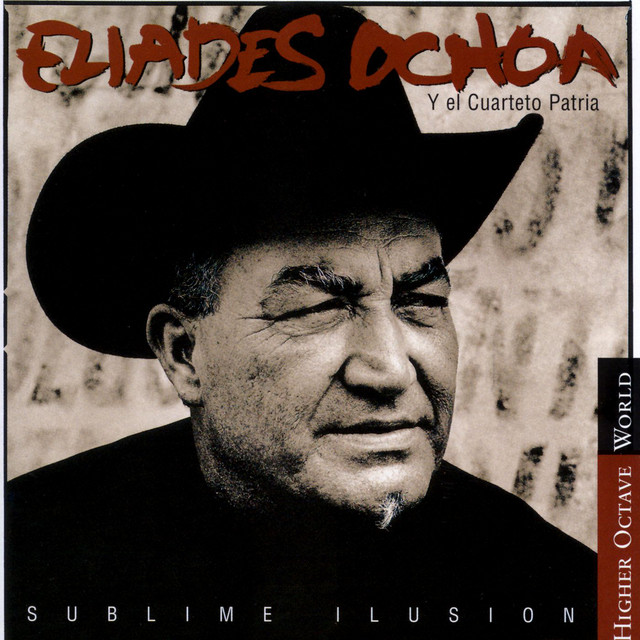
Cuarteto Patria
Bolero
Son Cubano
Afro-Cuban Jazz
2
/5
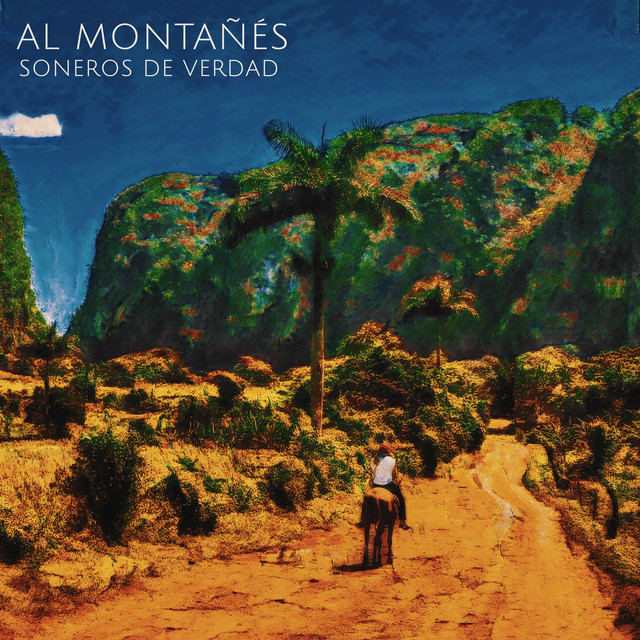
Soneros De Verdad
Son Cubano
Afro-Cuban Jazz
Latin Jazz
Download our mobile app
Get the Melodigging app and start digging for new genres on the go
Download on the App Store
Get it on Google Play
© 2026 Melodigging
Give feedback
Legal
Melodding was created as a tribute to
Every Noise at Once
, which inspired us to help curious minds keep digging into music's ever-evolving genres.