Genres
Artists
Albums
Make Music
Sign in
Sign in
Artists
Zouk
Artists
Zouk
Oliver N'Goma
1990–1995
·
2 albums
Listen
3
/5
Genres
Urban Kiz
Urban Kiz is a contemporary, club-oriented offshoot of kizomba that took shape in Europe—especially in Paris—in the early-to-mid 2010s. It adapts the sensual, close-connection feel of kizomba to straighter, trap- and R&B-influenced beats with pronounced bass lines, crisp hi‑hats, and engineered breaks that suit the stop‑and‑go aesthetics of Urban Kiz social dancing. Musically, it favors 4/4 grooves around 88–102 BPM, less of the lilting/zouk swing found in classic kizomba, and more linear phrasing with dramatic drops, filters, and space for micro-pauses. Vocals (often in Portuguese, French, Cape Verdean Creole, or English) may be original toplines, sampled phrases, or R&B‑style hooks layered over sleek electronic production. Producers frequently label releases or remixes specifically for "Urban Kiz" floors, reinforcing the genre’s identity within the partner‑dance scene.
Discover
Listen
Ndombolo
Ndombolo (also spelled dombolo) is a high‑energy Congolese dance music born from the 1990s soukous scene. It accelerates the classic Congolese rumba/soukous template, pushing the tempo, sharpening the rhythmic drive, and foregrounding hip‑swaying, pelvis‑led dance moves. Musically, ndombolo is marked by propulsive drum‑kit and conga patterns, bright interlocking electric guitars that launch into long, fast seben breaks, elastic bass lines, and catchy call‑and‑response vocals—often in Lingala with French catchphrases. Atalaku (hype‑men) add spirited shouts and dance commands that stoke the crowd. The overall sound is upbeat, percussion‑driven, and tailor‑made for the dancefloor. By the mid‑1990s and 2000s the style dominated clubs across Central, Eastern, and parts of Western Africa, becoming a pan‑African dance craze and a reference point for subsequent urban dance‑pop styles.
Discover
Listen
Zouk
Zouk is a high-energy dance music that originated in the French Caribbean (Guadeloupe and Martinique) in the early 1980s, crystallized by the band Kassav’. It blends Haitian compas (kadans) with local folk rhythms and the glossy production aesthetics of disco, funk, and early electronic pop. Early “zouk béton” emphasized driving, tightly arranged rhythms, bright synth-brass stabs, and call-and-response vocals. A slower, smoother branch known as “zouk love” followed, foregrounding romantic lyrics, silky harmonies, and sensual grooves. Sung primarily in Antillean Creole and French, zouk is both a party soundtrack and a cultural statement of Caribbean identity.
Discover
Listen
Kizomba
Kizomba is a smooth, romantic dance-music style that originated in Angola, blending the melodic sensibilities of local semba with the lush, slow-tempo grooves of Caribbean zouk. Typically set in 4/4 time around 86–100 BPM, it emphasizes a deep, round sub‑bass, sparse drum programming, and gently syncopated percussion that encourages close, flowing partner movement. Arrangements favor silky synth pads, clean electric guitar arpeggios or comping, and R&B-influenced vocals in Portuguese and other Angolan or Cape Verdean languages. Lyrical themes gravitate to love, intimacy, nostalgia, and urban life. Over time, kizomba diversified into substyles (such as the even sparser, bass-forward tarraxinha) and spread through the Lusophone diaspora, especially in Portugal, before becoming a global social-dance phenomenon.
Discover
Listen
Zouk Love
Zouk love is the slow, romantic branch of zouk that emerged from the French Caribbean scene (Guadeloupe and Martinique) in the 1980s. It emphasizes tender, emotive vocals over smooth, syncopated grooves and lush keyboards, creating an intimate, danceable feel. Compared with up-tempo carnival zouk, zouk love runs at a slower tempo and focuses on sensual mood, melody, and storytelling. Lyrics are often in Antillean Creole or French, and arrangements blend drum machine patterns with live percussion, rounded bass lines, silky guitar comping, and warm pads or strings.
Discover
Listen
Soukous
Soukous is a high-energy dance music that evolved in the Congolese region (Kinshasa–Brazzaville) from Congolese rumba and Afro‑Cuban styles. It is defined by interlocking electric guitars, buoyant bass lines, bright horn stabs, and long, fast "sebene" instrumental sections designed for dancing. Vocals are often in Lingala with French interjections, and themes frequently revolve around romance, urban life, and social commentary. The music emphasizes forward motion and joyful release, pairing Afro‑Cuban rhythmic logic (clave-informed phrasing) with signature Congolese guitar picking that creates a shimmering, cascading texture.
Discover
Listen
Bikutsi
Bikutsi is a high-energy dance music from central Cameroon, rooted in the social and ceremonial music of the Beti (including the Ewondo and Eton peoples). Its name is often glossed as “beating the earth,” evoking the powerful, stomping dance steps and the trance-like, percussive drive that define the style. Traditionally performed with balafon (xylophone), rattles, handclaps, and drums, bikutsi features fast 6/8 cross-rhythms, call-and-response vocals, and lyrics that mix social commentary, satire, and frank discussions of love and everyday life. The modern, urban form electrifies those same patterns with driving bass lines, drum kits, and rapid, treble‑rich guitar ostinatos that mimic balafon figures, producing a relentless, celebratory groove suited to clubs and street parties.
Discover
Listen
Compas
Compas (also spelled konpa or compas direct) is Haiti’s modern, méringue-based dance music. It features a steady, driving groove, lyrical melodies, and tight horn or synth hooks designed for continuous social dancing. The style blends Haitian méringue rhythms with jazz and Afro‑Cuban/Latin elements, typically in a mid‑tempo 4/4. A locked‑in drum/cowbell pattern, syncopated bass ostinatos, percussive rhythm guitar, keyboards playing montuno-like figures, and call‑and‑response vocals in Haitian Creole or French are core traits. Since the late 1970s, electronic keyboards and drum machines have been common, but the feel remains warm, romantic, and unshakably danceable.
Discover
Listen
Congolese Rumba
Congolese rumba (often called African rumba) is a danceable, guitar-driven popular music that emerged in Kinshasa and Brazzaville after World War II. It blends Afro‑Cuban son and bolero harmonies with Central African rhythmic sensibilities and call‑and‑response vocals. Typical recordings feature interlocking electric guitars (rhythm, mi‑solo and lead) playing lilting, cyclical figures over a steady, clave‑informed groove, buoyed by congas, maracas, cowbell, bass tumbao, and occasional horns. Songs frequently move from a lyrical, crooning verse into an extended instrumental vamp called the “sebene,” where the band raises the energy for dancers. Lyrically, Congolese rumba often uses Lingala (and sometimes French), celebrating romance, urban life, and social themes with suave vocal harmonies and a refined sense of melody.
Discover
Listen
French Caribbean Music
French Caribbean music is an umbrella term for popular and folkloric styles from the French Antilles (Guadeloupe, Martinique, Dominica, Saint Lucia) and from Haiti. It encompasses island dance musics (biguine, gwo ka, bélé), the Haitian méringue-derived compas (konpa), 1970s cadence-lypso, and the 1980s studio-driven zouk, along with many regional variants. Shared features include Creole (Kréyol/Créole) and French lyrics, call-and-response refrains, syncopated hand-drumming patterns (ka, ti-bwa), horn riffs, tumbling bass ostinatos, and a strong emphasis on social dance. While instrumentation evolved from acoustic ensembles to drum machines and synthesizers, the heartbeat remains the Caribbean dance floor.
Discover
Listen
Show all 10 genres
Albums
1995
1
/5
Adia
Oliver N'Goma
Zouk
1990
1
/5
Bane
Oliver N'Goma
Zouk Love
Zouk
French Caribbean Music
Similar artists
2
/5
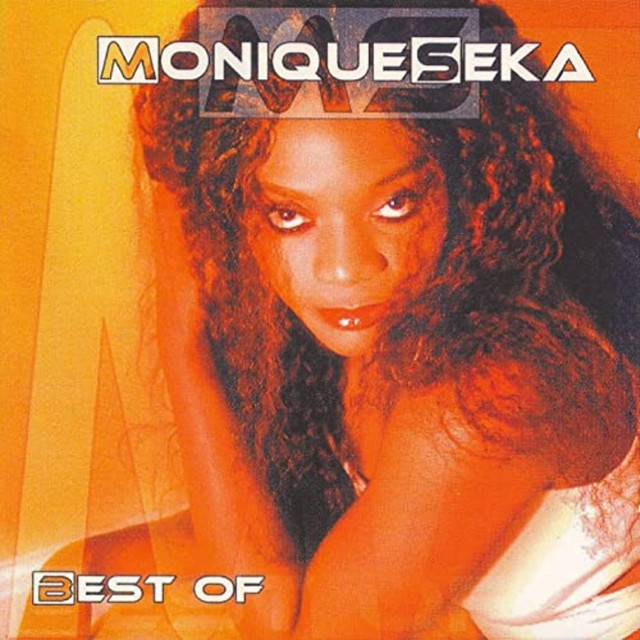
Monique Séka
Zouk
Akan Music
Bikutsi
3
/5
Ya Levis
Kizomba
Zouk
Afro Drill
2
/5
Mathey
Coupé-Décalé
Zouk
Compas
3
/5
Josey
Bikutsi
Ndombolo
Rap Ivoire
2
/5
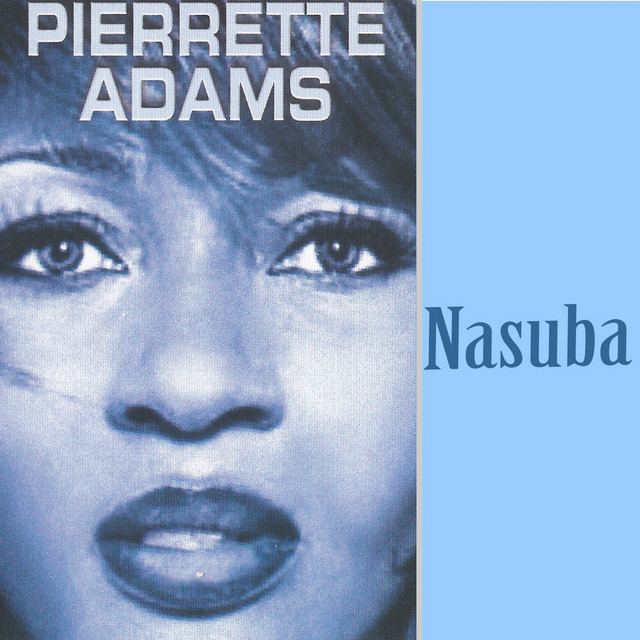
Pierrette Adams
Azonto
Bikutsi
Compas
2
/5
Monique Seka
Bikutsi
Compas
Congolese Rumba
4
/5
Joé Dwèt Filé
Kizomba
Zouk
Shatta
3
/5
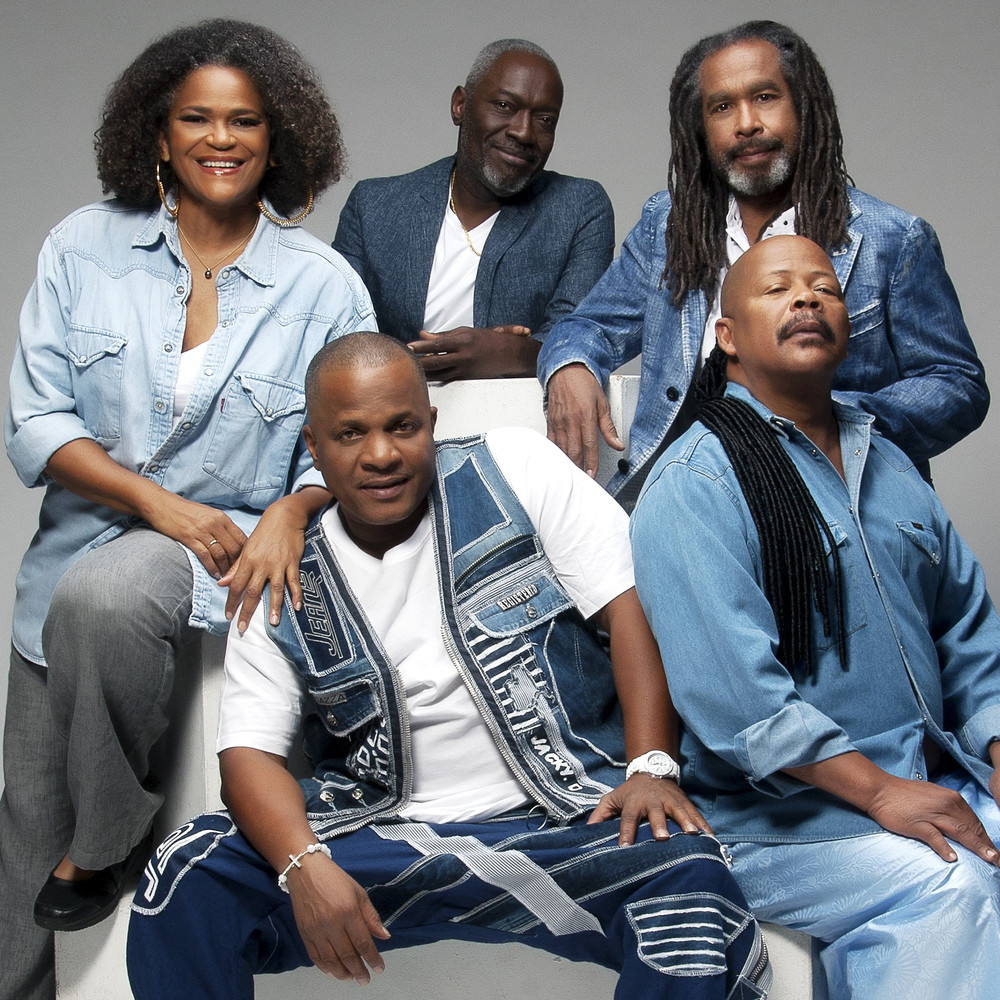
Kassav'
Zouk
Compas
Kizomba
3
/5
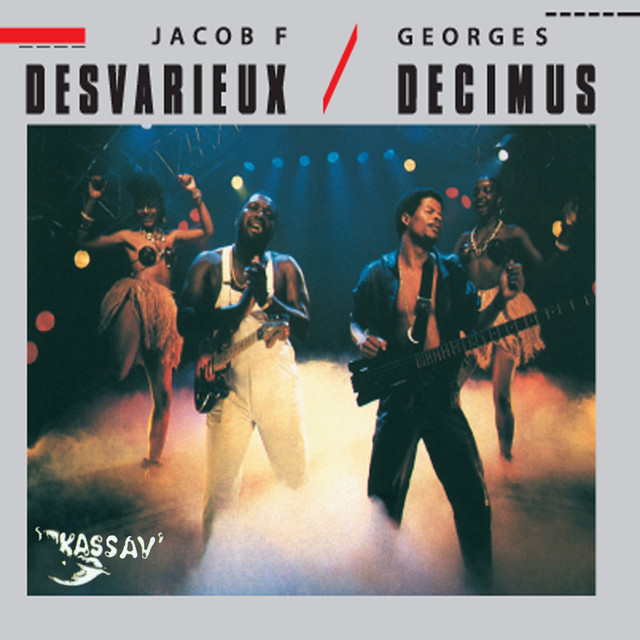
Jacob Desvarieux
Zouk
Calypso
Compas
2
/5
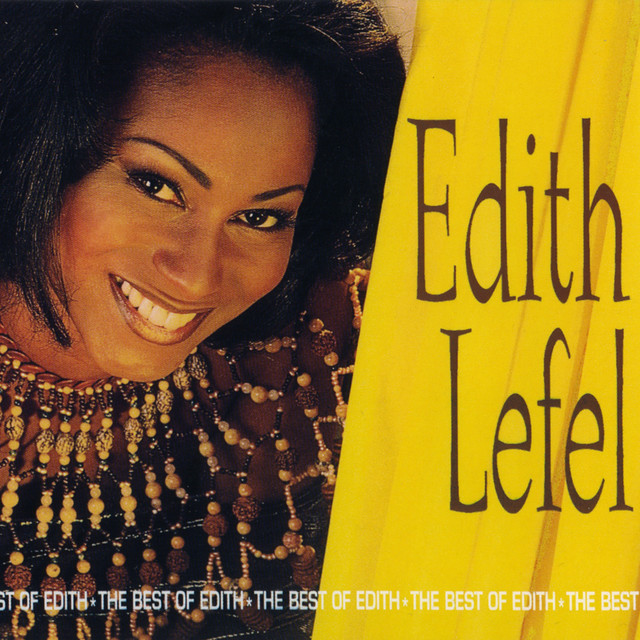
Edith Lefel
Zouk
Zouk Love
Compas
Download our mobile app
Get the Melodigging app and start digging for new genres on the go
Download on the App Store
Get it on Google Play
© 2026 Melodigging
Give feedback
Legal
Melodding was created as a tribute to
Every Noise at Once
, which inspired us to help curious minds keep digging into music's ever-evolving genres.