Genres
Artists
Albums
Make Music
Sign in
Sign in
Artists
Afro Tech
Artists
Afro Tech
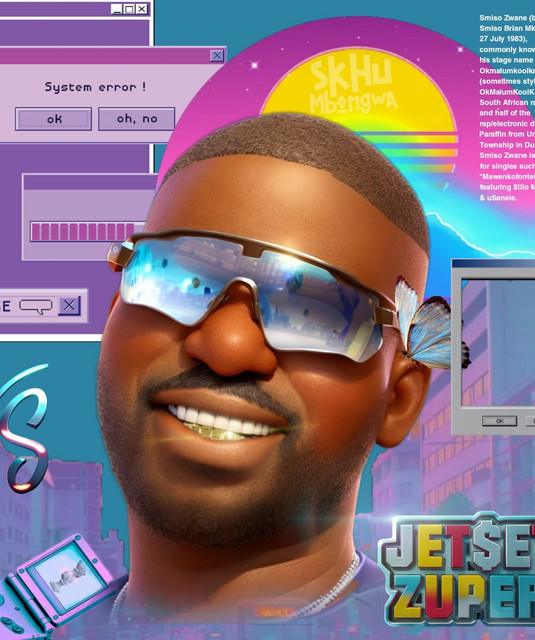
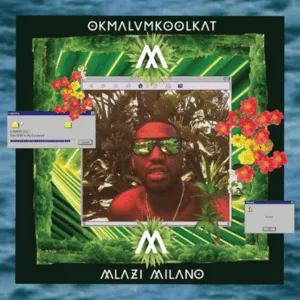
Okmalumkoolkat
2018
·
1 album
Listen
3
/5
Genres
Afro Tech
Afro tech is a club-focused hybrid of Afro house and techno that blends four-on-the-floor drum programming with African polyrhythms, deep sub-bass, and hypnotic, minor-key synth work. It favors driving grooves, atmospheric pads, chant-like vocals, and long, DJ-friendly arrangements that build patiently toward cathartic drops. Compared with soulful Afro house, Afro tech tends to be darker, more streamlined, and more mechanical, while retaining the swing, percussion density, and call-and-response sensibilities of Southern African dance music.
Discover
Listen
Afro Trap
Afro trap is a Francophone-born fusion that blends contemporary Afrobeats and West/Central African dance music with the drums, bounce, and flows of trap and hip hop. It favors upbeat party energy, chant-like hooks, and syncopated percussion, while retaining 808-heavy low end, triplet hi-hats, and melodic sing-rap. The sound is colorful and celebratory, often referencing football culture, dance challenges, and diasporic pride, and it commonly mixes French street slang with phrases from African languages like Lingala or Wolof.
Discover
Listen
Gqom
Gqom is a minimalist, hard-edged club music from Durban, South Africa, built around pounding kicks, syncopated toms, and sparse, looped vocal chants. It favors tension and release over melodic development, using stark, percussive motifs and dramatic breakdowns to create a hypnotic, physically compelling groove. Typically sitting around 120–130 BPM, gqom departs from straight four-on-the-floor house patterns, embracing broken-beat structures, off-grid fills, and sudden dropouts. The sound palette leans dark and industrial—heavy sub-bass, metallic hits, claps, whistles, crowd shouts, and found sounds—while harmony is minimal or absent, keeping the focus on rhythm and texture.
Discover
Listen
Techno
Techno is a four-on-the-floor, machine-driven form of electronic dance music that emerged in mid-to-late 1980s Detroit. It is characterized by steady 4/4 kick drums, repetitive and hypnotic rhythmic patterns, synthetic timbres, and an emphasis on texture, groove, and forward momentum over elaborate harmony. Producers typically use drum machines, sequencers, and synthesizers to build layered percussion, pulsing basslines, and evolving motifs. While often dark and minimalistic, techno spans a wide spectrum—from soulful, futuristic Detroit aesthetics to hard, industrially tinged European strains—yet it consistently prioritizes kinetic energy for dancefloors and a sense of machine futurism.
Discover
Listen
Hip Hop
Hip hop is a cultural and musical movement that emerged from Black, Latino, and Caribbean communities, centering around rapping (MCing), DJing/turntablism, sampling-based production, and rhythmic speech over beats. It prioritizes groove, wordplay, and storytelling, often reflecting the social realities of urban life. Musically, hip hop is built on drum-centric rhythms (from breakbeats to 808 patterns), looped samples, and bass-forward mixes. Lyrically, it ranges from party anthems and braggadocio to political commentary and intricate poetic forms, with flow, cadence, and rhyme density as core expressive tools. Beyond music, hip hop encompasses a broader culture, historically intertwined with graffiti, b-boying/b-girling (breakdance), fashion, and street entrepreneurship, making it both an art form and a global social language.
Discover
Listen
New Wave
New wave is a broad, pop-oriented umbrella for styles that emerged in the mid-to-late 1970s as a sleeker, more melodic outgrowth of punk culture. Initially, the term varied by region: in the United States it was first used by critics and labels (famously Sire Records’ “Don’t Call It Punk” campaign in 1977) to rebrand punk-associated artists with more radio-friendly aesthetics; in the United Kingdom it encompassed a wider constellation of fresh, stylish post-punk-era sounds. Over time, “new wave” became a catch‑all for hooky guitar pop, synth-driven songs, danceable rhythms, and modernist production sensibilities. Sonically, it blends tight, upbeat rhythms (often disco- and reggae-informed), clean chorus/flanger guitars, prominent synthesizers, and concise, hook-led songwriting. Its visual identity—sharp suits, futurist imagery, and fashion-forward presentation—was integral, aligning with the rise of music television and emphasizing art-school wit, irony, and modern urban themes.
Discover
Listen
Maskanda
Maskanda (also spelled Maskandi) is a Zulu guitar-driven folk style from South Africa that blends rural traditions with urban migration-era storytelling. It is characterized by rapid, percussive fingerpicking on acoustic or electric guitar, a free-tempo introductory flourish (often called an izihlabo), and narrative vocals that frequently incorporate Zulu praise poetry (izibongo), call-and-response refrains, and social commentary. Typical ensembles add bass, drums, concertina and/or violin, producing a bright, rhythmic groove that supports the troubadour-like lead singer. The music is both danceable and reflective, carrying the feel of the countryside into the city while addressing the lived realities of working-class Zulu communities.
Discover
Listen
Show all 7 genres
Albums
2018
1
/5
Mlazi Milano
Okmalumkoolkat
Afro Trap
Similar artists
3
/5
Azana
Afro House
Afro Soul
Afro Tech
2
/5
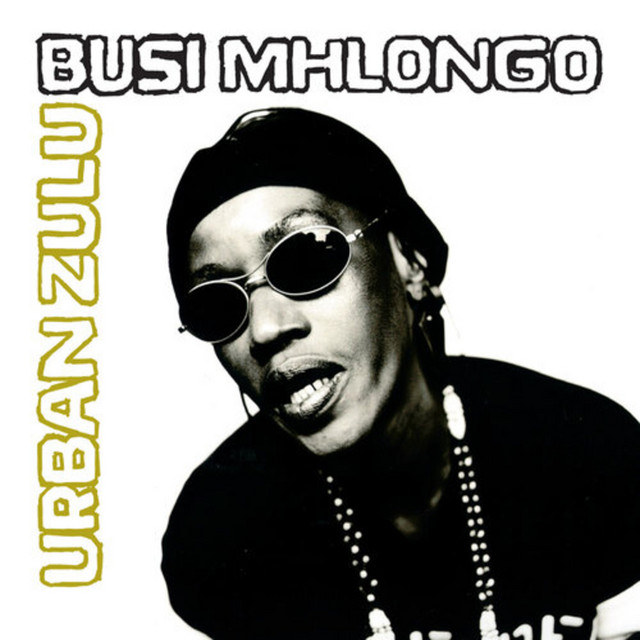
Busi Mhlongo
3-Step
Afro House
Afro Soul
2
/5
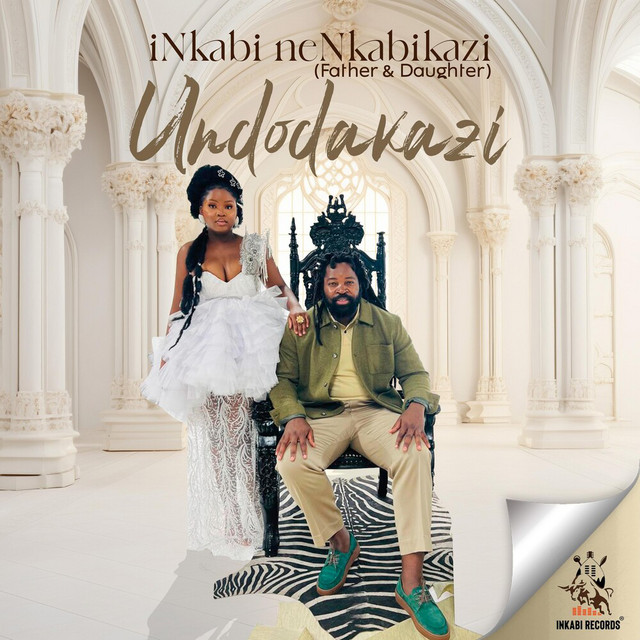
Nkabikazi
Afro Tech
Afropop
Amapiano
2
/5
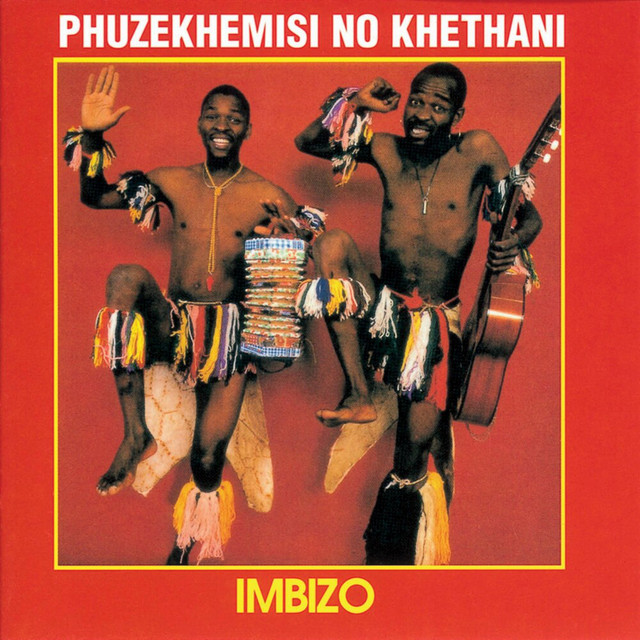
Phuzekhemisi
Afro Soul
Afro Tech
Maskanda
5
/5
GIMS
French Pop
Rap Conscient
French Hip Hop
4
/5
Bonez MC
Afro Trap
Hip Hop
German Hip Hop
4
/5
RAF Camora
Afro Trap
Hip Hop
Covertronica
4
/5
Capital Bra
German Hip Hop
Modern Downshift
Afro Trap
5
/5
Rauw Alejandro
Reggaeton
Trap Latino
Latin
5
/5
Gorillaz
Alternative Hip Hop
Electronic
Modern Rock
Download our mobile app
Get the Melodigging app and start digging for new genres on the go
Download on the App Store
Get it on Google Play
© 2026 Melodigging
Give feedback
Legal
Melodding was created as a tribute to
Every Noise at Once
, which inspired us to help curious minds keep digging into music's ever-evolving genres.