Genres
Artists
Albums
Make Music
Sign in
Sign in
Artists
Afro Tech
Artists
Afro Tech
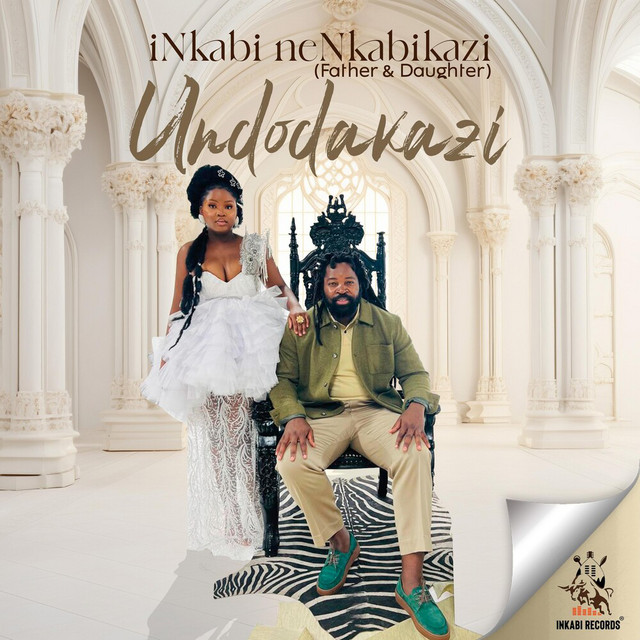
Nkabikazi
Listen
2
/5
Genres
3-Step
3-step is a contemporary club style built around a distinctive three‑kick‑drum pattern per bar instead of the traditional four‑on‑the‑floor. It blends the supple log‑drum bass and patient, rolling pace of Amapiano with the syncopated, jazz‑inflected looseness of UK Broken Beat. The result is relaxed, free‑form and playful, with a subtly swung feel, airy Rhodes‑style chords and nimble percussion that invite head‑nodding as much as dancing.
Discover
Listen
Afro Tech
Afro tech is a club-focused hybrid of Afro house and techno that blends four-on-the-floor drum programming with African polyrhythms, deep sub-bass, and hypnotic, minor-key synth work. It favors driving grooves, atmospheric pads, chant-like vocals, and long, DJ-friendly arrangements that build patiently toward cathartic drops. Compared with soulful Afro house, Afro tech tends to be darker, more streamlined, and more mechanical, while retaining the swing, percussion density, and call-and-response sensibilities of Southern African dance music.
Discover
Listen
Amapiano
Amapiano is a South African house offshoot defined by deep, airy pads, jazzy chord voicings, and the signature "log drum" bass that carves syncopated, percussive patterns through the low end. Emerging from Gauteng townships, it favors mid-tempo grooves (typically 108–114 BPM), minimal four-on-the-floor kicks, and richly layered percussion—shakers, congas, rimshots—leaving generous space for melodic piano riffs and soulful vocals. The overall mood is warm, hypnotic, and communal, designed as much for social spaces and dance circles as for late-night listening. Amapiano marries the street-level grit and swing of kwaito and Pretoria’s bacardi house with the smoothness of deep house and the harmonic language of jazz, resulting in a style that is both understated and irresistibly danceable.
Discover
Listen
Gqom
Gqom is a minimalist, hard-edged club music from Durban, South Africa, built around pounding kicks, syncopated toms, and sparse, looped vocal chants. It favors tension and release over melodic development, using stark, percussive motifs and dramatic breakdowns to create a hypnotic, physically compelling groove. Typically sitting around 120–130 BPM, gqom departs from straight four-on-the-floor house patterns, embracing broken-beat structures, off-grid fills, and sudden dropouts. The sound palette leans dark and industrial—heavy sub-bass, metallic hits, claps, whistles, crowd shouts, and found sounds—while harmony is minimal or absent, keeping the focus on rhythm and texture.
Discover
Listen
Private School Piano
Private school piano is a contemporary pop microstyle centered on piano-led singer‑songwriter ballads and mid‑tempo anthems with polished, conservatory‑adjacent playing and intimate, emotive vocals. The style emphasizes clear, melodic right‑hand figures, broken‑chord patterns, and dynamic swells that bloom into cinematic choruses. Production is spacious and pristine—close‑miked piano, tasteful reverb, light percussion, and occasional strings—supporting lyrical themes of romance, self‑reflection, and coming‑of‑age. While its roots draw from earlier piano rock and adult contemporary balladry, its aesthetic became especially associated with UK artists who emerged in the streaming era and often trained in formal or high‑quality music programs.
Discover
Listen
Afropop
Afropop is a modern, pan‑African pop style that blends West and Central African rhythmic traditions with global pop, R&B, hip hop, dancehall, and electronic production. It favors catchy toplines, call‑and‑response hooks, bright guitar licks inspired by highlife and soukous, and mid‑tempo grooves designed for dancing. Songs are often multilingual, moving fluidly between English or French and local languages or pidgins, while lyrics center on romance, joy, aspiration, and celebration. Production commonly uses syncopated percussion, warm sub‑bass, plucky synths or marimbas, and clean, melodic vocals (often with tasteful Auto‑Tune), resulting in an upbeat, accessible sound with unmistakably African groove and feel.
Discover
Listen
Maskanda
Maskanda (also spelled Maskandi) is a Zulu guitar-driven folk style from South Africa that blends rural traditions with urban migration-era storytelling. It is characterized by rapid, percussive fingerpicking on acoustic or electric guitar, a free-tempo introductory flourish (often called an izihlabo), and narrative vocals that frequently incorporate Zulu praise poetry (izibongo), call-and-response refrains, and social commentary. Typical ensembles add bass, drums, concertina and/or violin, producing a bright, rhythmic groove that supports the troubadour-like lead singer. The music is both danceable and reflective, carrying the feel of the countryside into the city while addressing the lived realities of working-class Zulu communities.
Discover
Listen
Show all 7 genres
Similar artists
3
/5
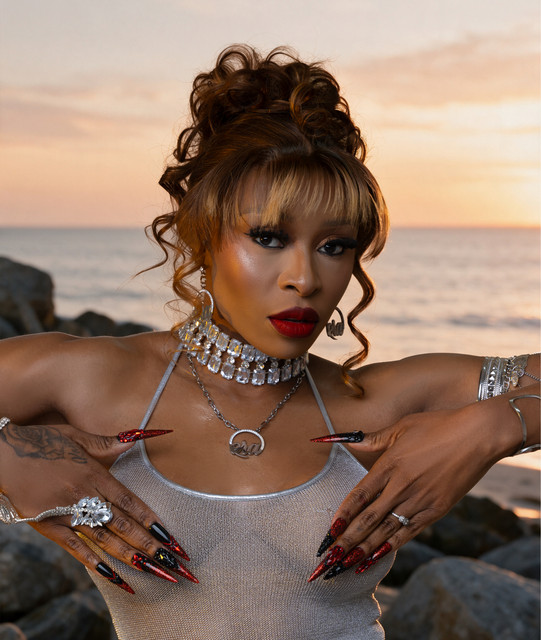
DJ Zinhle
Afro House
Afro Soul
Afro Tech
3
/5
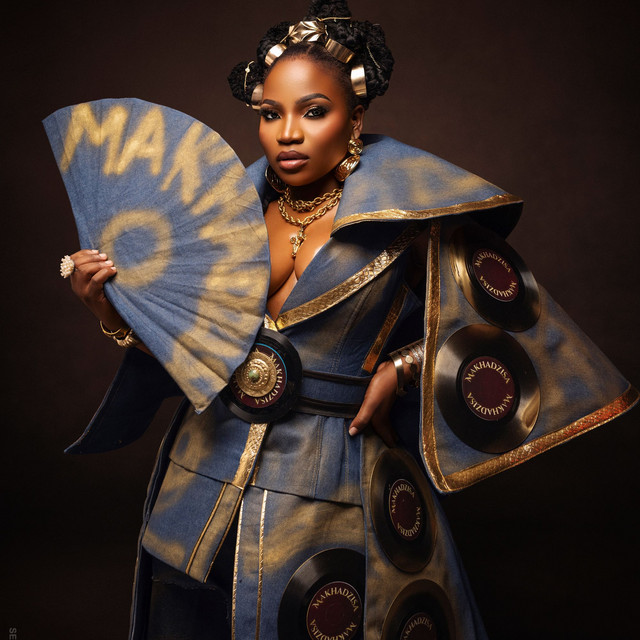
Makhadzi Entertainment
Private School Piano
Afrobeats
Afropop
3
/5
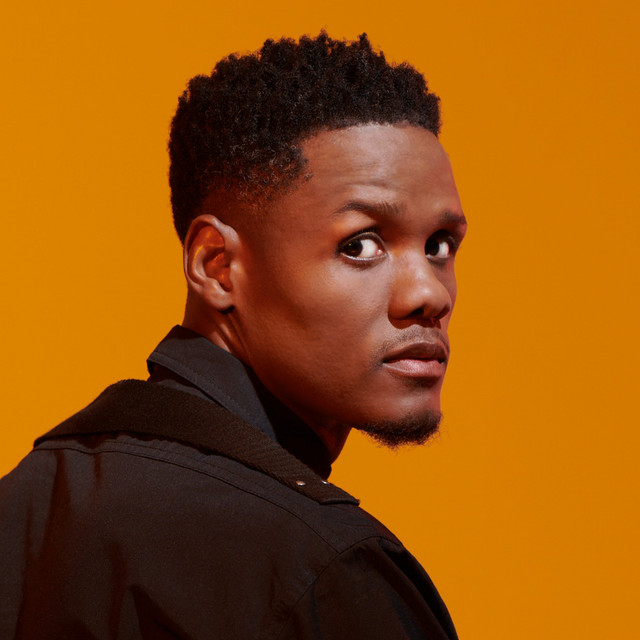
Samthing Soweto
Amapiano
Gqom
Private School Piano
3
/5
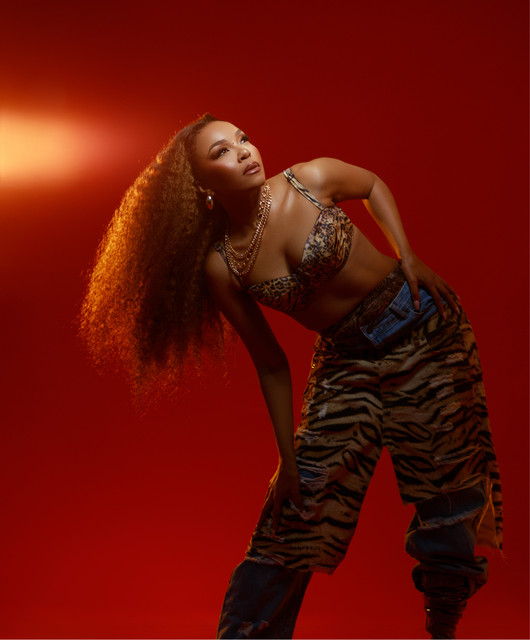
Mvzzle
Private School Piano
3-Step
Gqom
3
/5
Nomfundo Moh
Afro R&b
Afro Soul
Afropop
3
/5
Cici
Afro Soul
Afropop
Amapiano
3
/5
Q Twins
Afro Soul
Afropop
Amapiano
2
/5
Indlovukazi
Afro Soul
Afropiano
Afropop
2
/5
Venom
Afro Soul
Afropop
Amapiano
3
/5
Riky Rick
Private School Piano
Afro Soul
Afropop
Download our mobile app
Get the Melodigging app and start digging for new genres on the go
Download on the App Store
Get it on Google Play
© 2026 Melodigging
Give feedback
Legal
Melodding was created as a tribute to
Every Noise at Once
, which inspired us to help curious minds keep digging into music's ever-evolving genres.