Genres
Artists
Albums
Make Music
Sign in
Sign in
Artists
Martial Industrial
Artists
Martial Industrial
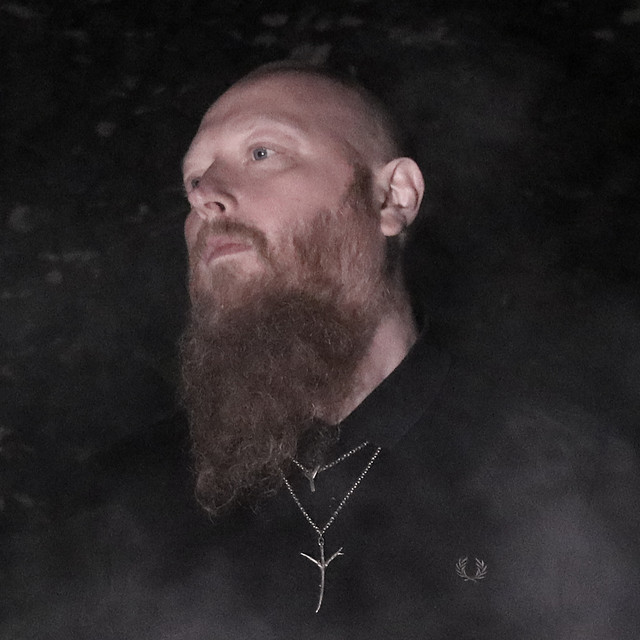
:Of The Wand And The Moon:
1999–2021
·
3 albums
Listen
2
/5
Genres
Martial Industrial
Martial industrial is a post-industrial style that fuses the aesthetics and percussion of military and parade music with the textures of industrial, dark ambient, and neoclassical dark wave. It is characterized by bombastic snare rolls, timpani and drumline patterns, fanfare-like brass or string stabs, and sample-based collages drawn from archival speeches, radio broadcasts, and wartime soundscapes. The genre often emphasizes processional rhythms in 2/4 or 4/4, deliberately repetitive arrangements, and a cinematic, historical atmosphere. Harmonic content tends to be minor-key and modal, favoring sombre chorales, orchestral pads, and choral samples. While the sound can be imposing and epic, many works also explore reflective or elegiac moods tied to memory, ruins, and the passage of time.
Discover
Listen
Neofolk
Neofolk is a post-industrial offshoot that blends traditional acoustic folk instrumentation with the austere atmospheres, ritual rhythms, and poetic sensibilities of the industrial and post-punk underground. It often features intimate acoustic guitars, baritone or chant-like vocals, martial or processional percussion, drones, and sparse strings or harmonium. Thematically, neofolk is preoccupied with memory, myth, and modernity—drawing on pagan or pre-Christian motifs, Romantic poetry, war-time remembrance, esoteric philosophy, and nature mysticism. The sound tends to be minimal and deliberate, favoring modal harmony and restrained dynamics that sharpen lyrical focus and mood. While sometimes called “apocalyptic folk,” the label describes the tone rather than a single ideology, as artists span a wide range of personal and political stances.
Discover
Listen
Dark Ambient
Dark ambient is a post‑industrial subgenre that coalesced in the mid‑1980s, drawing primarily on ambient music but shifting its focus toward ominous, subterranean space and timbre. It is characterized by long, low‑frequency drones; dissonant or microtonal overtones; and an enveloping, gloomy or catacomb‑like atmosphere. While largely electronic (synthesizers, samplers, tape and digital processing), artists frequently incorporate field recordings, contact‑mic textures, bowed metal, gongs, and fragments of traditional instruments captured with semi‑acoustic techniques and then heavily processed. Melody and pulse are minimized; instead the music emphasizes immersive sound design, psychoacoustic detail, and slowly evolving textures that evoke dread, awe, and isolation.
Discover
Listen
Dark Folk
Dark folk is a somber, acoustic-centered branch of folk that blends minor-key songwriting with post-industrial atmospheres and gothic aesthetics. It often favors intimate, close-mic’d vocals; fingerpicked classical or steel‑string guitars; and sparse, martial or ritual percussion. Arrangements tend to be minimalist yet textural: drones, harmonium or accordion beds, bowed strings (violin, cello), and occasional field recordings or analog hiss deepen the mood. Lyrics explore themes of memory, decay, paganism, esotericism, romanticism, and the natural world, presented in a reflective or incantatory tone. The result is music that feels both archaic and modern—rural in timbre yet post-industrial in spirit.
Discover
Listen
Rock
Rock is a broad family of popular music centered on amplified instruments, a strong backbeat, and song forms that foreground riffs, choruses, and anthemic hooks. Emerging from mid‑20th‑century American styles like rhythm & blues, country, and gospel-inflected rock and roll, rock quickly expanded in scope—absorbing folk, blues, and psychedelic ideas—while shaping global youth culture. Core sonic markers include electric guitar (often overdriven), electric bass, drum kit emphasizing beats 2 and 4, and emotive lead vocals. Rock songs commonly use verse–chorus structures, blues-derived harmony, and memorable melodic motifs, ranging from intimate ballads to high‑energy, stadium‑sized performances.
Discover
Listen
Neoclassicism
Neoclassicism in music is a 20th‑century movement that revived forms, genres, and aesthetics from the Baroque and Classical eras, but reframed them with modern harmony, rhythm, and orchestration. It emphasizes clarity, balance, objectivity, and contrapuntal craft, often rejecting late‑Romantic excess while retaining a tonal or modal center enriched by dissonance, bitonality, and crisp rhythmic drive. Typical hallmarks include neobaroque dance suites, neoclassical sonatas and concerti, chamber‑oriented scoring, clean textures, and a dry, anti‑rhetorical performance style.
Discover
Listen
Albums
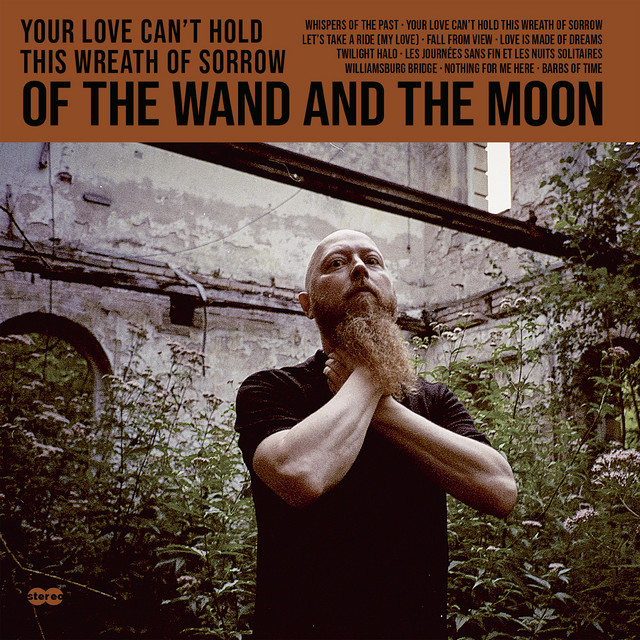
2021
2
/5
Your Love Can't Hold This Wreath of Sorrow
:Of The Wand And The Moon:
Martial Industrial
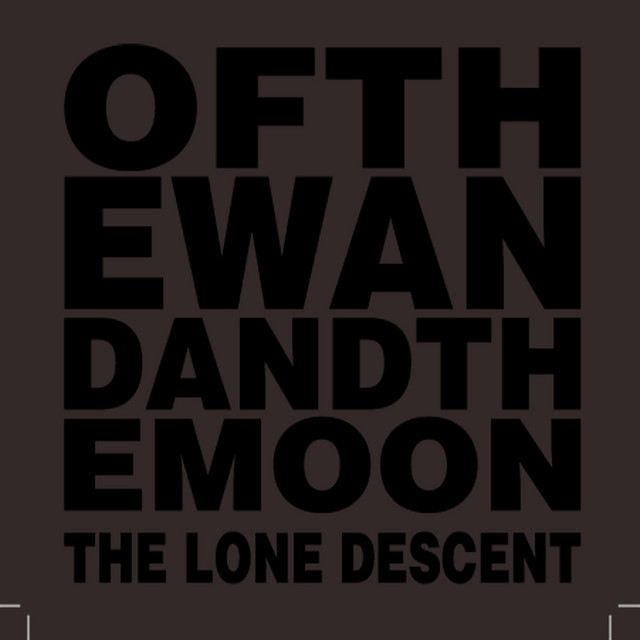
2011
2
/5
The Lone Descent
Of the Wand and the Moon
Neofolk
Martial Industrial
Rock
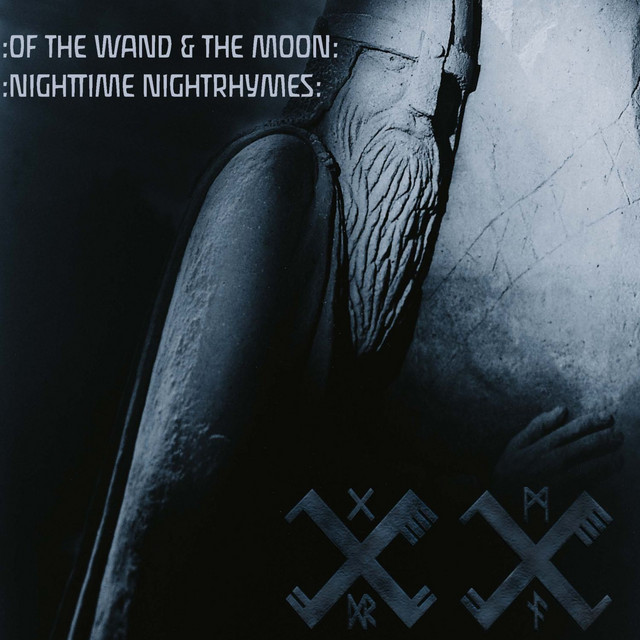
1999
2
/5
Nighttime Nightrhymes (2010 Re-release)
:Of The Wand And The Moon:
Martial Industrial
Similar artists
3
/5
ROME
Martial Industrial
Neofolk
Rock
3
/5
Dead Can Dance
Ethereal Wave
Dark Wave
Electronic
1
/5
Various Artists
Afro-Funk
Alternative Rock
Ambient
3
/5
Death In June
Martial Industrial
Neofolk
Post-Punk
2
/5
Der Blutharsch
Martial Industrial
Dark Ambient
Industrial
1
/5
Derniere Volonte
Industrial
Martial Industrial
Coldwave
1
/5
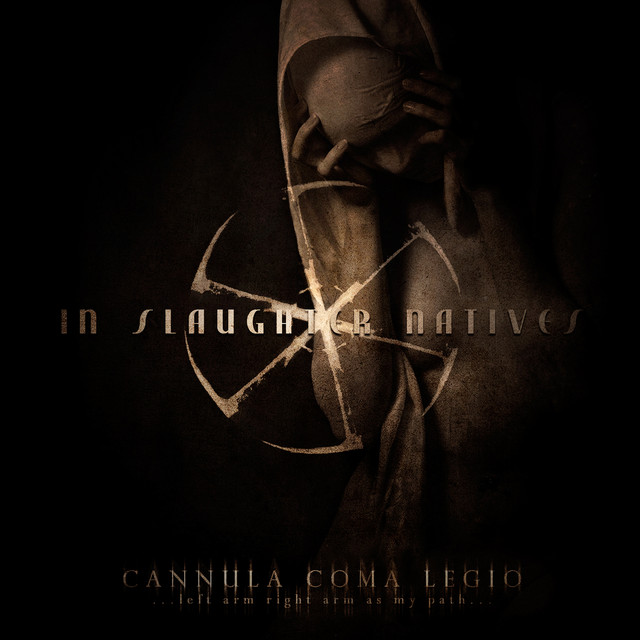
In Slaughter Natives
Power Electronics
Martial Industrial
Dark Ambient
3
/5
Ulver
Post-Metal
Avant-Garde
Black Metal
2
/5
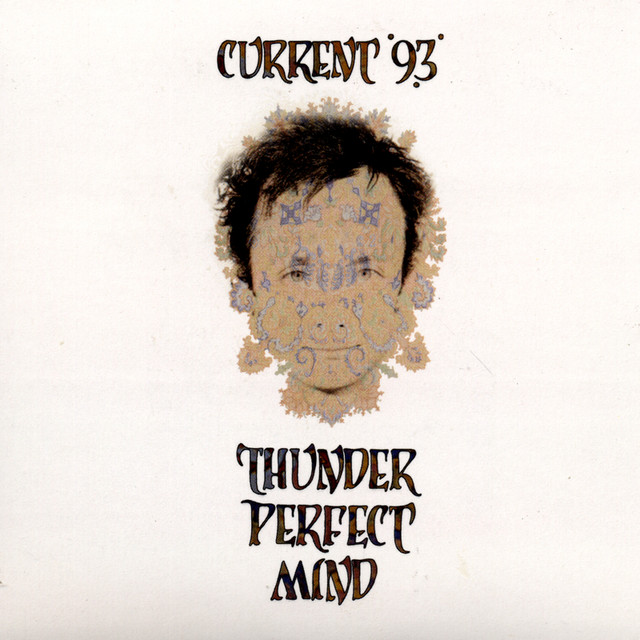
Current 93
Experimental
Neofolk
Industrial
2
/5
Ordo Rosarius Equilibrio
Dark Ambient
Dark Wave
Deathrock
Download our mobile app
Get the Melodigging app and start digging for new genres on the go
Download on the App Store
Get it on Google Play
© 2026 Melodigging
Give feedback
Legal
Melodding was created as a tribute to
Every Noise at Once
, which inspired us to help curious minds keep digging into music's ever-evolving genres.