Genres
Artists
Albums
Make Music
Sign in
Sign in
Artists
Opera
Artists
Opera
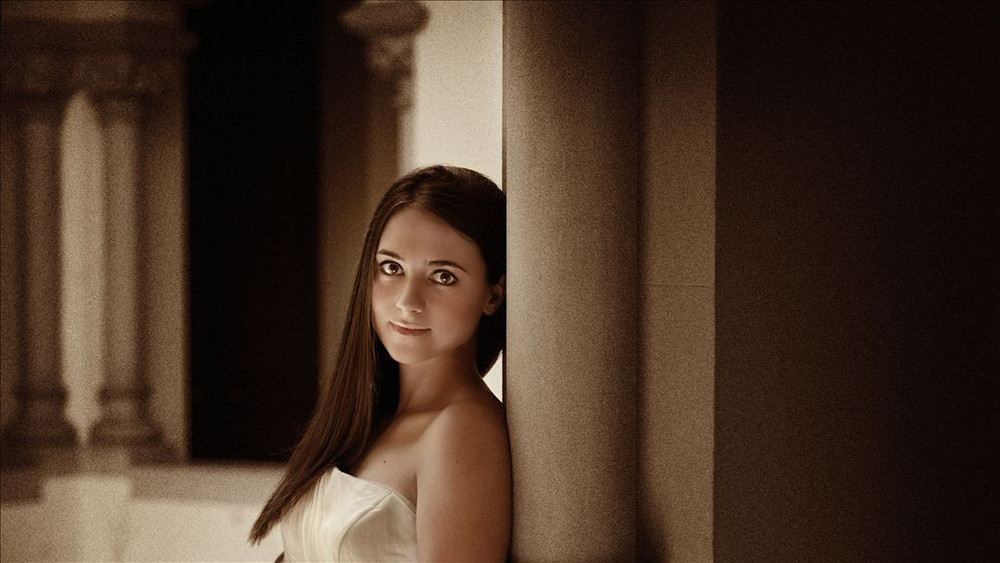
Núria Rial
2013–2018
·
2 albums
Listen
2
/5
Genres
Cello Ensemble
Cello ensemble refers to repertoire and performing groups written for multiple cellos (typically 4–12, and sometimes far more), treating the cello section as a self‑sufficient choir with soprano‑to‑bass roles covered by the instrument’s wide register. The sound palette spans organ‑like chorales, cantabile melodies in tenor/treble clefs, and percussive, guitar‑like textures when using extended techniques. The idiom coalesced in the early 20th century with Julius Klengel’s Hymnus for 12 cellos (Op. 57), then grew through works such as Villa‑Lobos’s Bachianas Brasileiras Nos. 1 and 5 for at least eight cellos. A major public face of the genre since the 1970s has been dedicated cello‑choir ensembles (e.g., the Twelve Cellists of the Berlin Philharmonic), alongside contemporary octets and crossover groups that commission new music and arrange everything from Baroque to pop and metal.
Discover
Listen
Baroque Singing
Baroque singing is the vocal practice of the Baroque era (c. 1600–1750), centered on expressive text delivery, rhetorical phrasing, and codified ornamentation. It grew from the shift toward solo song with continuo (monody) and the burgeoning of opera, cantata, and oratorio. Stylistically, it balances two complementary worlds: declamatory recitative (to advance text and drama) and highly ornate aria (to display beauty and virtuosity). Singers employ trills, appoggiaturas, mordents, properly prepared cadential trills, messa di voce, passaggi (rapid runs), and extempore diminutions—always guided by the words’ meaning and Baroque “affects.” Performance practice emphasizes clear diction, flexible but discreet vibrato (often a predominantly straight tone with vibrato as ornament), historically-informed tempi and articulation, and continuo-led textures (harpsichord, theorbo, organ, cello/violone). Pitch and temperament are often historical (e.g., A≈415). Treatises by Caccini, Tosi, and Mancini remain core references for technique, style, and ornamentation.
Discover
Listen
Opera
Opera is a large-scale theatrical genre that combines music, drama, and visual spectacle, in which the story is primarily conveyed through singing accompanied by an orchestra. It unites solo voices, ensembles, and chorus with staging, costumes, and often dance to create a total artwork. Emerging in late Renaissance Italy and flourishing in the Baroque era, opera developed signature forms such as recitative (speech-like singing that advances the plot) and aria (lyrical numbers that explore character and emotion). Over the centuries it evolved diverse national styles—Italian bel canto, French grand opéra, German music drama—while continually experimenting with orchestration, harmony, narrative structure, and stagecraft.
Discover
Listen
Albums
2018
Vocalise
Núria Rial, 8 Cellists of the Sinfonieorchester Basel
Cello Ensemble
2013
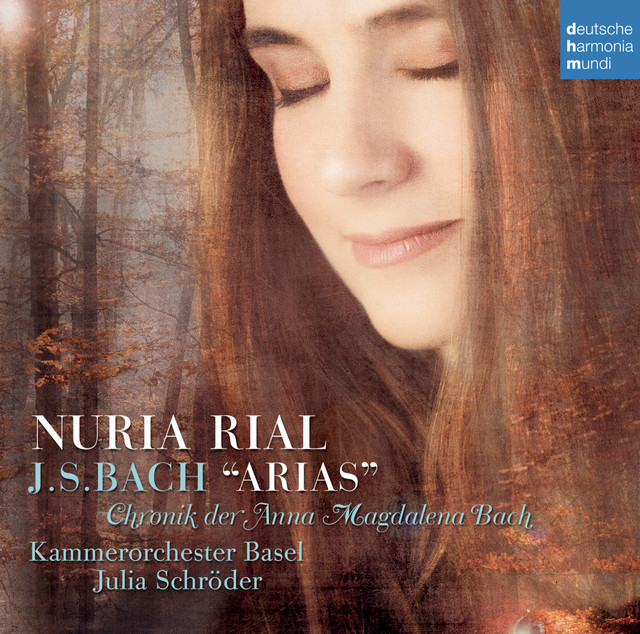
Bach: Arias
Johann Sebastian Bach, Núria Rial, Kammerorchester Basel, Benoît Laurent, Julia…
Baroque Singing
Similar artists
4
/5
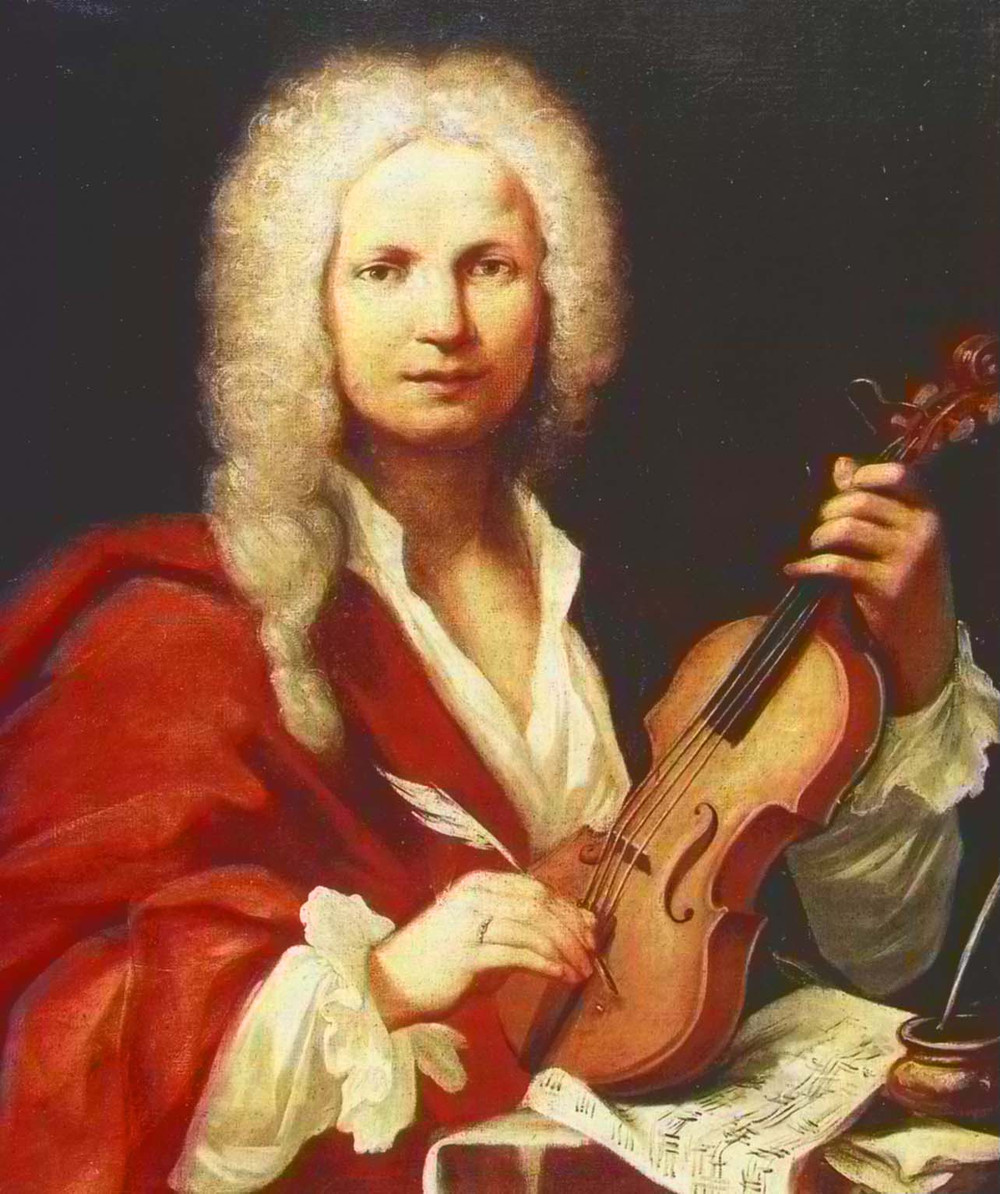
Antonio Vivaldi
Baroque
Classical
Opera Seria
4
/5
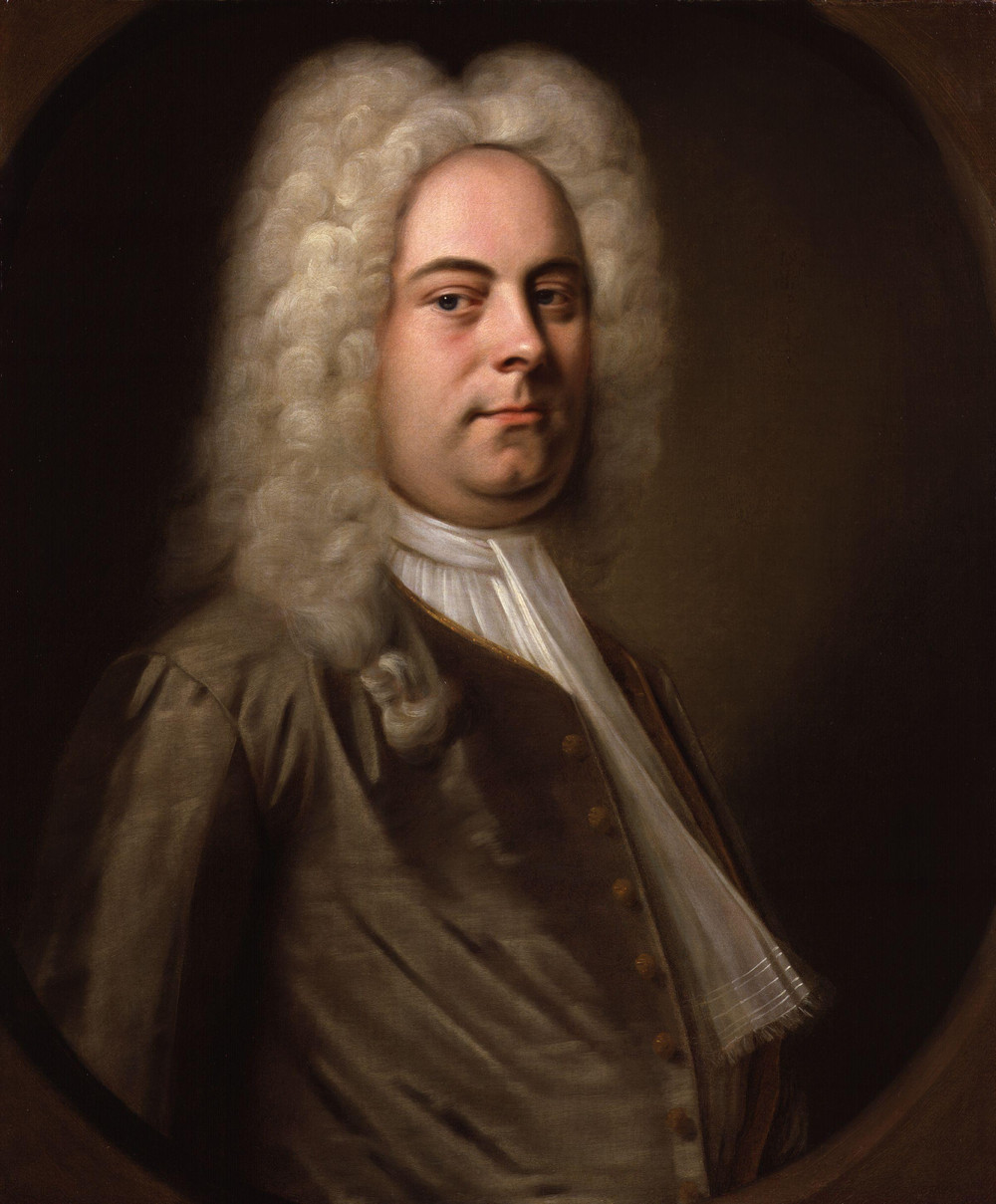
George Frideric Handel
Classical
Opera Seria
Classical Countertenor
3
/5
John Eliot Gardiner
Baroque
Classical
Choral
3
/5
Jean-Philippe Rameau
Classical
Opera-Ballet
Tragédie En Musique
3
/5
English Baroque Soloists
Baroque
Classical
Choral
3
/5
René Jacobs
Classical
Baroque
Opera
3
/5
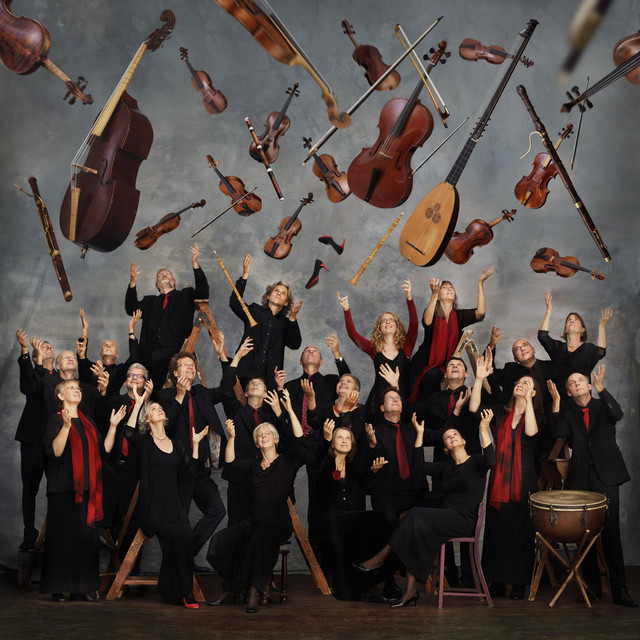
Akademie für Alte Musik Berlin
Baroque
Classical
Opera
3
/5
William Christie
Classical
Opera
Baroque
3
/5
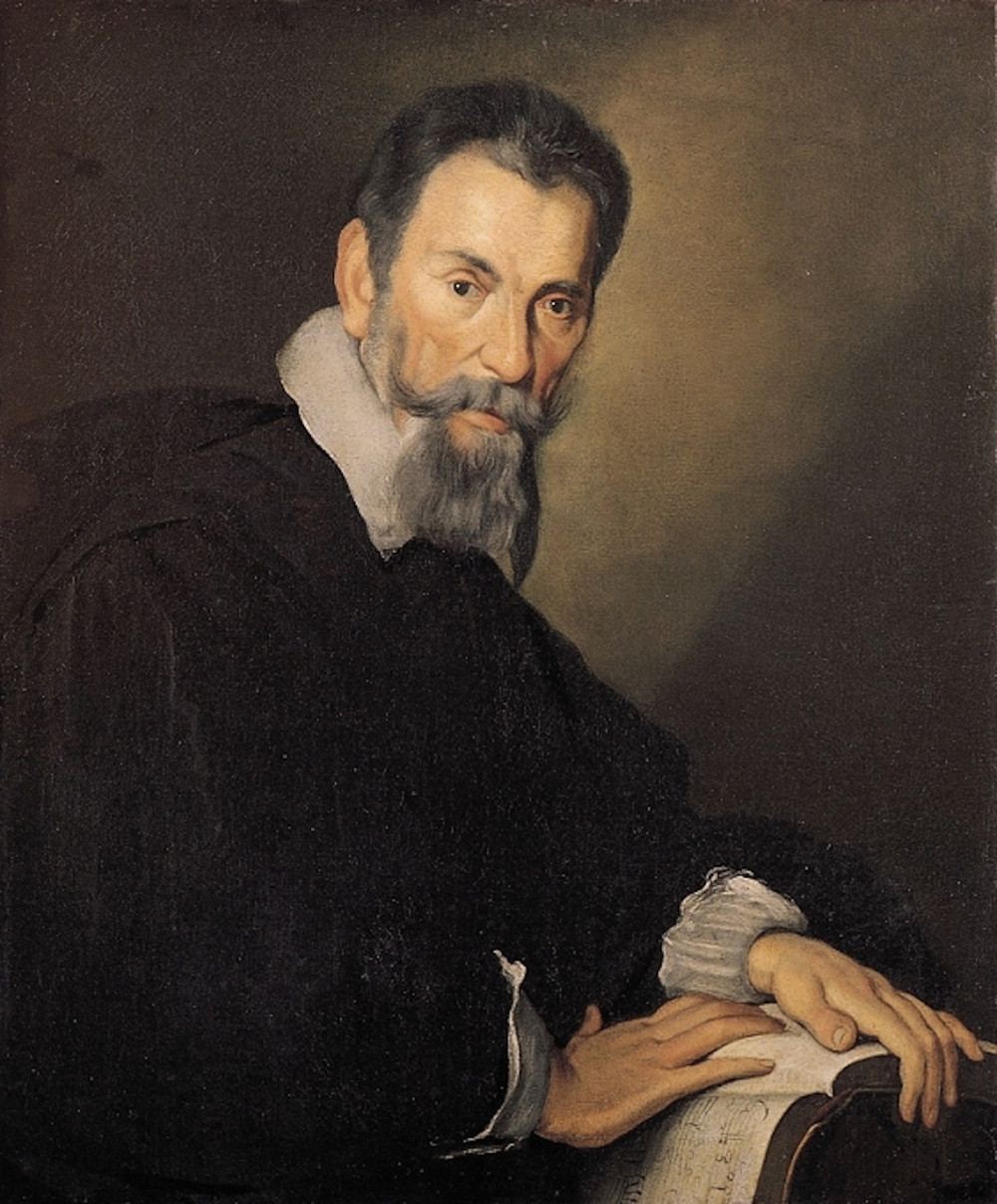
Claudio Monteverdi
Madrigal
Renaissance
Classical
3
/5
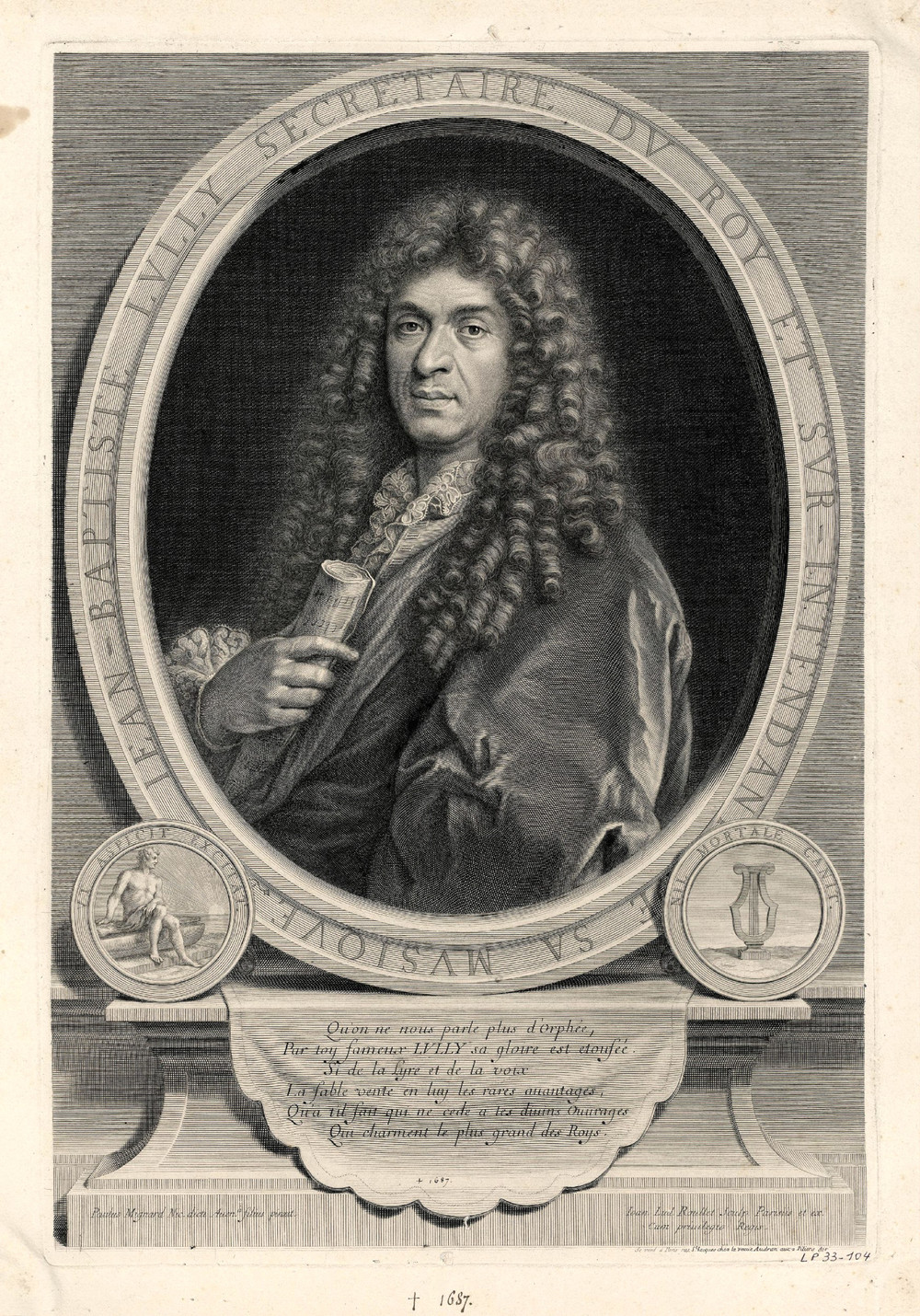
Jean-Baptiste Lully
Tragédie En Musique
Baroque
Classical
Download our mobile app
Get the Melodigging app and start digging for new genres on the go
Download on the App Store
Get it on Google Play
© 2026 Melodigging
Give feedback
Legal
Melodding was created as a tribute to
Every Noise at Once
, which inspired us to help curious minds keep digging into music's ever-evolving genres.