Genres
Artists
Albums
Make Music
Sign in
Sign in
Artists
Appalachian Folk
Artists
Appalachian Folk
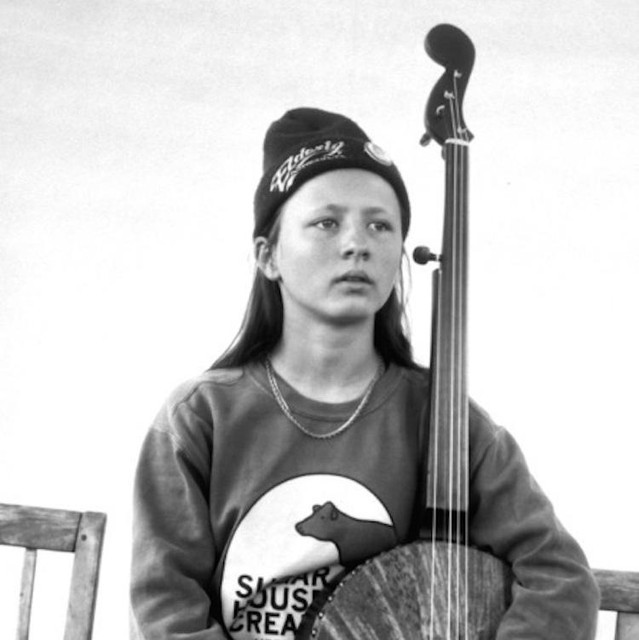
Nora Brown
2022
·
1 album
Listen
3
/5
Genres
Modern Indie Folk
Modern indie folk is a 2010s-era evolution of indie folk that blends intimate, acoustic songwriting with contemporary production aesthetics. It keeps the core of folk—storytelling, fingerpicked guitars, and close-miked vocals—but expands the palette with ambient textures, chamber-style strings, subtle electronics, cinematic reverb, and spacious, headphone-first mixes. The result is a sound that feels both handcrafted and atmospheric: confessional lyrics carried by hushed deliveries, layered harmonies, and warm analog or tape-like saturation, often moving between 4/4 and swaying 6/8/12/8 meters. At its center are themes of memory, nature, relationships, and quiet self-reckoning, expressed through vivid imagery and minimalist arrangements that bloom into emotive crescendos.
Discover
Listen
Deep Indie Singer-Songwriter
Deep indie singer-songwriter is a micro-genre that spotlights intimate, hushed, and highly personal songwriting crafted outside the mainstream. It blends the confessional lyricism and acoustic focus of the classic singer-songwriter tradition with the understated aesthetics of indie and bedroom production. Arrangements are typically sparse—fingerpicked acoustic guitars, soft pianos, light strings, and subtle electronic atmospheres—so that breathy, close-miked vocals and storytelling take center stage. The overall feel is introspective and reflective, often leaning toward melancholy or tender warmth. Songs prize texture and space over flash, favoring gentle dynamics, slow-to-mid tempos, and an “up-close” emotional delivery that suits late-night listening, film/TV syncs, and reflective playlists.
Discover
Listen
Americana
Americana is a contemporary umbrella term for U.S. roots music that blends folk, country, blues, bluegrass, gospel, and roots rock into a songwriter-centered, largely acoustic-leaning sound. Hallmarks include story-driven lyrics; warm, organic production; and traditional instrumentation such as acoustic guitar, mandolin, banjo, fiddle, harmonica, pedal steel, upright or electric bass, and restrained drums. Rhythms often draw on the train beat, shuffles, two-step, waltz time, and relaxed backbeats. Harmonically it favors diatonic progressions (I–IV–V, I–vi–IV–V), modal tinges (Mixolydian), and close vocal harmonies. Rather than a rigid style, Americana functions as a bridge among related roots traditions, emphasizing authenticity, regional imagery, and narrative songwriting over genre flashiness.
Discover
Listen
Bluegrass
Bluegrass is a style of American roots music that coalesced in the Appalachian region in the 1940s around Bill Monroe and his Blue Grass Boys. It is defined by all‑acoustic instrumentation (typically fiddle, mandolin, 5‑string banjo, guitar, and upright bass, with dobro often added), virtuosic ensemble interplay, and a distinctive “high lonesome” lead vocal timbre supported by tight three‑part harmonies. Musically, bluegrass fuses African American blues and jazz phrasing with Anglo‑Celtic ballads and dance tunes. Hallmarks include driving tempos, syncopated 3‑finger banjo rolls (popularized by Earl Scruggs), off‑beat mandolin “chop” backbeats, boom‑chuck guitar rhythm, two‑beat bass, and alternating instrumental “breaks.” Repertoires mix breakdowns and fiddle tunes with narrative ballads, gospel numbers, and contemporary songwriter material.
Discover
Listen
Folk
Folk is a song-centered acoustic tradition rooted in community storytelling, everyday life, and social history. It emphasizes clear melodies, simple harmonies, and lyrics that foreground narrative, protest, and personal testimony. As a modern recorded genre, folk coalesced in the early-to-mid 20th century in the United States out of older ballad, work song, and rural dance traditions. It typically features acoustic instruments (guitar, banjo, fiddle, mandolin, harmonica), strophic song forms, and participatory singing (choruses, call-and-response).
Discover
Listen
Appalachian Folk
Appalachian folk is a traditional music of the Appalachian Mountains in the eastern United States, shaped by Scots-Irish and English balladry, African American musical practices (especially the banjo and work songs), and sacred singing traditions. It centers on narrative ballads, dance tunes (reels, breakdowns, waltzes), and hymns, typically performed with fiddle, clawhammer banjo, voice, guitar, Appalachian dulcimer, and sometimes autoharp or mandolin. Melodies often use modal scales (Dorian, Mixolydian, Aeolian) and pentatonic figures, with strong rhythmic drive for square dances and flatfooting, as well as unaccompanied or sparsely accompanied ballads. The style is both communal and intimate—suitable for porches, kitchen gatherings, church singings, and dance halls—and it has been a major foundation for later American roots genres like old-time, bluegrass, country, and Americana.
Discover
Listen
Albums
2022
1
/5
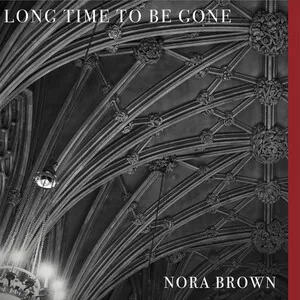
Long Time to Be Gone
Nora Brown
Appalachian Folk
Similar artists
3
/5
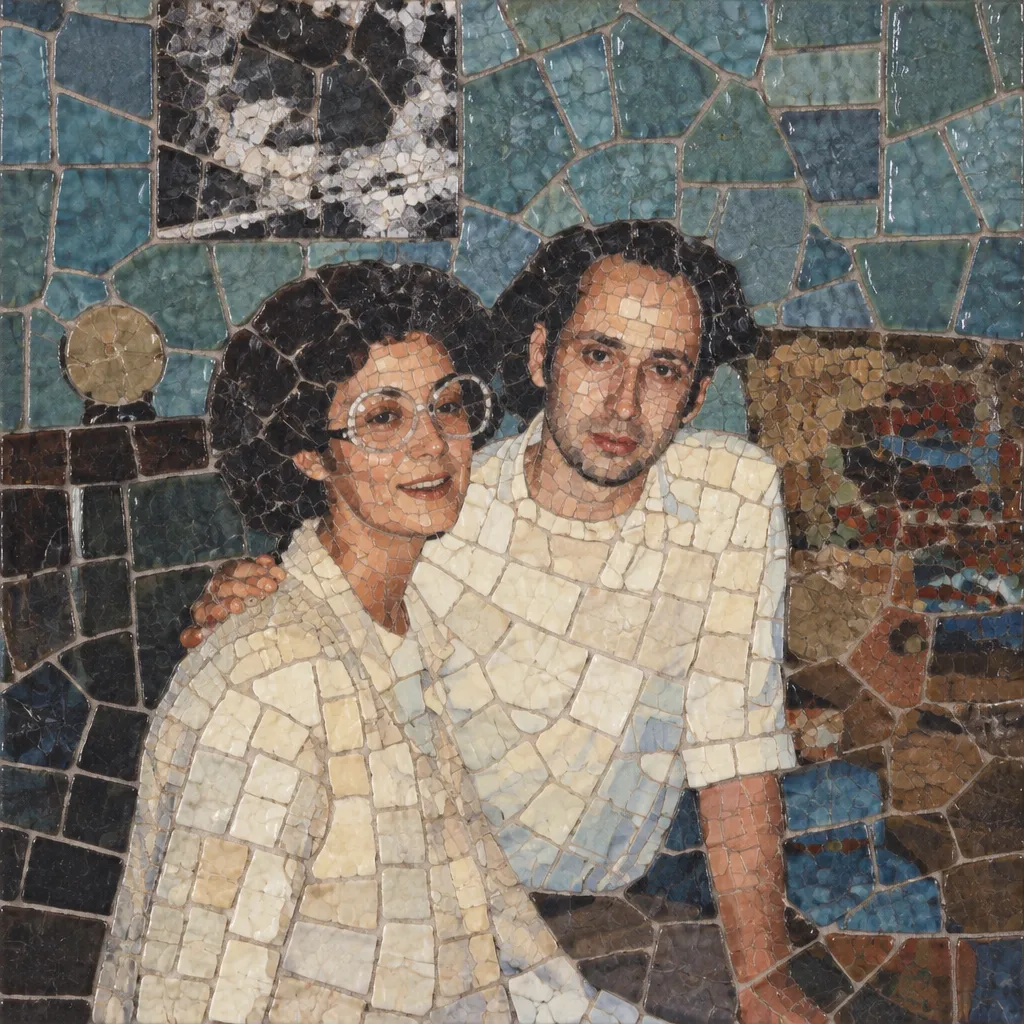
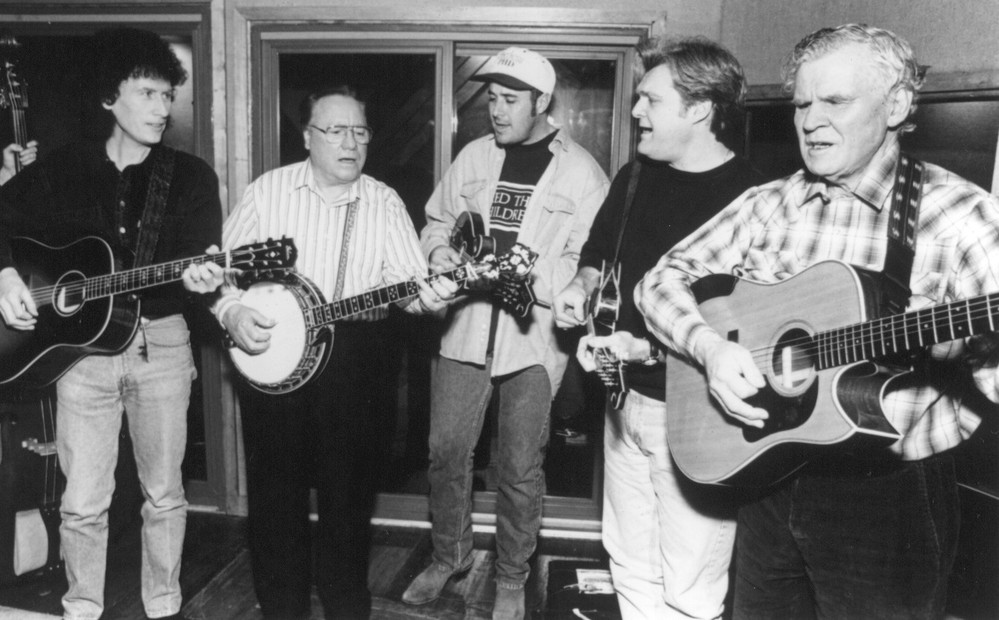
Doc Watson
Appalachian Folk
Bluegrass
Folk
4
/5
Watchhouse
Progressive Bluegrass
Newgrass
Bluegrass
3
/5
Old Crow Medicine Show
Bluegrass
Folk
Old-Time
3
/5
The Devil Makes Three
Bluegrass
Folk
Folk Punk
4
/5
The Avett Brothers
Newgrass
Americana
Folk
3
/5
Trampled by Turtles
Bluegrass
Newgrass
Progressive Bluegrass
3
/5
The Wood Brothers
Newgrass
Progressive Bluegrass
Americana
3
/5
Mipso
Americana
Bluegrass
Folk
3
/5
Aoife O'Donovan
Americana
Bluegrass
Newgrass
2
/5
The Last Revel
Americana
Bluegrass
Folk
Download our mobile app
Get the Melodigging app and start digging for new genres on the go
Download on the App Store
Get it on Google Play
© 2026 Melodigging
Give feedback
Legal
Melodding was created as a tribute to
Every Noise at Once
, which inspired us to help curious minds keep digging into music's ever-evolving genres.