Genres
Artists
Albums
Make Music
Sign in
Sign in
Artists
Opera
Artists
Opera
Nicolas Achten
2008–2014
·
2 albums
Listen
2
/5
Genres
Early Music Ensemble
An early music ensemble is a specialized vocal, instrumental, or mixed group devoted to the historically informed performance of Medieval, Renaissance, and Baroque repertoires (roughly before 1750). These ensembles typically use period instruments (or accurate reconstructions), historical tunings and temperaments, and performance practices derived from primary sources and treatises. Their goal is not a museum-like re‑creation but a living, stylistically grounded interpretation that clarifies texture, rhythm, rhetoric, and the soundworlds of earlier eras. Line‑ups range from small consorts (e.g., viols, recorders, lutes) to chamber orchestras with continuo groups, and from one‑to‑a‑part vocal consorts to medium‑sized choirs for larger polyphonic or Baroque works.
Discover
Listen
Musique Ancienne
Musique ancienne (French for “early music”) denotes the historically informed performance of medieval, Renaissance, and Baroque repertoire on period instruments and with period-specific techniques. Rather than a single historical style, it is a practice and aesthetic: performers consult original sources, treatises, and surviving instruments to recreate articulation, ornamentation, tuning, tempo, and ensemble balance as they likely sounded before the Classical era. Hallmarks include gut strings, low and flexible pitch standards (e.g., A=415 for Baroque, variable for Renaissance/medieval), meantone or well temperaments, natural trumpets, cornetts and sackbuts, recorders and traversos, theorbos and lutes, viol consorts, organo and harpsichord continuo, and an emphasis on dance rhythms and text-driven phrasing. Today the term also implies an interpretive ethos—clarity of counterpoint, rhetorical delivery, and stylistic diversity across centuries—applied to sacred and secular works from monody and polyphony to dance suites, madrigals, and early opera.
Discover
Listen
Opera
Opera is a large-scale theatrical genre that combines music, drama, and visual spectacle, in which the story is primarily conveyed through singing accompanied by an orchestra. It unites solo voices, ensembles, and chorus with staging, costumes, and often dance to create a total artwork. Emerging in late Renaissance Italy and flourishing in the Baroque era, opera developed signature forms such as recitative (speech-like singing that advances the plot) and aria (lyrical numbers that explore character and emotion). Over the centuries it evolved diverse national styles—Italian bel canto, French grand opéra, German music drama—while continually experimenting with orchestration, harmony, narrative structure, and stagecraft.
Discover
Listen
Albums
2014
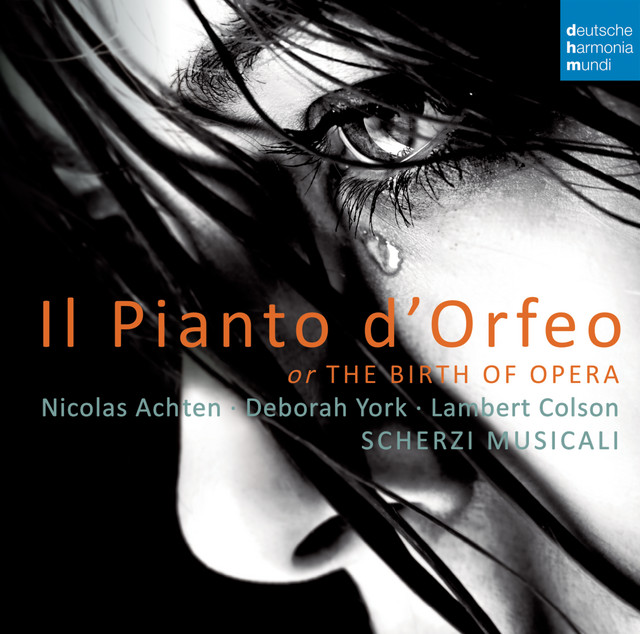
Il Pianto d'Orfeo
Nicolas Achten, Deborah York, Scherzi Musicali
Musique Ancienne
2008
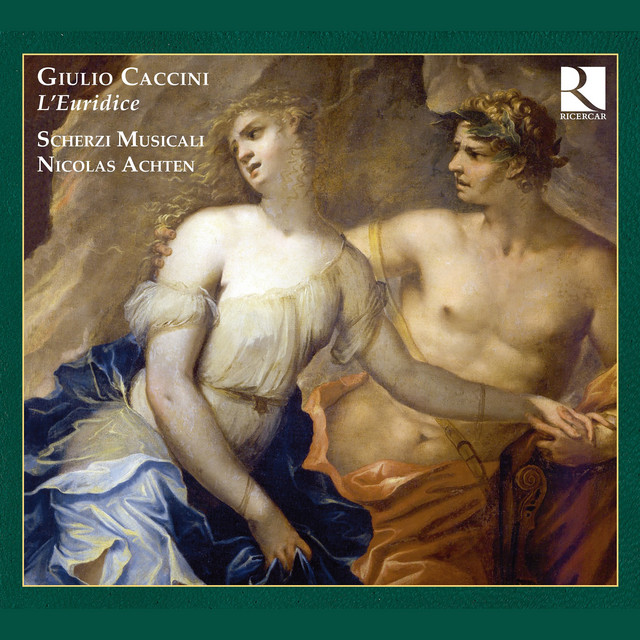
Caccini: L'Euridice
Giulio Caccini, Scherzi Musicali, Nicolas Achten
Early Music Ensemble
Similar artists
3
/5
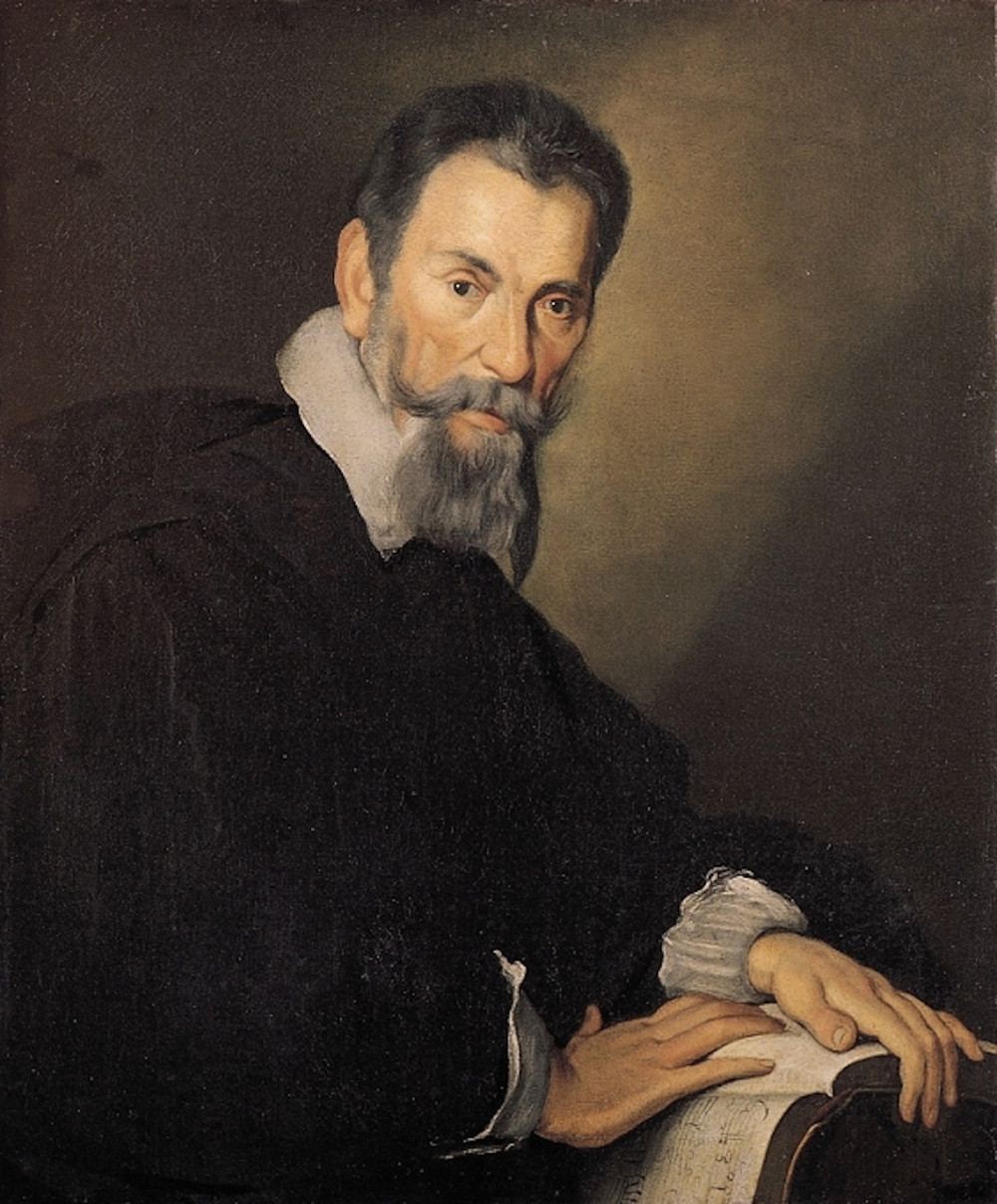
Claudio Monteverdi
Madrigal
Renaissance
Classical
4
/5
Wolfgang Amadeus Mozart
Classical
Requiem
Classical Period
4
/5
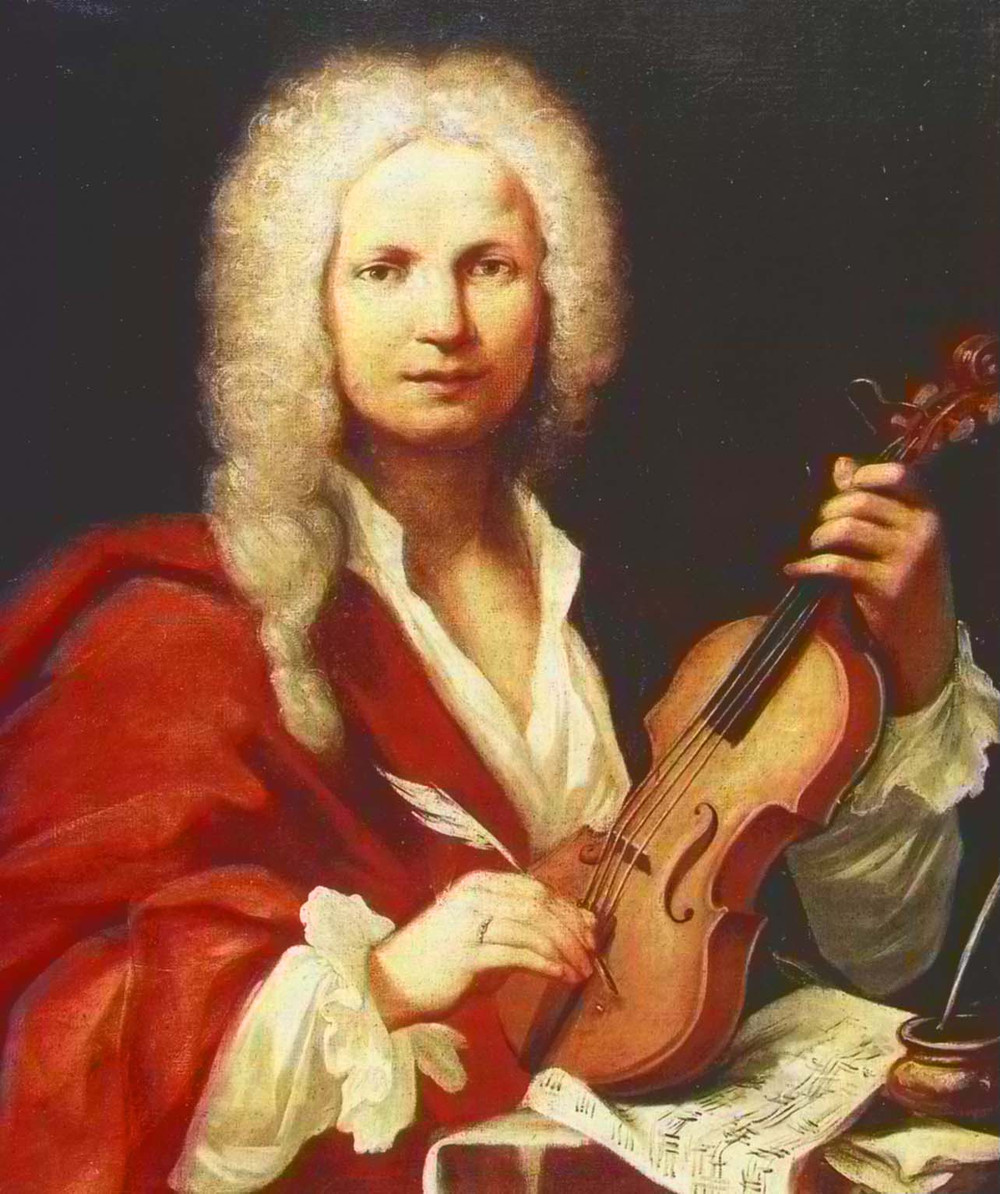
Antonio Vivaldi
Baroque
Classical
Opera Seria
4
/5
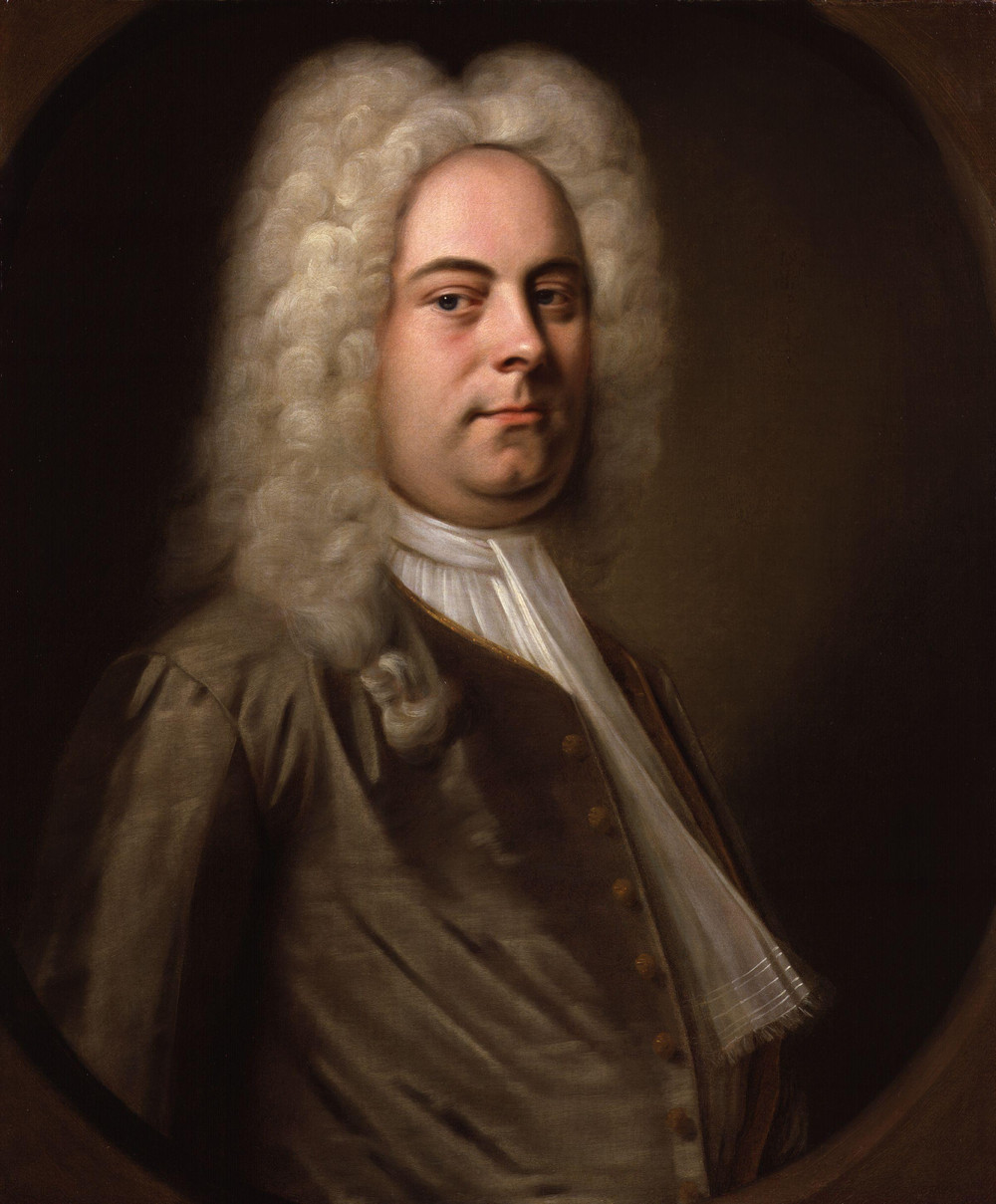
George Frideric Handel
Classical
Opera Seria
Classical Countertenor
3
/5
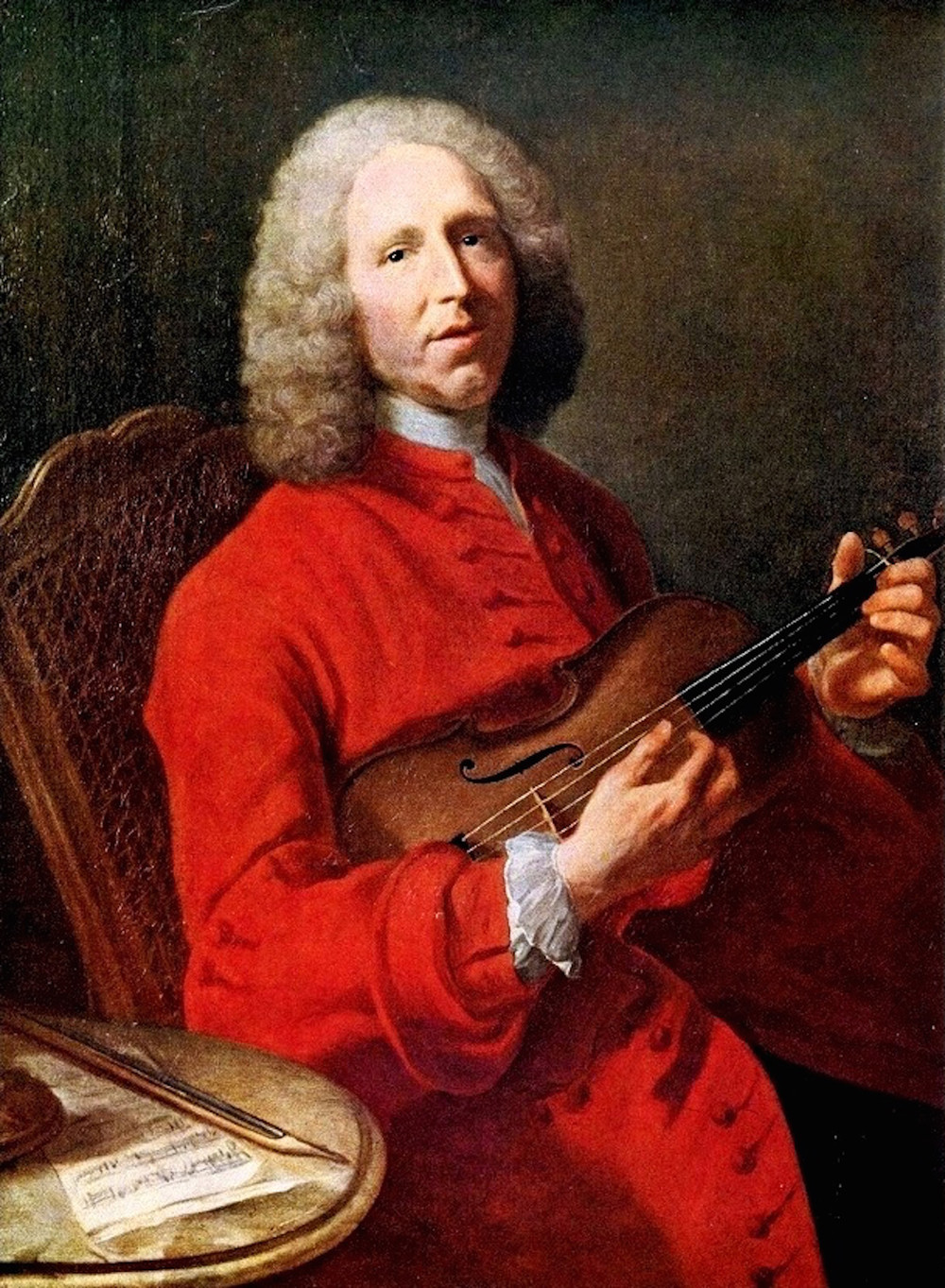
Jean-Philippe Rameau
Classical
Opera-Ballet
Tragédie En Musique
3
/5
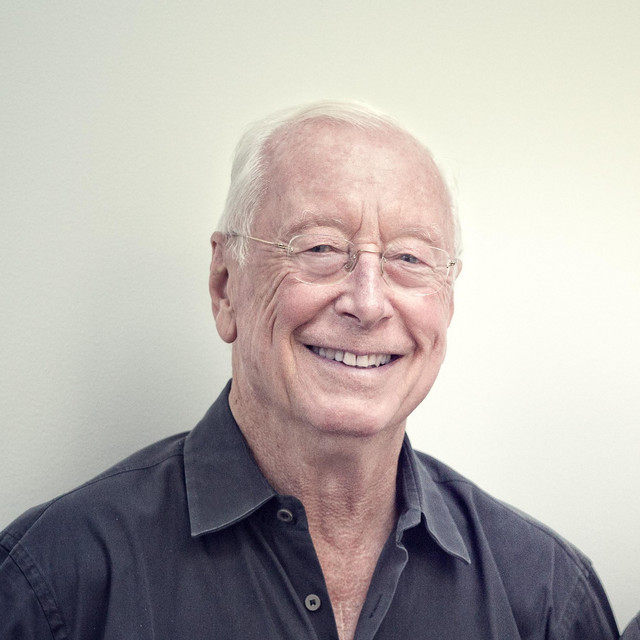
William Christie
Classical
Opera
Baroque
3
/5
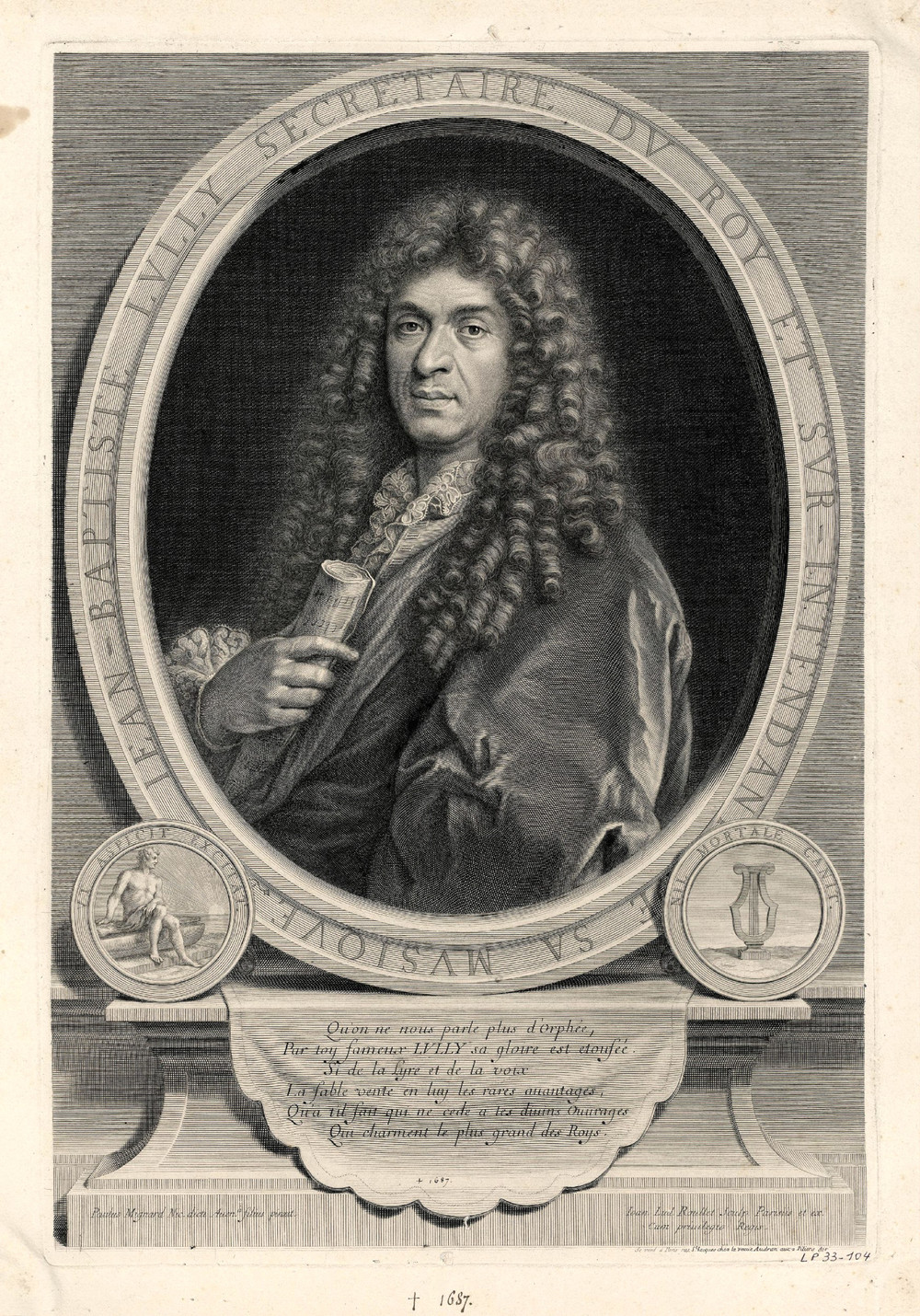
Jean-Baptiste Lully
Tragédie En Musique
Baroque
Classical
3
/5
Raphael Pichon
Baroque
Classical
Choral
3
/5
Christophe Rousset
Classical
Opera
Baroque
3
/5
Les Arts Florissants
Opera
Classical
Tragédie En Musique
Download our mobile app
Get the Melodigging app and start digging for new genres on the go
Download on the App Store
Get it on Google Play
© 2026 Melodigging
Give feedback
Legal
Melodding was created as a tribute to
Every Noise at Once
, which inspired us to help curious minds keep digging into music's ever-evolving genres.