Genres
Artists
Albums
Make Music
Sign in
Sign in
Artists
Banda
Artists
Banda
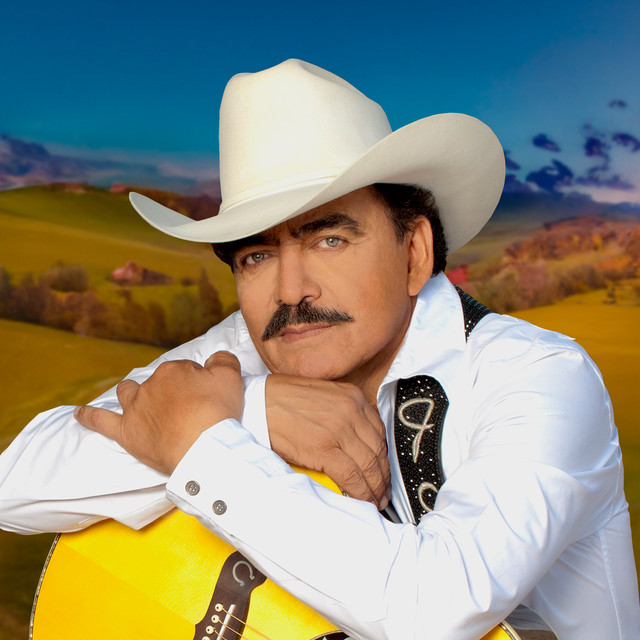
Nico Hernández
Listen
3
/5
Genres
Sad Sierreno
Sad sierreño is a Gen-Z wave within Regional Mexicano that emphasizes intimate, melancholic guitar trios, confessional lyrics, and bedroom-pop aesthetics. It retains the core sierreño instrumentation—lead 12‑string requinto, rhythm guitar, and bass—while softening dynamics, slowing tempos, and foregrounding close‑miked vocals soaked in light reverb. Lyrically it fixates on heartbreak, loneliness, youthful yearning, and bittersweet nostalgia. Musically it often toggles between bolero/vals sierreño feels in minor keys and sparse 4/4 ballads, letting fingerpicked arpeggios and melodic requinto runs carry the emotional weight. The sound rose with U.S. Mexican-American youth, using social media virality to merge traditional sierreño with lo‑fi/indie sensibilities.
Discover
Listen
New Tejano
New Tejano is a contemporary rejuvenation of Texas-Mexican (Tejano) music that blends the genre’s traditional accordion-forward polkas, cumbias, and rancheras with modern pop, R&B, and electronic production. It preserves signature elements—diatonic accordion riffs, bajo sexto strums, two-step and cumbia grooves—while embracing glossy synths, punchy drum programming, pop-leaning hooks, and bilingual storytelling. Compared with classic Tejano, New Tejano tends to favor hook-driven choruses, tighter radio/streaming song lengths, and crossover-friendly arrangements that sit comfortably alongside Latin pop and regional mexicano playlists. The result is music that still feels like a Saturday-night baile—joyful, danceable, and community-rooted—yet updated for the streaming era with contemporary sound design and a new generation of voices.
Discover
Listen
Popular Colombian Music
Popular Colombian music (música popular colombiana) is a contemporary Colombian style that fuses Mexican regional idioms—especially ranchera, corrido, norteño, and banda—with Andean-Colombian song traditions like bambuco and pasillo. Built around the emotive, dramatic vocal delivery known locally as "despecho" (heartbreak), it foregrounds cantina themes of love, loss, betrayal, and resilience, while adopting modern pop production. Brass sections (in the banda vein), trumpets in mariachi style, accordion or requinto guitars, and steady rhythm sections support songs that often move between 3/4 waltz feels and 4/4 bolero or pop-ballad grooves. The genre evolved from 1980s "música de despecho" and "carrilera" in Antioquia and the Eje Cafetero, and in the 2000s–2010s broke nationally with a new generation that blended classic themes with polished, radio-ready arrangements and crossovers with vallenato and urbano.
Discover
Listen
Banda
Banda is the traditional music of the Banda peoples of the Central African Republic and adjacent regions of the central Sudano–Congolese belt. It centers on communal performance—singers, dancers, and instrumentalists creating interlocking parts that are woven together through call-and-response and polyrhythm. Characteristic timbres include ensembles of natural horns (notably among Banda-Linda groups) that perform single-note hocketing to build complex melodic textures, wooden slit-drums used for rhythm and communication, frame and barrel drums, rattles, handclaps, transverse and end-blown flutes, and lamellophones (sanza/likembe). Vocal music ranges from antiphonal work and dance songs to ceremonial chants, often supporting life-cycle rituals, healing, hunting, and communal celebrations. Melodically, Banda repertoires commonly employ pentatonic and heptatonic pitch collections, while rhythmically they favor layered ostinati in compound meters (e.g., 12/8) and additive patterns. The music functions as living social practice, binding community, marking identity, and conveying oral history.
Discover
Listen
Ranchera
Ranchera (canción ranchera) is a traditional Mexican song genre characterized by passionate, emotive vocals; memorable, singable melodies; and direct, heartfelt lyrics about love, heartbreak, drinking, patriotism, rural life, and personal honor. Although its roots reach back to rural song traditions of the late 18th and early 19th centuries, ranchera consolidated as a national popular style before the Mexican Revolution and was later projected across Latin America through the Golden Age of Mexican cinema. The genre is commonly performed with mariachi (violins, trumpets, vihuela, guitarra, guitarrón), but it can also appear with norteño, banda, or solo voice-and-guitar arrangements. Musically, rancheras often use simple strophic or verse–chorus forms, tonal harmonies (I–IV–V with occasional secondary dominants or modulations), and meters in 3/4 (vals ranchero) or 2/4 and 4/4 (ranchera alegre or ranchera lenta). Vocal delivery features expressive rubato, dramatic dynamic arcs, and the iconic grito (a shouted cry) between phrases.
Discover
Listen
Similar artists
4
/5
Espinoza Paz
Banda
Grupera
Mariachi
4
/5
Jessi Uribe
Vallenato
Popular Colombian Music
Ranchera
3
/5
Lukas Bloom
Popular Colombian Music
Banda
Ranchera
5
/5
La Arrolladora Banda El Limón De Rene Camacho
New Tejano
Movimiento Alterado
Laboratorio
4
/5
Eden Muñoz
Norteño
Banda
Corrido
5
/5
Grupo Frontera
Tejano
Cumbia Norteña Mexicana
Grupera
5
/5
Carín León
Regional Mexicano
Alternative Country
Latin
5
/5
Grupo Firme
Grupera
Ranchera
Norteño
5
/5
Banda MS de Sergio Lizárraga
Banda Sinaloense
Regional Mexicano
Bandas De Viento De México
5
/5
Joan Sebastian
Grupera
Mariachi
Ranchera
Download our mobile app
Get the Melodigging app and start digging for new genres on the go
Download on the App Store
Get it on Google Play
© 2026 Melodigging
Give feedback
Legal
Melodding was created as a tribute to
Every Noise at Once
, which inspired us to help curious minds keep digging into music's ever-evolving genres.