Genres
Artists
Albums
Make Music
Sign in
Sign in
Artists
Basshall
Artists
Basshall
Nesly
Listen
3
/5
Genres
Sexy Drill
Sexy drill is a contemporary offshoot of drill that blends the genre’s signature sliding 808s, icy textures, and syncopated hi-hats with flirtatious, romantic, and often explicitly sensual lyrics. Where traditional drill leans into menace and street reportage, sexy drill softens the edges with melodic hooks, R&B-inflected toplines, and playful, self-assured delivery. The result is a club-ready, fashion-forward sound that keeps the rhythmic bite of UK/NY drill but swaps violent imagery for confident seduction and intimate narratives. Production typically sits around 138–145 BPM with gliding bass, chopped vocal stabs, airy pads, and bright percussive details. Vocals may alternate between rapped verses and sung refrains, frequently enhanced by tasteful Auto-Tune and ad‑libs that heighten the sultry mood.
Discover
Listen
Maimouna
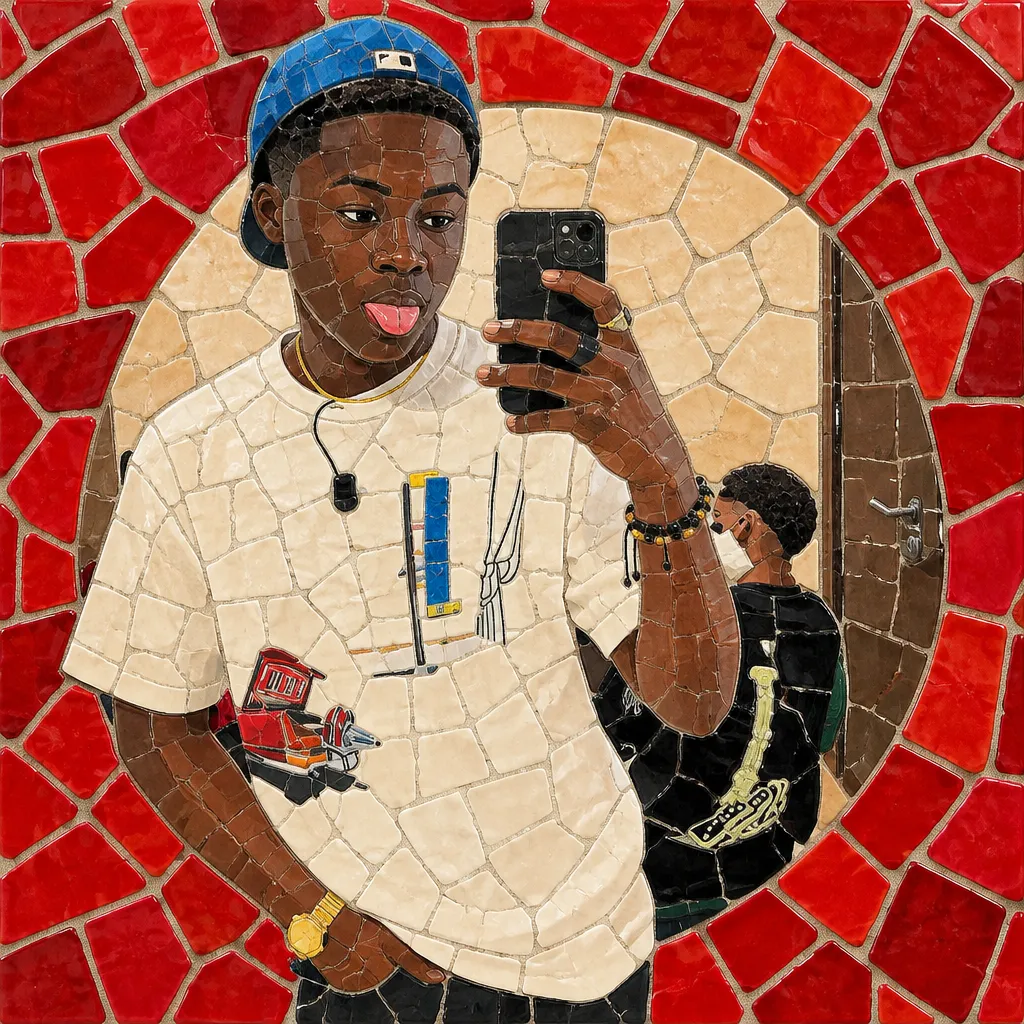
Maimouna is a contemporary Francophone West- and Central‑African club style and dance craze that emerged in the early 2020s, most strongly associated with Côte d’Ivoire’s hyperactive urban party scene. It blends upbeat Afropop songcraft with street‑level chant, call‑and‑response hooks, and kinetic, percussion‑forward beats designed for viral dance challenges. Typical tracks ride a mid‑fast 100–118 BPM groove with shaker and cowbell patterns, handclaps, snare rushes, and short synth stabs or guitar licks. Vocals often mix Nouchi (Ivorian street slang) with French, using playful boasts, dance instructions, and catchy refrains. The production is bright and punchy, favoring simple harmonic loops so the crowd‑energy, chants, and choreography lead the experience.
Discover
Listen
Basshall
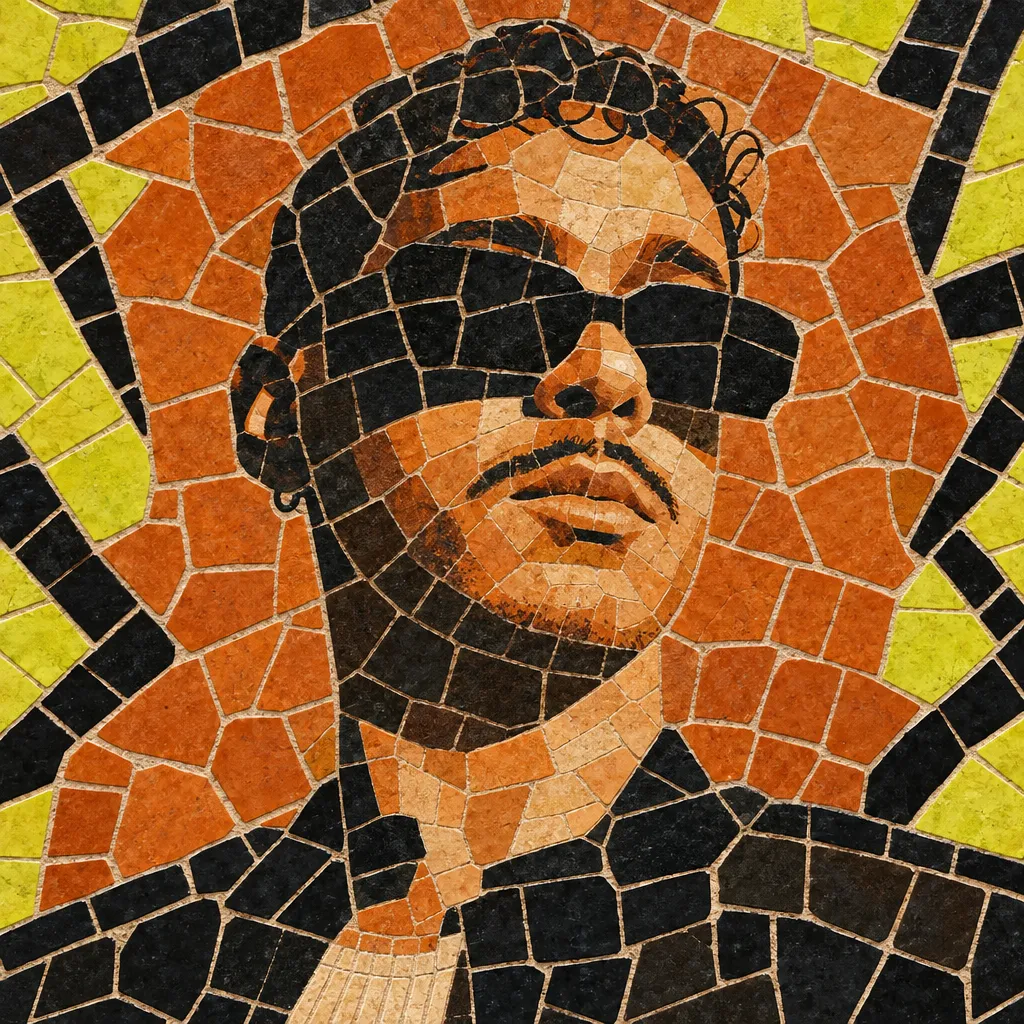
Basshall is a club-focused fusion of modern dancehall riddims with the sound design and drops of bass-heavy EDM. It keeps the dembow-derived, off‑beat swing of Jamaican dancehall while layering sub‑driven 808s, aggressive synths, and festival‑ready builds and drops borrowed from trap, electro house, and UK bass. Typical tempos sit around 95–110 BPM (or 130–140 BPM with a halftime feel). Vocals often draw on Jamaican patois toasting or catchy pop hooks, and arrangements alternate between groove-led verses and explosive, sound‑system drops. Emerging from European (especially Dutch) club culture and the global‑bass scene, Basshall spreads dancehall’s energy into big‑room contexts without losing its Caribbean rhythmic DNA.
Discover
Listen
Kompa Gouyad
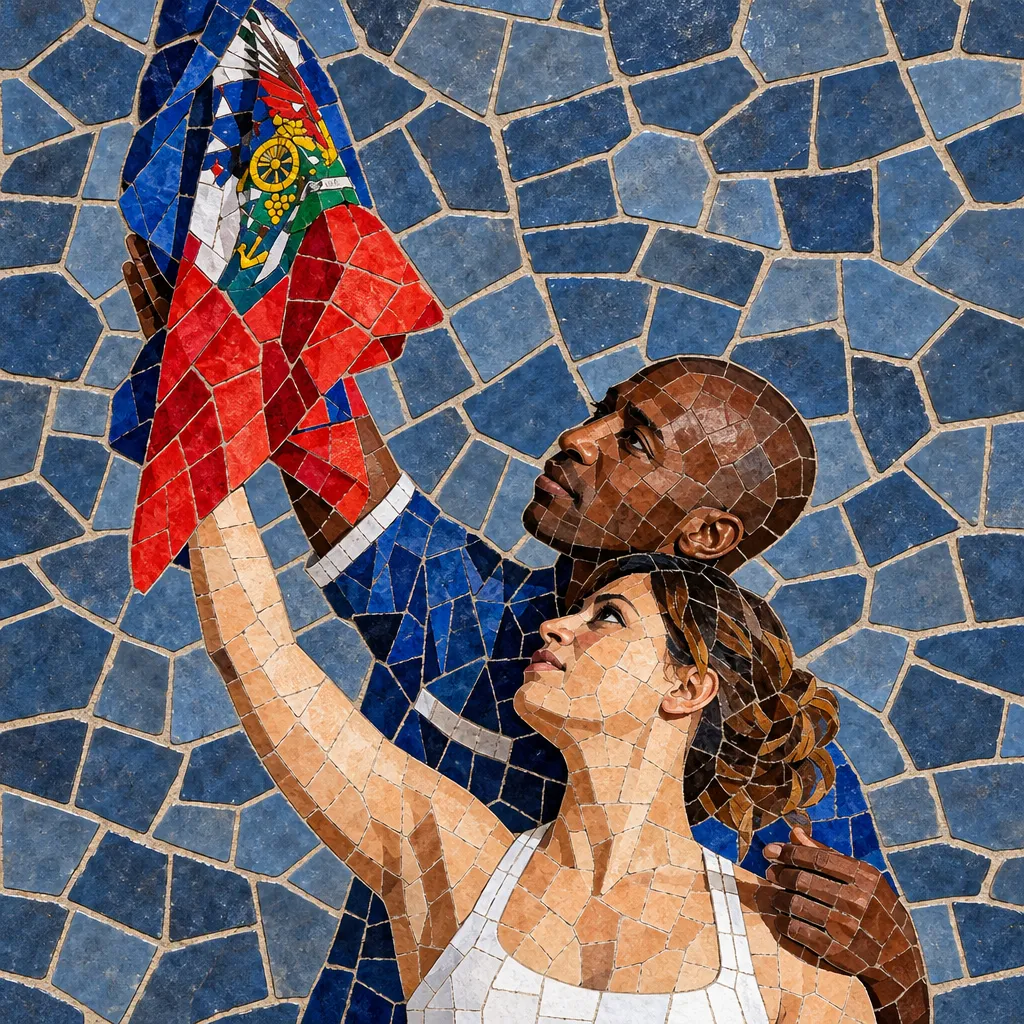
Kompa gouyad is a sensual, slow‑to‑mid‑tempo strain of Haitian konpa (compas) that centers the dance known as “gouyad” (Creole for a rolling, grinding waist movement). It stretches konpa’s four‑on‑the‑floor pulse into languid grooves, foregrounding warm bass lines, velvety keyboards, palm‑muted guitar comping, and romantic, melismatic vocals. Compared to faster party konpa, gouyad favors space and sustain: extended vamps, breakdowns designed for the floor, and lyrical themes of love, longing, and seduction. Typical tempos sit roughly between 80–100 BPM (often 85–95), with a steady kick on each beat, a syncopated bass that locks to the drum’s subdivisions, bright guitar meringue figures, and congas/cowbell ornaments that gently propel the groove without crowding it. While rooted in classic konpa and Haitian méringue, kompa gouyad also absorbs the smoother textures of zouk/zouk love and contemporary R&B balladry, making it a modern, diaspora‑shaped sound equally at home in Port‑au‑Prince, Miami, Montréal, and Paris.
Discover
Listen
Ori Deck
Ori deck is an electronic dance music micro-genre built around sluggish, kick-heavy dembow rhythms. It incorporates the swung, mid-tempo bounce of moombahton and the weighty low-end design of dubstep. The style is typically driven by an insistent kick pattern, dembow-inspired syncopation, and sub-bass drops, creating a club-ready but deliberately “slow and heavy” groove.
Discover
Listen
Shatta
Shatta is a raw, high-energy French Caribbean take on dancehall that crystallized in the 2010s within the Guadeloupe–Martinique scene. It is powered by hard-hitting dembow-derived grooves, booming 808 sub-bass, clipped snares, and sirens/airhorns designed for clubs and car sound systems. Vocals—often in Antillean Creole and French—favor short, repetitive hooks, call-and-response chants, and provocative, party-focused or streetwise themes. Stylistically, Shatta blends Jamaican dancehall attitude with local French Antillean aesthetics (and some bouyon drive), plus trap-era sound design. The result is an aggressive, minimal, dancefloor-first sound that’s immediately “bashment” in feel yet distinct to the FWI (French West Indies).
Discover
Listen
Trap Antillais
Trap antillais is a French-Caribbean take on trap that fuses Atlanta-derived 808-driven beats with the rhythmic DNA of the French Antilles (Martinique, Guadeloupe, and the wider French Caribbean). Producers blend halftime drums, skittering hi-hat triplets, and sub‑heavy 808 slides with dancehall riddim sensibility and local grooves. Songs typically switch between hard-edged rap delivery and singjay/melodic hooks, often in Antillean Creole (kréyol) and French. Zouk/kompa-style offbeat patterns and bright Caribbean timbres (plucks, bells, steelpan or marimba-like synths) color the minimalist trap palette, yielding a style that is at once street-focused and club-ready. Lyrical themes range from braggadocio and crew solidarity to love/relationship narratives and island life, filtered through a contemporary, social‑media‑native aesthetic.
Discover
Listen
Urban Kiz
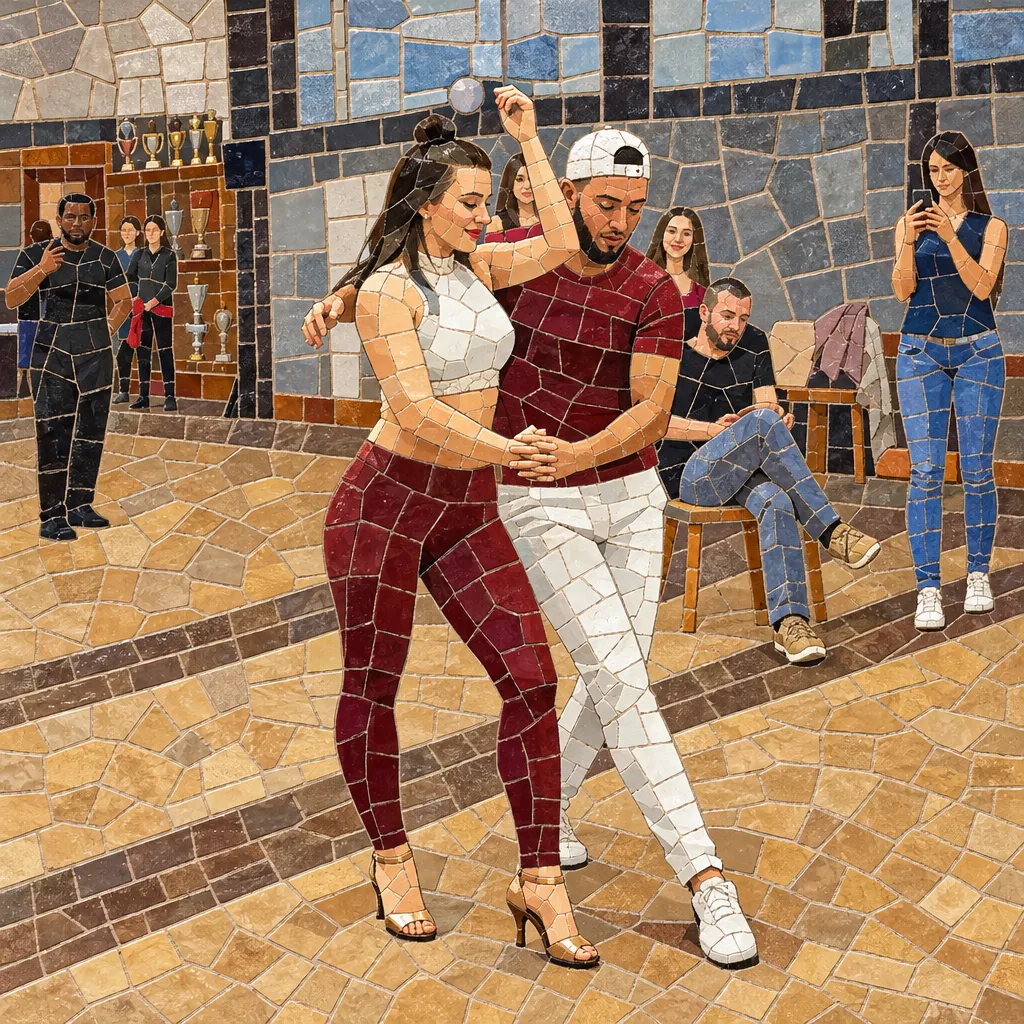
Urban Kiz is a contemporary, club-oriented offshoot of kizomba that took shape in Europe—especially in Paris—in the early-to-mid 2010s. It adapts the sensual, close-connection feel of kizomba to straighter, trap- and R&B-influenced beats with pronounced bass lines, crisp hi‑hats, and engineered breaks that suit the stop‑and‑go aesthetics of Urban Kiz social dancing. Musically, it favors 4/4 grooves around 88–102 BPM, less of the lilting/zouk swing found in classic kizomba, and more linear phrasing with dramatic drops, filters, and space for micro-pauses. Vocals (often in Portuguese, French, Cape Verdean Creole, or English) may be original toplines, sampled phrases, or R&B‑style hooks layered over sleek electronic production. Producers frequently label releases or remixes specifically for "Urban Kiz" floors, reinforcing the genre’s identity within the partner‑dance scene.
Discover
Listen
French R&b
French R&B (R&B français) is a francophone take on contemporary R&B that blends sleek, groove‑driven production with French pop sensibilities and urban slang. It typically features smooth, melismatic vocals, mid‑tempo rhythms, and lush harmonies, while drawing on hip‑hop’s drum programming and featured rap verses. Shaped by France’s multicultural scene, the style often integrates influences from raï and zouk as well as US new jack swing and neo‑soul. Lyrics commonly explore love, vulnerability, empowerment, and everyday city life, delivered in conversational French (sometimes with verlan, Arabic, Lingala, or English code‑switching). Since the 2010s, the sound has increasingly absorbed Afrobeats/afropop grooves and trap‑era textures, widening its appeal across the francophone world.
Discover
Listen
Kizomba
Kizomba is a smooth, romantic dance-music style that originated in Angola, blending the melodic sensibilities of local semba with the lush, slow-tempo grooves of Caribbean zouk. Typically set in 4/4 time around 86–100 BPM, it emphasizes a deep, round sub‑bass, sparse drum programming, and gently syncopated percussion that encourages close, flowing partner movement. Arrangements favor silky synth pads, clean electric guitar arpeggios or comping, and R&B-influenced vocals in Portuguese and other Angolan or Cape Verdean languages. Lyrical themes gravitate to love, intimacy, nostalgia, and urban life. Over time, kizomba diversified into substyles (such as the even sparser, bass-forward tarraxinha) and spread through the Lusophone diaspora, especially in Portugal, before becoming a global social-dance phenomenon.
Discover
Listen
Zouk
Zouk is a high-energy dance music that originated in the French Caribbean (Guadeloupe and Martinique) in the early 1980s, crystallized by the band Kassav’. It blends Haitian compas (kadans) with local folk rhythms and the glossy production aesthetics of disco, funk, and early electronic pop. Early “zouk béton” emphasized driving, tightly arranged rhythms, bright synth-brass stabs, and call-and-response vocals. A slower, smoother branch known as “zouk love” followed, foregrounding romantic lyrics, silky harmonies, and sensual grooves. Sung primarily in Antillean Creole and French, zouk is both a party soundtrack and a cultural statement of Caribbean identity.
Discover
Listen
Compas
Compas (also spelled konpa or compas direct) is Haiti’s modern, méringue-based dance music. It features a steady, driving groove, lyrical melodies, and tight horn or synth hooks designed for continuous social dancing. The style blends Haitian méringue rhythms with jazz and Afro‑Cuban/Latin elements, typically in a mid‑tempo 4/4. A locked‑in drum/cowbell pattern, syncopated bass ostinatos, percussive rhythm guitar, keyboards playing montuno-like figures, and call‑and‑response vocals in Haitian Creole or French are core traits. Since the late 1970s, electronic keyboards and drum machines have been common, but the feel remains warm, romantic, and unshakably danceable.
Discover
Listen
Show all 12 genres
Similar artists
4
/5
Joé Dwèt Filé
Kizomba
Zouk
Shatta
3
/5
Kim
Afro Drill
Basshall
Compas
3
/5
Jeady Jay
Kizomba
Zouk
Compas
3
/5
Ya Levis
Kizomba
Zouk
Afro Drill
3
/5
Kalipsxau
Maloya
Reunion Pop
Basshall
3
/5
SenSey'
Afro Drill
Compas
French R&b
3
/5
Lisandro Cuxi
Compas
French R&b
Kizomba
3
/5
Says'z
Afrobeats
Basshall
Compas
3
/5
Slaï
Compas
French R&b
Kizomba
3
/5
Kany
Compas
French R&b
Kizomba
Download our mobile app
Get the Melodigging app and start digging for new genres on the go
Download on the App Store
Get it on Google Play
© 2026 Melodigging
Give feedback
Legal
Melodding was created as a tribute to
Every Noise at Once
, which inspired us to help curious minds keep digging into music's ever-evolving genres.