Genres
Artists
Albums
Make Music
Sign in
Sign in
Artists
Traditional Music
Artists
Traditional Music
Nazif Celaj
2007
·
1 album
Listen
1
/5
Genres
Traditional Music
Traditional music is an umbrella term used in the mid–20th century by folklorists and ethnomusicologists to denote community-rooted, orally transmitted repertoires tied to social ritual, work, celebration, and storytelling. Unlike commercial pop or art-music traditions, traditional music is typically learned by ear, varies regionally, and evolves slowly through communal participation. It often features modal melodies, cyclic rhythms, heterophony or unison singing, and indigenous instruments whose timbres are integral to local identity. Lyrics tend to preserve language, history, and collective memory. While the musical practices themselves can be ancient, the phrase “traditional music” emerged to replace earlier, narrower or colonial framings like “folk” or “ethnic” music, foregrounding continuity, locality, and living practice rather than exoticism.
Discover
Listen
Albanian Folk Music
Albanian folk music encompasses a rich tapestry of northern Gheg epic song traditions and southern Tosk iso‑polyphony, shaped by centuries of life in the Balkans and the eastern Mediterranean. The northern repertories center on narrative ballads and heroic epics accompanied by the single‑string lahuta and the two‑string çifteli, alongside flutes (fyell) and frame drums. In the south, small saze ensembles (clarinet, violin, llautë/lute, accordion, and frame drum) support highly ornamented melodies and the celebrated iso‑polyphonic singing whose sustained drone (iso) underpins interlocking solo and choral parts. Melodically, Albanian folk often uses modal scales with augmented seconds and melisma reminiscent of maqam and Byzantine chant, while rhythmically it spans simple duple dances to asymmetric aksak meters (5/8, 7/8, 9/8, 11/8). Lyrics portray love, landscape, exile, and honor (besa), with regional colors that remain distinct yet complementary across the country and the Albanian‑speaking world.
Discover
Listen
Lab Polyphony
Lab polyphony is a traditional style of Albanian iso‑polyphonic singing from the Labëria region in the south of Albania. It is performed a cappella by small groups who divide into fixed vocal roles over a sustained group drone (iso). Typically four parts are used: the lead (marrës) begins the line, the turner (kthyes) answers or turns the melody, the cutter/thrower (prerës/hedhës) adds sharp interjections and ornamented lines, and the rest of the ensemble sustains the ison drone, often on open vowels. The result is a raw, tightly woven texture marked by close intervals, glissandi, microtonal inflections, and a strong, nasal timbre distinctive to the Lab style. Texts range from laments and epic-historical narratives to wedding and work songs, and performances are usually semi‑circles of singers at festivals or village gatherings. Lab polyphony is recognized as part of the broader Albanian iso‑polyphonic tradition inscribed by UNESCO as Intangible Cultural Heritage.
Discover
Listen
Albums
2007
1
/5
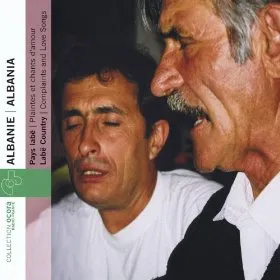
Albanie: Pays Labë, plaintes et chants d'amour
Nazif Celaj, Nikolin Likaj, Arap Celoleskaj, and Fatbardha Brahimi
Lab Polyphony
Albanian Folk Music
Similar artists
1
/5
Polyphonic Group of Ghirokaster
Traditional Folk
Traditional Music
Albanian Folk Music
1
/5
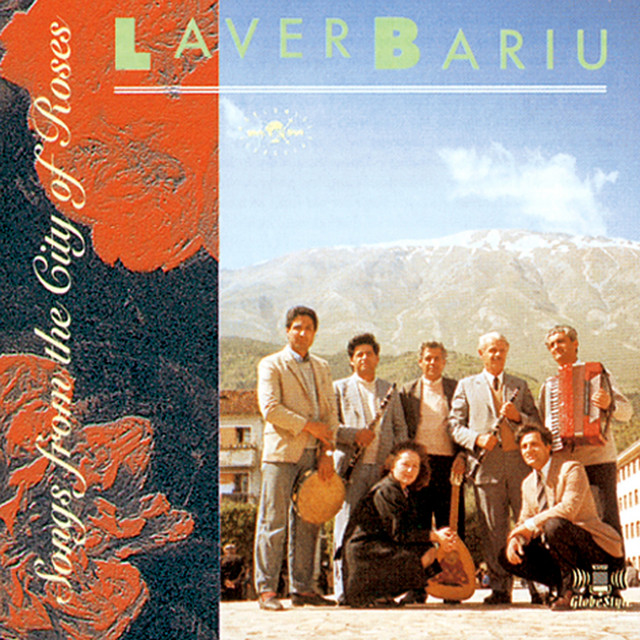
Laver Bariu
Traditional Folk
Traditional Music
Albanian Folk Music
1
/5
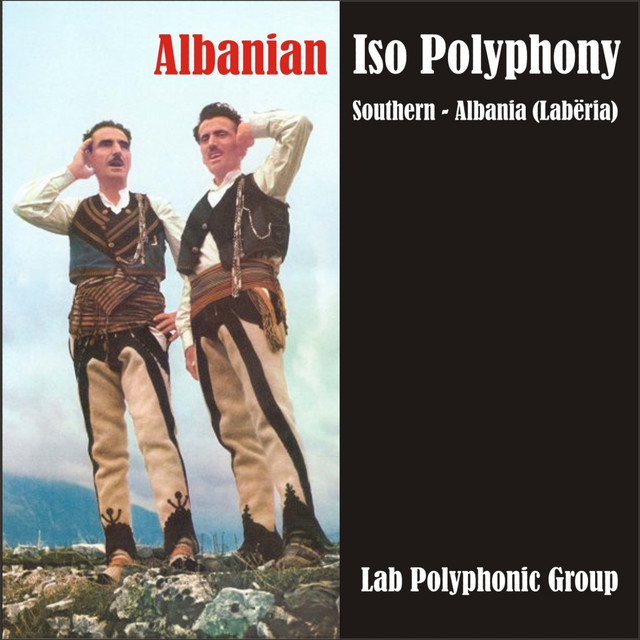
Lab Polyphonic Group
Albanian Folk Music
Lab Polyphony
3
/5
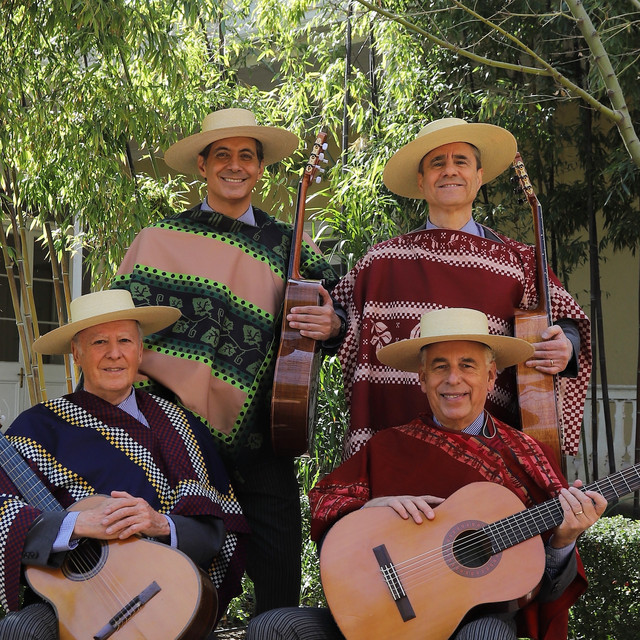
Los Huasos Quincheros
Tonada Chilena
Folclor Andino
Musica Nublensina
3
/5
Ntencane
Traditional Music
3
/5
Duma
Traditional Music
3
/5
Khuzani
Traditional Music
Maskanda
3
/5
Benny Mayengani
Maskanda
Traditional Music
3
/5
J JOHN THE BIG BABY
Traditional Music
Private School Piano
Bolobedu House
3
/5
Chief Stephen Osita Osadebe
Traditional Music
Fuji
Highlife
Download our mobile app
Get the Melodigging app and start digging for new genres on the go
Download on the App Store
Get it on Google Play
© 2026 Melodigging
Give feedback
Legal
Melodding was created as a tribute to
Every Noise at Once
, which inspired us to help curious minds keep digging into music's ever-evolving genres.