Genres
Artists
Albums
Make Music
Sign in
Sign in
Artists
Folk Punk
Artists
Folk Punk
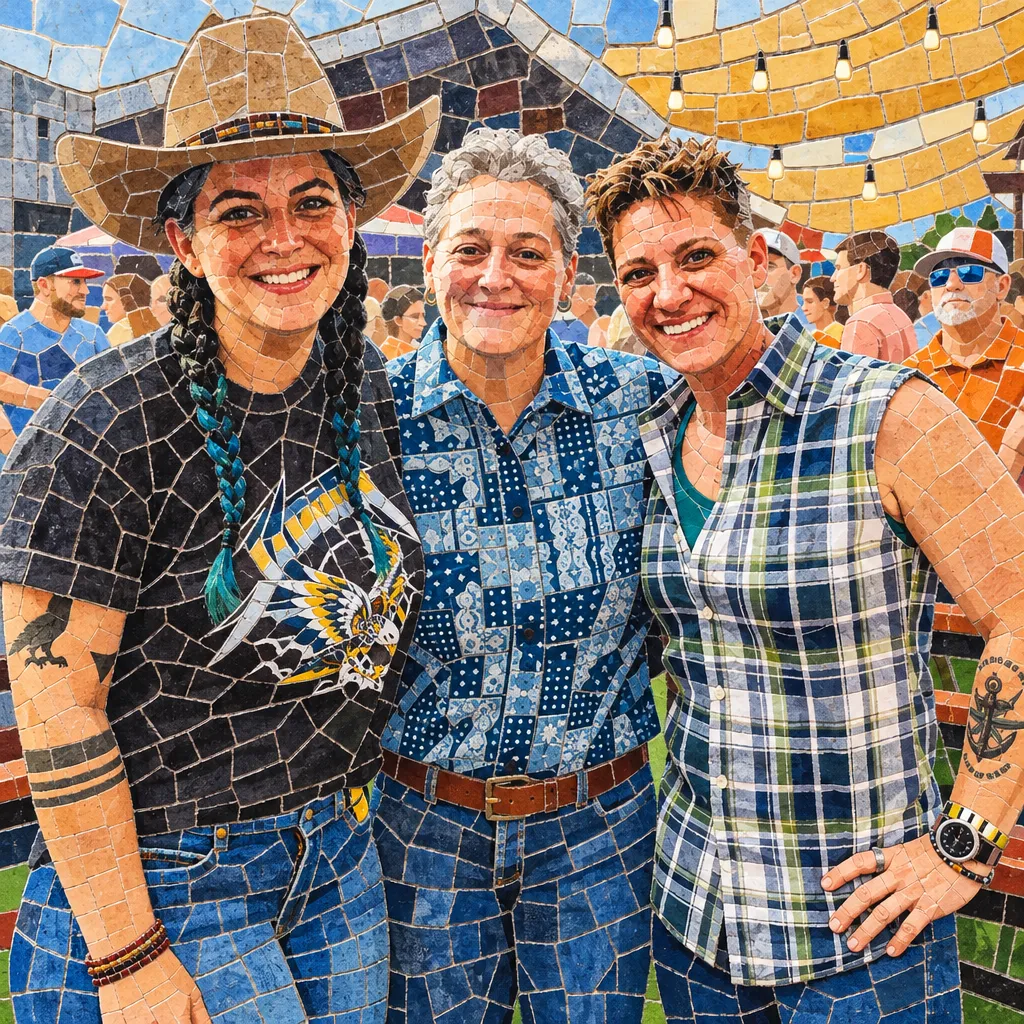
Nana Grizol
2008–2017
·
3 albums
Listen
2
/5
Genres
Modern Ska Punk
Modern ska punk is a 2010s–2020s reboot of ska’s off‑beat guitar “skank” and brass arrangements fused with pop‑punk hooks, hardcore energy, and contemporary indie/DIY production. It keeps Jamaican ska’s upstroke rhythm and walking bass feel, but toggles to double‑time punk beats and distortion for choruses, foregrounding big gang vocals and tightly voiced horn stabs. Culturally, the scene coalesced around inclusive, explicitly anti‑racist/anti‑sexist, queer‑affirming DIY communities (e.g., Bad Time Records), and a new crop of bands that treat ska not as nostalgia but as a flexible songwriting language. High‑profile signals of the revival included Jeff Rosenstock’s 2021 full‑album ska rework SKA DREAM, and We Are the Union’s Ordinary Life, a trans‑affirming, hook‑forward ska‑punk LP. The term “New Tone,” popularized by members of Bad Operation, captures a cleaner, roots‑aware but forward‑looking branch of the sound.
Discover
Listen
Small Room
Small room is a contemporary micro‑genre that sits near bedroom pop and intimate indie folk, defined by hushed, close‑miked vocals, minimal arrangements, and soft dynamics. Its recordings emphasize the natural, dry sound of a single space—often literally a small room—creating an intimate, confessional atmosphere. Typical instrumentations include gentle acoustic or clean electric guitar, soft piano, understated electronic drums, and airy pads or lo‑fi textures. Tempos are moderate to slow, harmonic movement is simple and diatonic, and lyrics focus on introspection, relationships, and everyday detail. The overall aesthetic privileges understatement, warmth, and proximity, as if the artist were singing a private demo directly to the listener.
Discover
Listen
Modern Jangle Pop
Modern jangle pop is a contemporary revival of the classic jangle sound, built around clean, chiming, and often lightly compressed single‑coil or 12‑string guitar tones that articulate bright arpeggios and strummed eighth‑notes. It blends the melodic immediacy and hook craft of indie pop and power pop with the wistful, literate sensibility of C86 and college‑rock, frequently favoring concise song forms, melodic basslines, and tight, propulsive rhythms over heaviness. Compared to its 1980s forebears, modern jangle pop often incorporates subtle dream‑pop shimmer, tasteful reverb, and a polished yet intimate production aesthetic associated with contemporary indie. Lyrically it leans bittersweet and nostalgic, framing everyday moments, fleeting romance, and young‑adult anxieties in tuneful, singable choruses.
Discover
Listen
Queer Country
Queer country is a contemporary movement within country and Americana that centers LGBTQ+ voices, stories, and aesthetics while keeping strong ties to classic country songwriting, instrumentation, and vocal styles. Musically, it often draws from traditional country, outlaw country, honky-tonk, and folk-country, but its defining feature is lyrical perspective: songs about queer love, gender expression, chosen family, rural/working-class life, and the tension between tradition and belonging. Rather than being a single fixed sound, queer country is best understood as a scene and cultural re-framing of country music—one that challenges the genre’s historic heteronormativity while celebrating its narrative power and community roots.
Discover
Listen
Elephant 6
Elephant 6 refers to the loose collective and label (Elephant 6 Recording Co.) that coalesced in the early–mid 1990s around a core of friends who made kaleidoscopic, 1960s-influenced psychedelic pop with a fiercely DIY, analog ethos. Sonically, the "Elephant 6 sound" blends psychedelic pop and sunshine pop melodicism with lo‑fi tape warmth, fuzzy guitars, Mellotron/organ, brass and strings, stacked vocal harmonies, and whimsical tape collages or musique concrète interludes. Songs often nod to The Beatles/Beach Boys baroque pop craft, but are recorded on 4‑track or other modest setups that emphasize saturated color, home‑spun texture, and playful experimentation. More than a single band or rigid genre, it is a scene and aesthetic centered on community, cross‑pollination, and collective authorship—rooted primarily in Athens, Georgia and Denver, Colorado in the United States.
Discover
Listen
Folk Punk
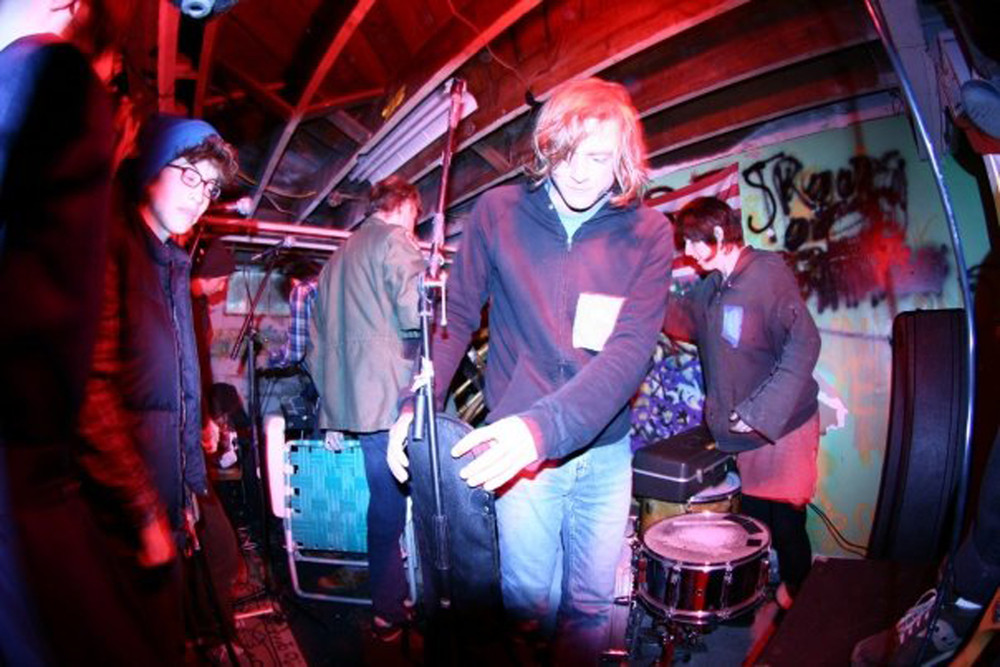
Folk punk fuses the raw speed, attitude, and DIY ethos of punk with the acoustic instruments, storytelling, and melodic traditions of folk. It often features shouted sing‑alongs, gang vocals, and energetic strumming alongside fiddles, accordions, banjos, and acoustic guitars. Lyrically, the genre ranges from personal confessionals and working‑class narratives to pointed political critique and anti‑establishment themes. Production can be intentionally rough or lo‑fi, reflecting its busking roots and community‑first approach to performance.
Discover
Listen
Indie Rock
Indie rock is a subgenre of rock and a branch of alternative rock that coalesced in the early–mid 1980s around independent labels and DIY practices in the United Kingdom, the United States, and New Zealand. Defined less by a single sound than by an ethos, indie rock favors non‑mainstream approaches, self‑recording and small‑label distribution, and an interest in pop‑informed melody and eclectic experimentation. Hallmarks include jangly or fuzzed guitars, intimate or deadpan vocals, off‑kilter song structures, and production that often preserves a raw, “authentic” feel rather than glossy studio polish.
Discover
Listen
Alternative Rock
Alternative rock is a broad umbrella for guitar-based rock that emerged from the independent and college-radio scenes as a counterpoint to mainstream, commercial rock. It blends the energy and ethos of punk with the textural and songwriting experiments of post-punk, new wave, jangle pop, and noise rock, often foregrounding introspective or socially aware lyrics. Across its many strains—from the melodic minimalism of college rock to the loud-quiet-loud dynamics of grunge and the artful experimentation of Radiohead-era modernism—alternative rock prioritizes authenticity, sonic individuality, and a do-it-yourself approach. Its sound ranges from chiming, chorus-laden clean guitars to abrasive distortion and feedback, supported by straightforward rock rhythms or off-kilter grooves, and production that can be either raw and live-sounding or polished yet unconventional.
Discover
Listen
Anti-Folk
Anti-folk is a subversive, DIY-minded offshoot of folk that blends the confessional songwriting of the 1960s coffeehouse scene with the irreverence, speed, and attitude of punk. It favors raw, often lo-fi production, simple chord progressions, direct melodies, and sardonic, self-aware lyrics that skewer both mainstream pop and earnest folk orthodoxy. Performances typically feel intimate and unvarnished, privileging personality, humor, and immediacy over polish. The scene coalesced around New York City’s Lower East Side/East Village in the 1980s and 1990s, later inspiring companion scenes in the UK and Europe. Anti-folk’s tone ranges from playful and comedic to biting and political, but it consistently celebrates individuality, candor, and a hand-made aesthetic.
Discover
Listen
Rock
Rock is a broad family of popular music centered on amplified instruments, a strong backbeat, and song forms that foreground riffs, choruses, and anthemic hooks. Emerging from mid‑20th‑century American styles like rhythm & blues, country, and gospel-inflected rock and roll, rock quickly expanded in scope—absorbing folk, blues, and psychedelic ideas—while shaping global youth culture. Core sonic markers include electric guitar (often overdriven), electric bass, drum kit emphasizing beats 2 and 4, and emotive lead vocals. Rock songs commonly use verse–chorus structures, blues-derived harmony, and memorable melodic motifs, ranging from intimate ballads to high‑energy, stadium‑sized performances.
Discover
Listen
Folk
Folk is a song-centered acoustic tradition rooted in community storytelling, everyday life, and social history. It emphasizes clear melodies, simple harmonies, and lyrics that foreground narrative, protest, and personal testimony. As a modern recorded genre, folk coalesced in the early-to-mid 20th century in the United States out of older ballad, work song, and rural dance traditions. It typically features acoustic instruments (guitar, banjo, fiddle, mandolin, harmonica), strophic song forms, and participatory singing (choruses, call-and-response).
Discover
Listen
Show all 11 genres
Albums
2017
2
/5
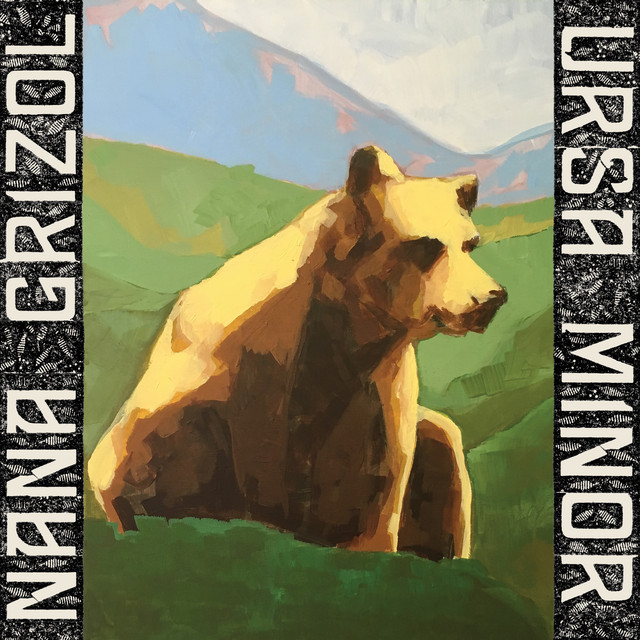
Ursa Minor
Nana Grizol
Elephant 6
Folk
Indie Rock
2010
2
/5
Ruth
Nana Grizol
Elephant 6
Alternative Rock
Indie Rock
2008
2
/5
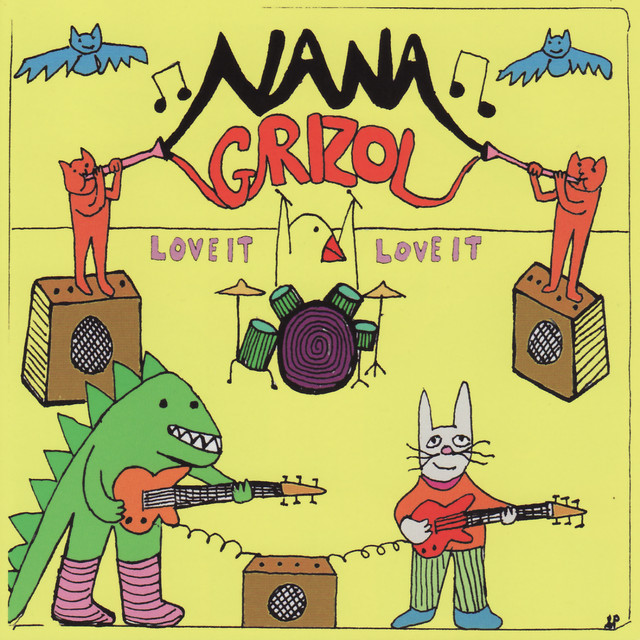
Love It Love It
Nana Grizol
Folk Punk
Elephant 6
Alternative Rock
Similar artists
3
/5
Neutral Milk Hotel
Elephant 6
Indie Rock
Rock
1
/5
Various Artists
Afro-Funk
Alternative Rock
Ambient
3
/5
Violent Femmes
Folk Punk
Alternative Rock
Grunge Revival
4
/5
Modern Baseball
Math Rock
Folk Punk
Midwest Emo
4
/5
The Front Bottoms
New Jersey Indie
Folk Punk
Midwest Emo
2
/5
The Ladybug Transistor
Tape Club
Elephant 6
Alternative Rock
3
/5
The Mountain Goats
New Weird America
Indie Folk
Rock
3
/5
of Montreal
Elephant 6
Rock
Indie Rock
5
/5
Arctic Monkeys
Garage Rock
Indie
Indie Rock
5
/5
The Strokes
Alternative Rock
Garage Rock
Indie Rock
Download our mobile app
Get the Melodigging app and start digging for new genres on the go
Download on the App Store
Get it on Google Play
© 2026 Melodigging
Give feedback
Legal
Melodding was created as a tribute to
Every Noise at Once
, which inspired us to help curious minds keep digging into music's ever-evolving genres.