Genres
Artists
Albums
Make Music
Sign in
Sign in
Artists
Retro Metal
Artists
Retro Metal
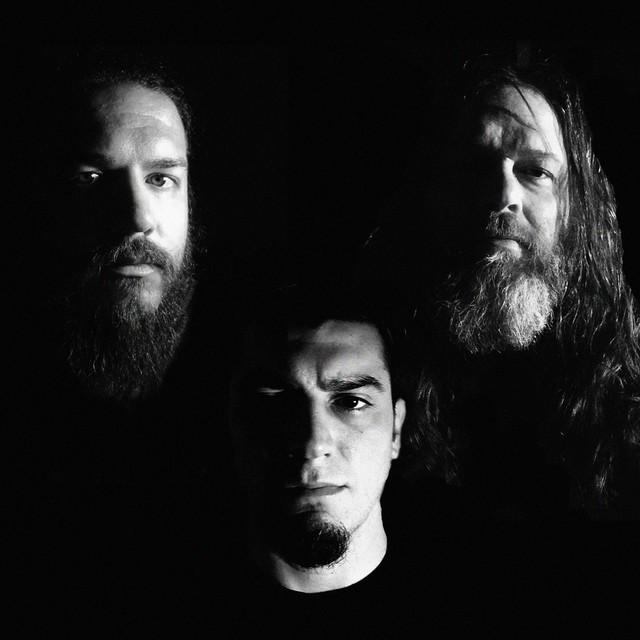
Mos Generator
2014–2018
·
3 albums
Listen
2
/5
Genres
Retro Metal
Retro metal is a 2000s-era revival of the riff-first, analog-warm heavy sounds associated with 1970s/early‑1980s hard rock and classic metal. Its bands deliberately echo the era’s fuzzy guitar tones, blues-rooted riffs, occult/psychedelic aesthetics, and live-in-the-room production choices. Critics used the label for groups that drew heavily from Black Sabbath, Pentagram, Deep Purple, and the NWOBHM palette, often blurring lines with stoner/doom and psychedelic rock. The result is mid‑tempo grooves, stacked twin‑guitar harmonies, vintage keyboards or organs, and vocals that range from soulful grit to nasally occult croon.
Discover
Listen
Psychedelic Doom
Psychedelic doom is a fusion of doom metal’s slow, crushing weight with the heady textures and exploratory spirit of psychedelic and space rock. It emphasizes down-tuned, fuzz-laden guitars, hypnotic repetition, and long-form compositions that drift between ominous heaviness and trance-like, kosmische atmospheres. Production often favors analog warmth, tape-like saturation, spring reverb, and echo, while vocals are typically distant, reverb-soaked, and occult- or cosmos-themed. The result is music that feels both monolithic and mind-expanding: lumbering riffs, ritualistic grooves, and hallucinatory effects that evoke horror cinema, esoteric mysticism, and deep space.
Discover
Listen
Thrash Metal
Thrash metal is an extreme subgenre of heavy metal defined by blistering tempos, tightly palm‑muted low‑register riffs, and sharp, aggressive execution. Songs commonly drive at 180–240 BPM, pairing chugging, down‑picked rhythms with shredding leads and rapid alternate‑picked lines. Drumming emphasizes double‑kick work, skank/D‑beat patterns, and abrupt, syncopated accents that lock tightly with the guitars. Vocals range from rough, shouted delivery to snarling barks and occasionally cleaner, declamatory phrasing. Lyrically, thrash favors social critique, anti‑authoritarian themes, war and dystopia, and street‑level realism, matching the music’s urgency. The overall aesthetic is lean, fast, and technical—channeling the speed and directness of hardcore punk through the tonal weight and precision of heavy metal.
Discover
Listen
Heavy Metal
Heavy metal is a loud, guitar-driven style of rock defined by heavily distorted riffs, thunderous drums, and powerful vocals. Its musical language emphasizes minor modes, modal (Aeolian, Phrygian) riffing, and energy over groove, often featuring virtuosic guitar solos and dramatic dynamic contrasts. Emerging from late-1960s blues rock and psychedelic experimentation, heavy metal codified a darker, heavier sound with bands like Black Sabbath, Deep Purple, and Led Zeppelin. The genre values weight, intensity, and grandeur—whether through plodding, doom-laden tempos or galloping, high-energy rhythms—paired with themes that range from personal struggle and social critique to fantasy, mythology, and the occult.
Discover
Listen
Hard Rock
Hard rock is a loud, riff-driven style of rock music built around heavily amplified electric guitars, a powerful rhythm section, and assertive vocals. Songs typically center on memorable, blues-based guitar riffs, strong backbeats, and energetic, often shouted or belted choruses. The genre emphasizes power, groove, and visceral impact over intricate harmony or extended improvisation. Distortion, power chords, pentatonic melodies, and call‑and‑response between vocals and guitar are core traits, while lyrical themes often explore rebellion, lust, swagger, escape, and cathartic release.
Discover
Listen
Rock
Rock is a broad family of popular music centered on amplified instruments, a strong backbeat, and song forms that foreground riffs, choruses, and anthemic hooks. Emerging from mid‑20th‑century American styles like rhythm & blues, country, and gospel-inflected rock and roll, rock quickly expanded in scope—absorbing folk, blues, and psychedelic ideas—while shaping global youth culture. Core sonic markers include electric guitar (often overdriven), electric bass, drum kit emphasizing beats 2 and 4, and emotive lead vocals. Rock songs commonly use verse–chorus structures, blues-derived harmony, and memorable melodic motifs, ranging from intimate ballads to high‑energy, stadium‑sized performances.
Discover
Listen
Albums
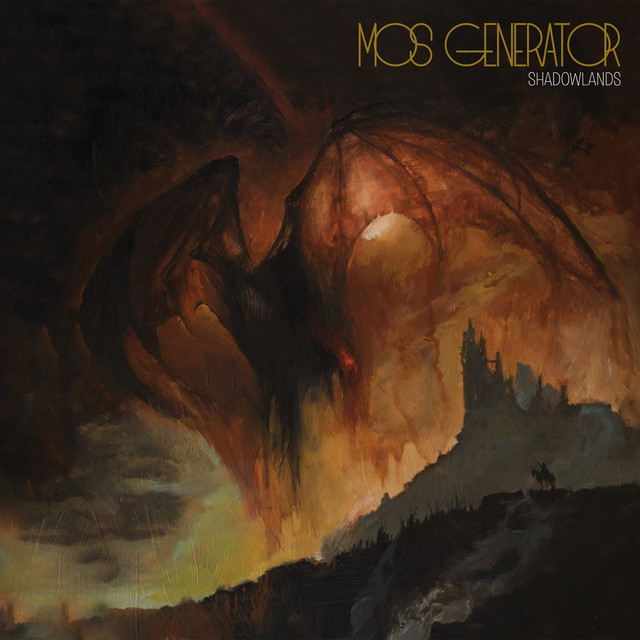
2018
2
/5
Shadowlands
Mos Generator
Retro Metal
Heavy Metal
Rock
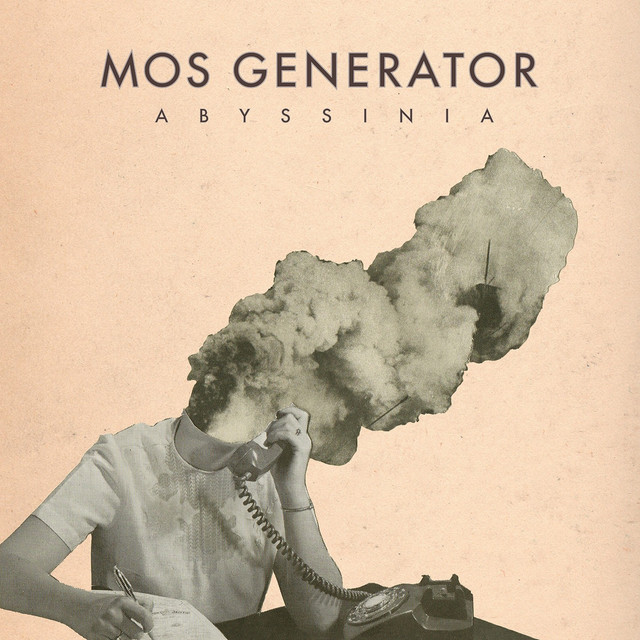
2016
2
/5
Abyssinia
Mos Generator
Retro Metal
Psychedelic Doom
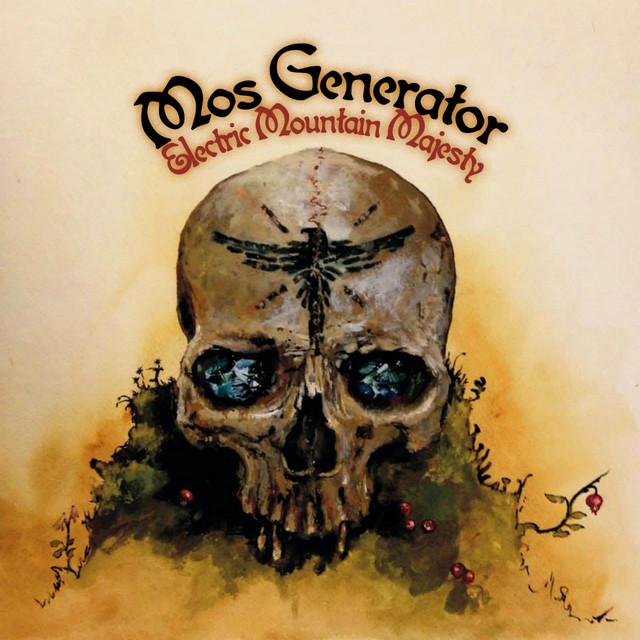
2014
2
/5
Electric Mountain Majesty
Mos Generator
Retro Metal
Psychedelic Doom
Hard Rock
Similar artists
3
/5
Mars Red Sky
Instrumental Stoner Rock
Psychedelic Doom
Retro Metal
1
/5
Various Artists
Afro-Funk
Alternative Rock
Ambient
2
/5
Wucan
Retro Metal
Gaian Doom
Hard Rock
3
/5
Priestess
Retro Metal
Spacegrunge
Stoner Rock
5
/5
Metallica
Heavy Metal
Metal
Old School Thrash
5
/5
Guns N' Roses
Glam Metal
Hard Rock
Rock
5
/5
Three Days Grace
Post-Grunge
Rock
Alternative Metal
5
/5
Bring Me The Horizon
Melodic Metalcore
Post-Hardcore
Screamo
5
/5
Avenged Sevenfold
Heavy Metal
Alternative Metal
Metal
4
/5
Alice In Chains
Grunge
Alternative Rock
Nu Metal
Download our mobile app
Get the Melodigging app and start digging for new genres on the go
Download on the App Store
Get it on Google Play
© 2026 Melodigging
Give feedback
Legal
Melodding was created as a tribute to
Every Noise at Once
, which inspired us to help curious minds keep digging into music's ever-evolving genres.