Genres
Artists
Albums
Make Music
Sign in
Sign in
Artists
Compas
Artists
Compas
Mizik Mizik
Listen
2
/5
Genres
Kompa Gouyad
Kompa gouyad is a sensual, slow‑to‑mid‑tempo strain of Haitian konpa (compas) that centers the dance known as “gouyad” (Creole for a rolling, grinding waist movement). It stretches konpa’s four‑on‑the‑floor pulse into languid grooves, foregrounding warm bass lines, velvety keyboards, palm‑muted guitar comping, and romantic, melismatic vocals. Compared to faster party konpa, gouyad favors space and sustain: extended vamps, breakdowns designed for the floor, and lyrical themes of love, longing, and seduction. Typical tempos sit roughly between 80–100 BPM (often 85–95), with a steady kick on each beat, a syncopated bass that locks to the drum’s subdivisions, bright guitar meringue figures, and congas/cowbell ornaments that gently propel the groove without crowding it. While rooted in classic konpa and Haitian méringue, kompa gouyad also absorbs the smoother textures of zouk/zouk love and contemporary R&B balladry, making it a modern, diaspora‑shaped sound equally at home in Port‑au‑Prince, Miami, Montréal, and Paris.
Discover
Listen
Zouk
Zouk is a high-energy dance music that originated in the French Caribbean (Guadeloupe and Martinique) in the early 1980s, crystallized by the band Kassav’. It blends Haitian compas (kadans) with local folk rhythms and the glossy production aesthetics of disco, funk, and early electronic pop. Early “zouk béton” emphasized driving, tightly arranged rhythms, bright synth-brass stabs, and call-and-response vocals. A slower, smoother branch known as “zouk love” followed, foregrounding romantic lyrics, silky harmonies, and sensual grooves. Sung primarily in Antillean Creole and French, zouk is both a party soundtrack and a cultural statement of Caribbean identity.
Discover
Listen
Compas
Compas (also spelled konpa or compas direct) is Haiti’s modern, méringue-based dance music. It features a steady, driving groove, lyrical melodies, and tight horn or synth hooks designed for continuous social dancing. The style blends Haitian méringue rhythms with jazz and Afro‑Cuban/Latin elements, typically in a mid‑tempo 4/4. A locked‑in drum/cowbell pattern, syncopated bass ostinatos, percussive rhythm guitar, keyboards playing montuno-like figures, and call‑and‑response vocals in Haitian Creole or French are core traits. Since the late 1970s, electronic keyboards and drum machines have been common, but the feel remains warm, romantic, and unshakably danceable.
Discover
Listen
Twoubadou
Twoubadou is a Haitian acoustic song tradition rooted in small, portable ensembles that blend Cuban son/bolero phrasing with Haitian méringue and Dominican merengue dance feels. The music is intimate and lyrical, often performed by two or three guitars with hand percussion and rich, conversational vocals in Haitian Kreyòl. Characterized by lilting guajeo-like guitar patterns, maracas and scraper (graj) textures, and call-and-response choruses, twoubadou songs revolve around love, flirtation, social wit, and double entendre. The style is equally at home in street serenades, backyard parties, and hotel patios, where its light swing and mid-tempo grooves invite gentle dancing and close listening.
Discover
Listen
Similar artists
3
/5
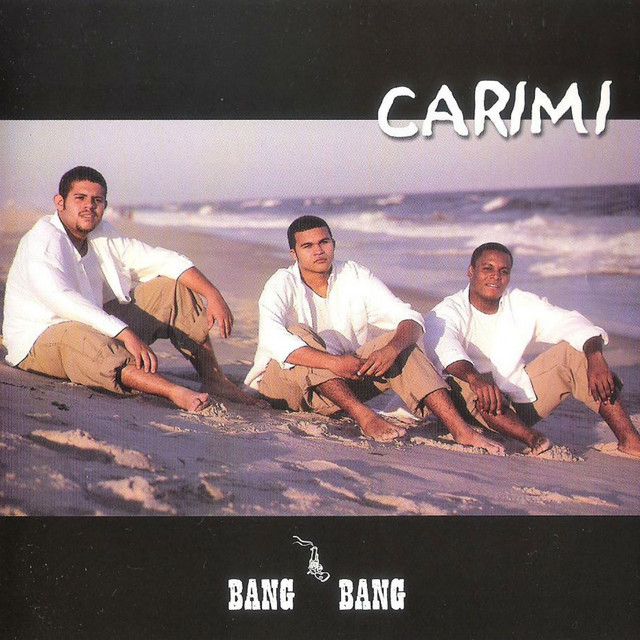
Carimi
Twoubadou
Compas
Kizomba
3
/5
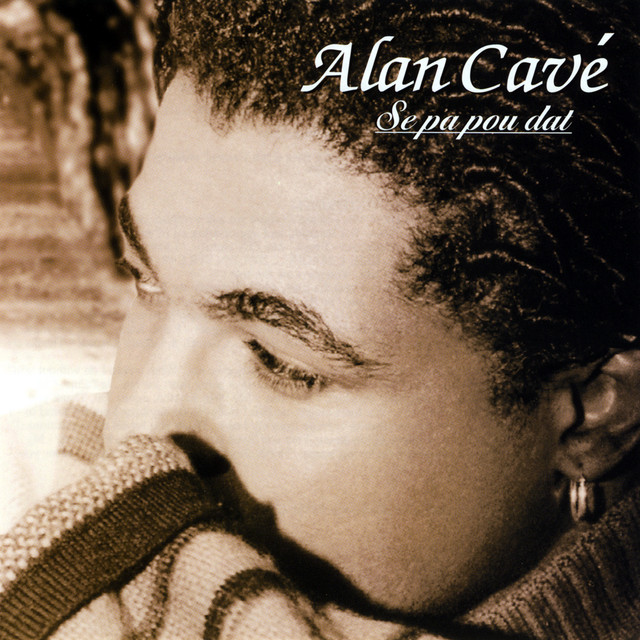
Alan Cavé
Twoubadou
Compas
Kizomba
4
/5
Joé Dwèt Filé
Kizomba
Zouk
Shatta
4
/5
Meryl
Trap Antillais
Afro Drill
Afrobeats
4
/5
Kalash
Zouk
Dancehall
Shatta
3
/5
Kim
Afro Drill
Basshall
Compas
3
/5
Ronisia
Zouk
Afro Drill
Basshall
3
/5
Maureen
Bouyon
Dancehall
Zouk
3
/5
DJ Kawest
Rabòday
Basshall
Compas
3
/5
Jeady Jay
Kizomba
Zouk
Compas
Download our mobile app
Get the Melodigging app and start digging for new genres on the go
Download on the App Store
Get it on Google Play
© 2026 Melodigging
Give feedback
Legal
Melodding was created as a tribute to
Every Noise at Once
, which inspired us to help curious minds keep digging into music's ever-evolving genres.