Genres
Artists
Albums
Make Music
Sign in
Sign in
Artists
French Pop
Artists
French Pop
Michel Polnareff
1966–2025
·
5 albums
Listen
3
/5
Genres
Thall
Thall is a hyper-percussive, ultra–low-tuned offshoot of djent and progressive metal popularized by Sweden’s Vildhjarta. The style emphasizes tightly gated, staccato down‑picking; dissonant chord voicings; and lurching, polymetric grooves that drop into sudden rests and accents. Characteristic techniques include rapid release bends, stark contrasts between pitch‑shifted highs and subterranean lows, and the use of lush, reverb‑heavy ambient interludes to heighten tension and reset the ear before the next rhythmic assault. The result is a sound that feels both mechanical and cinematic—aggressive yet spacious.
Discover
Listen
New Isolationism
New isolationism is a contemporary strain of isolationist ambient and post-industrial minimalism that emerged in the 2010s, particularly around Scandinavian experimental labels and studios. It foregrounds intimate, close-mic’d sound, negative space, and a quiet-but-present noise floor; its pieces feel both internal and architectural, like rooms built from reverb tails, tape hiss, and soft electronics. Sonically, the style blends glacial drones, fragile chamber timbres (strings, organ, piano), lo‑fi electronics, and field recordings into stark, slow-evolving tableaux. Melodic information is sparse—often only a few tones or gestures—while rhythm is either absent or reduced to distant pulses, heartbeats, or mechanical cycles. Vocals, when they appear, are murmured, diaristic, or abstracted by pitch and time manipulation. Aesthetically, new isolationism is post‑internet and diaristic: it captures solitude, memory, and dislocation with a palette that feels personal yet estranged, drawing as much from contemporary gallery sound practice as from classic dark ambient.
Discover
Listen
Weirdcore
Weirdcore is an internet-native microgenre and aesthetic of experimental electronic music that leans into liminal nostalgia, eerie memory, and uncanny ambience. Its sound palette often combines misty pads, degraded samples, tape hiss, and bitcrushed percussion with disembodied voices, classroom and mall PA announcements, retro operating system chimes, and field recordings of empty or transitional spaces. Harmonically, weirdcore favors drones, slowly shifting modal clusters, and ambiguous, memory-warping intervals that feel familiar yet distorted. Rhythm ranges from beatless, foggy soundscapes to brittle, broken 2-step and slow, stumbling downtempo pulses. Heavy time-stretching, granular manipulation, wow-and-flutter, convolution reverbs, and spectral or cassette-style degradation are central to its texture. Although closely tied to a visual aesthetic (liminal spaces, late-night analog glow, low-resolution signage), weirdcore as a musical style is defined by its uncanny collage sensibility: sampling and warping everyday audio detritus until it becomes emotionally charged, melancholic, and faintly unsettling.
Discover
Listen
French House
French house, often called the "French touch," is a sample-centric substyle of house music known for filtering and looping fragments of 1970s–1980s disco, boogie, and funk. It features a steady four-on-the-floor kick, syncopated and swung hi-hats, punchy sampled basslines, and a distinctive "pumping" feel created by heavy sidechain compression. Production commonly emphasizes warm, saturated textures and filter sweeps—automated low‑pass and high‑pass filters that open and close across loops—to create tension and release on the dancefloor. Vocoder or talkbox-tinted vocals, brief earworm hooks, and concise, groove-first arrangements are typical, with tempos usually between 120–128 BPM. The sound is closely associated with Parisian labels and crews from the mid-to-late 1990s and early 2000s, and it helped re-popularize disco aesthetics within contemporary dance music.
Discover
Listen
French Pop
French pop is the mainstream, melody-forward popular music sung primarily in French that blends the lyrical sophistication of chanson with the hooks, structures, and production of international pop. Its core is songcraft: memorable choruses, clear vocal presence, and arrangements that balance acoustic warmth with electronic gloss. Evolving from the 1960s yé-yé wave, the style absorbed elements of disco, new wave, synth-pop, and later electronic and hip hop production, while retaining a distinctly French sensibility in storytelling, wordplay, and romantic themes. Modern French pop ranges from intimate, soft-pop ballads to sleek electro-pop, but it remains anchored by expressive vocals and concise, radio-ready forms.
Discover
Listen
Yé-Yé
Yé-yé is a Francophone teen-pop movement of the early-to-mid 1960s that fused the brisk rhythms and guitar-driven verve of Anglo-American rock & roll and beat music with the melodic charm and lyrical sensibilities of French chanson. Characterized by bright melodies, succinct verse–chorus forms, handclaps and tambourines, and breathy, close-miked vocals, yé-yé celebrated youth culture, fashion, and flirtatious romance. Arrangements often blended twangy guitars and Farfisa/Vox organs with string or brass sweetening, while playful onomatopoeia and nonsense syllables (the titular “yé-yé”) emphasized its carefree, danceable spirit. The style flourished through radio and television, particularly around the Salut les copains scene, and produced enduring hits that remain touchstones of European pop history.
Discover
Listen
Baroque Pop
Baroque pop is a mid‑1960s fusion of contemporary pop/rock songwriting with the timbres, textures, and contrapuntal techniques of Baroque and broader European classical music. It is marked by harpsichord and piano doubling, string quartets or small orchestras, woodwinds (oboe, recorder, bassoon), French horn and piccolo trumpet colors, and melody‑forward arrangements that favor counter‑melodies and suspensions over riff‑based accompaniment. Harmonies tend to be richer than standard rock, with chromatic voice‑leading, circle‑of‑fifths motion, deceptive cadences, and occasional modulations. Production is usually lush and reverberant, supporting reflective, often nostalgic or romantic lyrics. Although it overlaps with orchestral pop and psychedelic pop, baroque pop is distinguished by its chamber‑scale instrumentation, Baroque idioms (basso continuo feel, ornamented lines), and the way classical elements are woven into compact pop song forms.
Discover
Listen
Singer-Songwriter
Singer-songwriter is a song-focused style in which the same person writes, composes, and performs their own material, often accompanying themselves on acoustic guitar or piano. It emphasizes personal voice, lyrical intimacy, and storytelling over elaborate production. Arrangements are typically sparse, allowing the melody, words, and performance nuance to carry the song’s emotional weight. While rooted in folk and blues traditions, singer-songwriter embraces pop and rock songcraft, producing works that can range from quiet confessional ballads to subtly orchestrated, radio-ready pieces.
Discover
Listen
Pop
Pop is a broad, hook-driven style of popular music designed for wide appeal. It emphasizes memorable melodies, concise song structures, polished vocals, and production intended for radio, charts, and mass media. While pop continually absorbs elements from other styles, its core remains singable choruses, accessible harmonies, and rhythmic clarity. Typical forms include verse–pre-chorus–chorus, frequent use of bridges and middle-eights, and ear-catching intros and outros. Pop is not defined by a single instrumentation. It flexibly incorporates acoustic and electric instruments, drum machines, synthesizers, and increasingly digital production techniques, always in service of the song and the hook.
Discover
Listen
Chanson Française
Chanson française is a lyric-centered French song tradition in which the expressiveness, prosody, and storytelling of the French language take priority over virtuosic vocal display. Melodies tend to be memorable yet restrained, arranged to support the text rather than overshadow it. Historically linked to Parisian cabarets, music halls, and the café-concert circuit, the style embraces topics ranging from love and everyday life to social satire and political commentary. Typical accompaniments include guitar, accordion, piano, and small orchestras, with arrangements that can range from intimate to lush. Performance is as much about interpretation and diction as it is about singing, often favoring conversational phrasing and dramatic nuance.
Discover
Listen
Show all 10 genres
Albums
2025
2
/5
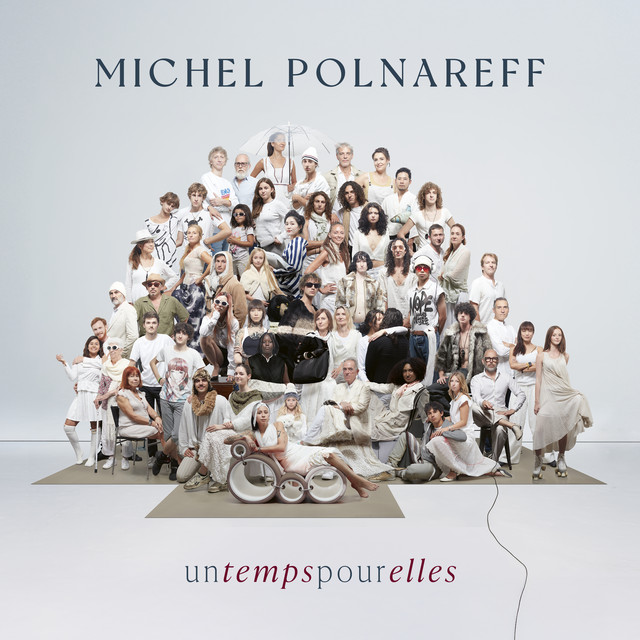
Un temps pour elles
Michel Polnareff
Yé-Yé
2024
1
/5
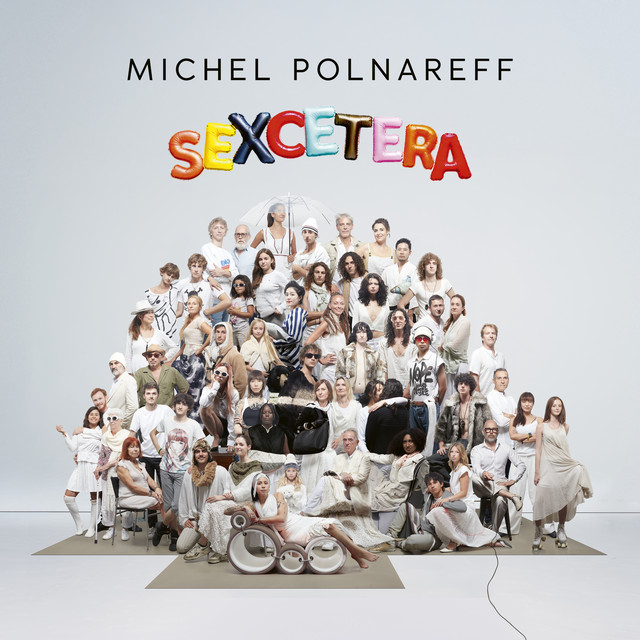
Sexcetera
Michel Polnareff
Yé-Yé
1971
2
/5
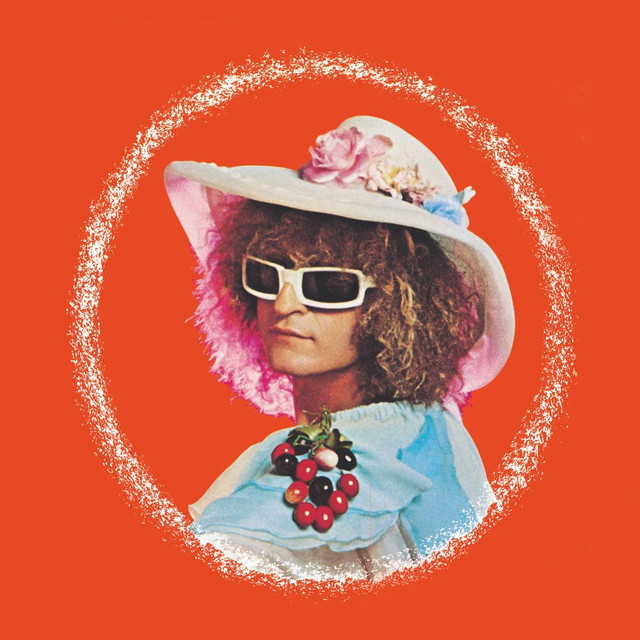
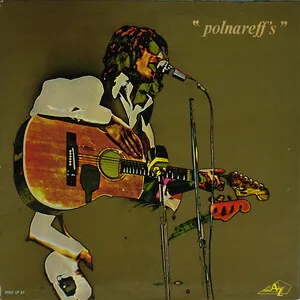
"Polnareff's"
Michel Polnareff
French Pop
Baroque Pop
1968
3
/5
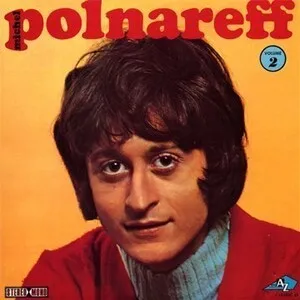
Volume 2
Michel Polnareff
French Pop
1966
3
/5
Michel Polnareff
Michel Polnareff
French Pop
Similar artists
4
/5
France Gall
Yé-Yé
French Pop
Pop
3
/5
Françoise Hardy
French Pop
Yé-Yé
Chanson Française
3
/5
Serge Gainsbourg
French Pop
Chanson À Texte
Chanson Française
3
/5
Jacques Dutronc
French Pop
Chanson Française
French House
2
/5
Alex Beaupain
Baroque Pop
Chanson Française
French House
3
/5
Eddy Mitchell
Chanson Française
Chill Pop
French House
3
/5
Nino Ferrer
Chanson Française
Chill Pop
French House
3
/5
Sylvie Vartan
Yé-Yé
Chanson Française
French Pop
3
/5
Brigitte Bardot
Yé-Yé
Pop
Chanson Française
3
/5
Daniel Balavoine
French Pop
Chanson Française
Chill Pop
Download our mobile app
Get the Melodigging app and start digging for new genres on the go
Download on the App Store
Get it on Google Play
© 2026 Melodigging
Give feedback
Legal
Melodding was created as a tribute to
Every Noise at Once
, which inspired us to help curious minds keep digging into music's ever-evolving genres.