Genres
Artists
Albums
Make Music
Sign in
Sign in
Artists
Congolese Rumba
Artists
Congolese Rumba
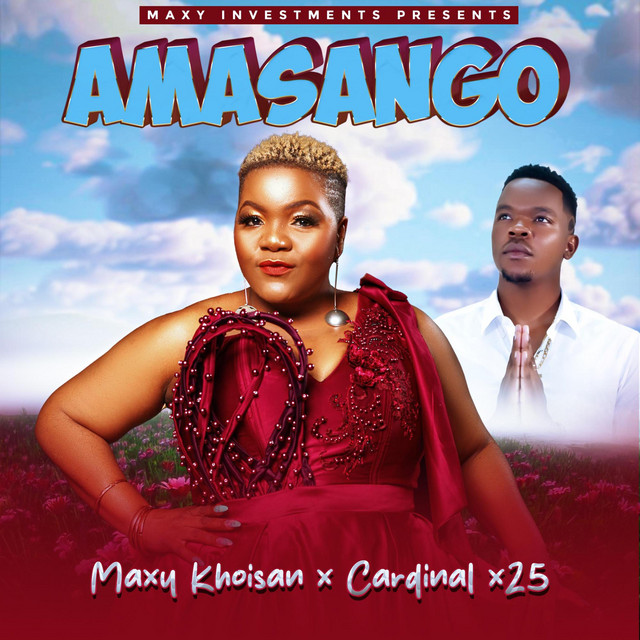
Maxy KhoiSan
Listen
2
/5
Genres
Bolobedu House
Bolobedu House (often referred to simply as 'Bolo House') is a vibrant and energetic subgenre of South African house music that originated in the Limpopo province. It is characterized by its distinct fusion of modern electronic production with traditional Khelobedu folk rhythms and melodies. The genre is famous for its high-tempo beats (often ranging from 115 to 125 BPM or faster), aggressive and often distorted synth leads, and the heavy use of pitch-bending effects. Vocals are typically delivered in the Khelobedu dialect of Northern Sotho, often utilizing auto-tune and call-and-response structures that narrate social commentary, humorous stories, or romantic tales.
Discover
Listen
Sepedi Pop
Sepedi pop is contemporary popular music sung primarily in Sepedi (Northern Sotho), centered in South Africa’s Limpopo and Gauteng provinces. It blends the dance-floor aesthetics of house and kwaito with wedding-party (manyalo) vocal traditions, call-and-response hooks, and lyrical storytelling about love, family, and everyday life. Production commonly features catchy synth leads, bright chord stabs, handclaps, whistles, and prominent electronic percussion, while tempos range from mid- to uptempo dance grooves. In the 2020s, many tracks also absorb amapiano traits (log-drum bass, spacious pads) without losing Sepedi vocal identity.
Discover
Listen
Traditional Music
Traditional music is an umbrella term used in the mid–20th century by folklorists and ethnomusicologists to denote community-rooted, orally transmitted repertoires tied to social ritual, work, celebration, and storytelling. Unlike commercial pop or art-music traditions, traditional music is typically learned by ear, varies regionally, and evolves slowly through communal participation. It often features modal melodies, cyclic rhythms, heterophony or unison singing, and indigenous instruments whose timbres are integral to local identity. Lyrics tend to preserve language, history, and collective memory. While the musical practices themselves can be ancient, the phrase “traditional music” emerged to replace earlier, narrower or colonial framings like “folk” or “ethnic” music, foregrounding continuity, locality, and living practice rather than exoticism.
Discover
Listen
Congolese Rumba
Congolese rumba (often called African rumba) is a danceable, guitar-driven popular music that emerged in Kinshasa and Brazzaville after World War II. It blends Afro‑Cuban son and bolero harmonies with Central African rhythmic sensibilities and call‑and‑response vocals. Typical recordings feature interlocking electric guitars (rhythm, mi‑solo and lead) playing lilting, cyclical figures over a steady, clave‑informed groove, buoyed by congas, maracas, cowbell, bass tumbao, and occasional horns. Songs frequently move from a lyrical, crooning verse into an extended instrumental vamp called the “sebene,” where the band raises the energy for dancers. Lyrically, Congolese rumba often uses Lingala (and sometimes French), celebrating romance, urban life, and social themes with suave vocal harmonies and a refined sense of melody.
Discover
Listen
Similar artists
3
/5
Dr. Thomas Chauke
Congolese Rumba
Maskanda
Traditional Music
2
/5
Zozo and Sangere Superbeat
Congolese Rumba
Traditional Music
Venda Pop
2
/5
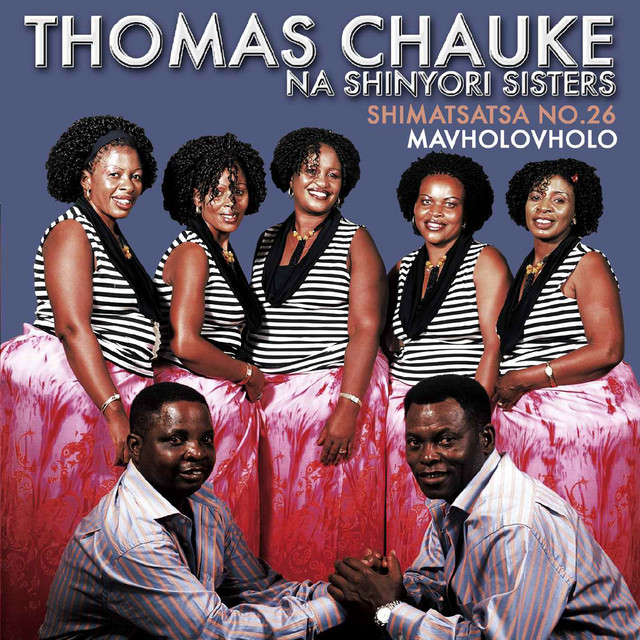
Shinyori Sisters
Congolese Rumba
Maskanda
Traditional Music
2
/5
Charma Gal
Amapiano
Congolese Rumba
Maskanda
2
/5
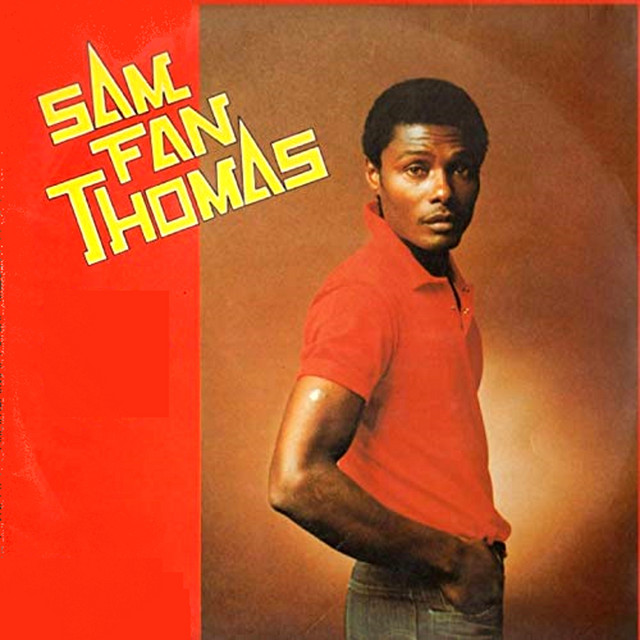
Sam Fan Thomas
Makossa
Bikutsi
Congolese Rumba
2
/5
PK Chishala
Congolese Rumba
Traditional Music
1
/5
Franco & Afro Musica
Congolese Rumba
Ndombolo
Traditional Music
1
/5
Mulemena Boys
Congolese Rumba
Kalindula
Ndombolo
1
/5
TP Audiorama
Congolese Rumba
Traditional Music
1
/5
Jamnazi Africa
Benga
Congolese Rumba
Ndombolo
Download our mobile app
Get the Melodigging app and start digging for new genres on the go
Download on the App Store
Get it on Google Play
© 2026 Melodigging
Give feedback
Legal
Melodding was created as a tribute to
Every Noise at Once
, which inspired us to help curious minds keep digging into music's ever-evolving genres.