Genres
Artists
Albums
Make Music
Sign in
Sign in
Artists
Classical Countertenor
Artists
Classical Countertenor
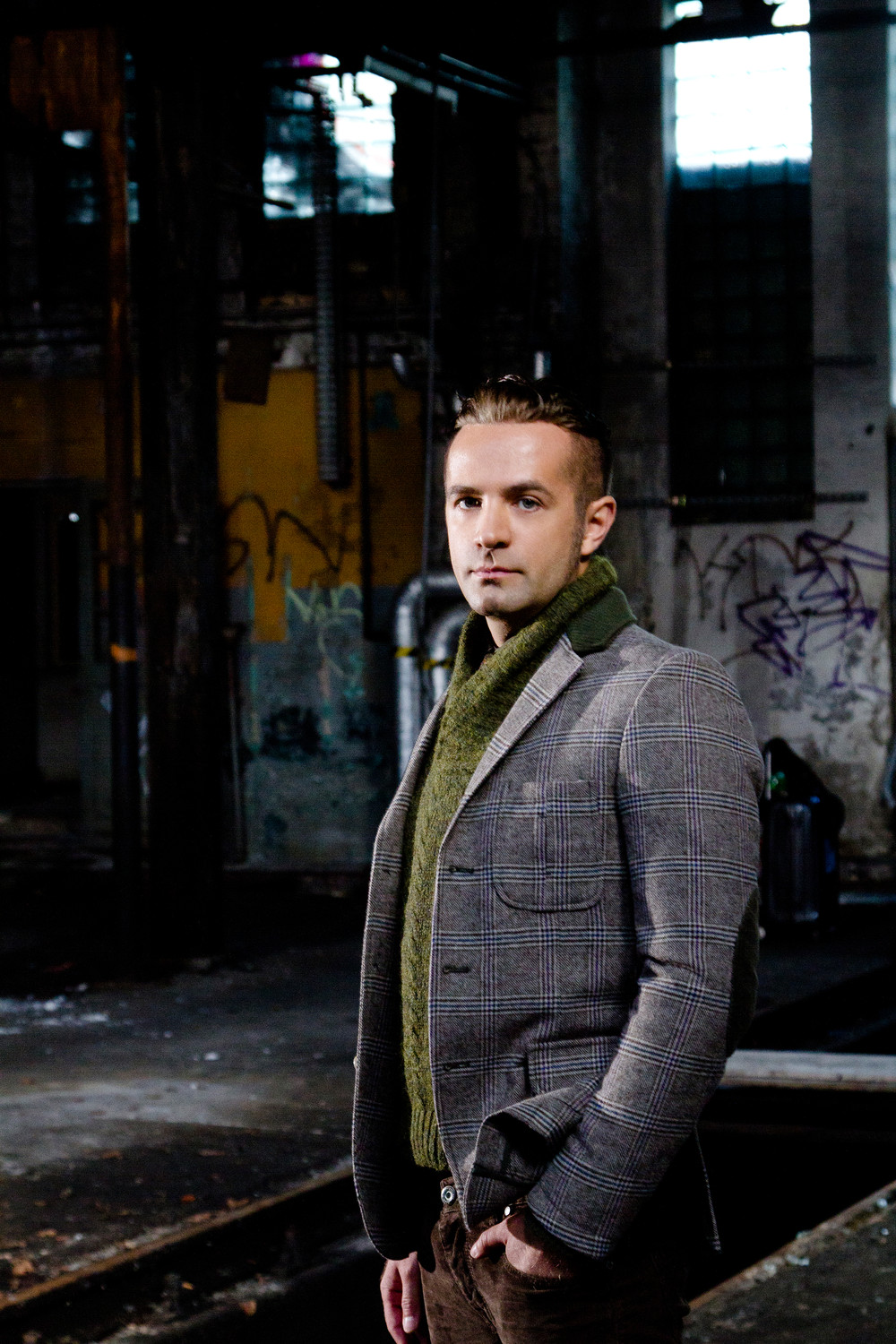
Max Emanuel Cenčić
2015–2017
·
2 albums
Listen
2
/5
Genres
Classical Countertenor
The classical countertenor is a male singing voice that utilizes a developed falsetto or head voice technique to sing in the alto, mezzo-soprano, or soprano range, typically spanning from G3 to E5 or F5. Historically associated with the 'contratenor altus' line in early polyphony and later the English cathedral tradition, the modern genre emerged as a solo art form in the mid-20th century. It is characterized by a pure, often vibrato-less, and ethereal tone that distinguishes it from female voices in the same range. While the repertoire is heavily rooted in the Baroque era (originally written for castrati), the genre has expanded to include Renaissance lute songs, contemporary classical compositions, and art songs.
Discover
Listen
Classical Mezzo-Soprano
Classical mezzo-soprano is a repertoire-centered category within Western classical music written for the mezzo-soprano voice—typically ranging roughly from G3/A3 to B5/C6, with a warm, darker timbre and a central tessitura lower than that of the soprano. It encompasses operatic arias (including trouser roles and dramatic character parts), oratorio and sacred solos (e.g., alto/mezzo lines), and art songs (Lieder, mélodie, canzone) that favor a rich middle register, expressive legato, and nuanced text delivery. Across the 19th and 20th centuries, composers standardized voice types (Fächer) in opera houses, and the mezzo-soprano emerged distinctly between soprano and contralto, prized for flexibility (from agile coloratura to dramatic declamation) and a characterful, burnished sound. Today, the tag “classical mezzo-soprano” covers historical and contemporary recordings of operas, oratorios, and song cycles featuring mezzo-soprano soloists, plus concert works written with that specific tessitura in mind.
Discover
Listen
Opera Seria
Opera seria is the 18th‑century Italian "serious" opera that crystallized around noble, moralizing stories drawn from Classical mythology and ancient history. It privileges elevated rhetoric, clear affects, and vocal virtuosity, especially through the da capo (ABA') aria, where singers ornament the return to display technical brilliance and expressive nuance. Typically organized in three acts, opera seria alternates recitatives (secco with continuo for dialogue; accompagnato with orchestra for heightened drama) and solo arias. Ensemble numbers and choruses are rare, and the dramatic flow is shaped by the famous "exit aria" convention, where characters leave the stage after an aria. The style reached canonical form via Metastasian libretti and dominated courts and major opera houses across Naples, Rome, Venice, Vienna, and London.
Discover
Listen
Albums
2017
1
/5
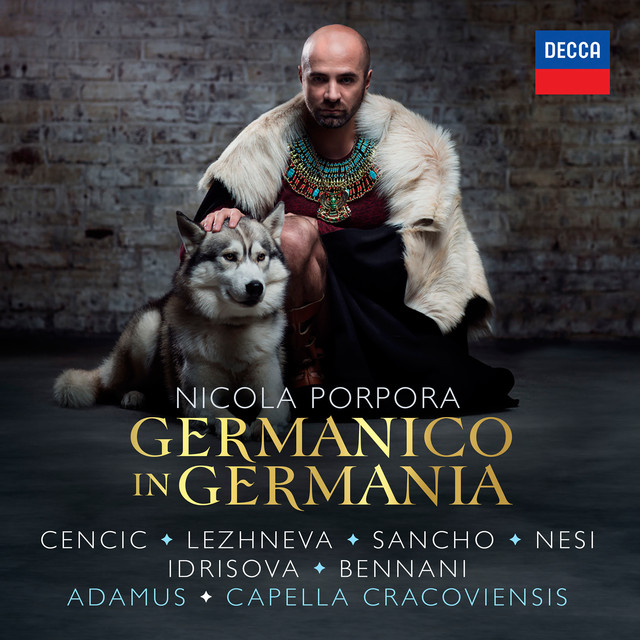
Germanico in Germania
Nicola Antonio Porpora
Classical Mezzo-Soprano
Opera Seria
2015
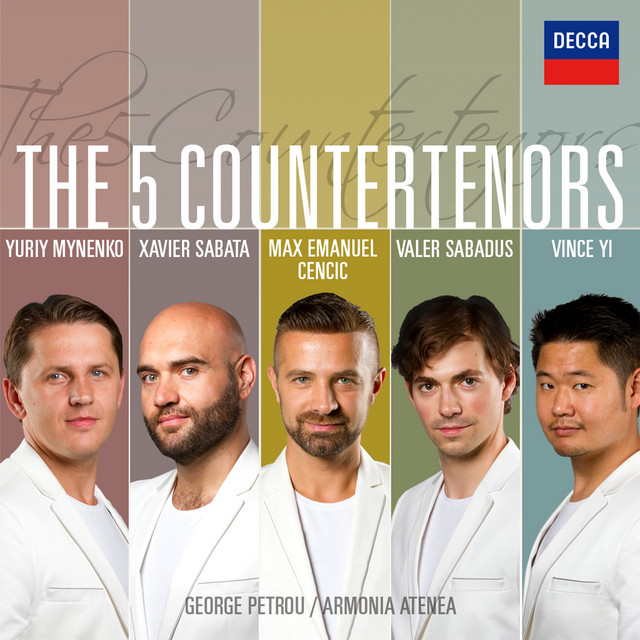
The 5 Countertenors
Max Emanuel Cenčić, Yuri Minienko, Valer Sabadus, Xavier Sabata, Vince Yi, Armo…
Classical Countertenor
Similar artists
4
/5
Wolfgang Amadeus Mozart
Classical
Requiem
Classical Period
4
/5
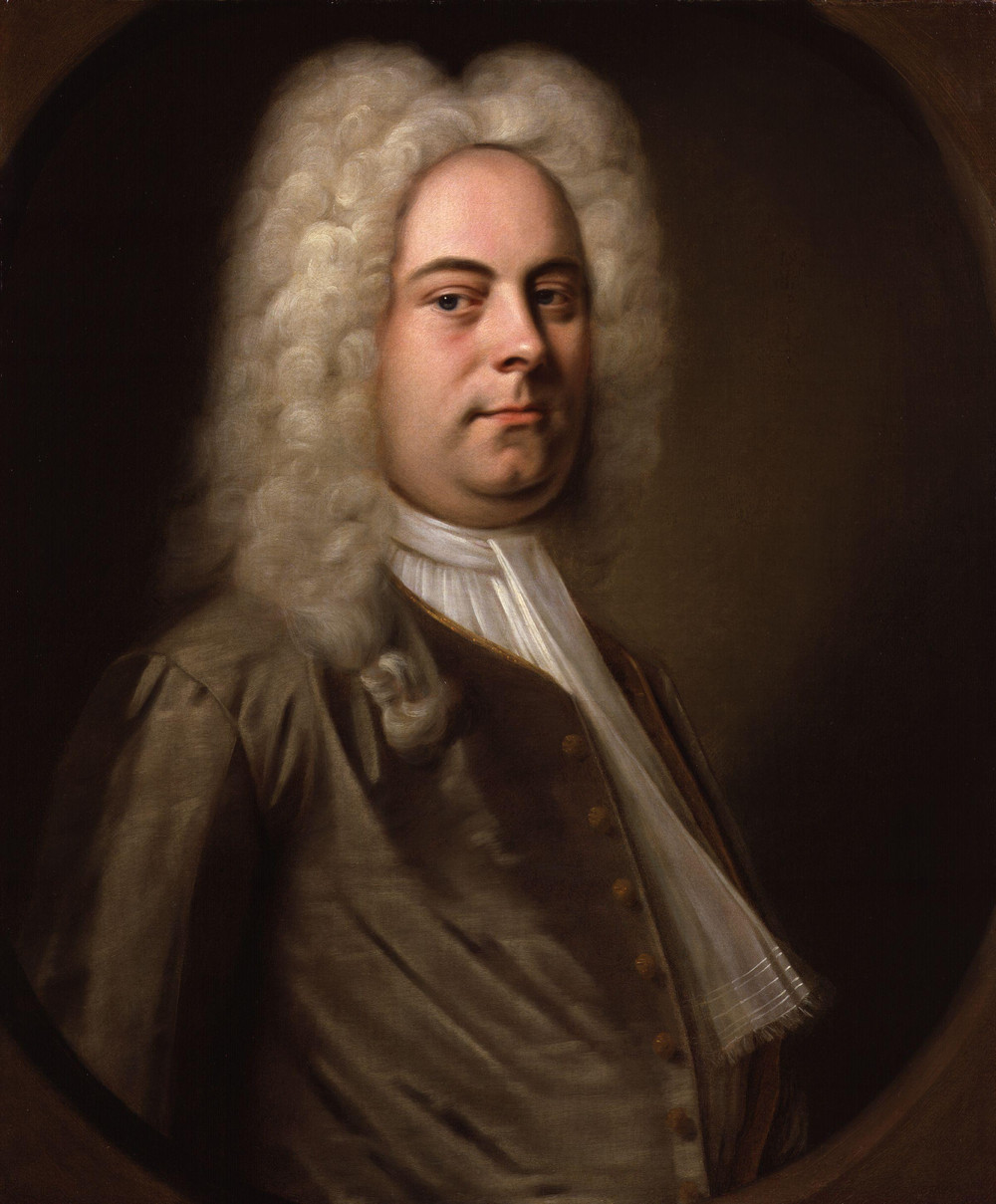
George Frideric Handel
Classical
Opera Seria
Classical Countertenor
2
/5
Nicola Porpora
Baroque
Opera
Classical Countertenor
4
/5
Johann Sebastian Bach
Baroque
Classical
Baroque Suite
4
/5
Antonio Vivaldi
Baroque
Classical
Opera Seria
3
/5
Academy of Ancient Music
Classical
Concerto
Baroque
3
/5
The English Concert
Baroque
Concerto
Classical
3
/5
John Eliot Gardiner
Baroque
Classical
Choral
3
/5
English Baroque Soloists
Baroque
Classical
Choral
3
/5
Christopher Hogwood
Classical
Baroque
Concerto
Download our mobile app
Get the Melodigging app and start digging for new genres on the go
Download on the App Store
Get it on Google Play
© 2026 Melodigging
Give feedback
Legal
Melodding was created as a tribute to
Every Noise at Once
, which inspired us to help curious minds keep digging into music's ever-evolving genres.