Genres
Artists
Albums
Make Music
Sign in
Sign in
Artists
Hungarian Folk Music
Artists
Hungarian Folk Music
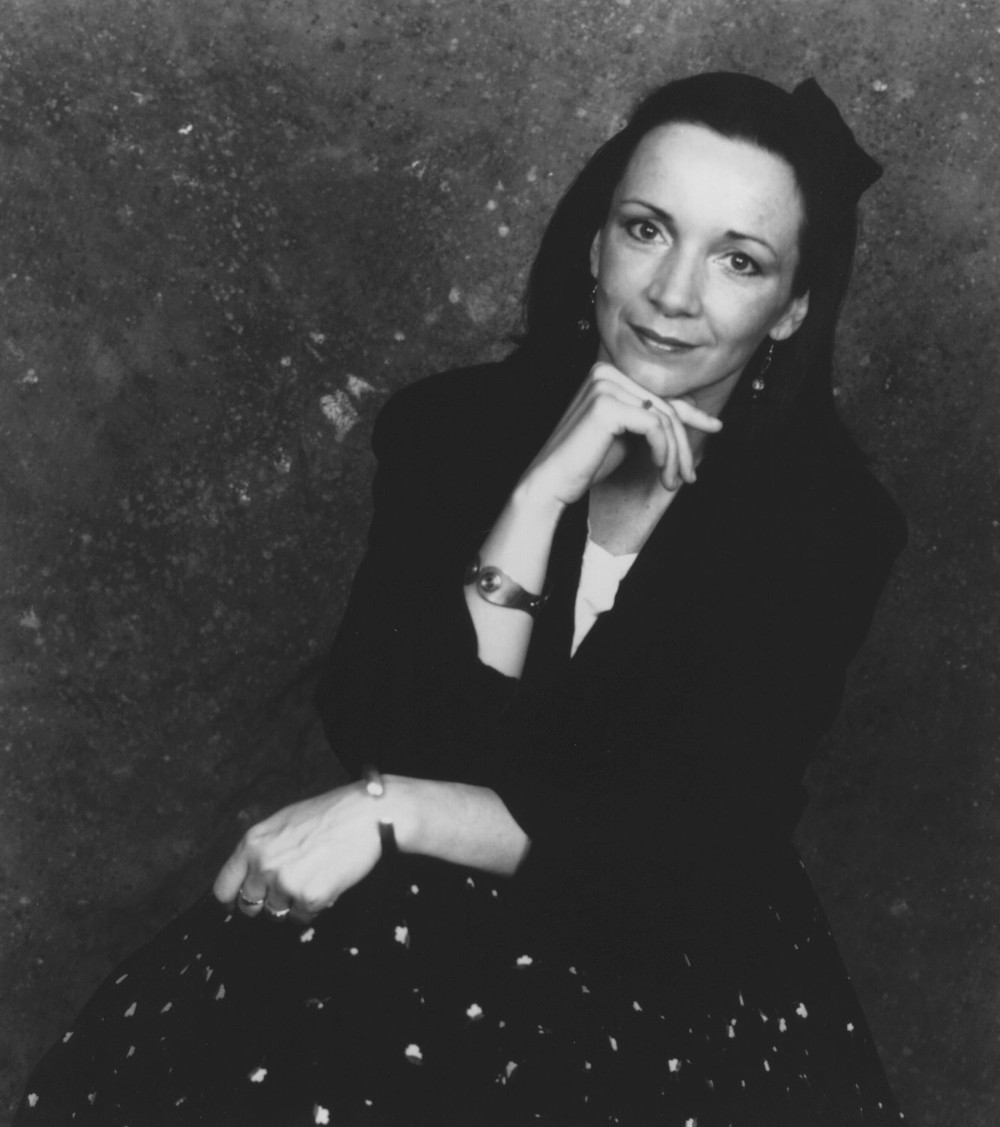
Márta Sebestyén
1996–2014
·
3 albums
Listen
2
/5
Genres
Downtempo
Downtempo is a mellow, groove-oriented branch of electronic music characterized by slower tempos, plush textures, and a focus on atmosphere over dancefloor intensity. Typical tempos range from about 60–110 BPM, with swung or laid-back rhythms, dub-informed basslines, and warm, jazz-tinged harmonies. Stylistically, it blends the spaciousness of ambient, the head-nodding rhythms of hip hop and breakbeat, and the cosmopolitan smoothness of lounge and acid jazz. Producers often use sampled drums, Rhodes or Wurlitzer electric pianos, guitar licks with delay, and field recordings to create intimate, cinematic soundscapes. The mood spans from soulful and romantic to introspective and dusk-lit, making it a staple of after-hours listening, cafes, and relaxed club back rooms.
Discover
Listen
Ambient
Ambient is a form of electronic and electroacoustic music that prioritizes tone, atmosphere, and texture over conventional song structures and rhythmic drive. It typically features slow-moving harmonies, sustained drones, gentle timbral shifts, and extensive use of space and silence. Rather than drawing attention to itself through hooks or beats, ambient is designed to be as ignorable as it is interesting, rewarding both background listening and focused immersion. Artists often employ synthesizers, samplers, tape loops, field recordings, and subtle acoustic instruments, with reverb and delay creating a sense of place. Substyles range from luminous, consonant soundscapes to darker, more dissonant atmospheres.
Discover
Listen
Electronic
Electronic is a broad umbrella genre defined by the primary use of electronically generated or electronically processed sound. It encompasses music made with synthesizers, drum machines, samplers, computers, and studio/tape techniques, as well as electroacoustic manipulation of recorded or synthetic sources. The genre ranges from academic and experimental traditions to popular and dance-oriented forms. While its sonic palette is rooted in electricity and circuitry, its aesthetics span minimal and textural explorations, structured song forms, and beat-driven club permutations. Electronic emphasizes sound design, timbre, and studio-as-instrument practices as much as melody and harmony.
Discover
Listen
Hungarian Folk Music
Hungarian folk music is the traditional music of the Carpathian Basin’s Hungarian-speaking communities, performed for dancing, storytelling, ritual, and everyday social life. It is characterized by a fiddle-led band (prímás) supported by a three‑string viola (kontra) playing drone-triad shuffles, a double bass (bőgő) marking off‑beats, and often a cimbalom (hammered dulcimer). Melodies frequently use old-style pentatonic and heptatonic modes (notably Dorian and Mixolydian), with rich ornamentation, parlando‑rubato declamation in ballads, and strict tempo giusto in dance tunes. Core dance types include the csárdás (typically a slow lassú followed by a fast friss), verbunk (recruitment dance with dotted rhythms), ugrós, and regional suites from Transylvania (Mezőség, Kalotaszeg, Szék), Gyimes, and Moldva. Singing is usually strophic, with narrow-to-moderate ambitus, heterophonic variation between voice and fiddle, and text topics ranging from love and work to historical and humorous narratives. The 20th‑century collection work of Bartók and Kodály, and the late‑20th‑century táncház (dance‑house) revival, helped sustain a living, village-rooted performance practice in urban settings.
Discover
Listen
Traditional Folk
Traditional folk is a broad umbrella for orally transmitted songs and dance tunes that circulated in rural and working-class communities before the age of mass recording. Repertoires include narrative ballads, laments, love songs, work songs, lullabies, and instrumental dance sets such as reels, jigs, hornpipes, and marches. Stylistically, traditional folk favors strophic forms, pentatonic or modal melodies (often Dorian and Mixolydian), limited harmonic movement, and strong, memorable tunes designed for communal singing and dancing. Performances range from unaccompanied solo voice to small ensembles built around fiddle, flute/whistle, pipes, concertina/accordion, guitar, banjo, and frame drum. Ornamentation, variation by verse, and flexible tempo are integral, reflecting an oral tradition where songs live through continual reinterpretation. Although it is pan‑regional, the modern idea of “traditional folk” coalesced in the 19th century through collectors and revivalists who documented vernacular music and framed it as cultural heritage.
Discover
Listen
Albums
2014
1
/5
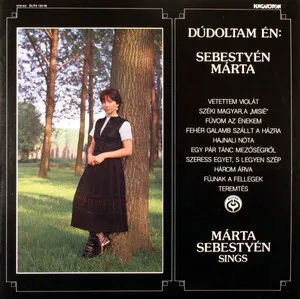
Dúdoltam én: Sebestyén Márta
Márta Sebestyén
Hungarian Folk Music
1996
1
/5
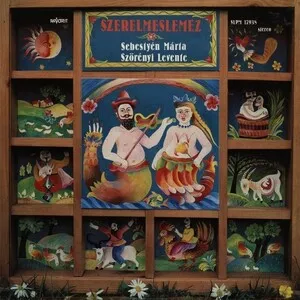
Szerelmeslemez
Márta Sebestyén & Levente Szörényi
Hungarian Folk Music
Ambient
Downtempo
1996
1
/5
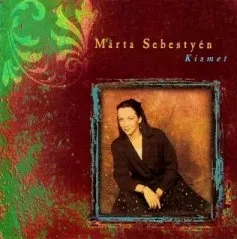
Kismet
Márta Sebestyén
Hungarian Folk Music
Similar artists
1
/5
Various Artists
Afro-Funk
Alternative Rock
Ambient
1
/5
Soliman Gamil
Ancient Egyptian Music
Ancient Music
Egyptian Music
5
/5
Kesha
Dance-Pop
Pop
Electronic
5
/5
Diplo
Jungle Terror
Bass Trap
The Wave
4
/5
C418
Ambient
Electronic
Idm
4
/5
Enya
Celtic
Gregorian Dance
New Age
4
/5
Armin van Buuren
Progressive Trance
Trance
Dutch House
4
/5
Björk
Art Pop
Icelandic Experimental
Electronic
4
/5
Dean Blunt
Collage Pop
Hypnagogic Pop
Electronic
4
/5
Air
Ambient Pop
Downtempo
Trip Hop
Download our mobile app
Get the Melodigging app and start digging for new genres on the go
Download on the App Store
Get it on Google Play
© 2026 Melodigging
Give feedback
Legal
Melodding was created as a tribute to
Every Noise at Once
, which inspired us to help curious minds keep digging into music's ever-evolving genres.