Genres
Artists
Albums
Make Music
Sign in
Sign in
Artists
Lowercase
Artists
Lowercase
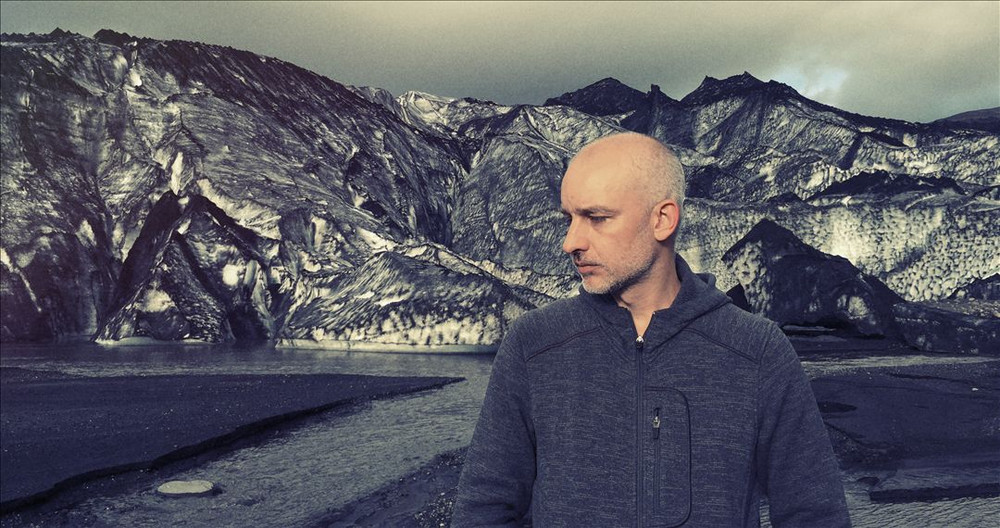
Marcus Fischer
2017–2019
·
2 albums
Listen
1
/5
Genres
Mandible
Mandible is an internet-born, experimental microgenre whose name evokes the jawbone: brittle, gnashing, and percussive. Producers lean into harsh, dental-adjacent foley (tooth clicks, jaw pops, bone-like clacks) and metallic scrapes, arranging them over lurching trap-derived beats and sub-heavy sound design. Aesthetically, it sits at the intersection of industrial noise, deconstructed club, and dark trap: distorted transients, granular glitches, sudden drop-outs, and unsettling ASMR-adjacent close‑mic textures. Harmony tends to be sparse or atonal, with drones and dissonant clusters used more for atmosphere than for functional progression. The result is club-adjacent music that feels physical and tactile—like rhythm sculpted from mouth and bone.
Discover
Listen
Nu Age
Nu age is a 2010s revival and reimagining of 1980s/90s New Age aesthetics through the lens of contemporary ambient, experimental electronics, and internet-era sensibilities. It favors lush synthesizer pads, soft-focus textures, gently pulsing arpeggios, field recordings, and spacious reverbs that evoke nature, healing, and contemplative states. Unlike classic New Age, nu age often embraces subtle digital artifacts, cassette warmth, and post-vaporwave nostalgia, weaving fourth-world timbres and Balearic calm into minimalist, slow-evolving forms. The result is a dreamlike, restorative sound that sits between ambient, meditative music, and modern sound design, appealing equally to wellness cultures and adventurous electronic listeners.
Discover
Listen
Warm Drone
Warm drone is a microstyle of ambient/drone music that emphasizes soft, consonant, and enveloping sustained tones with a distinctly warm timbral character. Instead of the bleak or industrial textures often associated with classic drone, warm drone favors analog synth pads, bowed or layered guitars, organs and harmoniums, tape saturation, gentle hiss, and low‑noise field recordings. Harmonic movement is sparse and slow; micro-modulations, overtones, and gradual filtering provide the sense of motion rather than rhythm or melody. The result is an intimate, comforting soundfield that feels close, humane, and tactile—ideal for rest, reading, reflection, or late-night listening. It overlaps with modern sleep/meditation ambient but remains compositionally attentive to tone color, acoustic space, and long-form development.
Discover
Listen
Drift
Drift is a contemporary micro-style of ambient centered on slowly evolving tonal beds, gentle tape-worn textures, and an emphasis on atmosphere over event. It favors long decays, soft-focus harmonies, and minimal or absent percussion so that sounds seem to hover and "drift" in place. Production typically blends synth pads, processed guitar, and found sounds with heavy use of reverb, delay, and subtle modulation. Compared to classic dark ambient, drift is warmer and more consonant; compared to new age, it is more textural and reductionist. The result is music designed for deep listening, sleep, study, or contemplative environments.
Discover
Listen
New Isolationism
New isolationism is a contemporary strain of isolationist ambient and post-industrial minimalism that emerged in the 2010s, particularly around Scandinavian experimental labels and studios. It foregrounds intimate, close-mic’d sound, negative space, and a quiet-but-present noise floor; its pieces feel both internal and architectural, like rooms built from reverb tails, tape hiss, and soft electronics. Sonically, the style blends glacial drones, fragile chamber timbres (strings, organ, piano), lo‑fi electronics, and field recordings into stark, slow-evolving tableaux. Melodic information is sparse—often only a few tones or gestures—while rhythm is either absent or reduced to distant pulses, heartbeats, or mechanical cycles. Vocals, when they appear, are murmured, diaristic, or abstracted by pitch and time manipulation. Aesthetically, new isolationism is post‑internet and diaristic: it captures solitude, memory, and dislocation with a palette that feels personal yet estranged, drawing as much from contemporary gallery sound practice as from classic dark ambient.
Discover
Listen
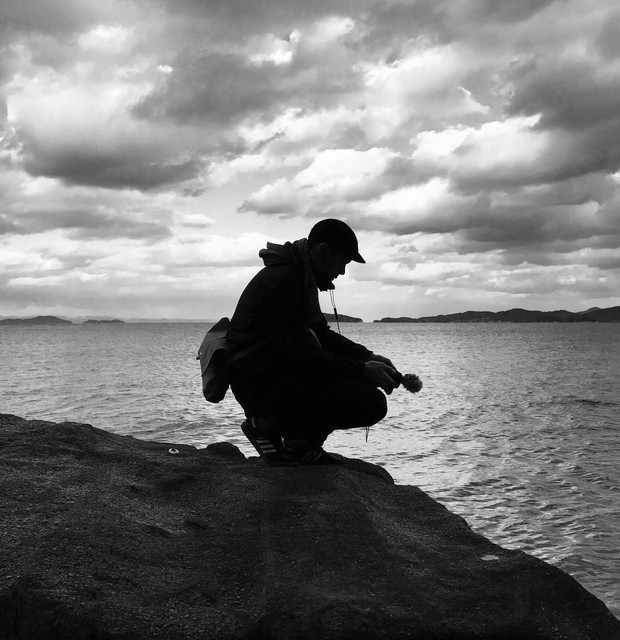
Lowercase
Lowercase is a minimalist strain of experimental ambient music that privileges extremely quiet, often barely-perceptible sound. Instead of melody and rhythm, it focuses on micro-sonic details—hiss, hums, room tone, paper rustle, HVAC drones, cable buzz, and distant environmental traces—presented at very low volumes. Coined by artist Steve Roden in the early 2000s, the term denotes both a sonic aesthetic and a listening practice: attentive, headphone-based, and patient. Releases frequently use long durations, wide dynamic range, and near-silence to pull listeners toward the threshold of audibility. Labels such as 12k, LINE, and Trente Oiseaux, along with galleries and sound-art contexts, helped situate lowercase at the intersection of ambient, electroacoustic composition, and conceptual sound art.
Discover
Listen
Ambient
Ambient is a form of electronic and electroacoustic music that prioritizes tone, atmosphere, and texture over conventional song structures and rhythmic drive. It typically features slow-moving harmonies, sustained drones, gentle timbral shifts, and extensive use of space and silence. Rather than drawing attention to itself through hooks or beats, ambient is designed to be as ignorable as it is interesting, rewarding both background listening and focused immersion. Artists often employ synthesizers, samplers, tape loops, field recordings, and subtle acoustic instruments, with reverb and delay creating a sense of place. Substyles range from luminous, consonant soundscapes to darker, more dissonant atmospheres.
Discover
Listen
Drone
Drone is a minimalist music genre defined by sustained tones, long durations, and extremely gradual change. Harmony is often static or centered on a single fundamental with subtle overtone shifts, while rhythm tends toward stasis or very slow pulses. Sound sources range from acoustic instruments (e.g., strings, organ, bagpipes, shruti box, tambura) to electronics (sine waves, oscillators, feedback, tape loops, and later digital synthesis and processing). Many composers favor just intonation or other alternative tuning systems to emphasize beating patterns, psychoacoustic effects, and the internal life of sound. Although drone as a sonic principle is ancient and global, the modern experimental genre cohered in the 1960s through the New York minimalists and related avant‑garde circles, then spread into ambient, experimental, and heavy music scenes. The focus is less on melody and more on timbre, resonance, and the phenomenology of listening.
Discover
Listen
Tape Music
Tape music is a form of early electronic and electroacoustic composition that uses recorded sounds on magnetic tape as the primary material. Composers assemble, cut, splice, loop, reverse, and vary the speed of tape to sculpt timbre, rhythm, and form, often transforming everyday noises into abstract musical structures. Emerging from post–World War II studio experimentation, it blurred the line between composition and sound design. Works are typically fixed-media pieces intended for loudspeaker playback rather than traditional performance, privileging timbral exploration, spatial projection, and montage over conventional harmony and meter.
Discover
Listen
Show all 9 genres
Albums
2019
1
/5
On Falling
Marcus Fischer
Lowercase
2017
1
/5
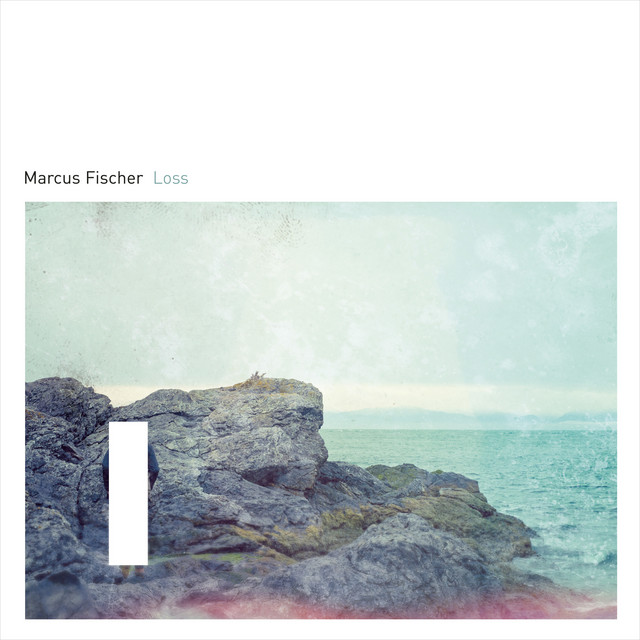
Loss
Marcus Fischer
Lowercase
Similar artists
2
/5
Taylor Deupree
Lowercase
Tape Music
Ambient
3
/5
zakè
Tape Music
Ambient
Drone
2
/5
Federico Durand
Tape Music
Ambient
Drone
2
/5
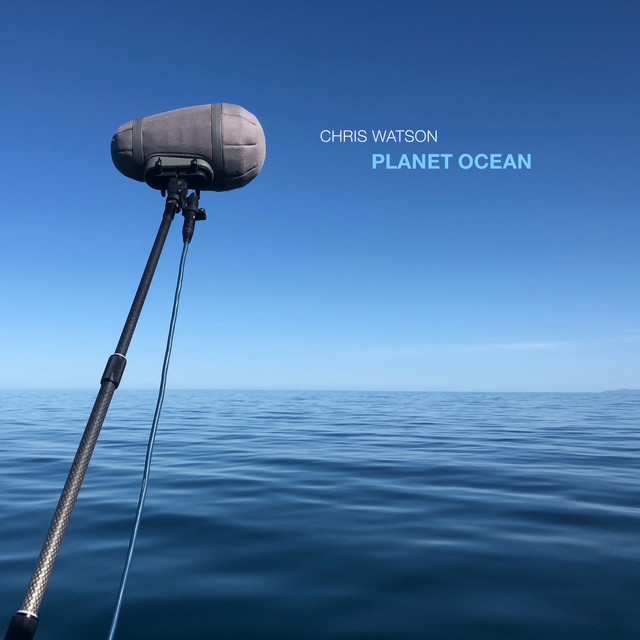
Chris Watson
Field Recording
Lowercase
Ambient
1
/5
Janek Schaefer
Lowercase
Ambient
Dark Ambient
1
/5
Steve Roden
Lowercase
Reductionism
Ambient
1
/5
Richard Chartier
Microsound
Lowercase
Ambient
1
/5
Philip Jeck
Experimental
Ambient
Lowercase
1
/5
Jana Winderen
Field Recording
Animal Sounds
Lowercase
4
/5
Ryuichi Sakamoto
Drone
Japanese Classical
Ambient
Download our mobile app
Get the Melodigging app and start digging for new genres on the go
Download on the App Store
Get it on Google Play
© 2026 Melodigging
Give feedback
Legal
Melodding was created as a tribute to
Every Noise at Once
, which inspired us to help curious minds keep digging into music's ever-evolving genres.