Genres
Artists
Albums
Make Music
Sign in
Sign in
Artists
Noisecore
Artists
Noisecore
Man Is The Bastard
1996–2015
·
4 albums
Listen
1
/5
Genres
Noisecore
Noisecore is an extreme offshoot of hardcore punk that fuses the speed and abrasion of punk with the sonic demolition of noise rock. It is defined by chaotic song structures, extremely short track lengths (often just seconds), screamed or unintelligible vocals, heavy feedback and distortion, blast‑beat drumming, and noise-saturated textures. Many recordings embrace lo‑fi aesthetics, clipping, and intentional "anti-production," reflecting a conscious rejection of formal musical theory and conventional songcraft. While closely related to grindcore, noisecore tends to be even more amorphous and riff‑less, prioritizing raw texture, saturation, and impact over groove or metal riffing. It arose in underground tape-trading scenes and DIY venues, where immediacy, provocation, and extremity were the point.
Discover
Listen
Powerviolence
Powerviolence is an ultrafast, confrontational offshoot of hardcore punk that emphasizes whiplash dynamics between blastbeat-speed eruptions and lurching, sludgy slowdowns. Its songs are typically very short—often under a minute—and rely on raw, abrasive guitar and bass tones, barked or screamed vocals, and sudden stop/start structures. Rooted more in punk than in metal, powerviolence differs from grindcore through its stripped-down riffing, anti-virtuosic ethos, and frequent use of hardcore and d-beat rhythms alongside shocking tempo drops into sludge-influenced breakdowns. Lyrics tend to be anti-authoritarian, socially critical, or nihilistic, and the style is strongly tied to DIY culture, lo-fi aesthetics, and an intentionally uncompromising sound.
Discover
Listen
Grindcore
Grindcore is an extremely fast, abrasive fusion of hardcore punk and extreme metal characterized by blast-beat drumming, highly distorted down-tuned guitars, and a mix of guttural growls and high-pitched screams. Songs are typically very short—often under two minutes and sometimes just seconds—favoring intensity over traditional verse–chorus structures. Lyrically, grindcore spans politically charged and socially conscious themes (war, capitalism, animal rights) as well as gore and body horror (particularly in goregrind). Production ranges from raw, live-in-the-room ferocity to tight, modern clarity. The style is defined by relentless speed, dissonant or chromatic riffing, and sudden start–stop shifts that create a feeling of controlled chaos.
Discover
Listen
Noise Rock
Noise rock is a subgenre of rock that deliberately embraces distortion, feedback, dissonance, and abrasive textures as primary musical materials rather than mere effects. It prioritizes timbre, volume, and sonic density over conventional melody and harmony, often using nonstandard tunings, prepared or detuned guitars, and extended techniques to generate harsh overtones and sheets of sound. Rhythm sections tend to be driving and repetitive, anchoring the chaos with motorik pulses, lurching grooves, or pummeling, minimal patterns. Vocals range from spoken and murmured to shouted and cathartic, with lyrics that skew cryptic, confrontational, or surreal. Aesthetically, noise rock traces a line from punk’s anti-virtuosity and DIY ethos through no wave’s iconoclasm and the avant-garde’s interest in sound-as-sound, yielding music that can be physically intense, psychologically unsettling, and artistically exploratory.
Discover
Listen
Sludge Metal
Sludge metal is a hybrid of doom metal’s slow, downtuned weight and hardcore punk’s raw aggression. It emphasizes thick, overdriven guitar tones, throttling bass, and drums that lurch between trudging slow-motion grooves and ragged mid‑tempo blasts. Vocals are typically screamed, barked, or anguished, often buried slightly in the mix to feel abrasive and cathartic. The style took shape in the late 1980s United States—particularly the Pacific Northwest and the American South—where bands fused Sabbath‑like doom riffs with the DIY harshness of hardcore and the scabrous textures of noise rock. Lyrical themes commonly explore addiction, despair, social decay, and Southern Gothic imagery, delivered with an intentionally gritty, unvarnished production aesthetic.
Discover
Listen
Power Electronics
Power electronics is an extreme offshoot of industrial and noise music characterized by high-gain feedback, piercing oscillators, abrasive drones, and confrontational, often shouted or screamed vocal performances. The music typically rejects conventional rhythm, melody, and harmony, favoring raw, atonal textures sculpted with distortion, EQ, and dynamics. Lyrical content is deliberately transgressive—fixated on power, control, taboo, and violence—presented either as provocation, critique, or uncomfortable reportage. Performances are frequently intense and minimalist: a few analog synths or tone generators, a mixer pushed into clipping, a microphone, and a handful of pedals can fill the spectrum with searing noise. The aesthetic is stark, ascetic, and confrontational rather than dance-oriented, aligning it more with performance art than club culture.
Discover
Listen
Thrashcore
Thrashcore is an ultra-fast, aggressive strain of hardcore punk characterized by extremely short songs, breakneck tempos, and tightly compressed arrangements. It amplifies hardcore’s intensity by trimming away ornamentation and accelerating everything: riffs, drums, and vocal phrasing. While sometimes conflated with crossover thrash, thrashcore remains firmly rooted in punk rather than metal. It favors raw, abrasive guitar tones, rapid down-picked power-chord riffs, and relentless drum patterns that often approach or include early blast beats. Vocals are usually shouted or barked, with lyrics that are political, confrontational, or socially critical. The style prioritizes immediacy and catharsis, thriving on DIY ethics, minimal production sheen, and high-energy performances that translate into frantic pits and stage-dives.
Discover
Listen
Hardcore Punk
Hardcore punk is a faster, louder, and more abrasive offshoot of late-1970s punk rock. Songs are typically short (often under two minutes), propelled by rapid tempos, aggressive down‑stroked guitar riffs, and shouted or barked vocals. The style prioritizes raw energy over technical ornamentation: power‑chord harmony, minimal guitar solos, and tightly locked rhythm sections dominate. Lyrically, hardcore punk is intensely direct—often political, anti‑authoritarian, and socially critical—reflecting a DIY ethic that values independent labels, self‑organized shows, and community‑run spaces. The genre coalesced in U.S. scenes such as Los Angeles, Washington, D.C., New York, and Boston, and soon spread internationally. Its velocity, attitude, and grassroots infrastructure profoundly shaped underground music and paved the way for numerous metal, punk, and alternative subgenres.
Discover
Listen
Industrial
Industrial is an experimental electronic music tradition that uses abrasive timbres, mechanical rhythms, and transgressive aesthetics. Its sound palette often includes distorted drum machines, tape loops, metallic percussion, feedback, and found-object recordings alongside synthesizers and samplers. Emerging from late-1970s UK underground art and performance scenes, industrial foregrounds themes of dehumanization, technology, surveillance, and power. Releases frequently embrace anti-commercial presentation, stark graphic design, and confrontational performance art, treating the studio as a laboratory for sonic manipulation rather than a vehicle for conventional songcraft. While early industrial emphasized noise, tape processing, and avant-garde collage, later waves fused the style with dancefloor precision (EBM), rock and metal heft, and club-oriented production, giving rise to a broad post-industrial family that remains influential in experimental, electronic, and popular music.
Discover
Listen
Noise
Noise is an experimental music genre that uses non-traditional sound sources, distortion, feedback, and extreme dynamics as primary musical materials. Instead of emphasizing melody, harmony, or conventional rhythm, it focuses on texture, density, timbre, and the physical presence of sound. Practitioners sculpt saturated walls of sound, piercing feedback, metallic clatter, contact-mic scrapes, tape hiss, and electronic interference into works that can be confrontational or meditative. Performances often highlight process and immediacy—improvisation, body movement, and site-specific acoustics—while recordings can range from lo-fi cassette overload to meticulously layered studio constructions. Though rooted in early avant-garde ideas, the genre coalesced as a distinct practice in the late 1970s and 1980s, especially through Japan’s ‘Japanoise’ scene, and subsequently influenced numerous styles across industrial, punk-adjacent, and experimental electronic music.
Discover
Listen
Experimental
Experimental music is an umbrella term for practices that prioritize exploration, process, and discovery over adherence to established genre norms. It embraces new sound sources, nonstandard tuning systems, indeterminacy and chance operations, graphic and open-form scores, extended techniques, and technology-led sound design (tape, electronics, computers, and live processing). Rather than a single style, it is a methodology and ethos: testing hypotheses about sound, structure, and performance, often blurring boundaries between composition, improvisation, sound art, and performance art. Listeners can expect unfamiliar timbres, unusual forms, and an emphasis on how music is made as much as the resulting sound.
Discover
Listen
Rock
Rock is a broad family of popular music centered on amplified instruments, a strong backbeat, and song forms that foreground riffs, choruses, and anthemic hooks. Emerging from mid‑20th‑century American styles like rhythm & blues, country, and gospel-inflected rock and roll, rock quickly expanded in scope—absorbing folk, blues, and psychedelic ideas—while shaping global youth culture. Core sonic markers include electric guitar (often overdriven), electric bass, drum kit emphasizing beats 2 and 4, and emotive lead vocals. Rock songs commonly use verse–chorus structures, blues-derived harmony, and memorable melodic motifs, ranging from intimate ballads to high‑energy, stadium‑sized performances.
Discover
Listen
Show all 12 genres
Albums
2015
1
/5
The Lost M.I.T.B. Sessions
Man Is the Bastard & Bastard Noise
Power Electronics
Thrashcore
Powerviolence
2006
1
/5
Sum of the Men "The Brutality Continues..."
Man Is The Bastard
Noisecore
Powerviolence
2006
2
/5
D.I.Y.C.D.
Man Is The Bastard
Noisecore
1996
2
/5
Thoughtless
Man Is The Bastard
Noisecore
Similar artists
2
/5
Agoraphobic Nosebleed
Grindcore
Cybergrind
Noisecore
2
/5
Magrudergrind
Grindcore
Hardcore Punk
Noisecore
1
/5
The Locust
Cybergrind
Grindcore
Hardcore Punk
2
/5
Extreme Noise Terror
Noisecore
Grindcore
Death Metal
3
/5
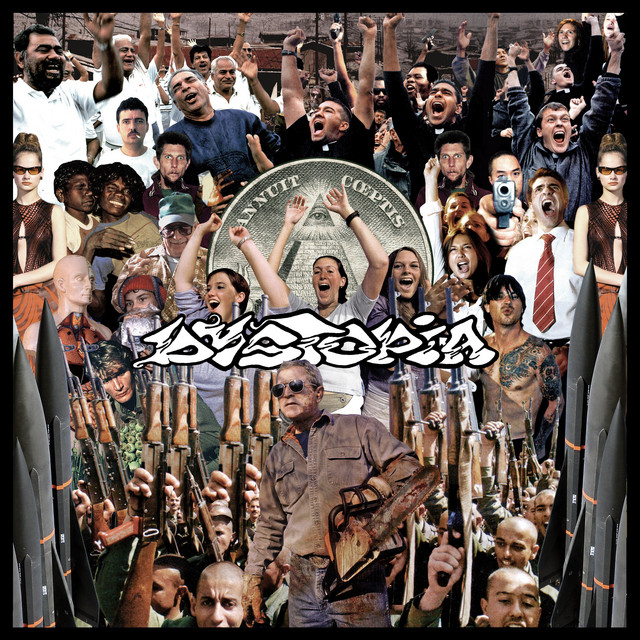
Dystopia
Crust Punk
Powerviolence
Hardcore Punk
2
/5
WORLD PEACE
Powerviolence
Grindcore
Hardcore
1
/5
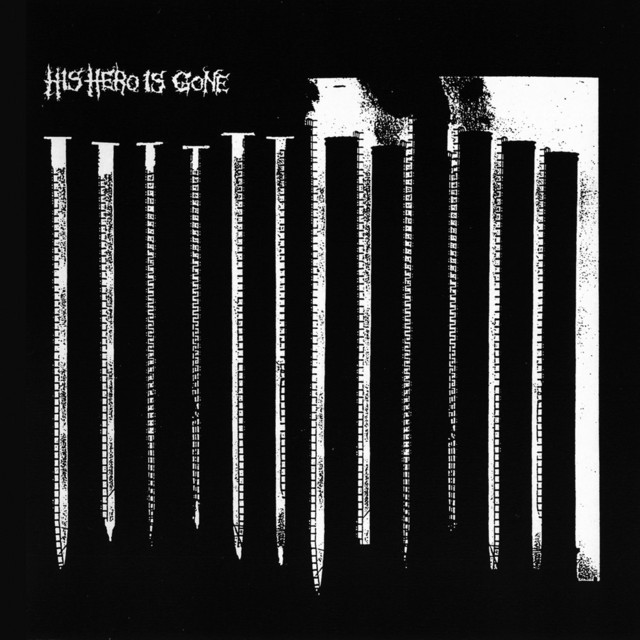
His Hero Is Gone
Hardcore Punk
Powerviolence
Crust Punk
2
/5
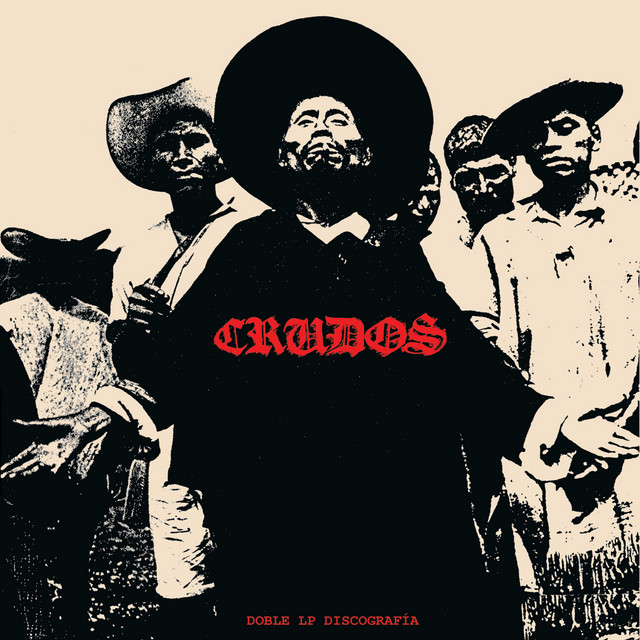
Los Crudos
Powerviolence
Crust Punk
Grindcore
2
/5
Weekend Nachos
Grindcore
Powerviolence
Hardcore
2
/5
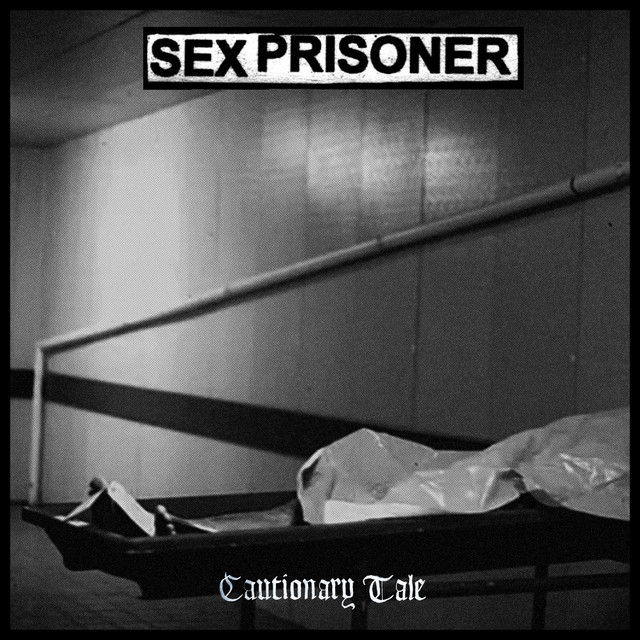
Sex Prisoner
Powerviolence
Grindcore
Hardcore
Download our mobile app
Get the Melodigging app and start digging for new genres on the go
Download on the App Store
Get it on Google Play
© 2026 Melodigging
Give feedback
Legal
Melodding was created as a tribute to
Every Noise at Once
, which inspired us to help curious minds keep digging into music's ever-evolving genres.